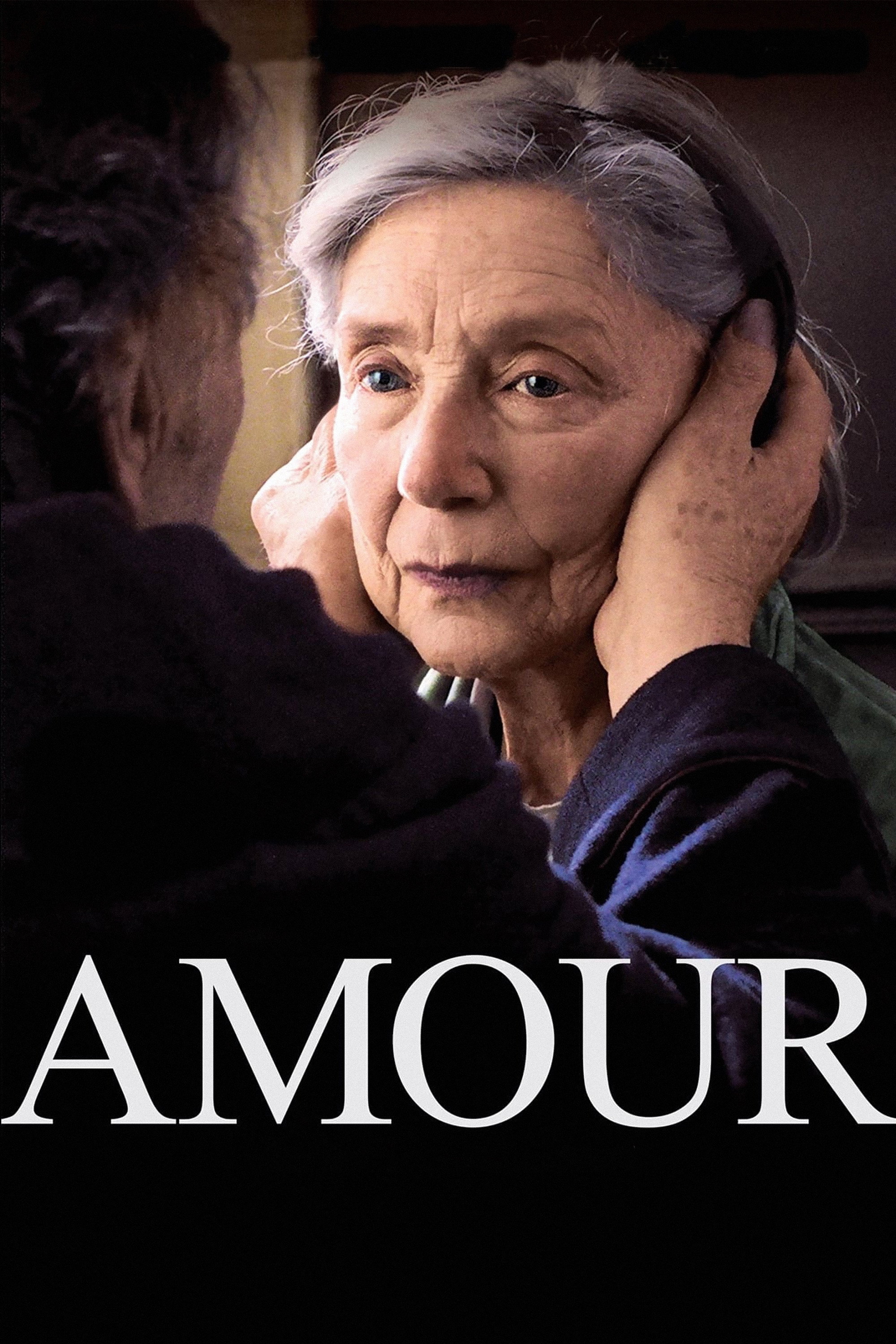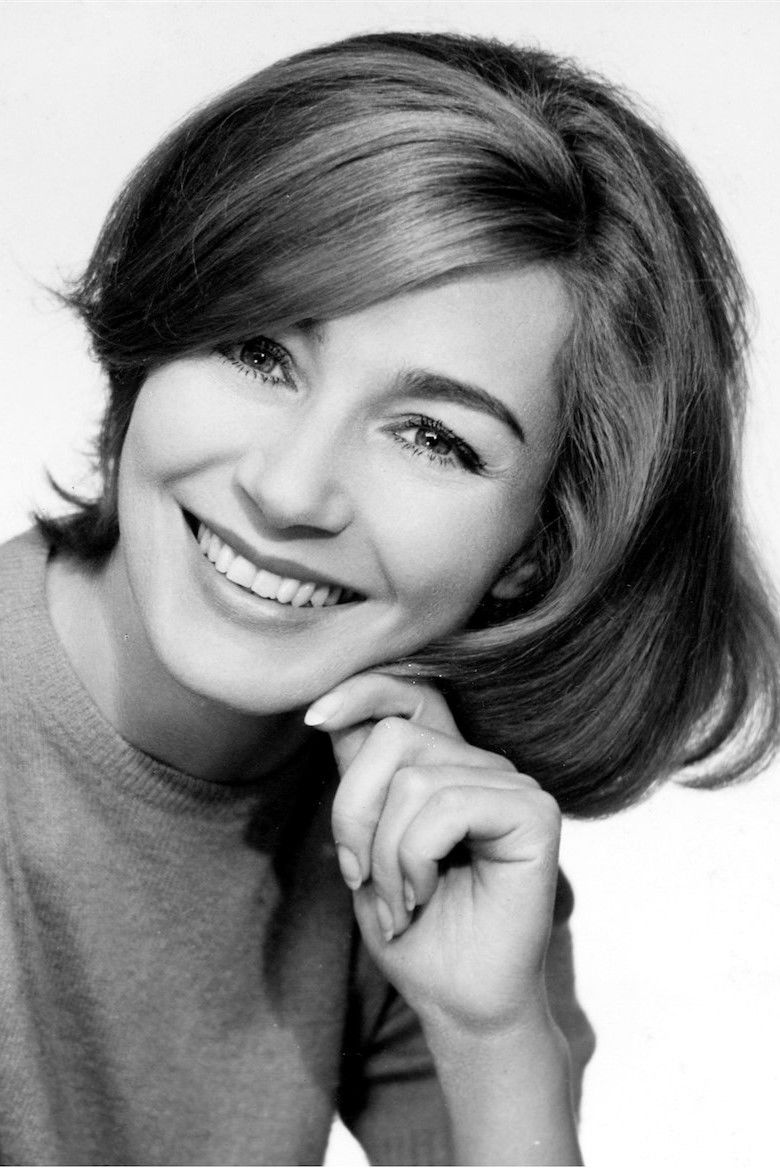
Emmanuelle Riva’s precise physical acting and measured voice reward close attention. We value her refusal to make vulnerable women easy to pity: in Amour, she keeps Anne’s wishes clear even when they make caring for her harder.
Fi1m perspective
In Amour (2012), Anne’s physical effort takes time, and Emmanuelle Riva makes us sit through it. She keeps Anne’s wishes clear even when satisfying them makes caring for her harder. We were frightened by the strain she made visible in Anne’s body. Nothing in her performance suggests that suffering ought to make a woman meek or grateful; she is too attentive to what Anne wants for that.
Hiroshima mon amour (1959), her breakthrough lead for Alain Resnais, made particular use of her cadenced voice and small gestures. She could convey someone thinking as well as feeling, without needing large movements to spell either out. She went on to work with Jean-Pierre Melville in Léon Morin, Priest (1961) and Georges Franju in Thérèse Desqueyroux (1962). Film roles became less frequent as she concentrated on theatre, with later appearances including the mother in Krzysztof Kieślowski’s Three Colours: Blue (1993). Amour brought her back to prominence in a leading role, giving her physical precision sustained attention.
Haneke benefits from collaborators who give Riva room to work. Editors Monika Willi and Nadine Muse let the performances establish the pace, while Darius Khondji’s restrained photography keeps our attention on the occupants of the Paris flat. Jean-Vincent Puzos’s production design makes it a believable home, and there is no music from outside the scenes to prompt our response. Riva and Jean-Louis Trintignant make the affection credible without that assistance. Our reservation is the waiting: Haneke sometimes prolongs it until the confinement feels punitive, though the actors have already made the difficulty clear.
Calling Riva restrained only gets us so far. The voice in Hiroshima mon amour and the bodily effort in Amour both demand that we pay attention to feelings the characters cannot easily settle. Her quietness does not promise us calm, and her precision can make watching more uncomfortable. Choose Amour for Riva and Trintignant, but do not expect their affection to make the evening comfortable.
Biography
Emmanuelle Riva was a French actress. Born Paulette Germaine Riva on 24 February 1927 in Cheniménil, she trained at the Centre d'Art Dramatique in Paris and began her career on stage before making her screen debut in the late 1950s.
She is known for her leading role as Elle in Hiroshima mon amour (1959), for which she received a BAFTA nomination, and for her performance as Anne in Amour (2012), which earned her BAFTA and César awards and an Academy Award nomination. Other notable films include Léon Morin, Priest (1961), Thérèse Desqueyroux (1962), for which she won the Volpi Cup at Venice, Three Colors: Blue (1993) and Venus Beauty Institute (1999).
Riva died on 27 January 2017 in Paris.