Film review

Three Colors: Blue

1993 · Directed by Krzysztof Kieślowski · 1h 38m · MPA R

In a sentenceJuliette Binoche makes being left alone look like a full-time job

Drama

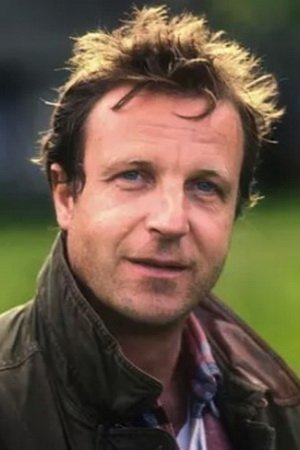
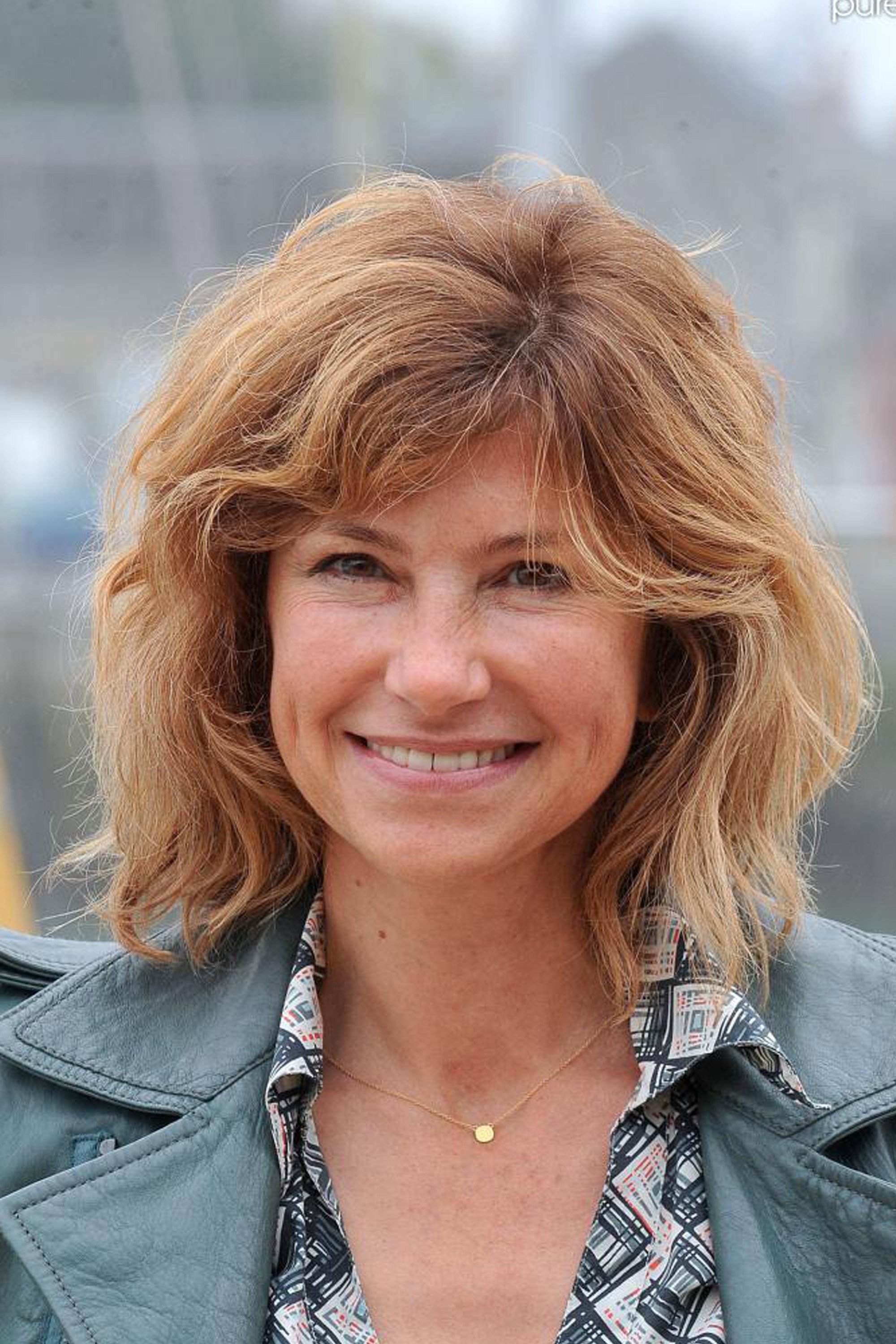
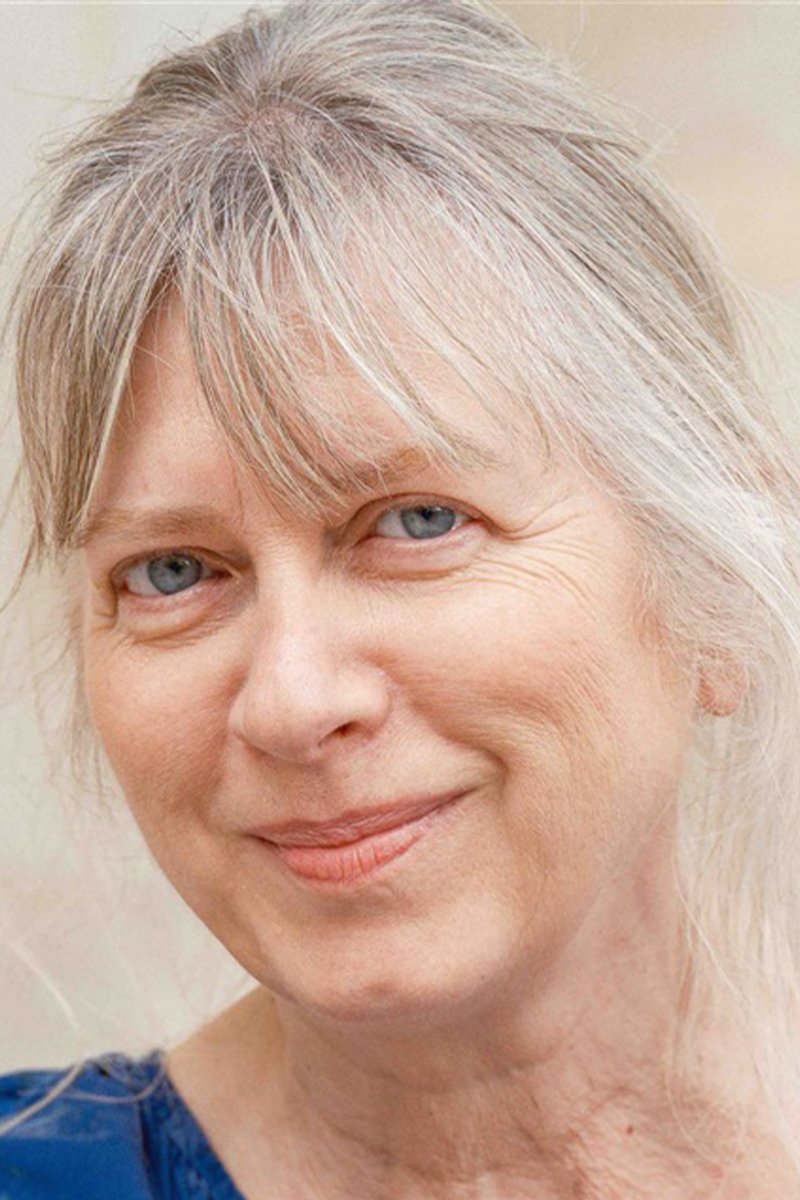
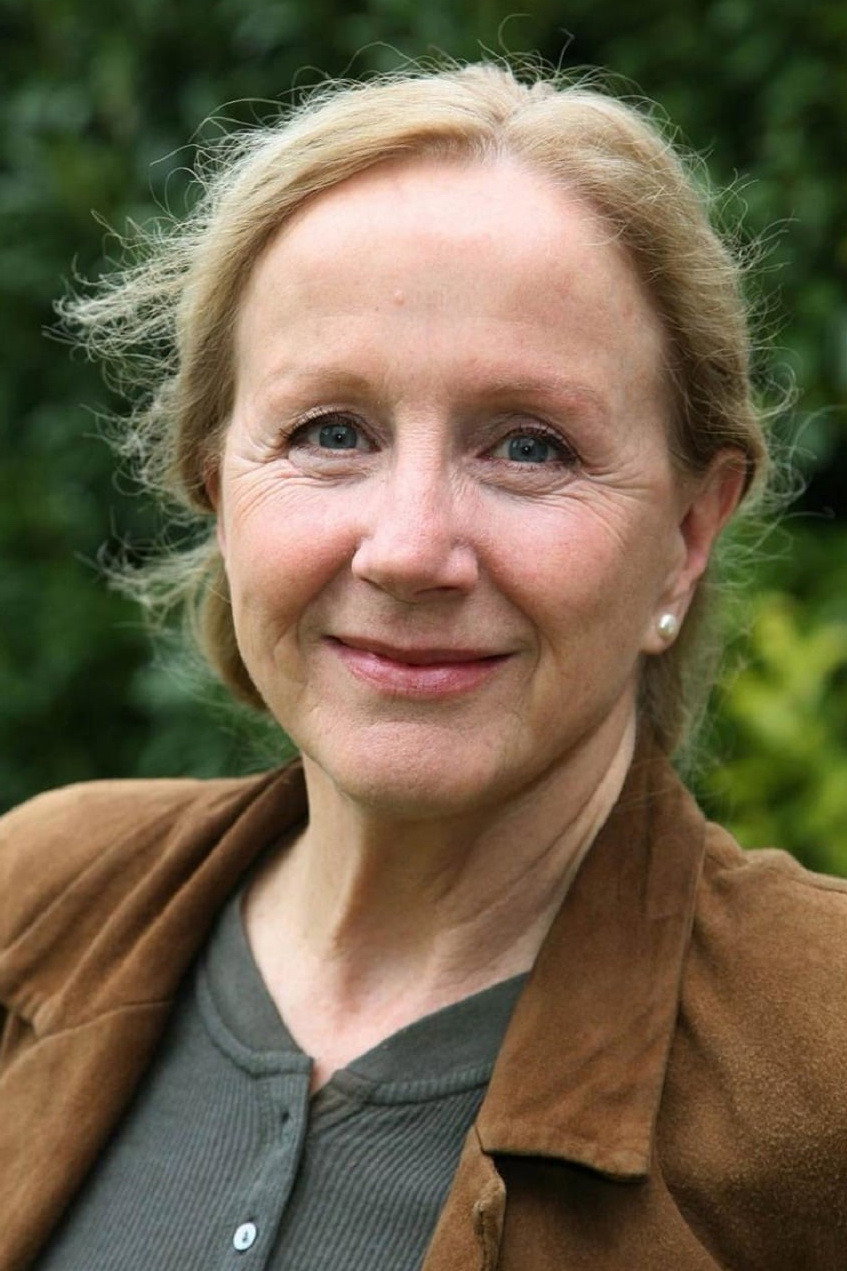
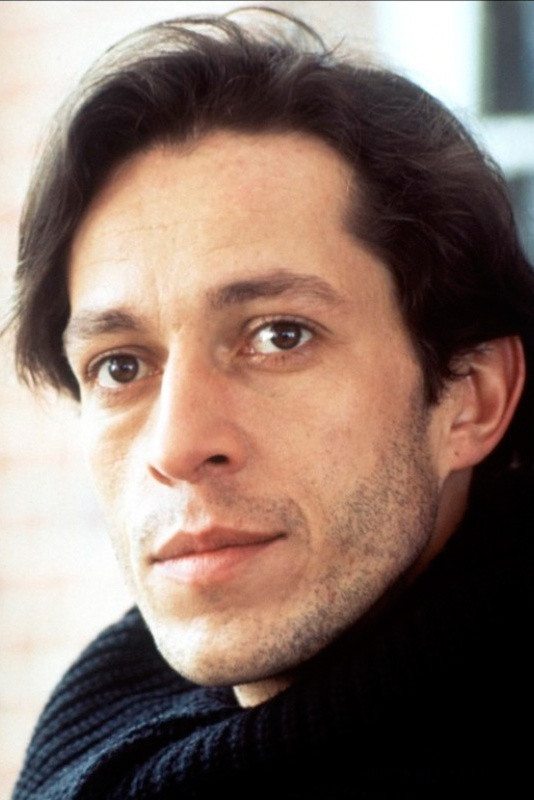
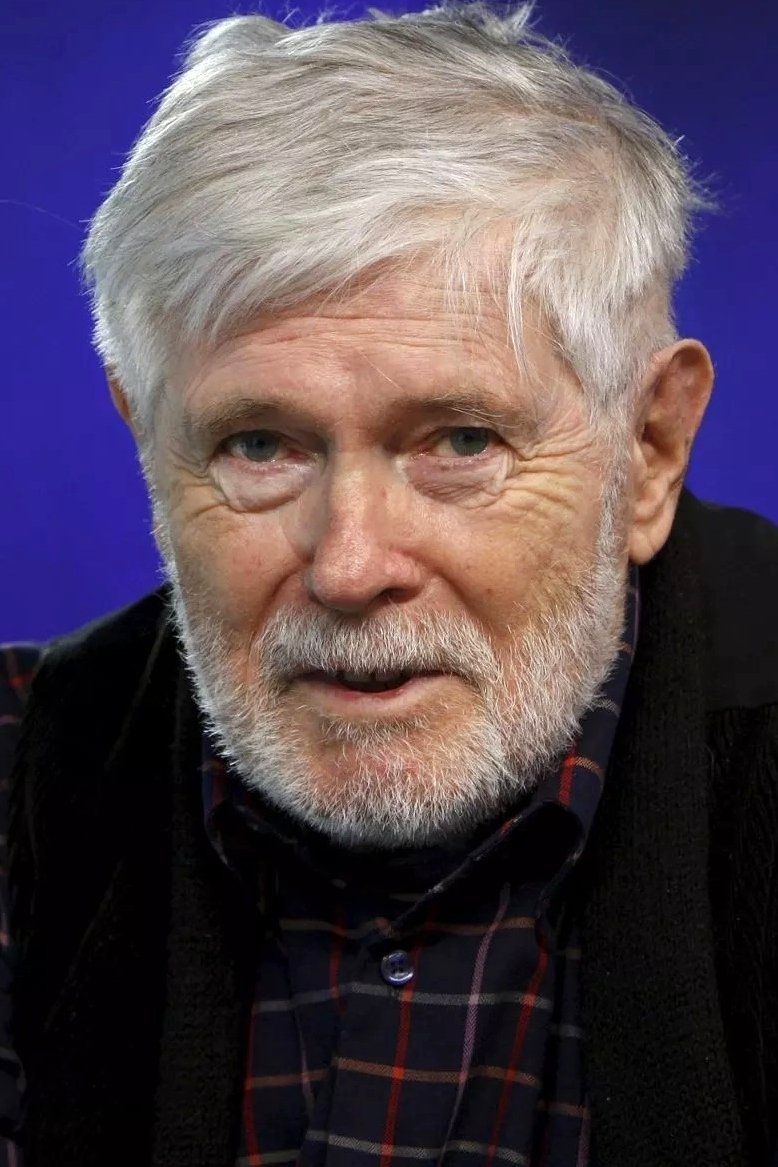
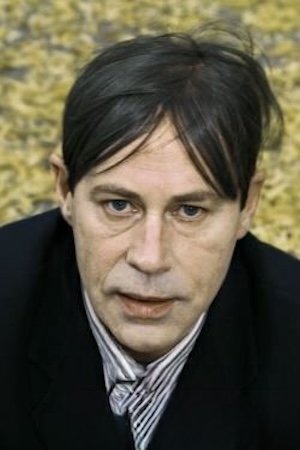
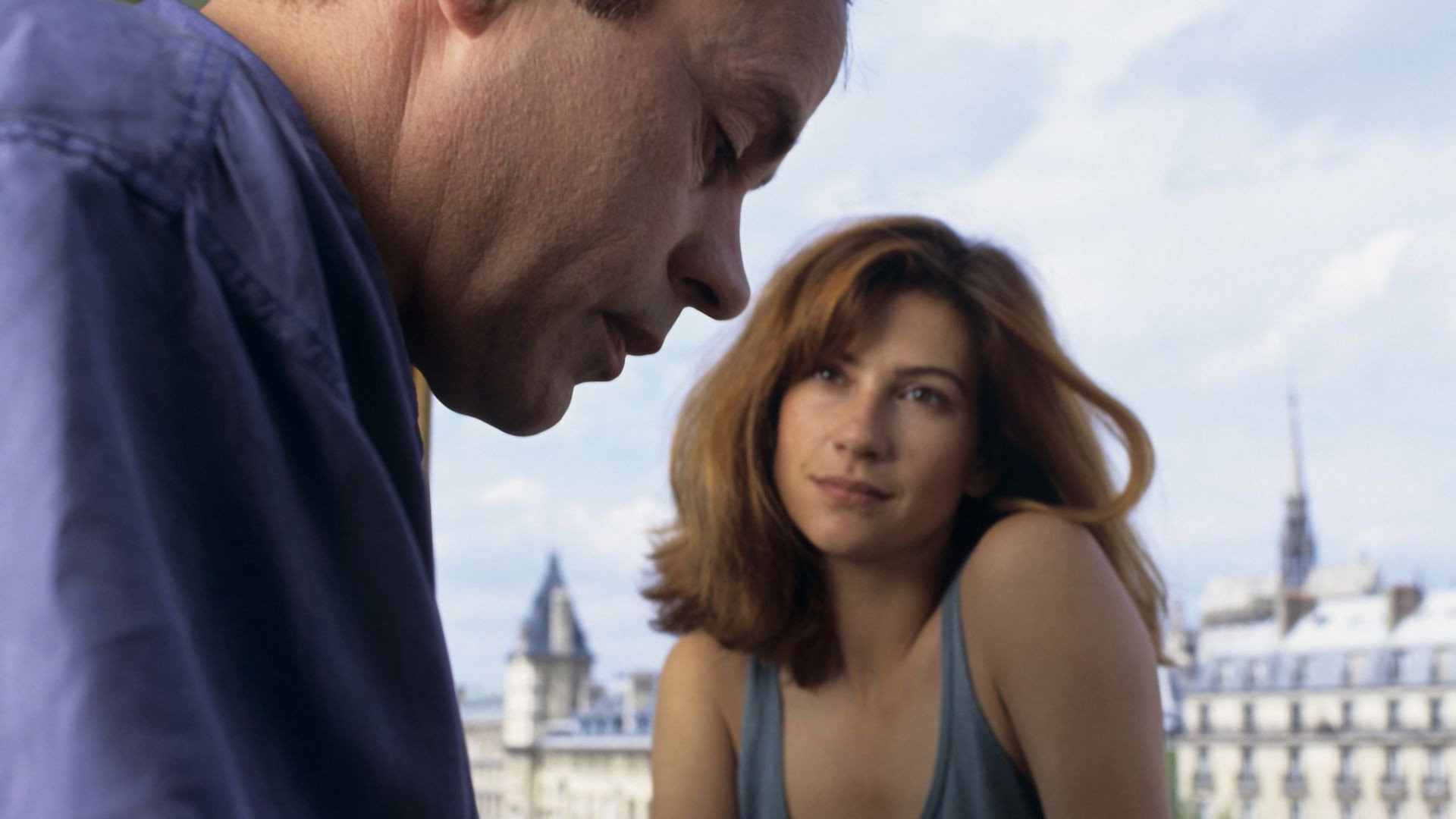
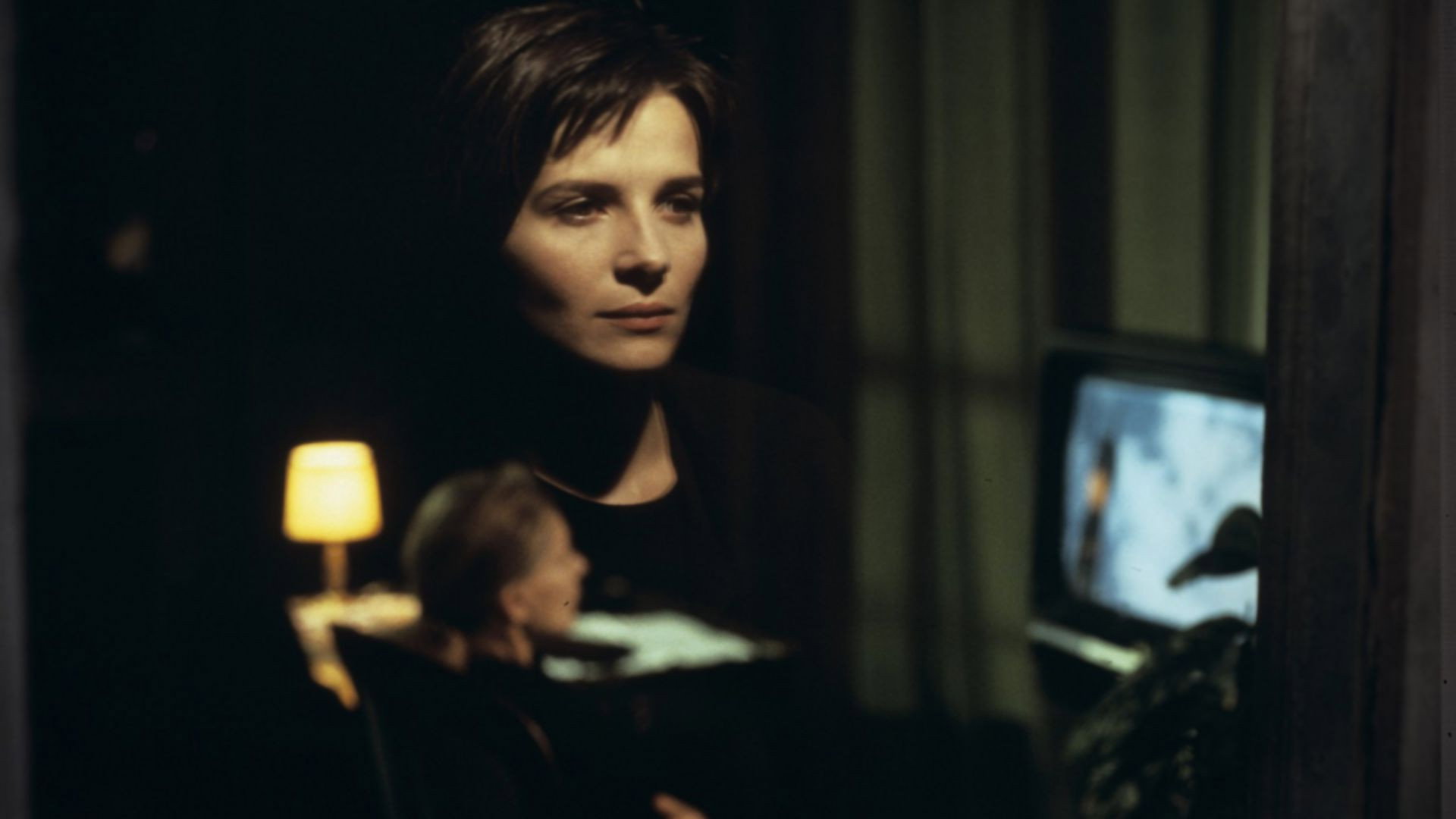
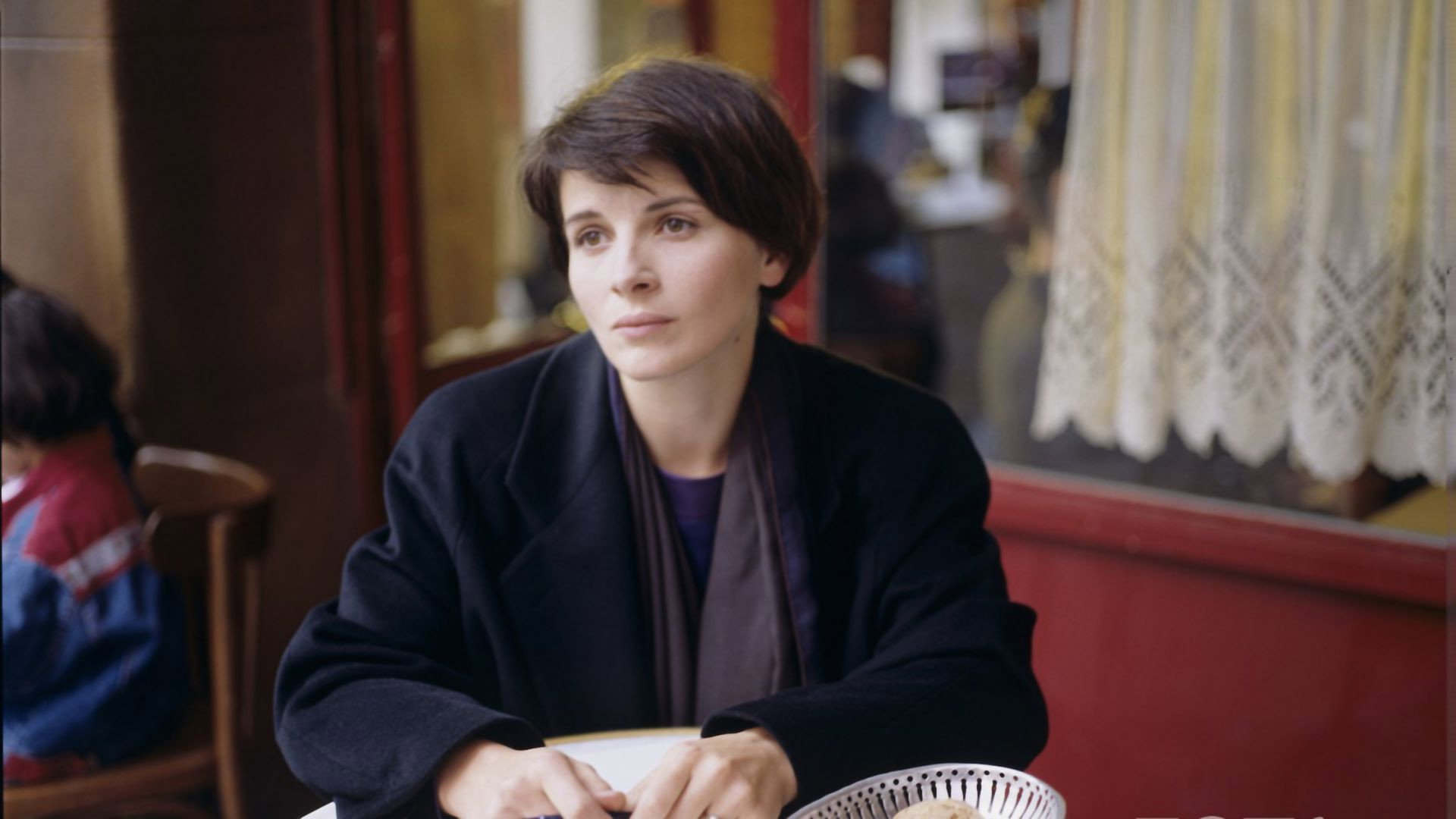
After a crash, Julie (Juliette Binoche) tries to withdraw from the world and from the grief that now governs her life. She seeks a freedom that depends on keeping other people at a distance, but detachment proves difficult to maintain. Krzysztof Kieślowski’s drama follows her efforts to live without being drawn back into sorrow, using music and images to follow what she does not put into words. Benoît Régent plays Olivier, Charlotte Véry plays Lucille and Emmanuelle Riva plays Julie’s mother, among the people in a life Julie is trying to shut out.

Fi1m review

Juliette Binoche makes Julie’s grief painfully credible in Krzysztof Kieślowski’s tightly controlled drama. The music and images sometimes press too hard, but we recommend it for the way a guarded face can hold our attention without explaining itself.

Krzysztof Kieślowski’s Three Colours: Blue asks how far Julie can retreat after tragedy before solitude becomes another source of pain. It is a deeply affecting drama, and we recommend it warmly. Juliette Binoche makes the withdrawal convincing: Julie seems determined to limit what others can ask of her, including our own wish to understand her. The film takes her grief seriously enough to allow her to be difficult, and it does not hurry to make her agreeable.

The opening crash frightened us, because Kieślowski makes its violence felt before we have had time to settle into watching. That matters to everything Binoche does afterwards. Her reserve could look merely chilly without the shock that precedes it; with it, the effort involved in keeping people away becomes clear. She gives us enough to follow Julie without making the character easy to read, and Kieślowski is willing to leave that distance between her and us.

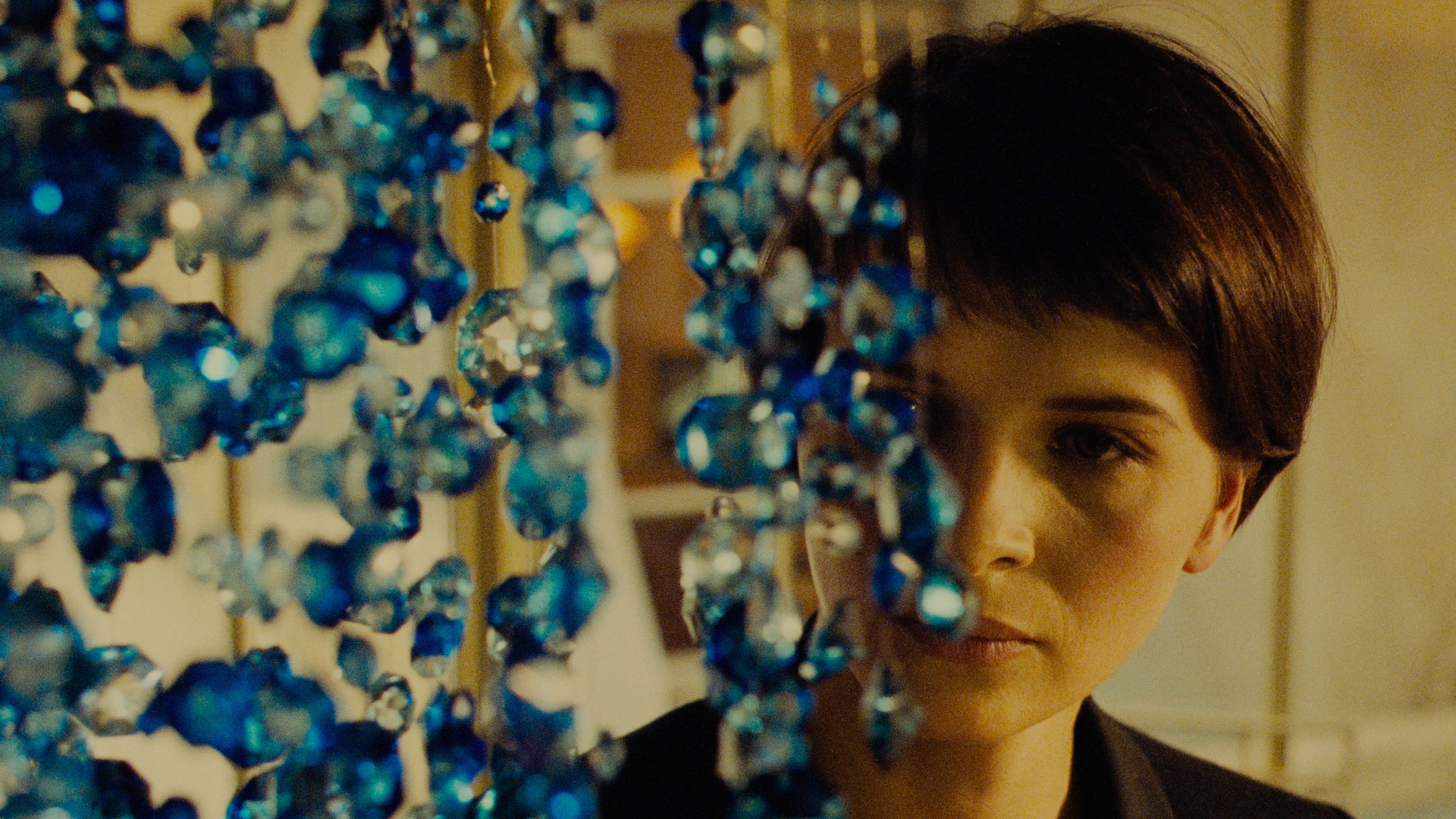
Cinematographer Sławomir Idziak makes that distance something we can see. Reflections, blurred focus and dark filters keep changing how clearly Julie can be seen, encouraging us to study Binoche’s face rather than assume we have understood it. The images ask for close attention, and usually repay it. Occasionally we notice the filter before the feeling, and the insistence on making each image significant can make a small human exchange feel more solemn than it needs to be.

Zbigniew Preisner’s music is just as important, and rather less reticent than the performance. It gives force to feelings Julie is trying to contain, sometimes with a weight that seems almost unfair to a woman who wants to be left alone. Editor Jacques Witta’s handling of the musical interruptions lets the film pause without making the grief seem to pause with it. We can hear why Julie cannot simply decide to be free of sorrow. The music lets us hear how much effort her stillness takes.

Claude Lenoir’s production design is restrained enough to keep our attention on Julie, but the world around her can feel too carefully arranged. Kieślowski and co-writer Krzysztof Piesiewicz give her withdrawal more weight than the lives it shuts out. The supporting characters sometimes seem to exist principally to test her resolve. That is a limitation in a film so concerned with the difficulty of living among other people.

The risk with a drama about grief is that suffering becomes a lesson, with everyone obliged to emerge wiser. Kieślowski avoids the easy reassurance, taking seriously Julie’s wish for individual freedom without pretending that it is simple to achieve. For all the solemnity, there is something bracing about a film that does not keep asking its grieving woman to reassure the rest of us. Binoche keeps Julie’s stubbornness understandable even when her behaviour offers little encouragement to anyone around her.

At 98 minutes, the film leaves room for us to attend to a face or a musical phrase without turning Julie’s suffering into an endurance test. We would not trade Binoche’s reserve for a more demonstrative performance, even when her distance makes the watching difficult. The pauses need as much attention as the music. Choose it for an evening when nobody needs cheering up.
Critical consensus AI synthesised

81
Positive
5
Mixed
0
Negative
1

Most critics respond warmly to Three Colours: Blue, with praise centring on Binoche’s performance and Kieslowski’s treatment of grief through images and music. The reviews repeatedly describe her acting as intense, sensitive and capable of making a withdrawn woman’s inner life legible. The score receives particular attention for carrying emotion, while the direction’s close observation, unusual camera angles and shifts of focus give the story a force that many find moving without easy moralising.

The disagreement concerns how much emotional connection those techniques allow. Even favourable reviews find the storytelling cryptic or some ideas underexplored. Empire admires the filmmaking despite finding the material pedestrian and Binoche frosty. The Independent offers the clearest dissent, finding the slight story and abstract ideas unengaging, with the visual and musical effects keeping viewers outside the experience. The spread is wide, though enthusiasm clearly predominates.

Radio Times
★★★★★ · David Parkinson
100

Kieslowski's direction is never intrusive as it minutely observes the process of dealing with grief, and his use of the score is inspired. Binoche gives an intense yet sensitive performance as the survivor who cannot give up on life.

Read the full review →
The Times
31 March 2023 · ★★★★★ · Kevin Maher
100

This is the first and best instalment in the trilogy, a near flawless melodrama about the restorative power of grief. The score is extraordinary, the opening crash sequence terrifying, and the final close-up unutterably moving.

Read the full review →
Sight and Sound
· Nick James
85*

The critic praises the film's savage irony and remarkable austerity in depicting a grieving woman's attempt to withdraw from the world. Binoche's performance and the director's visually and aurally dependent aesthetic are singled out.

Read the full review →
Empire
27 January 2006 · Marcus Trower
80*

The film is seen as cryptic with a frosty Binoche performance and pedestrian material, but Kieslowski's use of reflections, focusing techniques, and camera angles gives it a profound, otherworldly quality. It remains a superb arthouse modern classic that still beguiles.

Read the full review →
Time Out
23 April 2015 · GA
80*

The film is an arresting study of individual freedom, with no facile moralising and a lucid examination of a woman's state of mind after tragedy. Binoche delivers her best work to date as the stubborn, enigmatic Julie.

Read the full review →
The Independent
14 October 1993 · Adam Mars-Jones
40*

The critic finds the film's slight story and abstract ideas fail to engage viewers, who remain outside the experience despite the director's subtle personal style. Kieslowski's visual techniques, including dark filters, blurring effects, and music ellipses, create an atmospheric echo chamber but ultimately feel dull and theoretical.

Read the full review →

Cast

Stills

Awards

César Award for Best Actress, 1994

Nominated
César Award for Best Actress

Venice Film Festival, 1993

Won
Golden Lion

If you liked this, try…

The Double Life of Véronique poster

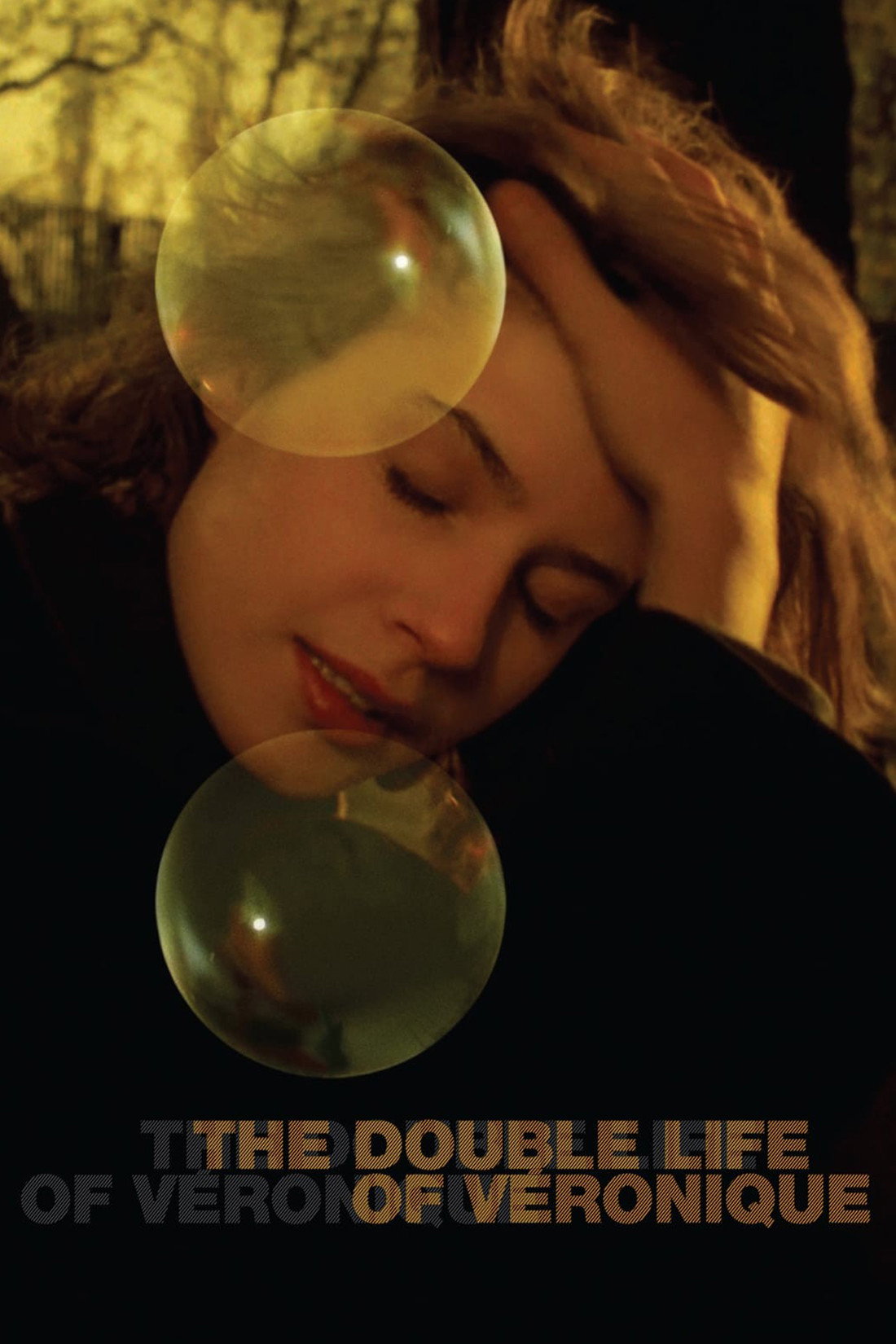
The Double Life of Véronique

1991 · Kieślowski gives another guarded woman room to be understood through music.

Morvern Callar poster

Morvern Callar

2002 · Another withdrawn woman, with sound doing what ordinary explanations cannot.

Still Walking poster

Still Walking

2008 · Family grief emerges through ordinary conversation, with little appetite for consolation.

The Green Ray poster

The Green Ray

1986 · A woman’s solitude receives close attention without becoming a problem to solve.

A Ghost Story poster

A Ghost Story

2017 · For another patient treatment of loss, though this one admits the supernatural.