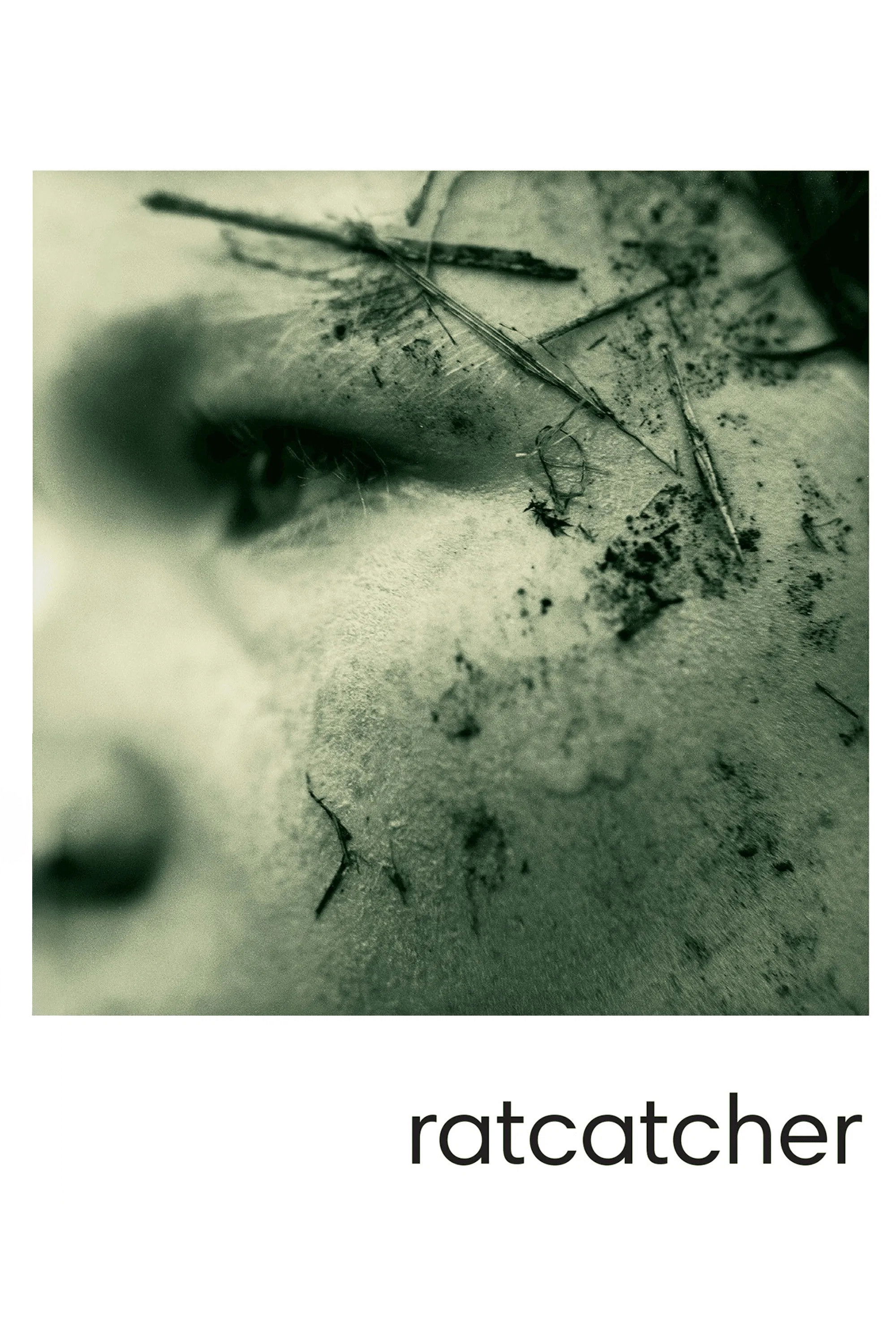
Lynne Ramsay’s grief drama is strange, absorbing and carried by Samantha Morton’s quietly unsettling performance. The music draws us close to a woman who gives little away, though the pacing sometimes tests our patience.
Lynne Ramsay’s Morvern Callar is a strange, absorbing drama, worth watching even when its central character remains hard to understand. It also asks for more patience than some of its slower passages earn. Morvern’s boyfriend has died by suicide, yet Samantha Morton supplies little of the visible grief that would normally guide our response. Ramsay follows this working-class woman’s search for escape without making her explain herself.
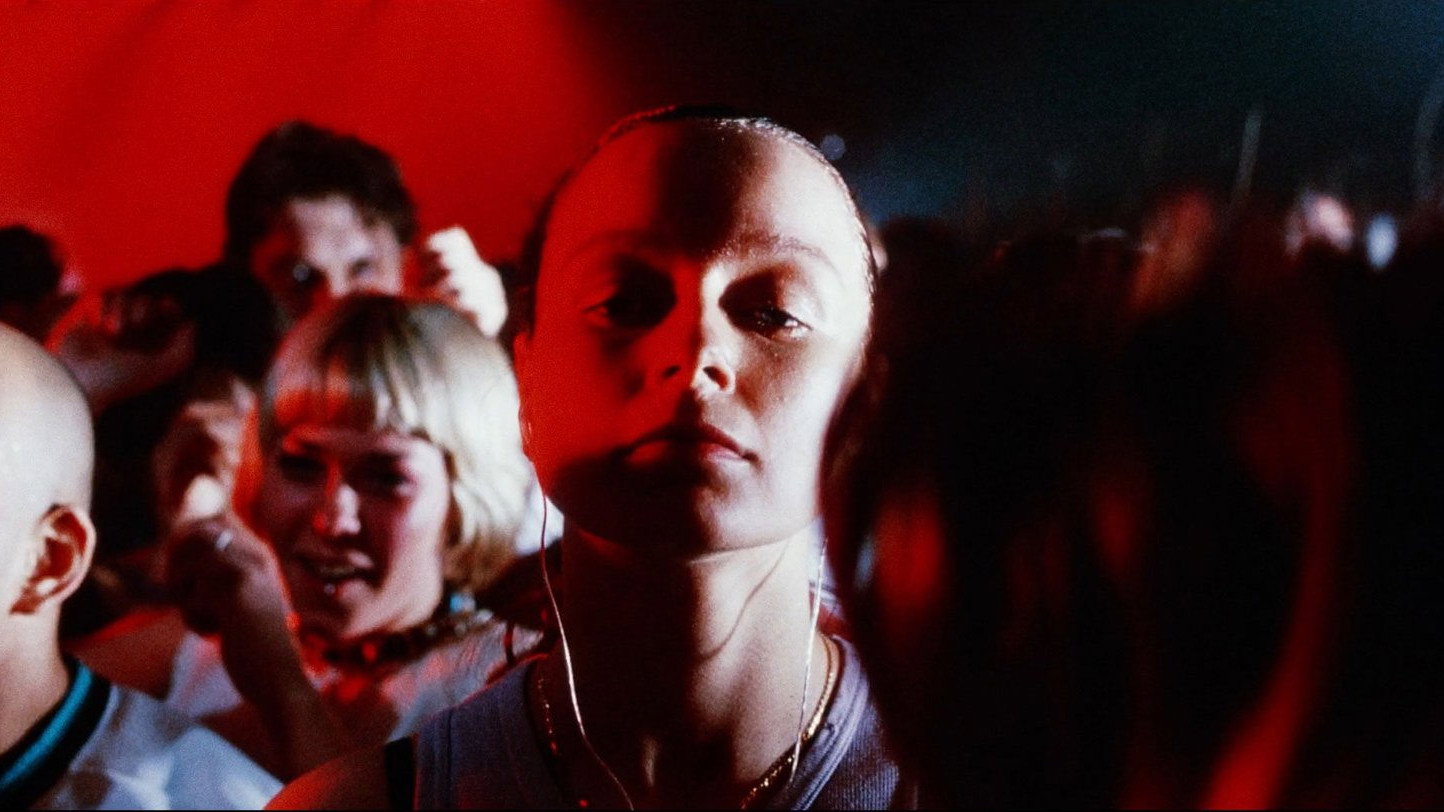
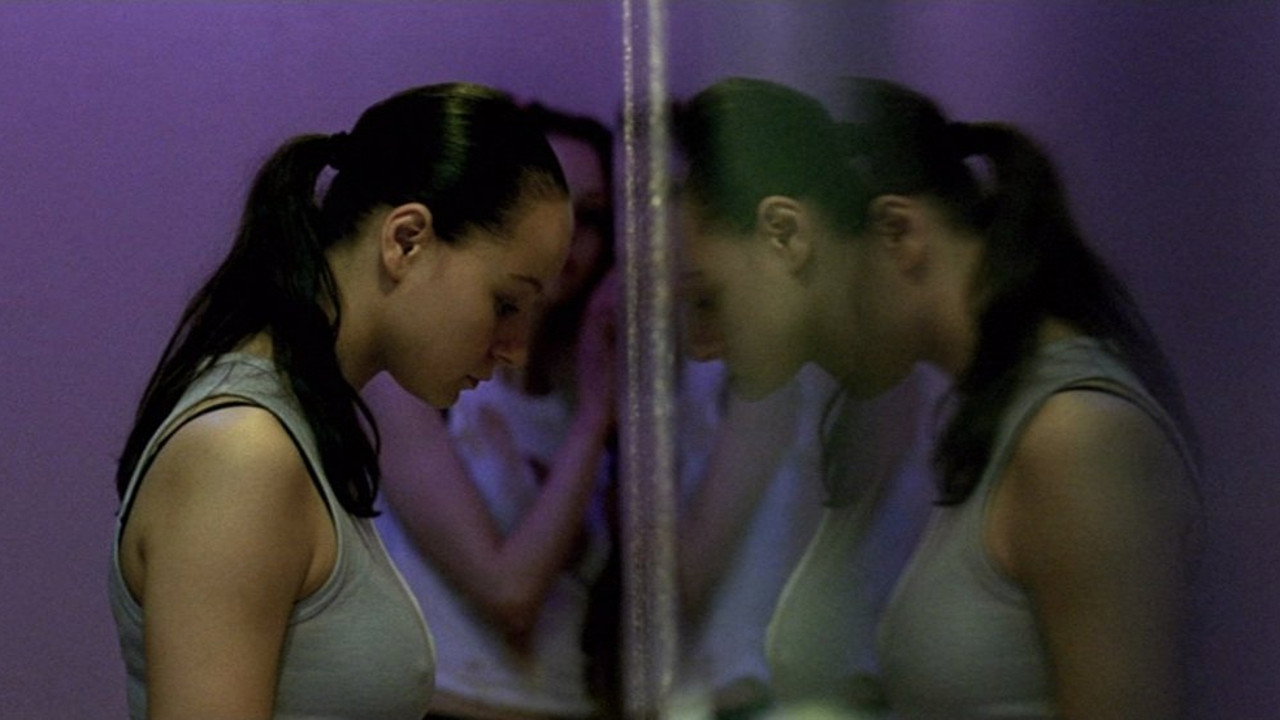
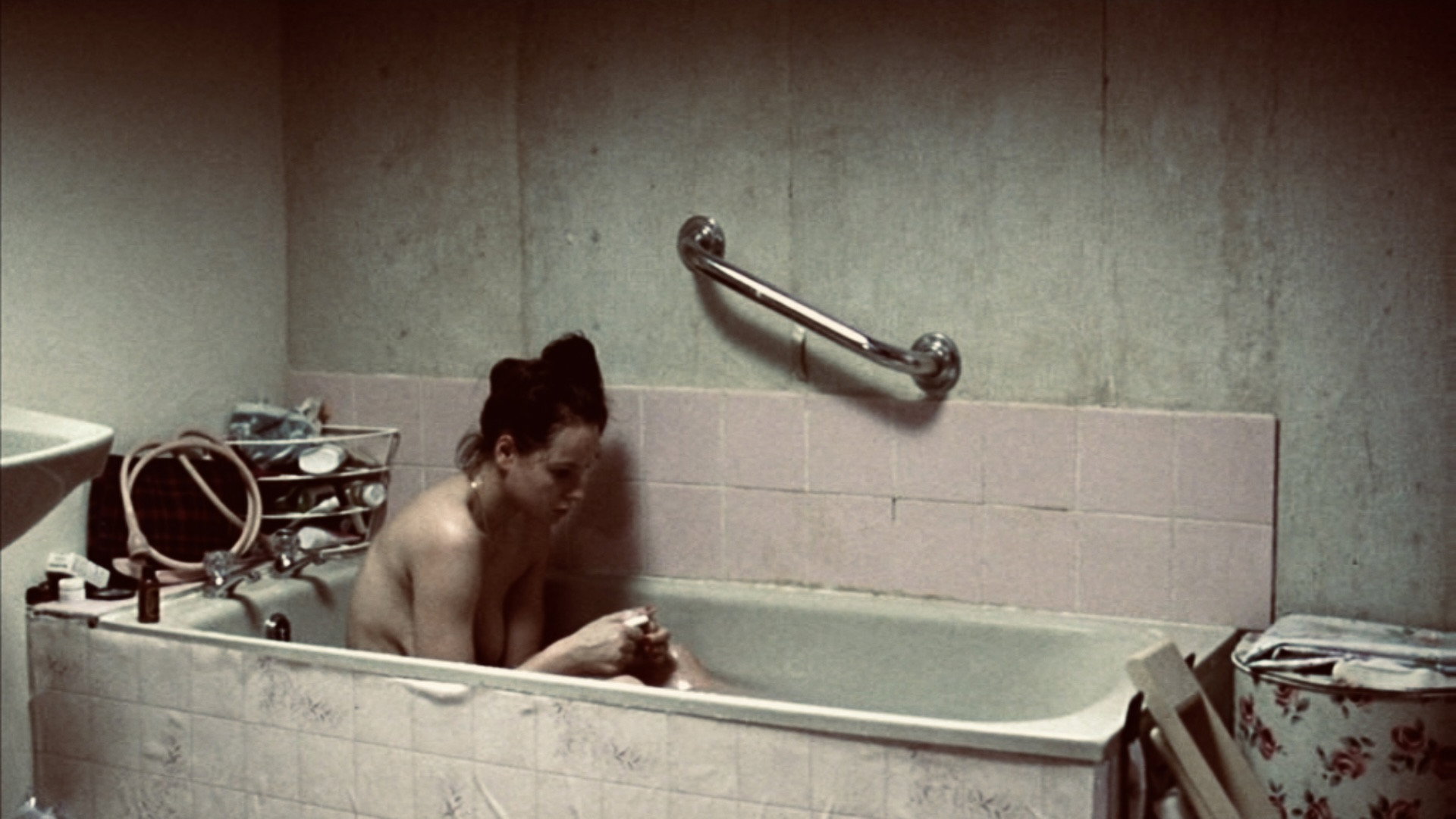
We were unsettled by Morvern’s quiet after the suicide; Morton gives us no comforting display of distress to make our sympathy automatic. Watching her face, we keep trying to decide what she has taken in and what she is putting aside. It would be easy to make such a withdrawn character seem empty, but Morton keeps our attention through small changes of expression. We start questioning our own expectation that she should make her feelings readable.
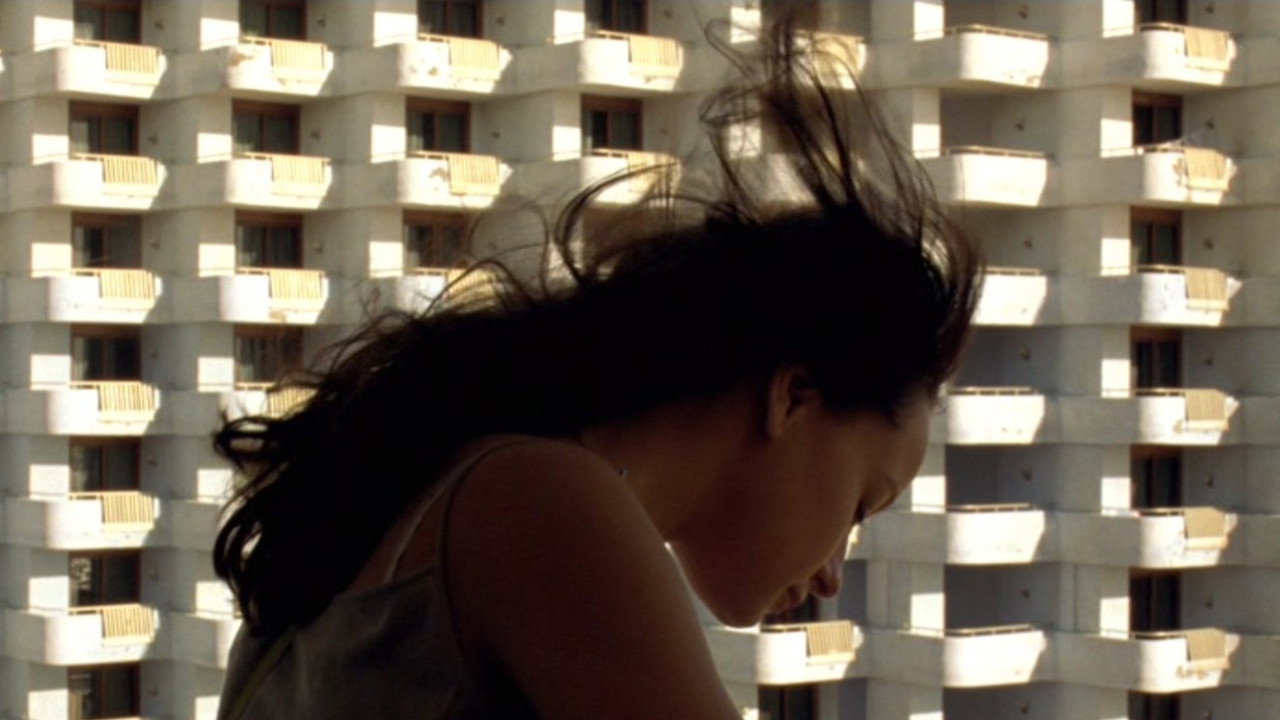
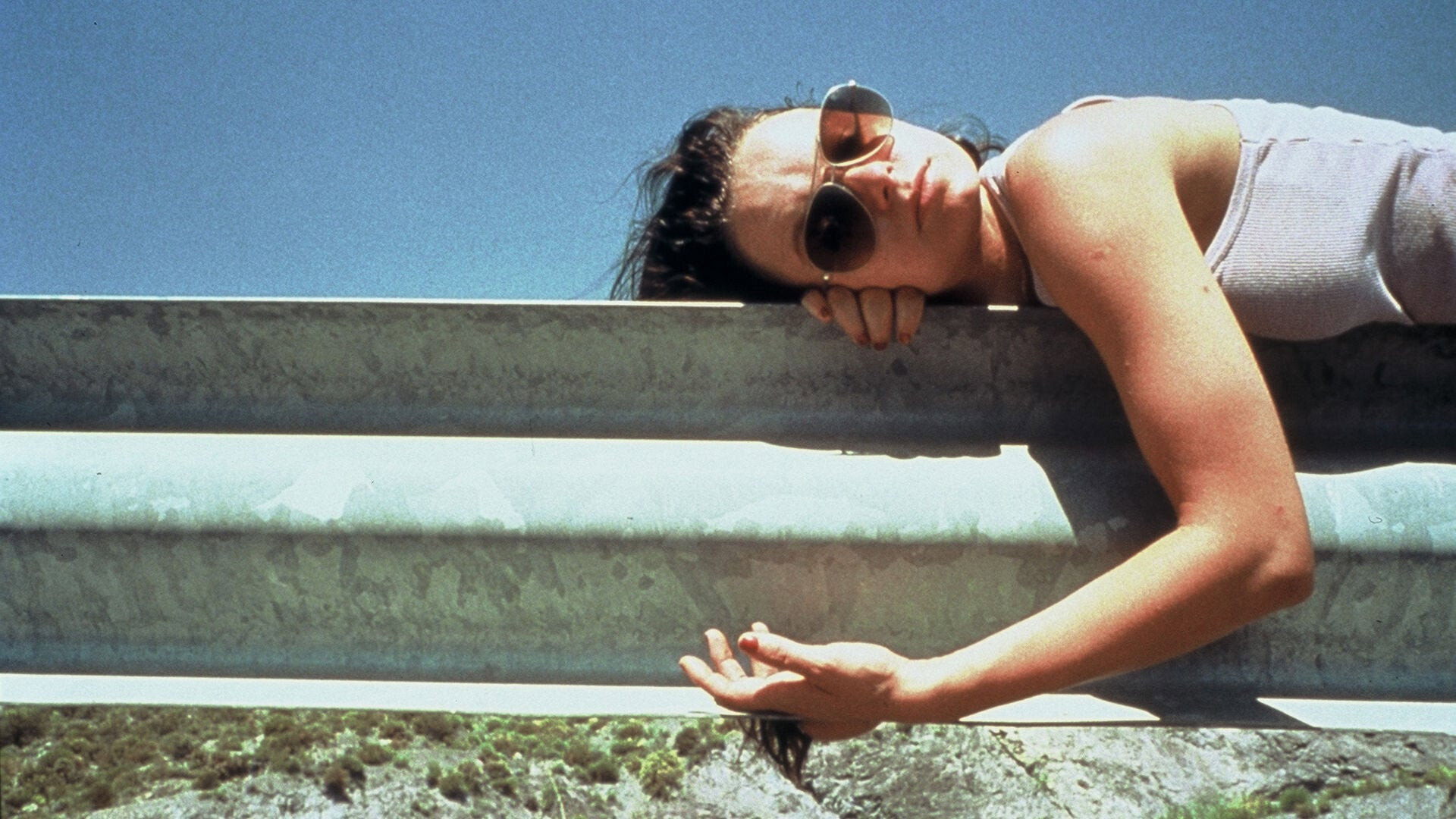
Alwin H. Küchler’s photography lets the study of Morton’s face occupy a scene without exhausting our interest. The everyday settings get comparable attention, and Jane Morton’s production design gives those scenes a useful, unshowy credibility. Their familiarity makes Morvern’s wish to leave them easy to understand. Küchler encourages us to notice what is around her, so we have something to attend to beyond searching each expression for an explanation. That wider attention helps when Morvern herself gives us little to go on.
Her boyfriend’s compilation tape does some of the most important work. Through her Walkman, music changes the feel of the places she moves through, and Ramsay lets listening become an activity worth watching. The songs can occupy our attention without telling us precisely what Morvern is thinking. We understand the appeal of keeping the headphones on, and the film gives that small act enough time to become more than a passing character detail.
Lucia Zucchetti’s elliptical editing suits a story in which we are seldom handed a full explanation of a decision. Gaps keep us alert and prevent Morvern’s journey from becoming a series of neatly justified steps. The difficulty comes when the film lingers: some passages continue after a look or a piece of music has given us all it can. Our attention wandered there, and the 97-minute running time does not stop these stretches from feeling long.
Ramsay and co-writer Liana Dognini adapt Alan Warner’s novel with little interest in making Morvern easy to approve of. Her working-class circumstances give her wish for escape a practical urgency, and the film allows us to understand that wish while remaining uneasy about her. We are not asked to regard emotional detachment as an admirable way to live. We are given time to consider how little freedom someone may have to respond as other people think she should.
The familiar grief drama tends to offer the reassurance of a recognisable process: shock, tears, explanation, some prospect of recovery. We recommend Ramsay’s film to anyone tired of that orderly progress, with the warning that its slower passages do require some goodwill. Do not wait for somebody to sit Morvern down and ask the right question.