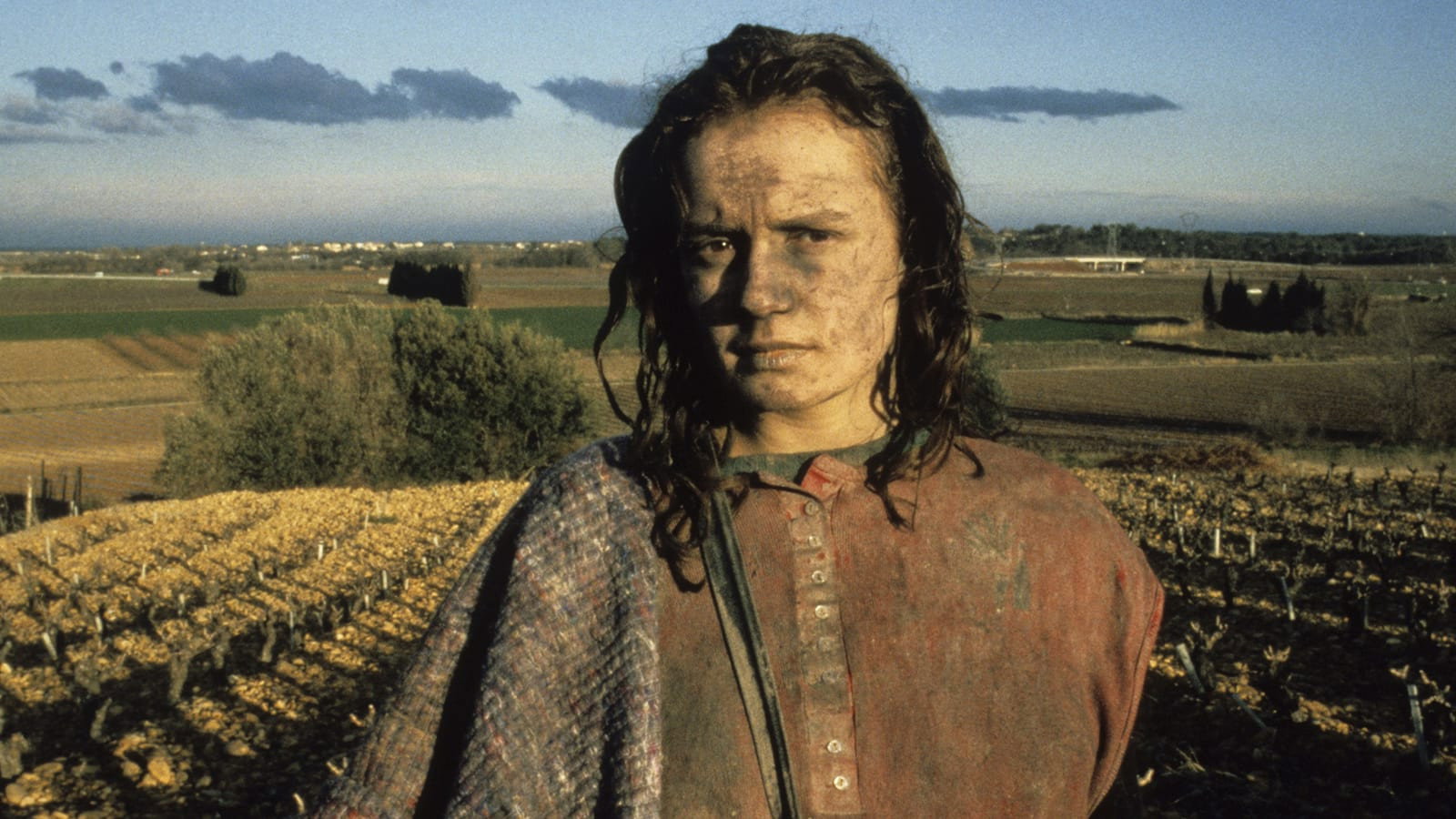
Agnès Varda makes a deeply moving film about a woman she refuses to explain. Sandrine Bonnaire’s difficult, unyielding Mona earns our attention without courting our affection, though the succession of witnesses sometimes feels too neatly arranged.
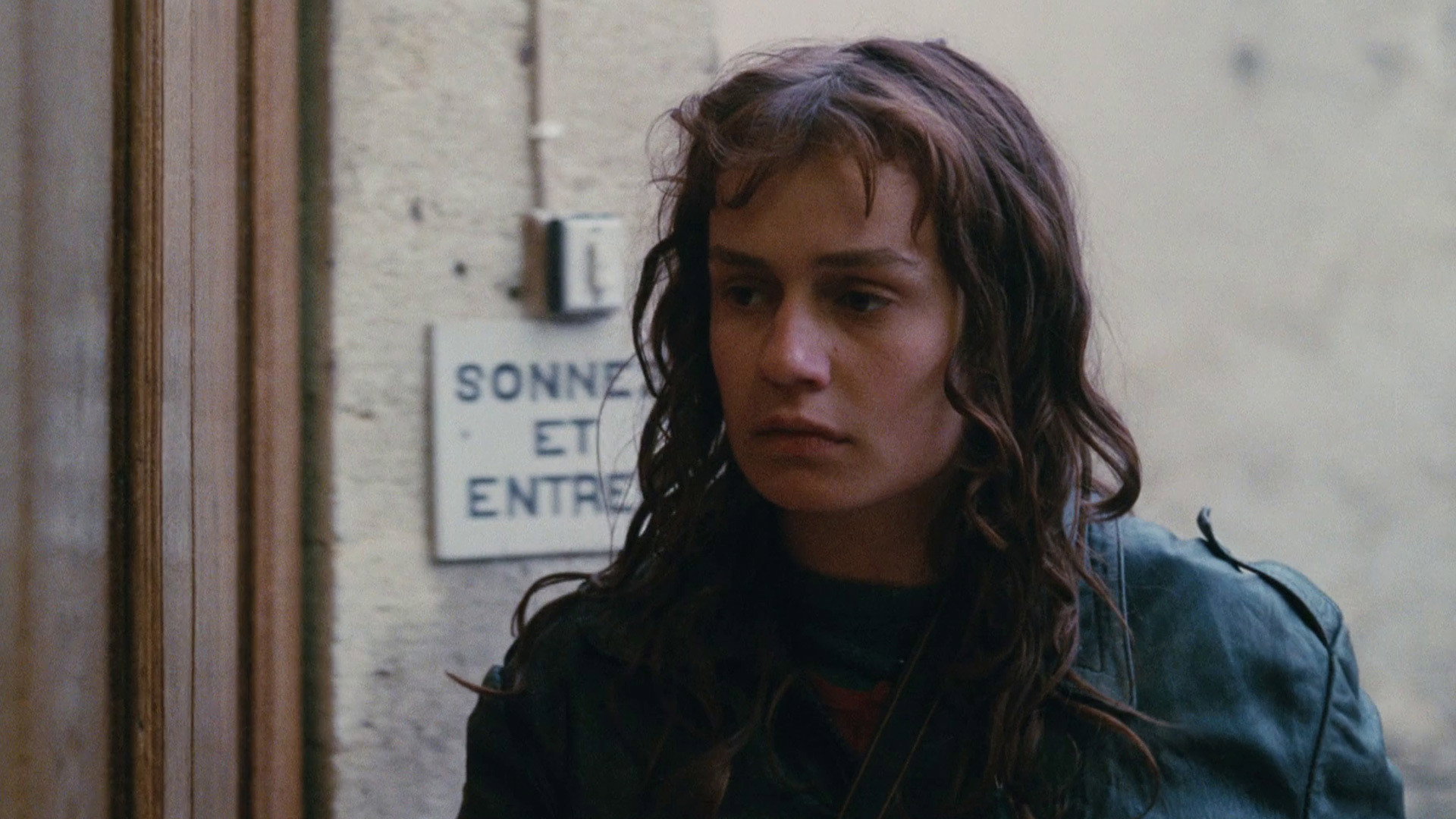
Agnès Varda’s Vagabond is a difficult, deeply affecting film, and we recommend it without asking anyone to find its central character likeable. Mona Bergeron is a young drifter seeking independence; her story reaches us through encounters and the recollections of people who have crossed her path. These witnesses offer their own views, and the film lets us hear them without appointing anyone to explain her. We are left to watch a woman whose reasons remain her own.
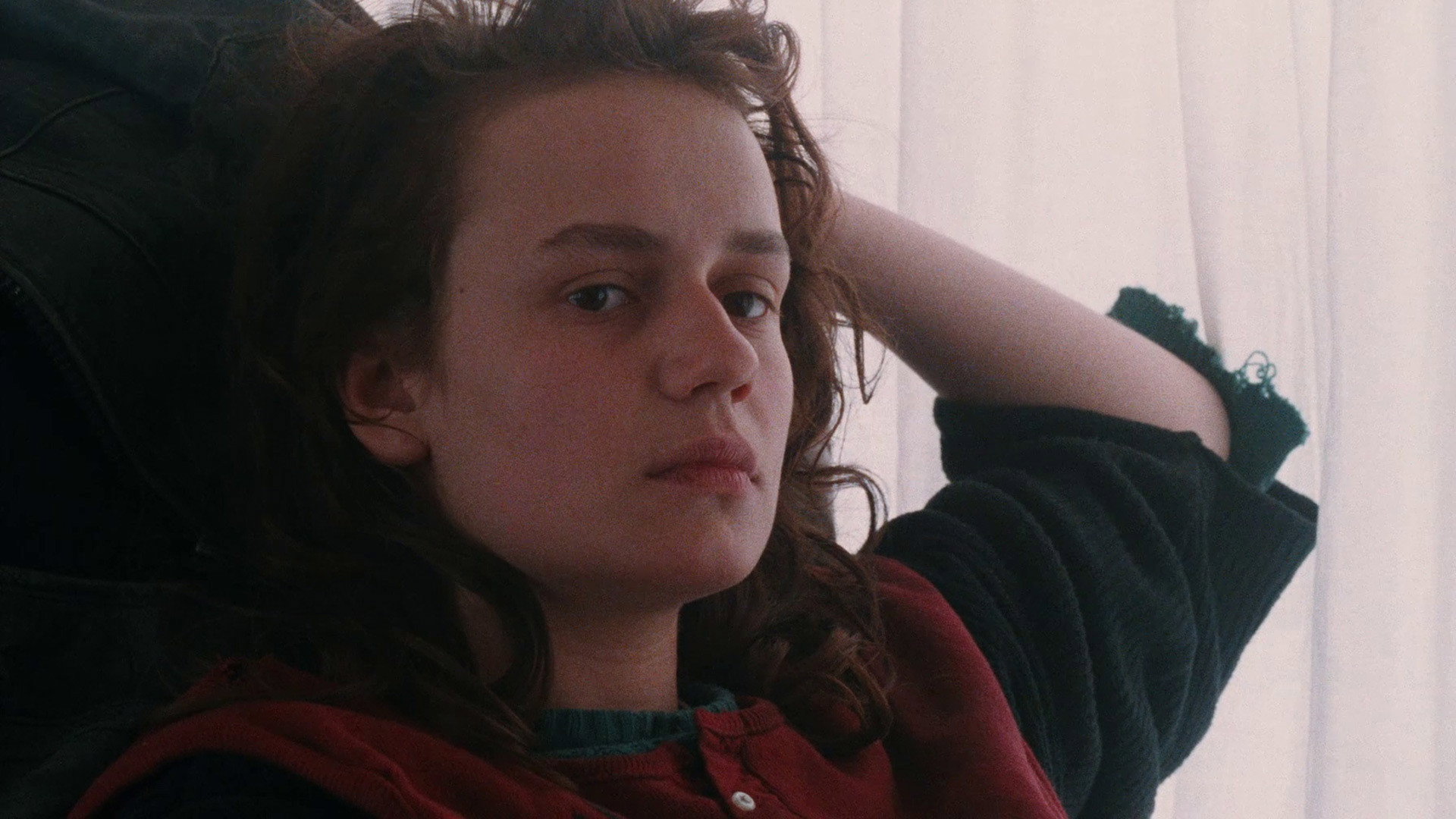
Sandrine Bonnaire carries the film by resisting the urge to make Mona pleasant company. Her performance gives us someone physically present and difficult to like, without the helpful signals that usually tell us where a character’s goodness has been hidden. We felt ashamed of how quickly we wanted Mona to become easier company. Watching her alongside the witnesses’ attempts to account for her, we recognised the same impatience in ourselves: we wanted an explanation that would make caring about her simpler.
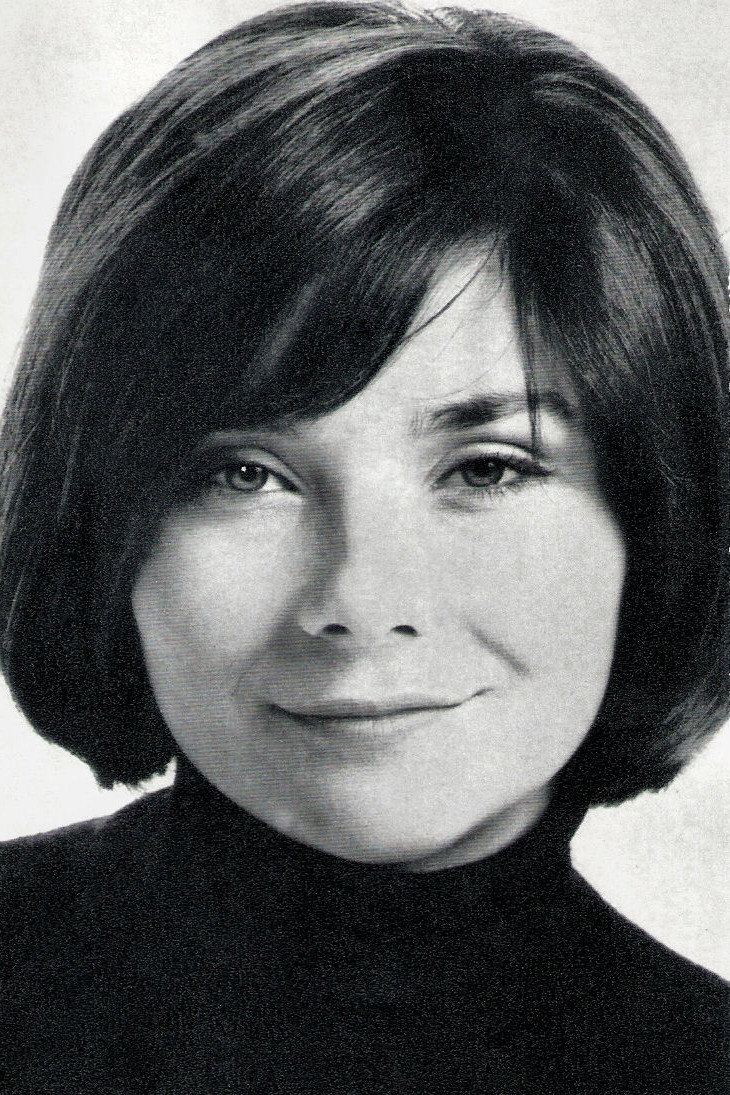
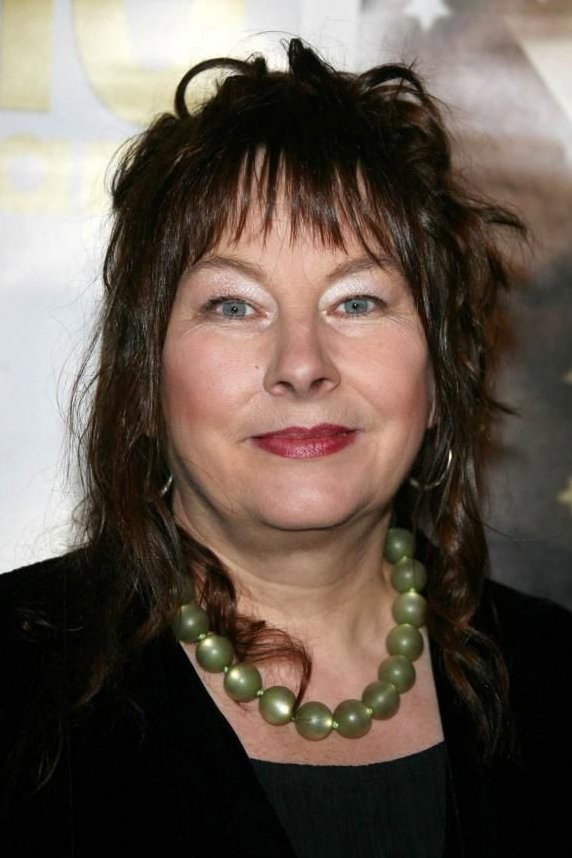
The editing by Patricia Mazuy and Agnès Varda is central to that effect. Moving between Mona and the people who remember her, it repeatedly interrupts the possibility of settling into one person’s account. The testimony has the apparent usefulness of documentary evidence, but each return to Mona reminds us how much a speaker cannot supply. We are allowed to compare impressions, and the gaps remain there for us to notice rather than being filled by an authoritative voice.
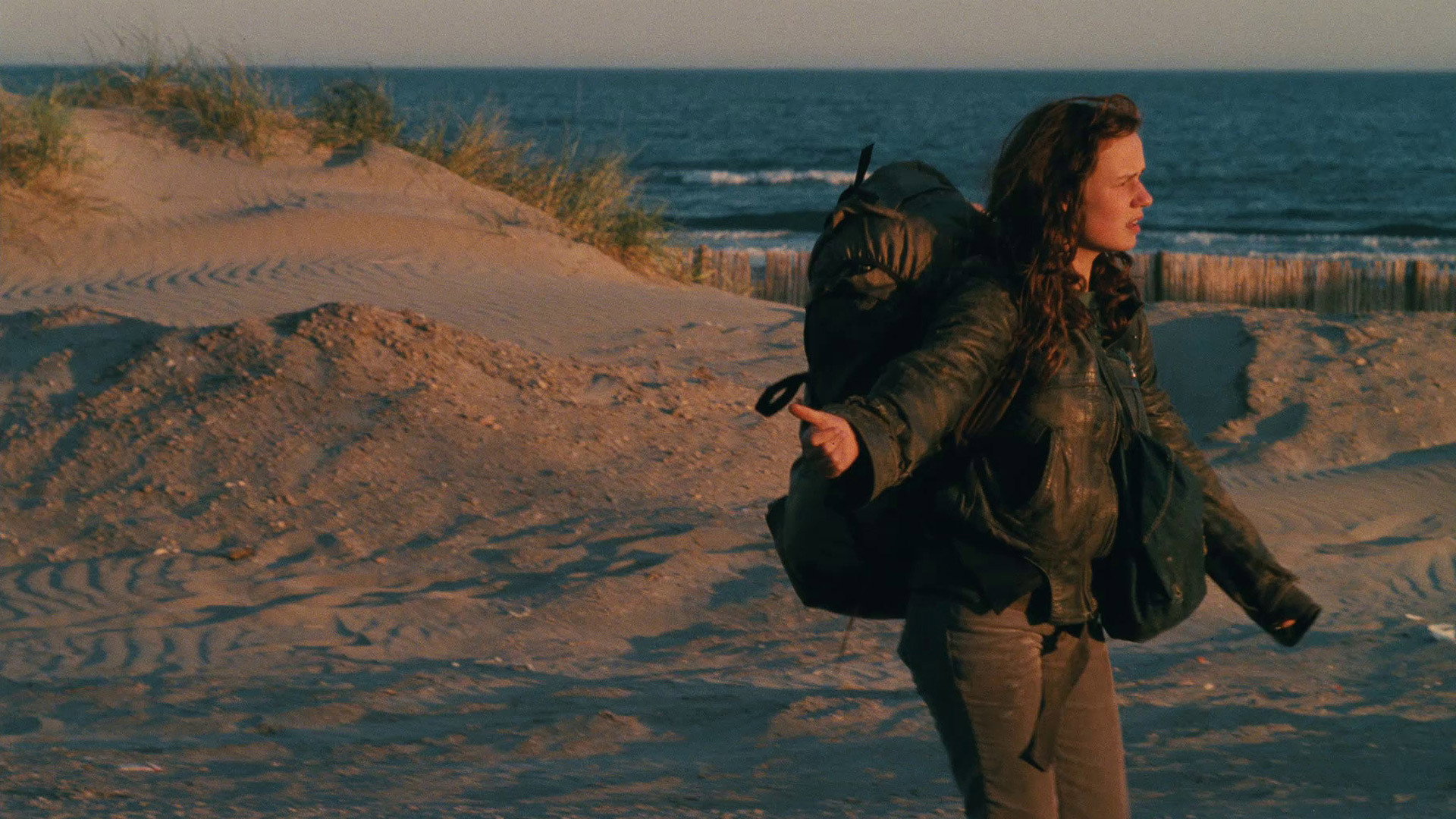
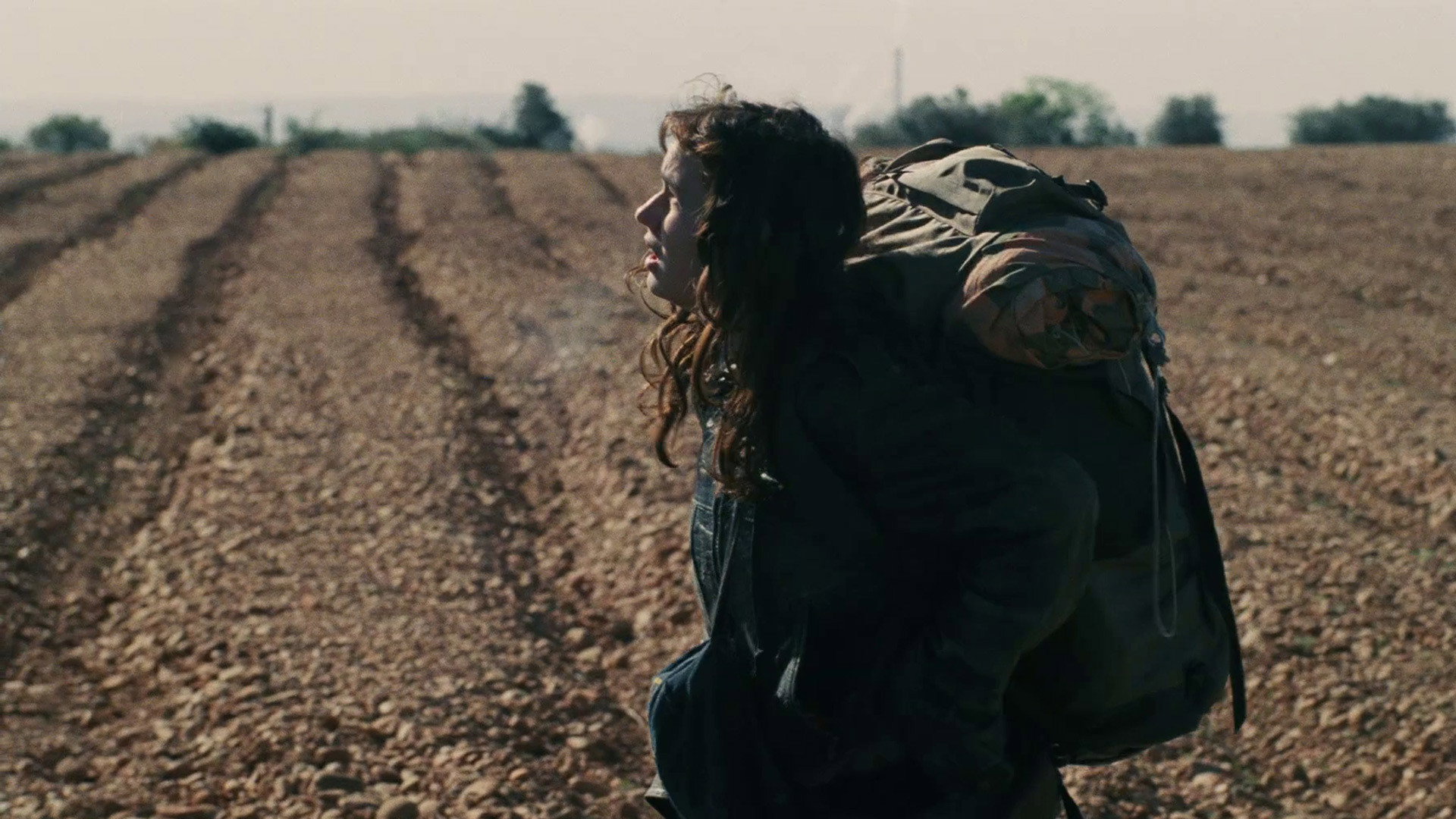
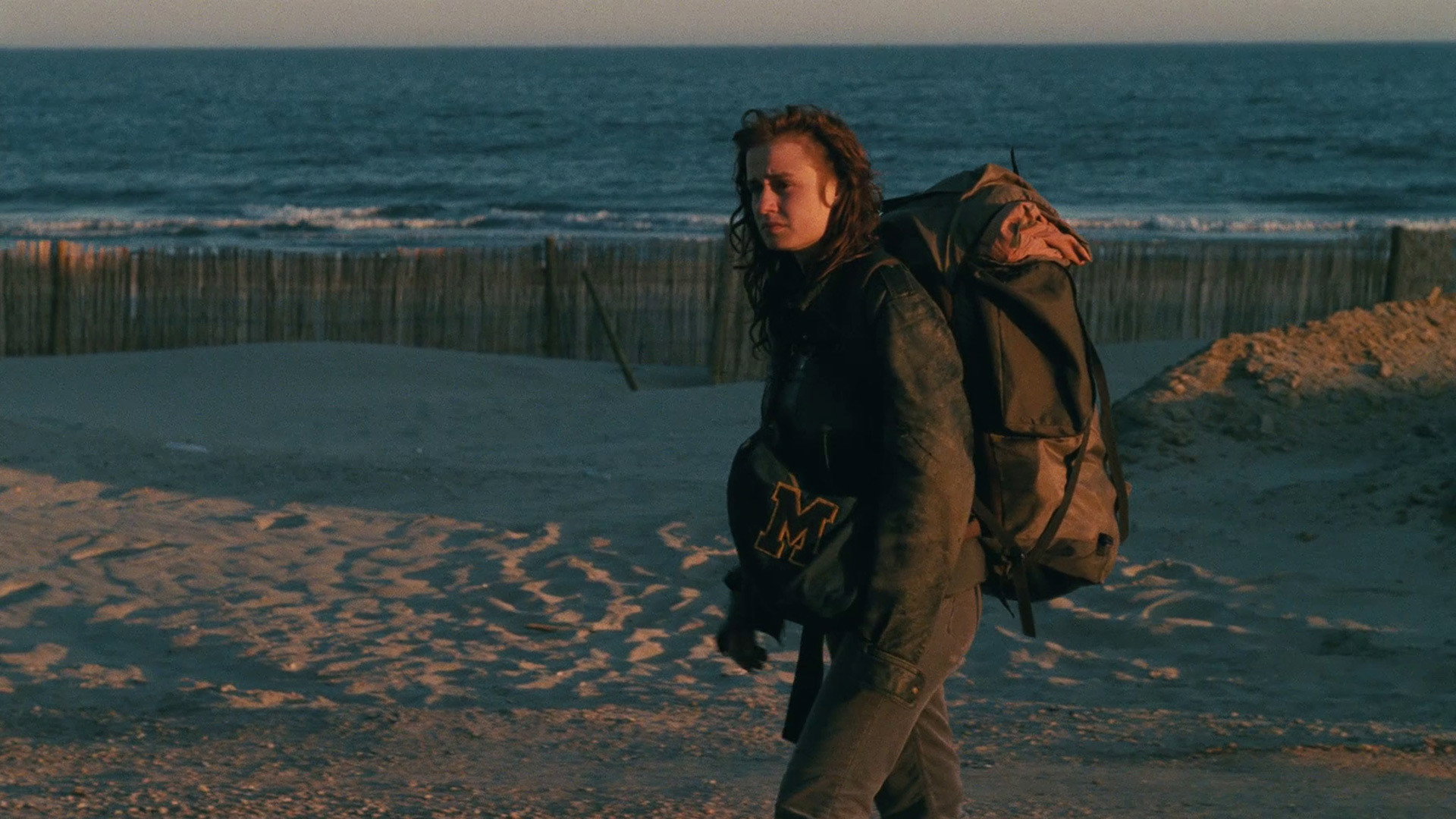
Patrick Blossier’s cinematography keeps Mona physically present within this fragmented storytelling, and the carefully composed images never make her an attractive emblem of escape. We keep having to look at the particular woman whom everyone is discussing. The production design by Jean Bauer and Anne Violet helps make her surroundings credible, so the witnesses never become our only source of information. We found little comfort in Joanna Bruzdowicz’s music, which feels right for a film that makes independence look so difficult. None of this care makes Mona’s life inviting.
There are moments when the sequence of witnesses feels too carefully arranged. Another account can seem to be proving again that nobody has the whole story, a point the film has already made clear. The recurring invitation to reassess Mona briefly becomes predictable, and we become conscious of being asked to correct our assumptions once more. This is a small limitation, but it matters because the film otherwise leaves us so much freedom to respond, including the freedom to find its central character exasperating.
Films about people on the margins often make life easier for the audience by giving the central character a compensating charm. Agnès Varda leaves Mona’s difficult behaviour alone, which is the right decision. At 106 minutes, Vagabond leaves us with an unusual amount to turn over, particularly the confidence with which its witnesses describe someone they have known only through passing encounters. Watch it when you have the patience to stay with someone who will not help you like her.