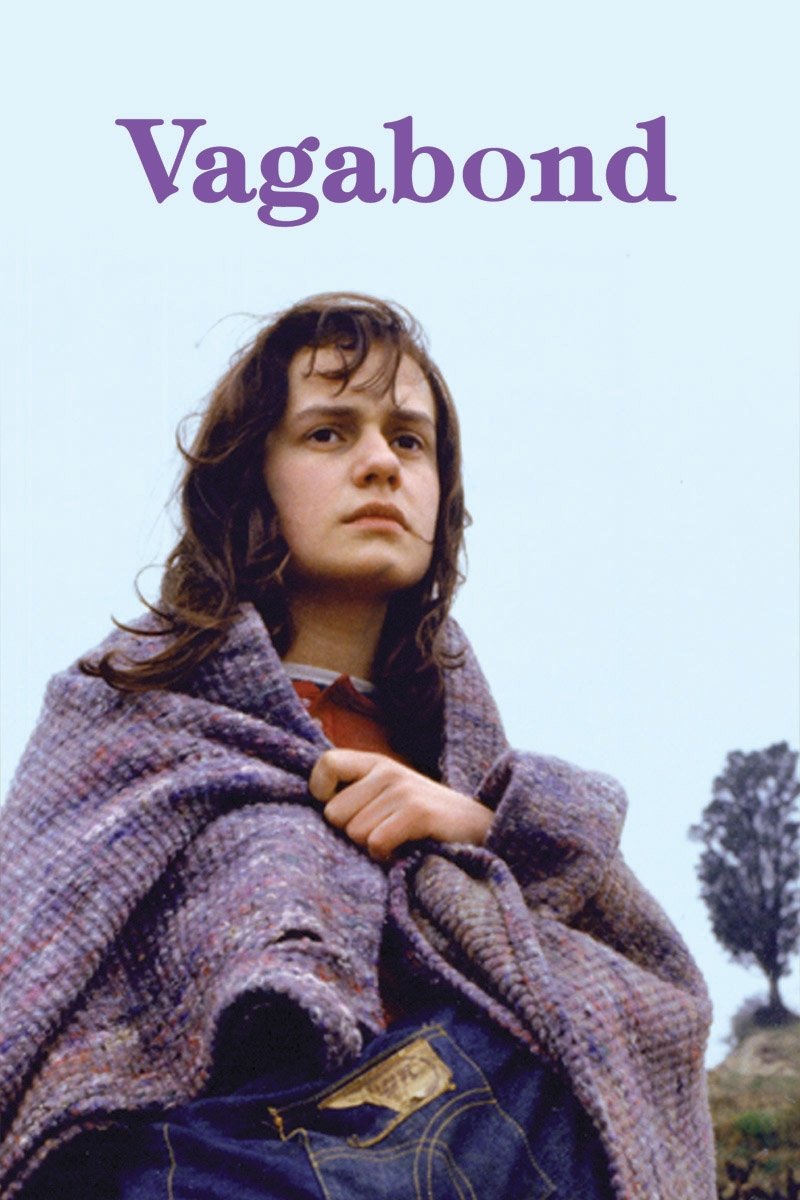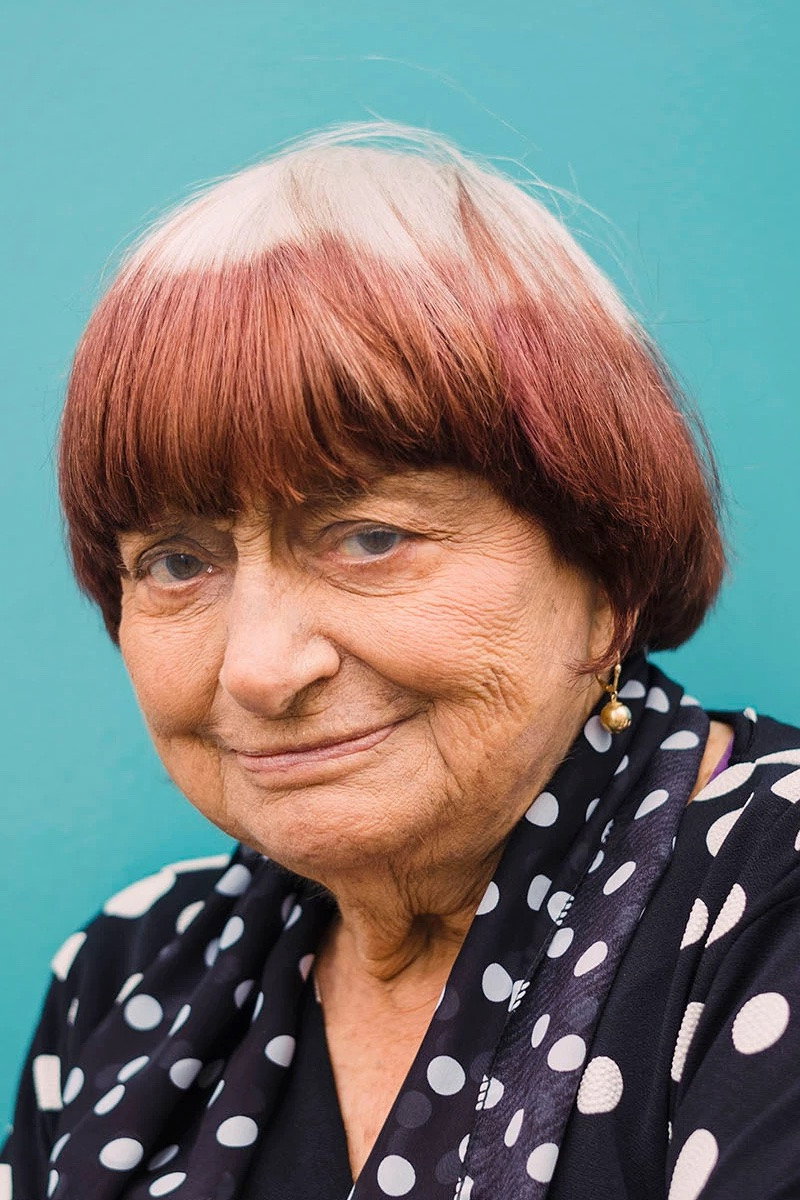
Agnès Varda’s curiosity about other people is matched by her reluctance to explain them. It makes Vagabond deeply affecting, even when its succession of witnesses looks a little too carefully arranged.
Fi1m perspective
In Vagabond (1985), someone offers an account of Mona Bergeron, and Varda takes us back to the woman herself. Sandrine Bonnaire’s young drifter wants independence and offers little reassurance to anyone hoping to like her. We were moved by Varda’s willingness to stay with Mona without asking her to become more agreeable. The people who cross her path have plenty to say, but none is granted the final word on her motives. That leaves us watching her behaviour rather than waiting for someone to explain it away.
That interest in how a story is assembled runs back to La Pointe Courte (1955), her debut, edited by Alain Resnais. It interweaves two stories and came to be recognised as a precursor to the French New Wave. By Cléo from 5 to 7 (1962), she was using real-time observation to follow a singer. These films mix close attention to ordinary life with conspicuous choices about structure. The construction is visible, and sometimes we notice it more than we should.
The witnesses in Vagabond can feel too neatly arranged, each arriving to supply another view of the same woman. Yet Patricia Mazuy and Varda’s editing keeps those accounts from settling into a comfortable explanation. They cut between Mona and the people recalling their encounters with her, so we can compare what is said with what we see. The gaps matter: a passing acquaintance cannot tell us everything about a person. Varda is right to leave Mona’s difficult behaviour alone, even when it makes an encounter uncomfortable to watch.
From the 1990s, Varda turned increasingly towards personal documentaries and essay films. The Gleaners and I (2000) puts gleaning and marginal lives alongside her own filmmaking, making the person behind the camera part of what we are asked to consider. Her attention to everyday objects has a clear place in a film about what people gather. Faces Places (2017), a road-trip documentary made with JR, continues that personal approach. Start with Vagabond, and resist the temptation to decide too quickly what sort of woman Mona is.
Biography
Agnès Varda was a Belgian-born French film director, screenwriter, editor and photographer. Born Arlette Varda on 30 May 1928 in Ixelles, Belgium, she died on 29 March 2019 in Paris. She studied art history and photography, and worked as the official photographer for the Théâtre National Populaire in Paris from 1951 to 1961 before directing her first feature, La Pointe Courte (1955).
Varda became associated with the French New Wave. She wrote, directed and co-edited Vagabond (1985; original title Sans toit ni loi), a drama about a young drifter that won the Golden Lion at the Venice Film Festival. Other notable films include Cléo from 5 to 7 (1962), One Sings, the Other Doesn't (1977), The Gleaners and I (2000) and Faces Places (2017). She was married to director Jacques Demy from 1962 until his death in 1990.