Critics’ reviews

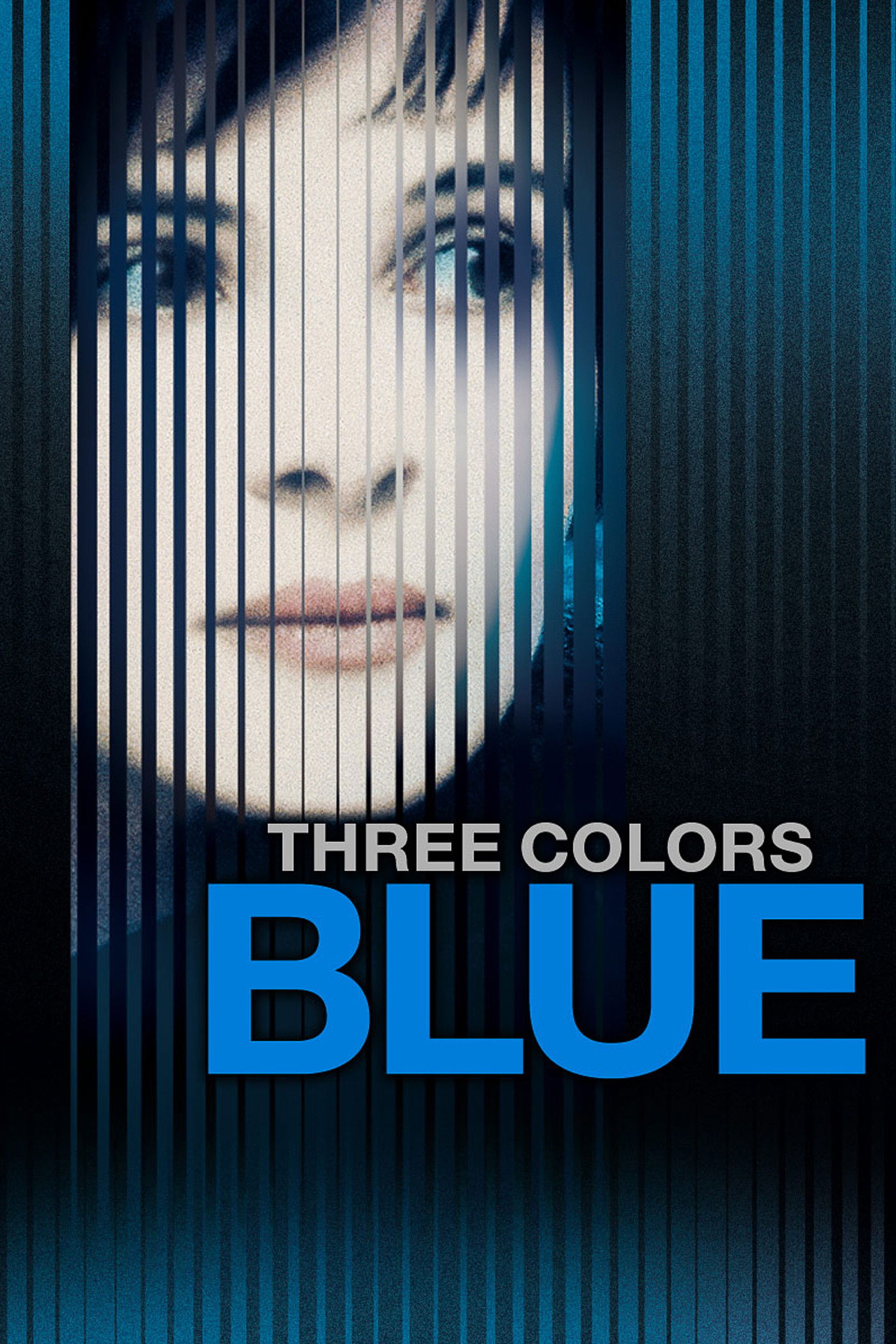
Three Colors: Blue (1993)

10 reviews from 10 publications. Critics’ score 81: 5 positive, 0 mixed, 1 negative.

Back to our review of Three Colors: Blue

81
Positive
5
Mixed
0
Negative
1

Most critics respond warmly to Three Colours: Blue, with praise centring on Binoche’s performance and Kieslowski’s treatment of grief through images and music. The reviews repeatedly describe her acting as intense, sensitive and capable of making a withdrawn woman’s inner life legible. The score receives particular attention for carrying emotion, while the direction’s close observation, unusual camera angles and shifts of focus give the story a force that many find moving without easy moralising.

The disagreement concerns how much emotional connection those techniques allow. Even favourable reviews find the storytelling cryptic or some ideas underexplored. Empire admires the filmmaking despite finding the material pedestrian and Binoche frosty. The Independent offers the clearest dissent, finding the slight story and abstract ideas unengaging, with the visual and musical effects keeping viewers outside the experience. The spread is wide, though enthusiasm clearly predominates.

Radio Times
★★★★★ · David Parkinson
100

Kieslowski's direction is never intrusive as it minutely observes the process of dealing with grief, and his use of the score is inspired. Binoche gives an intense yet sensitive performance as the survivor who cannot give up on life.

Read the full review →
The Times
31 March 2023 · ★★★★★ · Kevin Maher
100

This is the first and best instalment in the trilogy, a near flawless melodrama about the restorative power of grief. The score is extraordinary, the opening crash sequence terrifying, and the final close-up unutterably moving.

Read the full review →
Sight and Sound
· Nick James
85*

The critic praises the film's savage irony and remarkable austerity in depicting a grieving woman's attempt to withdraw from the world. Binoche's performance and the director's visually and aurally dependent aesthetic are singled out.

Read the full review →
Empire
27 January 2006 · Marcus Trower
80*

The film is seen as cryptic with a frosty Binoche performance and pedestrian material, but Kieslowski's use of reflections, focusing techniques, and camera angles gives it a profound, otherworldly quality. It remains a superb arthouse modern classic that still beguiles.

Read the full review →
Time Out
23 April 2015 · GA
80*

The film is an arresting study of individual freedom, with no facile moralising and a lucid examination of a woman's state of mind after tragedy. Binoche delivers her best work to date as the stubborn, enigmatic Julie.

Read the full review →
The Independent
14 October 1993 · Adam Mars-Jones
40*

The critic finds the film's slight story and abstract ideas fail to engage viewers, who remain outside the experience despite the director's subtle personal style. Kieslowski's visual techniques, including dark filters, blurring effects, and music ellipses, create an atmospheric echo chamber but ultimately feel dull and theoretical.

Read the full review →
Los Angeles Times
8 December 1993 · Kenneth Turan

The review highlights the film's virtuosity in conveying an emotional story of loss and reconnection through focused acting, unexpected images, and strong music that acts as emotional punctuation. It singles out Binoche's intense performance and the subjective cinematography for praise while noting the daring exploration of spiritual states.

Read the full review →
The Guardian
14 October 1993 · Derek Malcolm

The film is a major work and brilliantly fashioned tale, though something is missing compared to the director's earlier Polish-set films. Binoche delivers a deeper and stronger performance than before, and the emotional power of the filmmaking, especially the crash sequence, is striking.

Read the full review →
The New York Times
4 December 1993 · Vincent Canby

The critic views the film as a lyrically studied, solemn consideration of a woman's attempt to liberate herself from sorrow after tragedy, examining individual liberty rather than political concepts. It praises the deep-dish endeavor but notes that certain emotional and plot elements remain underexplored.

Read the full review →
Variety
14 September 1993 · festival review · Lisa Nesselson

The critic finds the film falls short of the mystical perfection of Kieslowski's 'The Decalogue' but boasts a riveting central performance by Juliette Binoche. It praises the music as a character in its own right and the bold final sequence, while noting diluted French characters compared to Polish ones.

Read the full review →

Ordered by the weight we give each publication, then by score. Scores are normalised to 100; * means inferred from an unrated review. Summaries are ours, not quotations; follow the links for the reviews themselves. How we rate