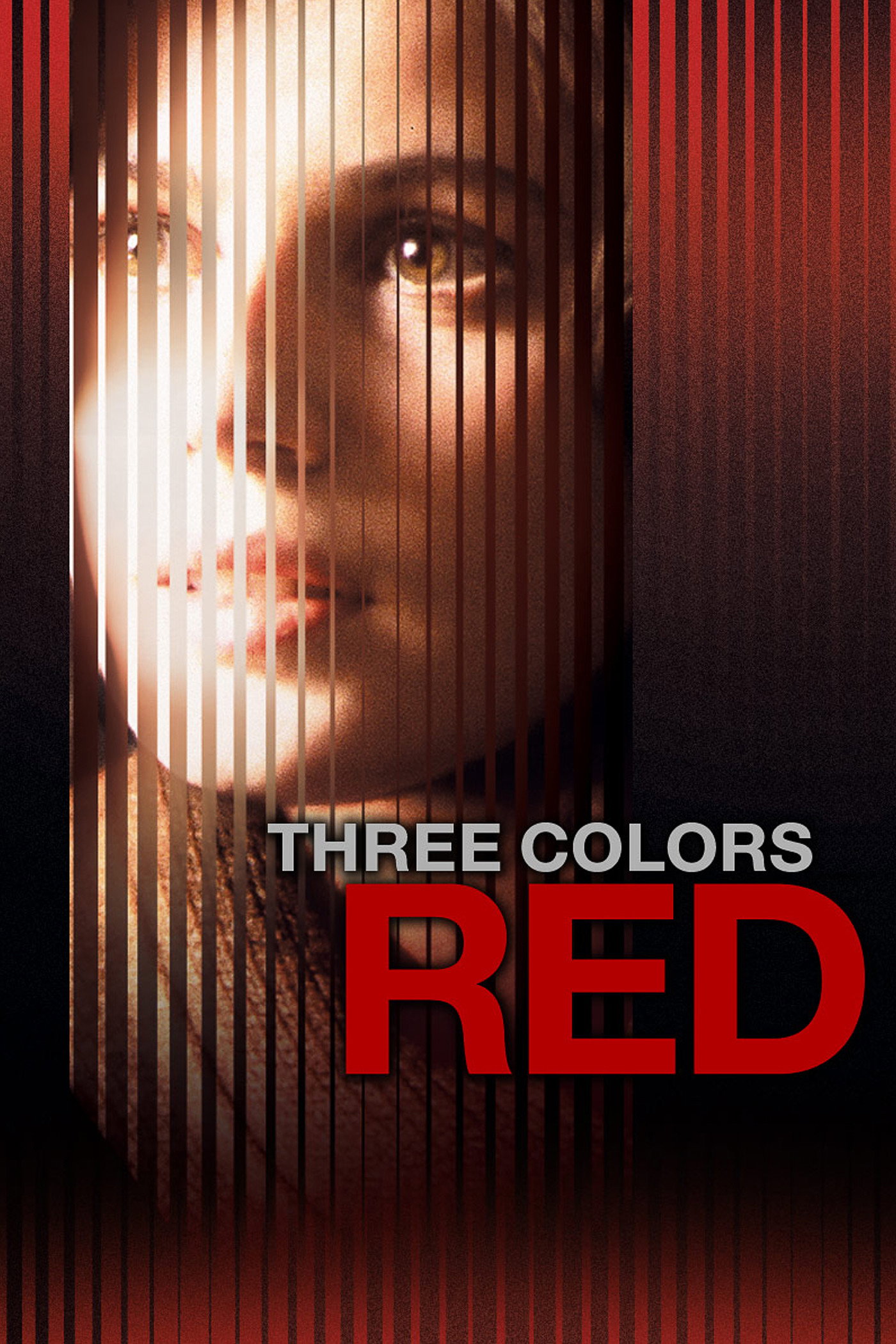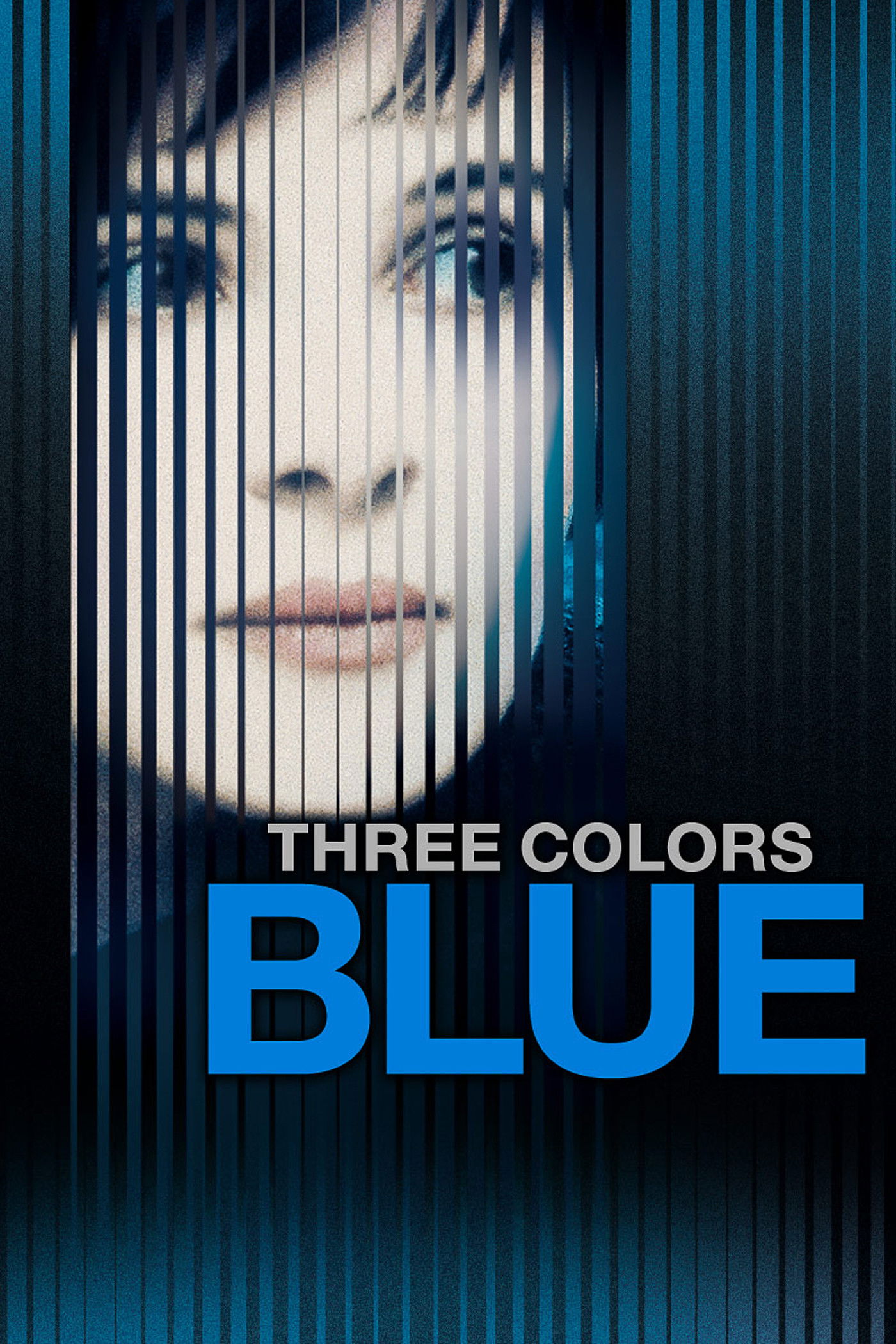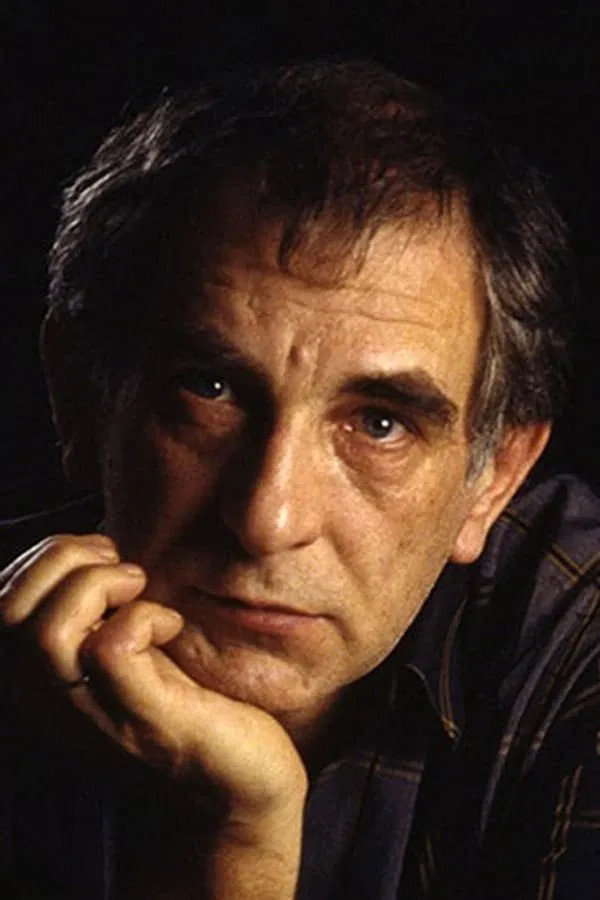
Krzysztof Kieślowski takes ordinary people's difficult choices seriously, without always making them easier to understand. We value that patience, especially in Three Colours: Blue, though his music and images can tell us too firmly what to feel.
Fi1m perspective
In Three Colours: Blue (1993), Juliette Binoche's Julie keeps other people at a distance, and Kieślowski does not hurry her into being agreeable. We were frightened by the opening crash because its violence arrived before we had settled into watching. That shock makes Julie's subsequent reserve feel like an effort we can understand, however little she explains herself. Kieślowski gives a guarded face time to hold our attention, and Binoche makes that trust worthwhile.
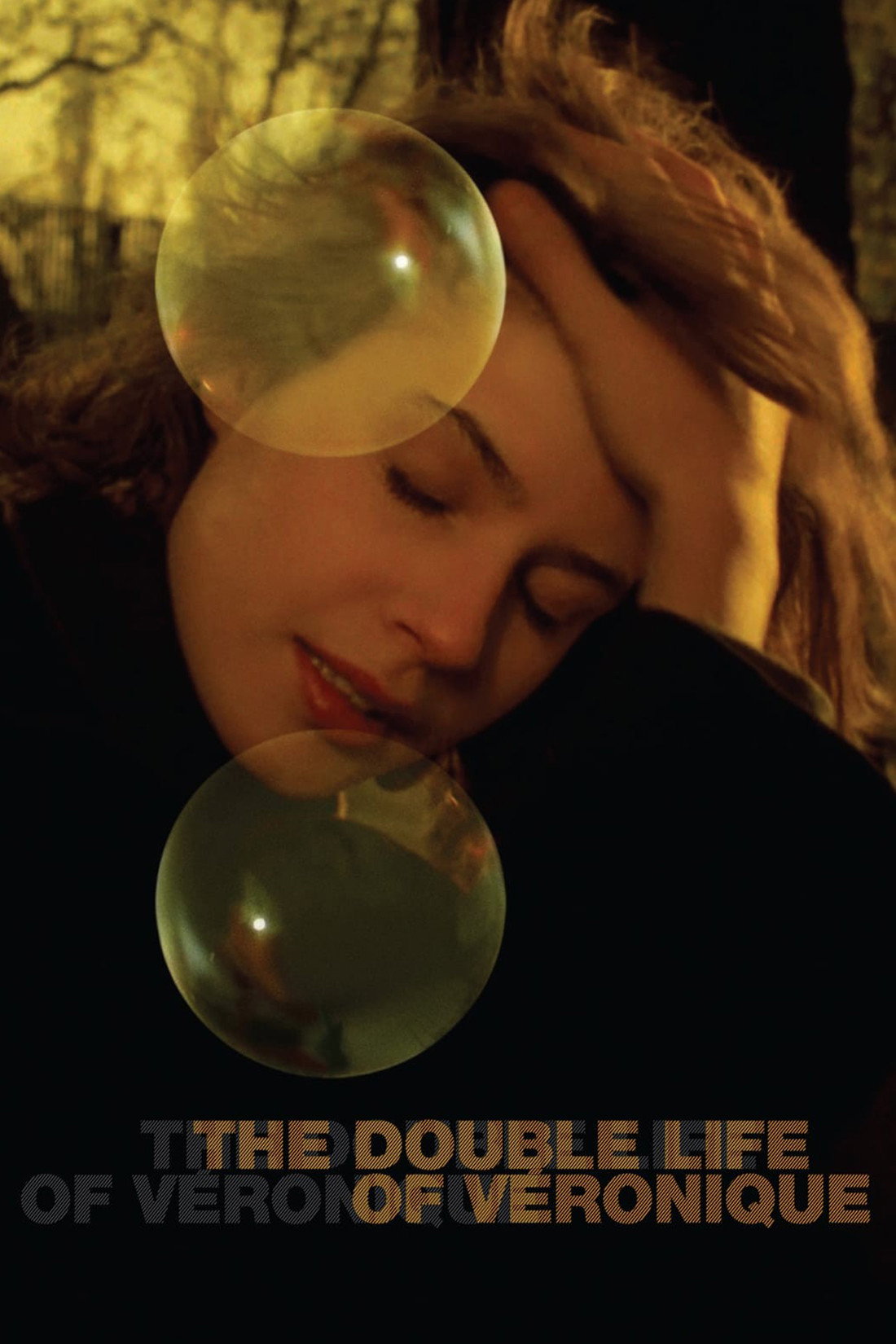
His move from documentaries into fiction did not end his interest in ordinary behaviour. Camera Buff (1979) examines the consequences of filming everyday life; the ten-part television series Decalogue (1988–89) puts moral conflicts into individual stories. With the international co-productions The Double Life of Véronique (1991) and the Three Colours trilogy (1993–94), coincidence and connections between lives become more prominent. These are sizeable questions, but a person trying to decide what to do remains a better starting point than a speech explaining the theme.
Screenwriter Krzysztof Piesiewicz became a regular collaborator from 1985, and co-wrote Blue. Their account of Julie's wish to withdraw understands why freedom from other people might be tempting. The director's recurring collaborators also include cinematographer Sławomir Idziak and composer Zbigniew Preisner. Image and music matter enormously to this cinema, but in Blue they sometimes press harder than Binoche's performance needs.
The control can be excessive. Claude Lenoir's restrained production design for Blue keeps our attention on Julie, yet the surroundings sometimes seem too neatly arranged. Supporting characters are given less weight than Julie, and can seem to have been sent in principally to test her determination. For a director concerned with the difficulty of living among others, that is a limitation worth noticing.
Kieślowski is worth the solemnity because he does not require Julie to become wiser for our benefit. The film lets her wish for solitude remain understandable, even when her behaviour offers little comfort to anyone else. Begin with Blue for Binoche, and give her silences as much attention as the score.
Biography
Krzysztof Kieślowski was a Polish film director and screenwriter. Born in Warsaw in 1941, he graduated from the Łódź Film School and began his career with documentaries before moving to features.
He is known internationally for the television series Dekalog (1989), The Double Life of Véronique (1991) and the Three Colours trilogy (1993–1994). Kieślowski received numerous awards, including the Golden Lion at the Venice Film Festival for Three Colours: Blue (1993) and Academy Award nominations for best director and best original screenplay for Three Colours: Red (1994). He died in Warsaw in 1996.