Krzysztof Kieślowski makes a sly, funny comedy about marital failure and getting even. Zbigniew Zamachowski earns our affection without making Karol admirable, though Julie Delpy is given too little room to make Dominique equally convincing.
For Krzysztof Kieślowski, a comedy about equality begins with the awkward question of who thinks they have been cheated. Three Colours: White follows marital misery into a rags-to-riches revenge story, and it is good, sourly funny company. Its sympathy for Karol Karol survives behaviour that a kinder comedy might tidy away. The weakness is the marriage: we are given much more help understanding the husband’s hurt than the woman involved.
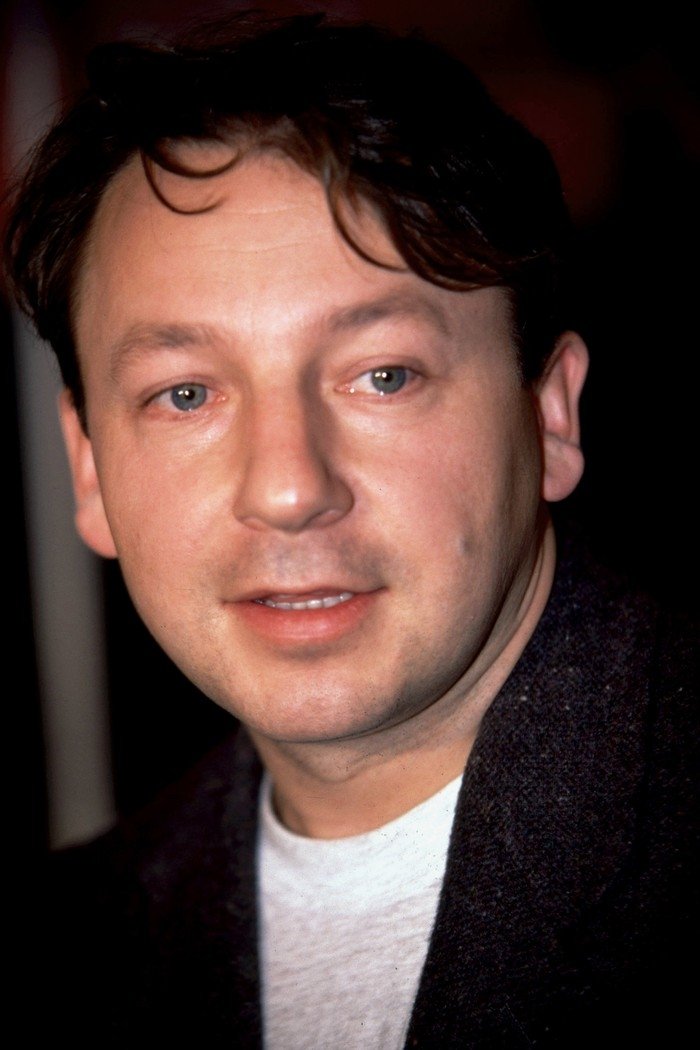
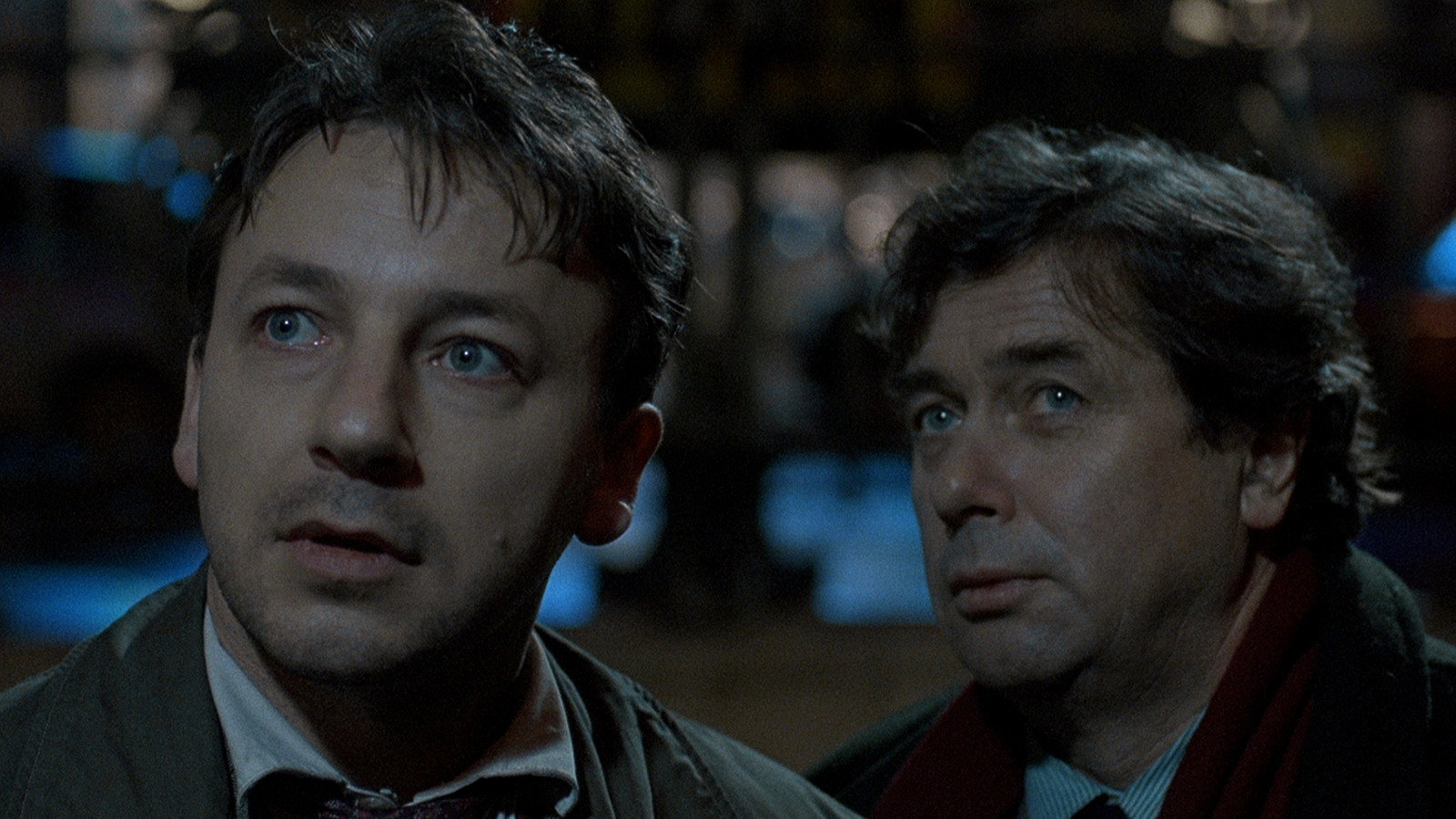
Zbigniew Zamachowski is the reason that sympathy lasts. His Karol seems slow to grasp what is happening to him, and the performance makes his growing resourcefulness both pleasing and faintly worrying. We laughed at his bewilderment, then felt mean for laughing. Zamachowski gives Karol enough wounded dignity to make the joke uncomfortable, without asking us to stop enjoying it.
The screenplay, by Kieślowski and Krzysztof Piesiewicz, finds a useful setting for these grievances in post-Communist Poland. Money offers a way of measuring who has come out ahead, which is convenient for a man who wants his private misery settled. The satire works because getting rich remains attractive even as the business of doing so looks grubby. We can understand the temptation without needing the film to explain that capitalism encourages bad behaviour. Occasionally its ideas about equality press too hard on the comedy, and the joke begins to feel like an example prepared for a lecture.
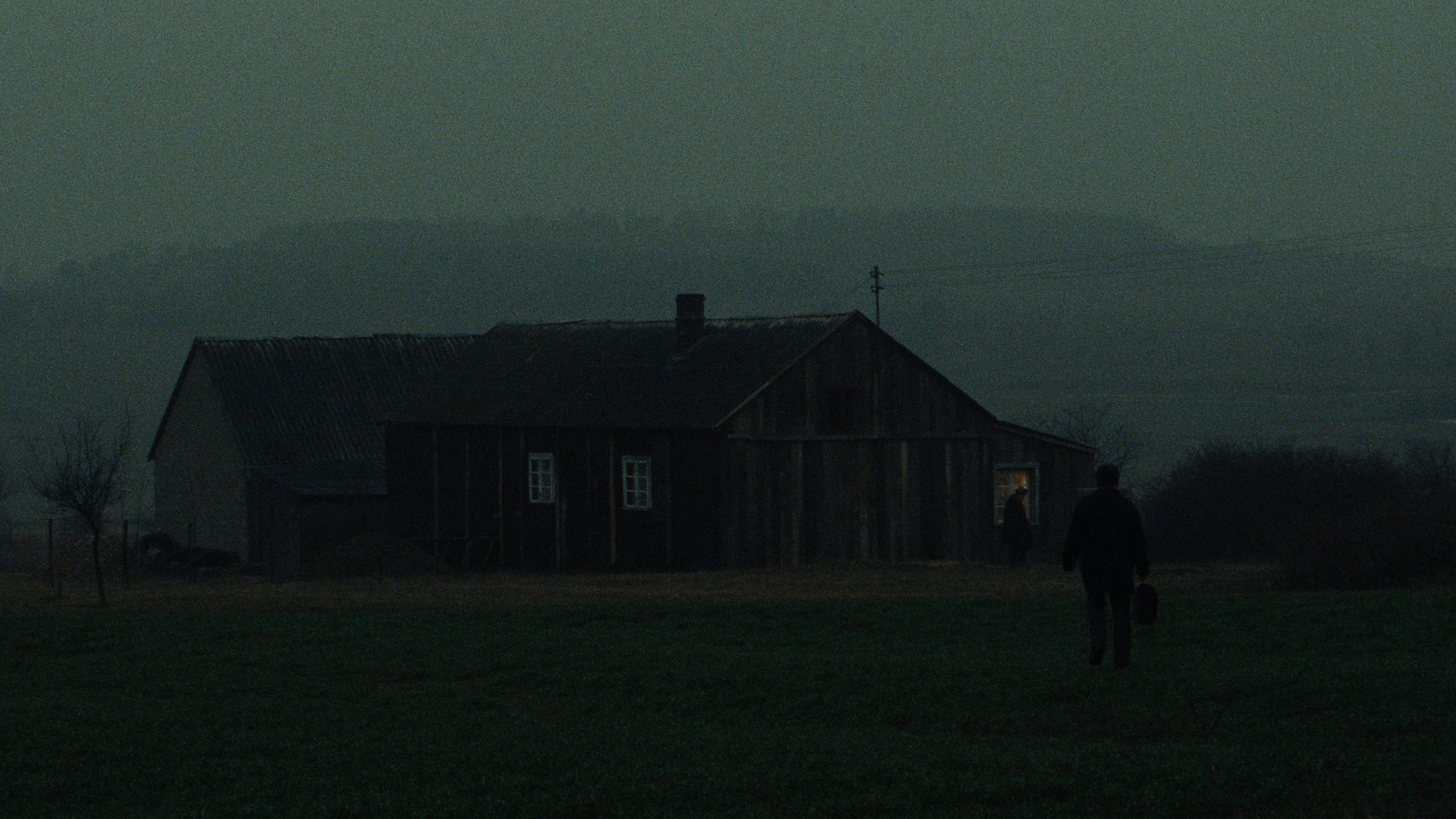
Edward Kłosiński’s cinematography gives Warsaw a persuasive life beyond Karol’s grievances. The production design by Claude Lenoir and Halina Dobrowolska helps here too: the Polish setting makes the pursuit of prosperity feel like ordinary business, rather than a special vice invented for the hero. Their work keeps the satire from becoming too tidy. This is a society in which other people are also busy trying to get ahead.
Urszula Lesiak’s editing is particularly effective when the film makes its point quickly, through a sharp change of mood. She gives the individual episodes their bite, although the move between black comedy and love story is not always comfortable. Zbigniew Preisner’s music helps hold those moods together without making Karol’s troubles seem grander than they are. At 92 minutes, the film is brisk enough for its oddities to remain interesting, rather than becoming a test of patience.
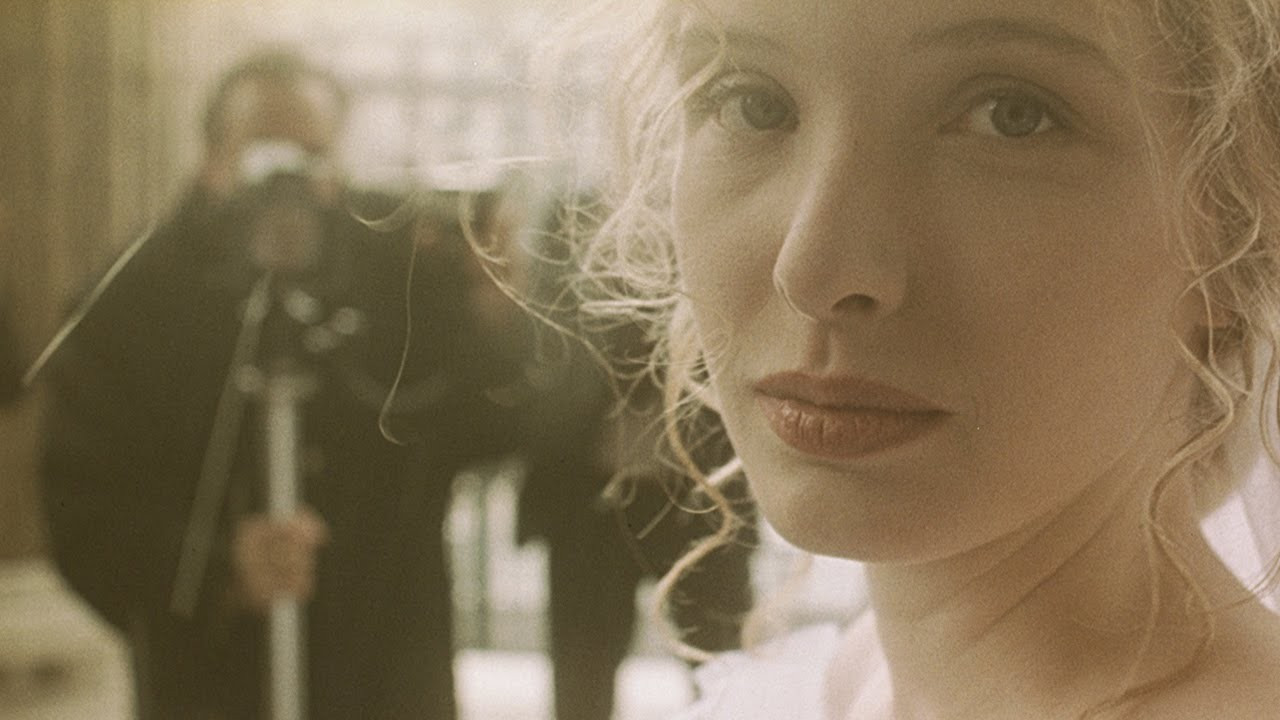
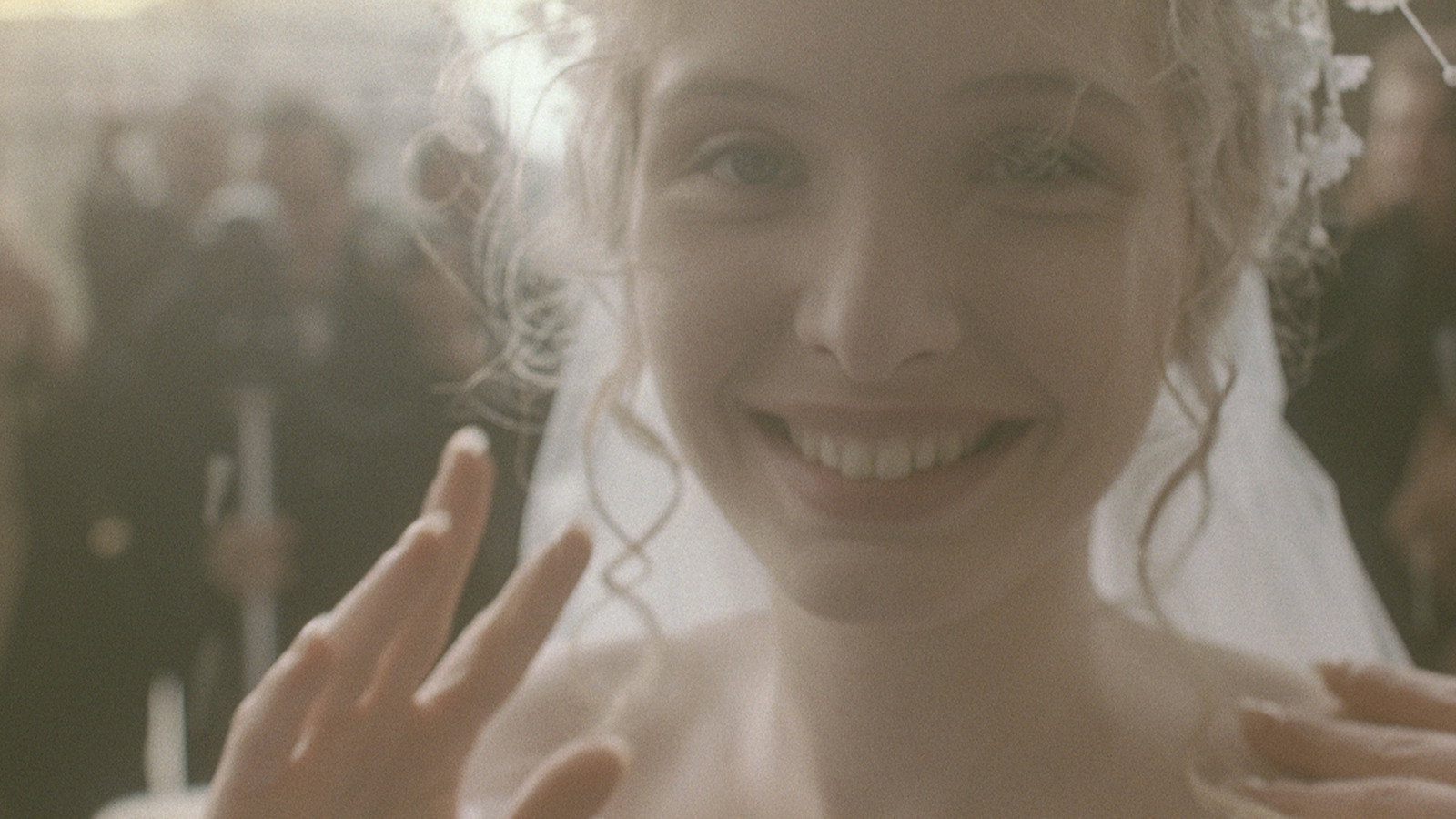
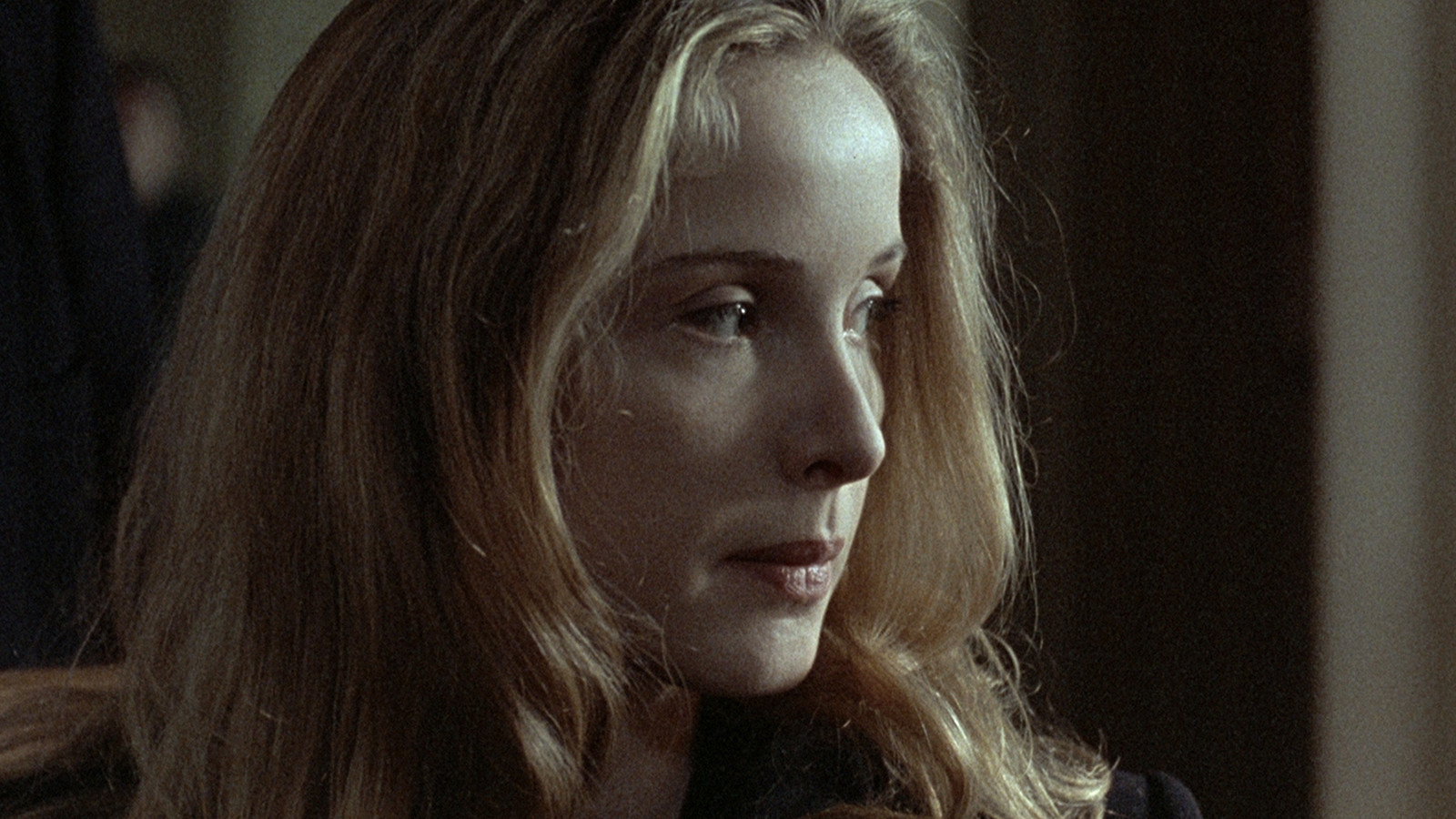
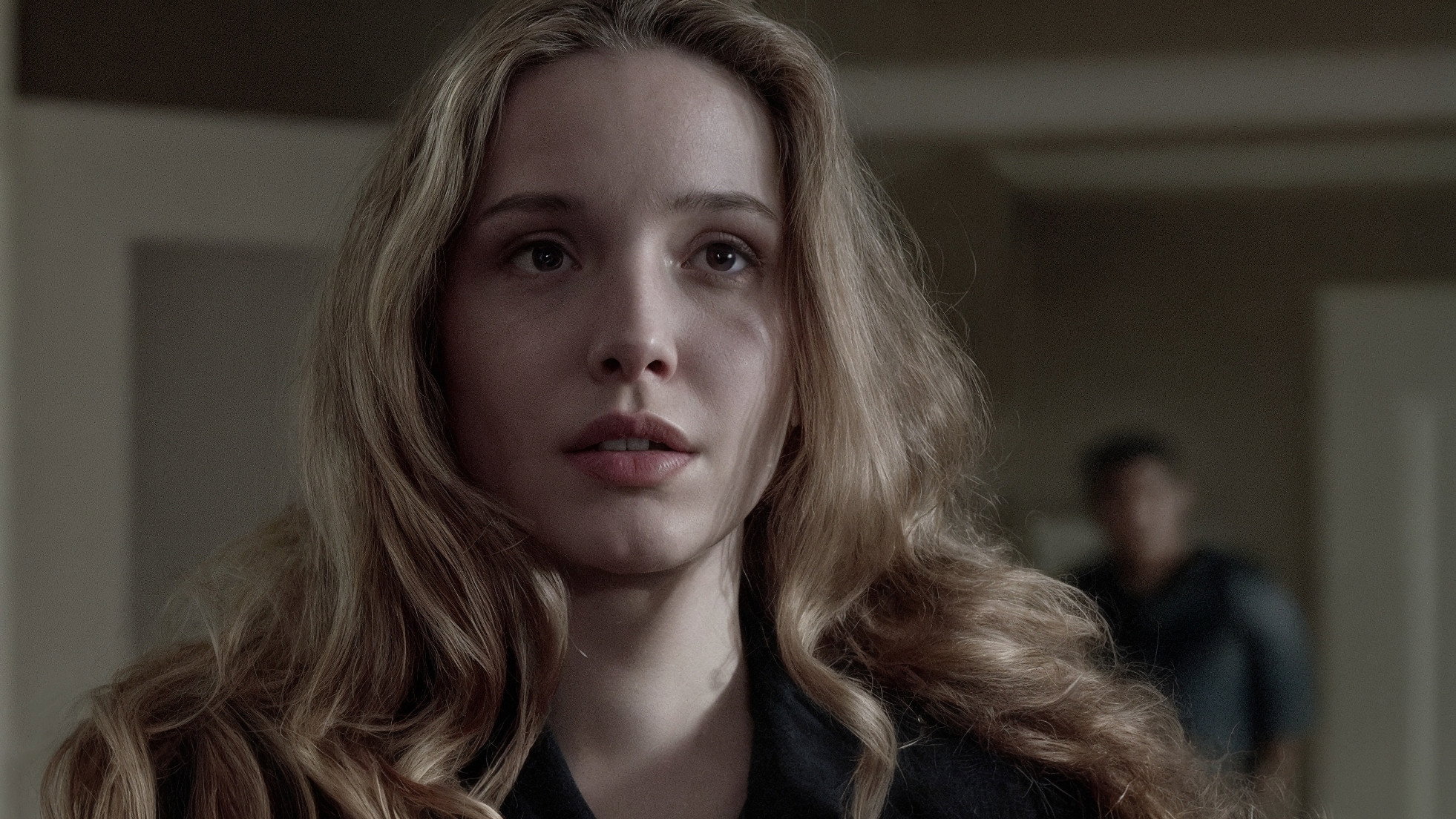
Julie Delpy has the harder task as Dominique. The writing leaves her less fully imagined than Karol, and the balance does not improve simply because we understand that he cannot see her clearly. Delpy gives the character a firmness that the film needs, but too much of the love story depends on accepting her importance to him. We wanted more sense of what she wanted for herself. That omission matters in a film so interested in the damage people do when they think they deserve more.
As the second film in Kieślowski’s trilogy, Three Colours: White is often described as the slight one. That undersells how awkward its humour can be, and how little satisfaction it takes in anyone’s humiliation. There is enough affection here to distinguish it from a revenge comedy that merely invites applause for the revenge. Choose it when dry jokes and compromised people sound more appealing than a reassuring love story.