Film review

Decalogue V

1989 · Directed by Krzysztof Kieślowski · 57m

In a sentenceFifty-seven minutes of sickly yellow light, followed by a silence we were in no hurry to fill

DramaTV MovieCrime

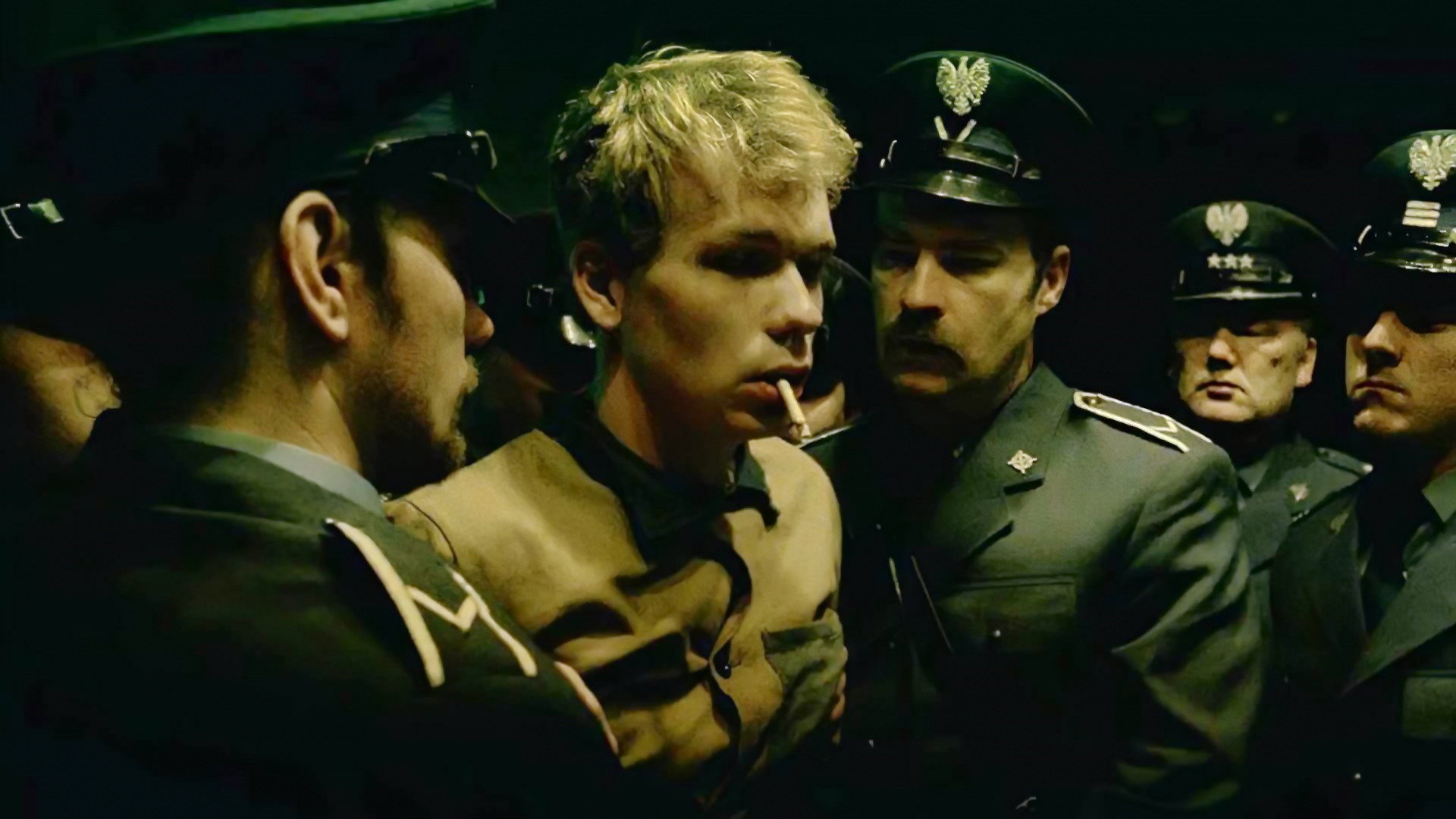
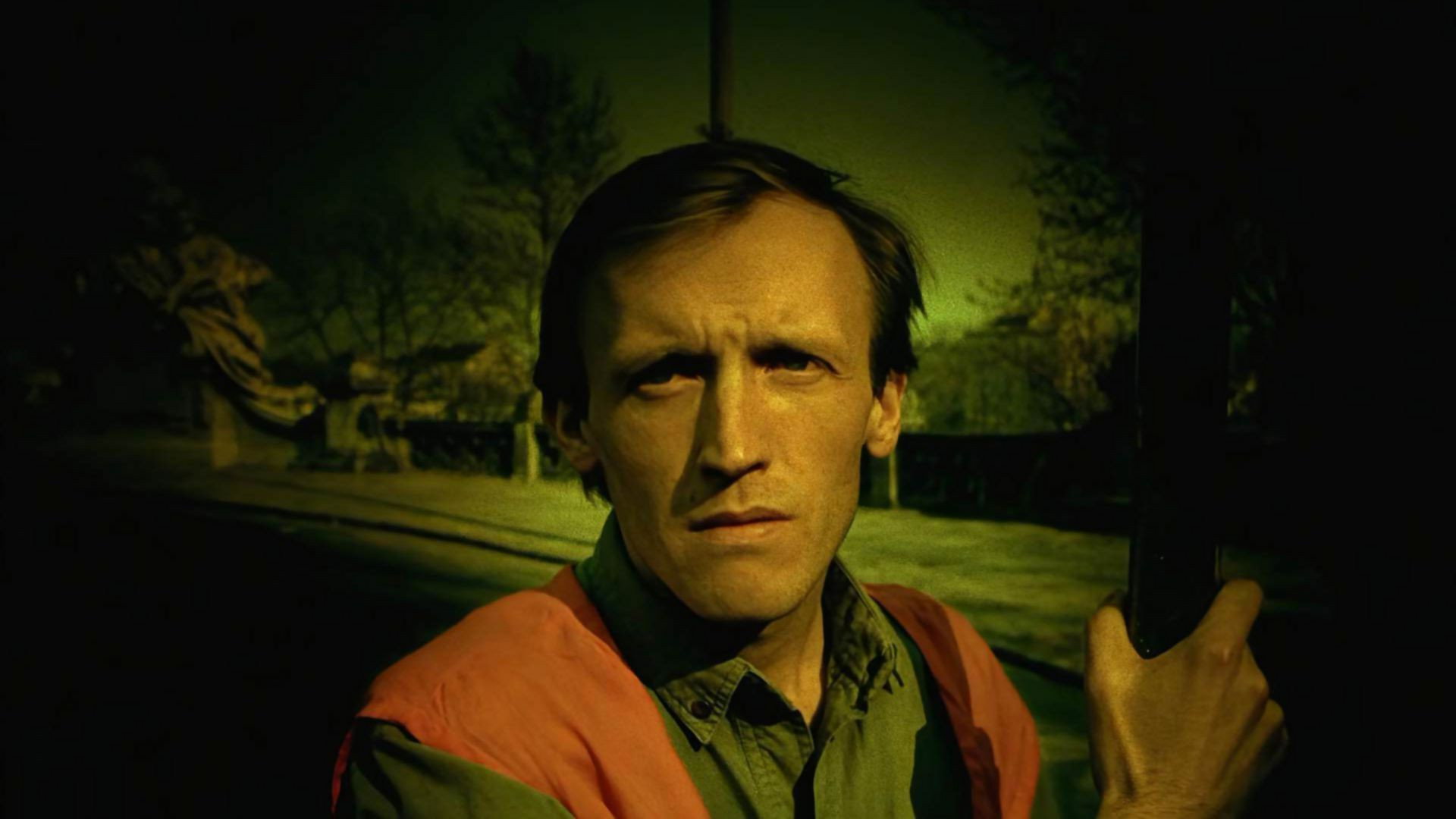
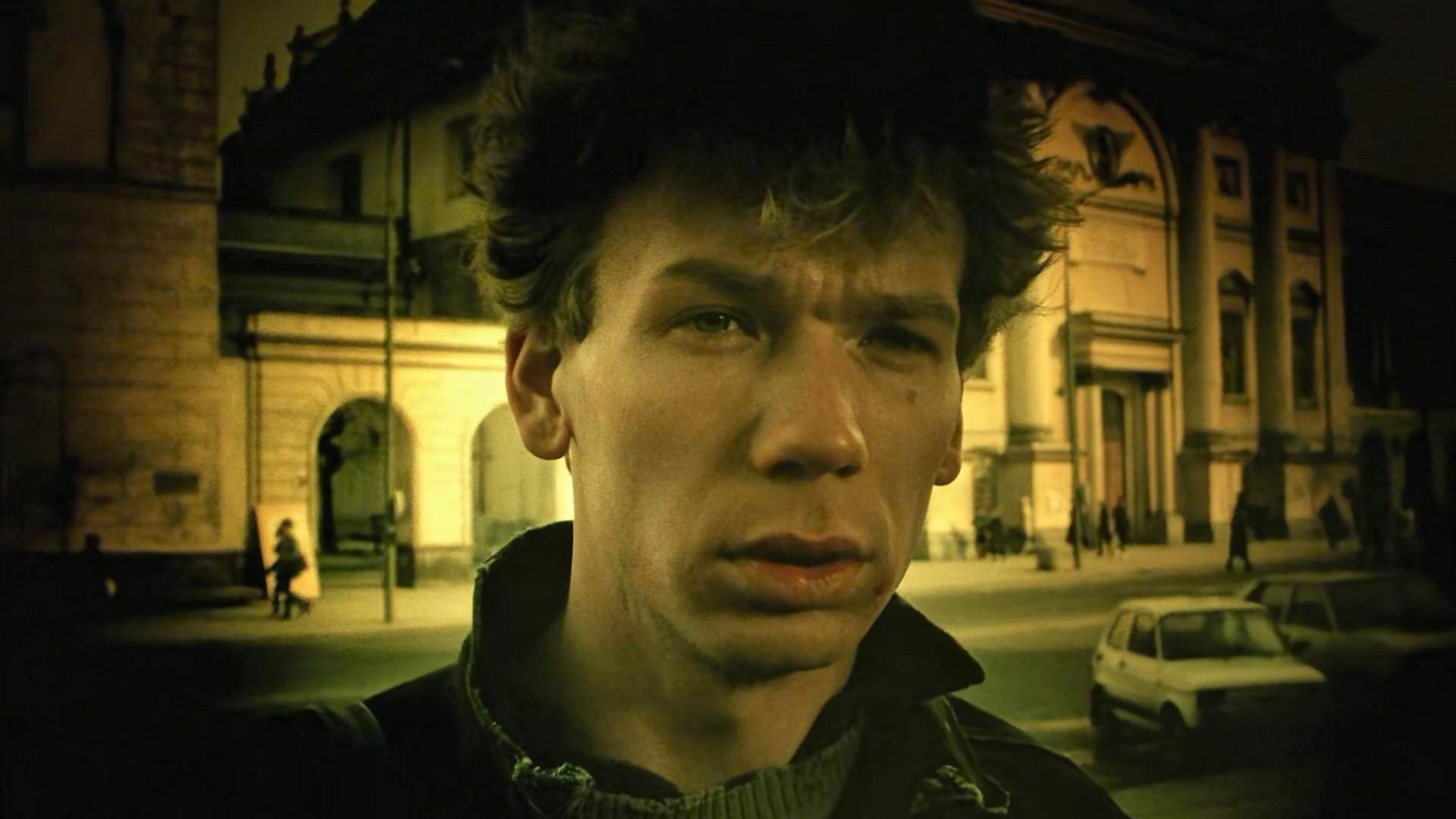
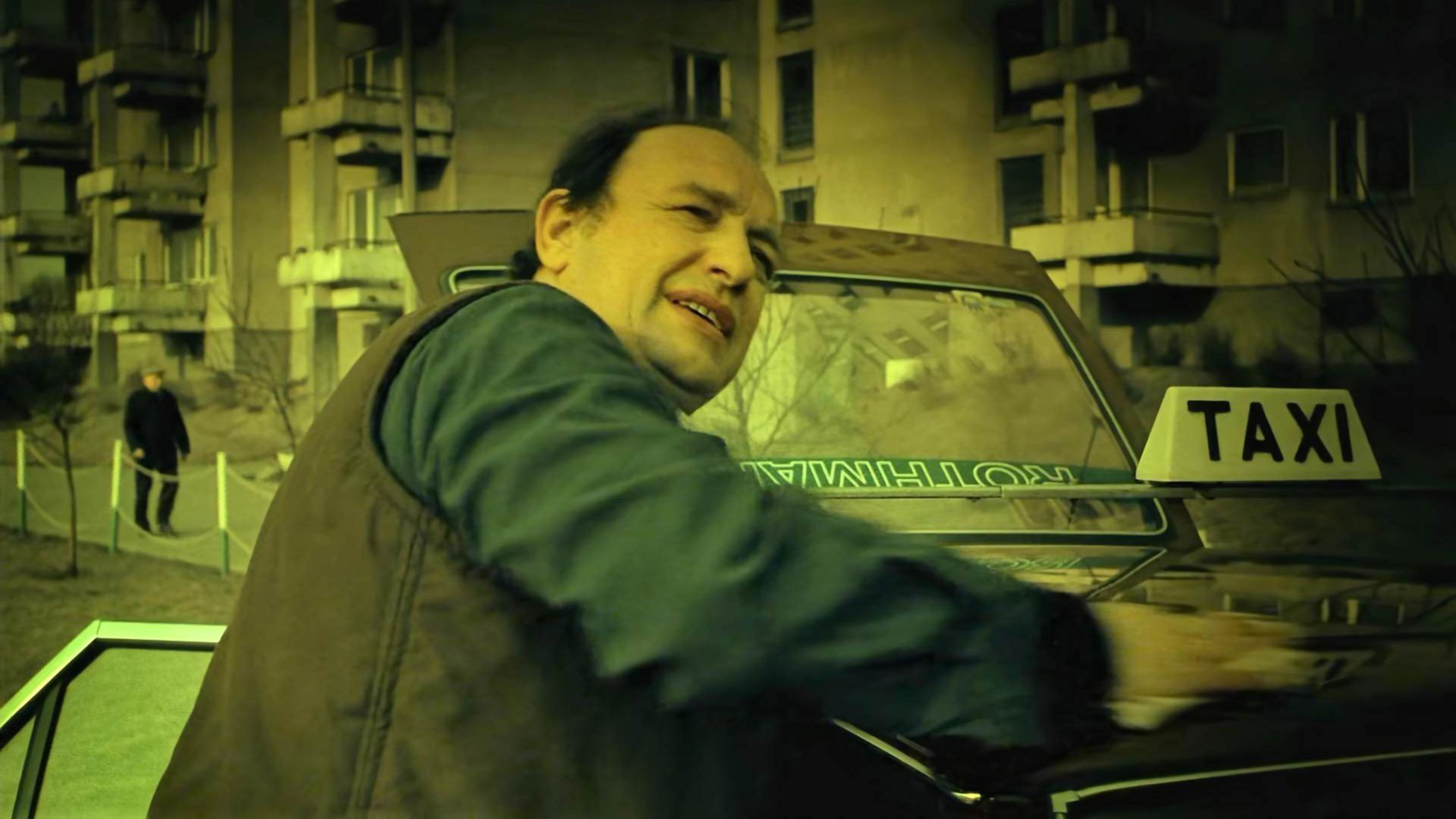
In late-communist Poland, Jacek Łazar (Mirosław Baka), a young man whose motives remain unexplained, approaches an encounter with taxi driver Waldemar Rekowski (Jan Tesarz). A young lawyer, Piotr Balicki (Krzysztof Globisz), wants the law to protect human life and opposes the death penalty. His convictions put him at odds with a system that permits capital punishment. The opening places these three men alongside one another before their lives become entangled in a criminal case, bringing the commandment ‘Thou shalt not kill’ to bear on both individual violence and the state’s authority.

Fi1m review

Krzysztof Kieślowski makes a harrowing case against capital punishment without making his central figure easy to pity. The yellow tint can be overbearing, but the acting and the sustained attention to suffering justify the ordeal.

Decalogue V is a powerful, punishing crime drama whose chief weakness is how often it tells us to expect the worst. Krzysztof Kieślowski takes the commandment ‘Thou shalt not kill’ seriously enough to apply it to people we may struggle to care about. A film arguing against capital punishment can make its task easier by giving us someone sympathetic to defend. This one makes that sympathy difficult. It is exacting work, and the distress it causes is largely earned.

The screenplay by Krzysztof Kieślowski and Krzysztof Piesiewicz gives Jacek Łazar little by way of an explanation. Mirosław Baka makes him hard to look away from without inviting us to enjoy his unpleasantness, an important distinction in a crime film. Jan Tesarz gives Waldemar Rekowski, the taxi driver, enough presence to stop him feeling like someone put there simply to prove a point. These performances keep our attention on individual people when the discussion could easily become too general. Krzysztof Globisz plays Piotr Balicki, the young lawyer who opposes the death penalty.

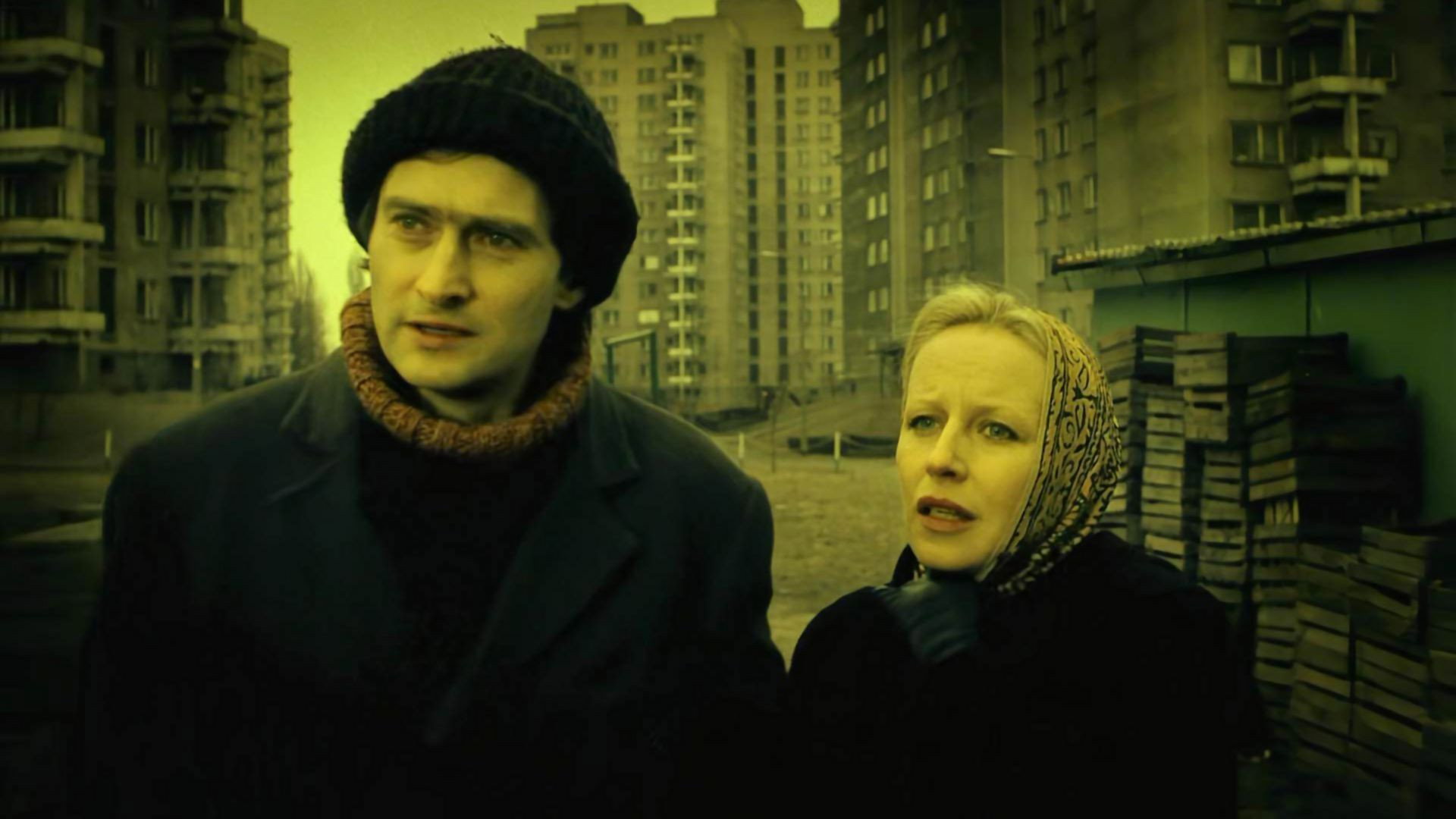
Sławomir Idziak’s cinematography gives the film a sickly yellow tint that makes ordinary surroundings feel unhealthy. It is effective, but we sometimes wanted the colour to stop warning us and let the actors do their work. Halina Dobrowolska’s production design survives this treatment: we still believe people live and work in these places, even when the image seems determined to make them repellent. The trouble is the accumulation of dread before we have had much chance to judge anyone.

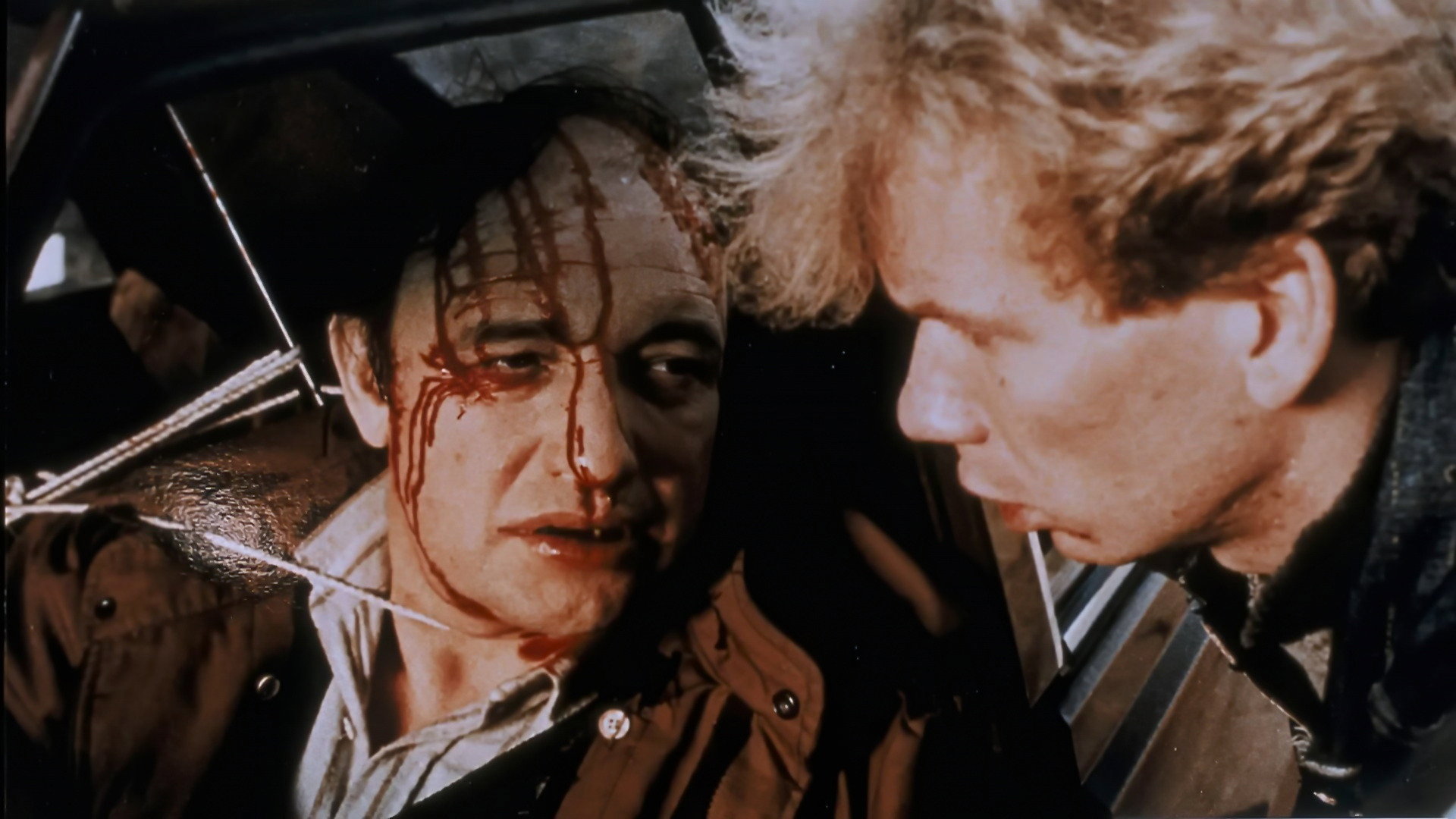
We were horrified by how long the film lets physical violence continue. The extended, graphic passages deny us the relief of a quick move to the next piece of story; the suffering keeps demanding our attention. Ewa Smal’s editing keeps us painfully aware of the time passing. We cannot settle back and treat what happens as a necessary incident on the way to a more interesting investigation. The film spends time on the act itself, and it becomes difficult to think about anything except the person being hurt.

Zbigniew Preisner’s music adds sadness, though it offers little comfort, and that seems the right judgement for this material. The greater risk of sentimentality lies with Piotr Balicki, whose decency can leave him sounding a little too ready with the proper objection. Krzysztof Globisz makes that earnestness credible, but the lawyer is less fully felt than the people whose behaviour troubles him. His convictions get more attention than his personality. The writing is stronger when it lets us watch people we cannot readily account for.

The film’s strength is that it does not require us to find Jacek Łazar agreeable before asking us to care about human life. That keeps its opposition to capital punishment from becoming a comfortable exercise in defending someone we already like. Crime dramas often hurry towards the reassurance of a verdict, and this one makes punishment itself something to examine. At 57 minutes, it leaves little room to recover from that examination. Give it your full attention, but choose an evening when being unsettled is an acceptable outcome.

Critical consensus AI synthesised

69
Positive
9
Mixed
0
Negative
3

Most critics respond positively to Decalogue V, with praise clustering around its disturbing treatment of violence and refusal to make moral questions comfortable. The reviews repeatedly single out the fifth episode’s emotional force, although much of the strongest praise concerns the ten-part series’ moral complexity and depiction of loneliness rather than this film alone. Slant Magazine draws particular attention to the sickly yellow colour as part of the series’ expressive visual style.

The scores span a wide range, but the written assessments reveal fewer clear disagreements than those numbers suggest. The New York Times offers the clearest objection, arguing that heavy-handed foreshadowing and simplistic characters weaken the case against capital punishment, while crediting the choice of an unsympathetic protagonist. Time Out, by contrast, finds the treatment unsettling without being preachy or reductive. The central divide concerns whether the film’s forcefulness sharpens its moral enquiry or makes it too blunt.

The AV Club
31 August 2016 · A · Mike D'Angelo
95

The review calls the Dekalog a monumental work that holds up as both film and television. It highlights episode five for its nauseating juxtaposition of murder and state execution.

Read the full review →
Film Comment
1 March 2000 · Michael Wilmington
90*

The critic praises Kieslowski's Decalogue series as one of the great films of the century and an overwhelming psychological and spiritual epic. He singles out its clear-eyed confrontation with moral questions and the interconnected world it creates across episodes.

Read the full review →
IndieWire
31 August 2016 · David Ehrlich
90*

The critic hails the restored Dekalog as essential viewing and one of the greatest achievements in cinema. He singles out its profound exploration of human morality across the episodes.

Read the full review →
Slant Magazine
25 September 2016
80*

The review praises the Criterion restoration of the Dekalog as the release of the year for its visual and thematic depth. It notes episode five's sickly yellow color timing as part of the series' expressionistic realism.

Read the full review →
Los Angeles Times
8 September 2016 · Kenneth Turan
70*

The review celebrates the Dekalog series as one of the greatest overlooked works and highlights episode five as featuring one of the screen's most graphic killings while glossing on murder by individual and state.

Read the full review →
RogerEbert.com
2 April 2000 · Roger Ebert
70*

The review praises the Decalogue series overall for its moral complexity and strong performances. It singles out episode five for its focus on an amoral murderer and a young lawyer opposing the death penalty.

Read the full review →

Cast

Stills

If you liked this, try…

The Ox-Bow Incident poster

The Ox-Bow Incident

1943 · Another unsparing examination of punishment, and the people who decide it is deserved.

Le Trou poster

Le Trou

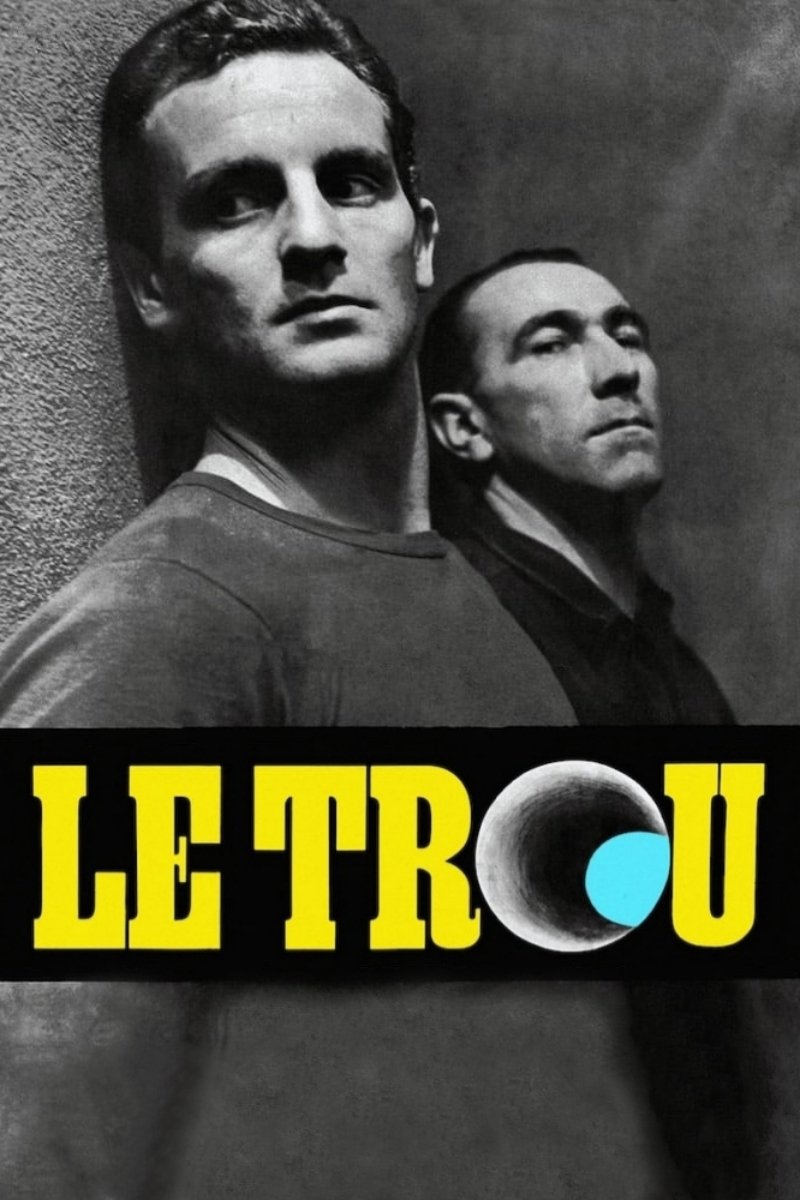
1960 · Patient attention to physical effort makes confinement and trust difficult to take lightly.

A Separation poster93

A Separation

2011 · A legal dispute becomes painfully complicated because each person has reasons worth hearing.

The Ascent poster

The Ascent

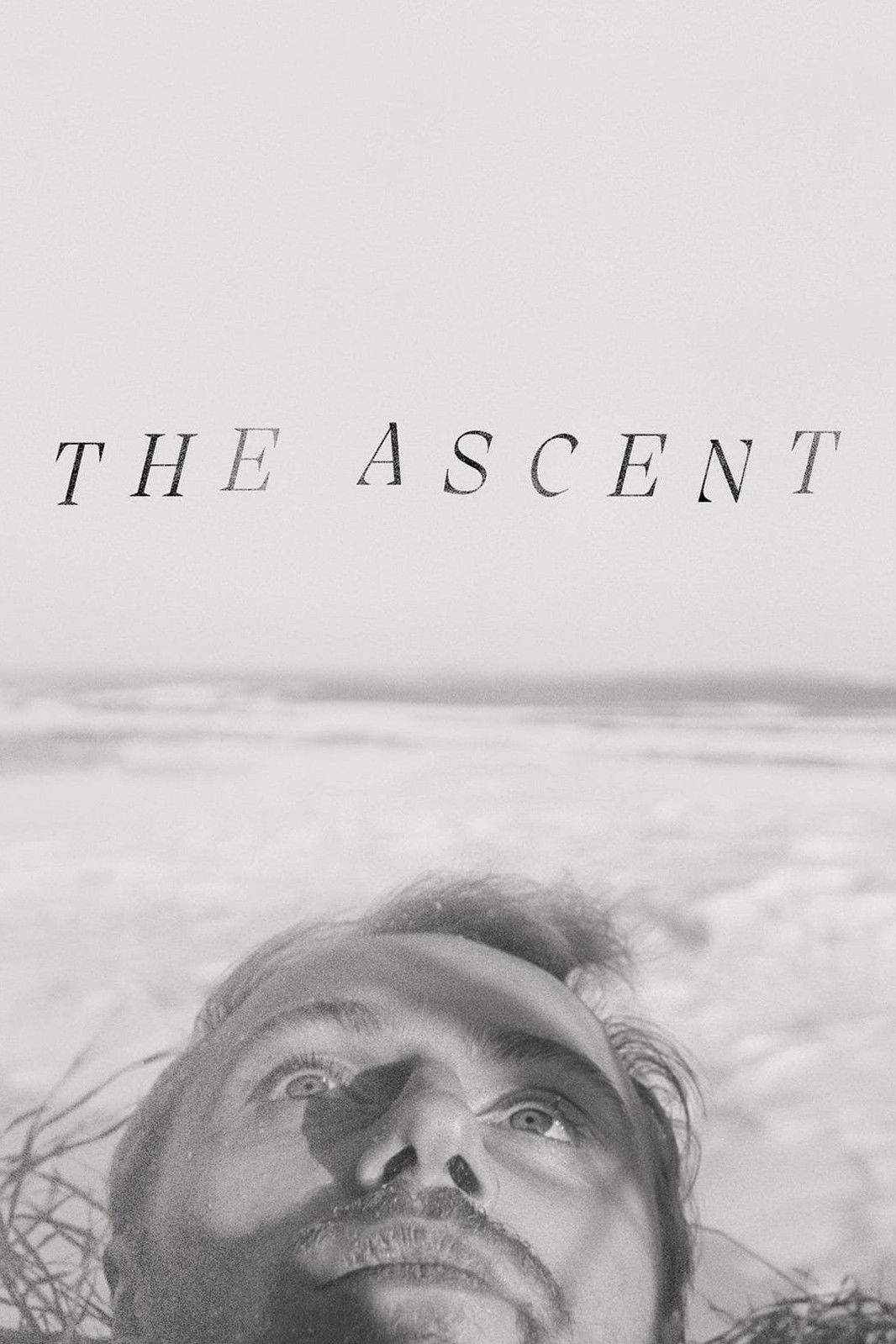
1977 · A severe moral drama that tests conviction against fear and the need to survive.

Saint Omer poster

Saint Omer

2022 · A courtroom film that resists making an accused woman easy to understand.