Krzysztof Kieślowski’s drama makes a friendship between a model and a reclusive judge unexpectedly moving. Its coincidences sometimes look overarranged, but Irène Jacob and Jean-Louis Trintignant make the people worth believing in.
Three Colours: Red is a moving, absorbing film about the effort of getting to know a stranger. Krzysztof Kieślowski builds it around Valentine, a model, and a reclusive judge whose expectations of other people could hardly be lower. Their friendship gives us a reason to care about the coincidences that connect the surrounding lives. We recommend it strongly, with one reservation: sometimes we can see how carefully those coincidences have been arranged.
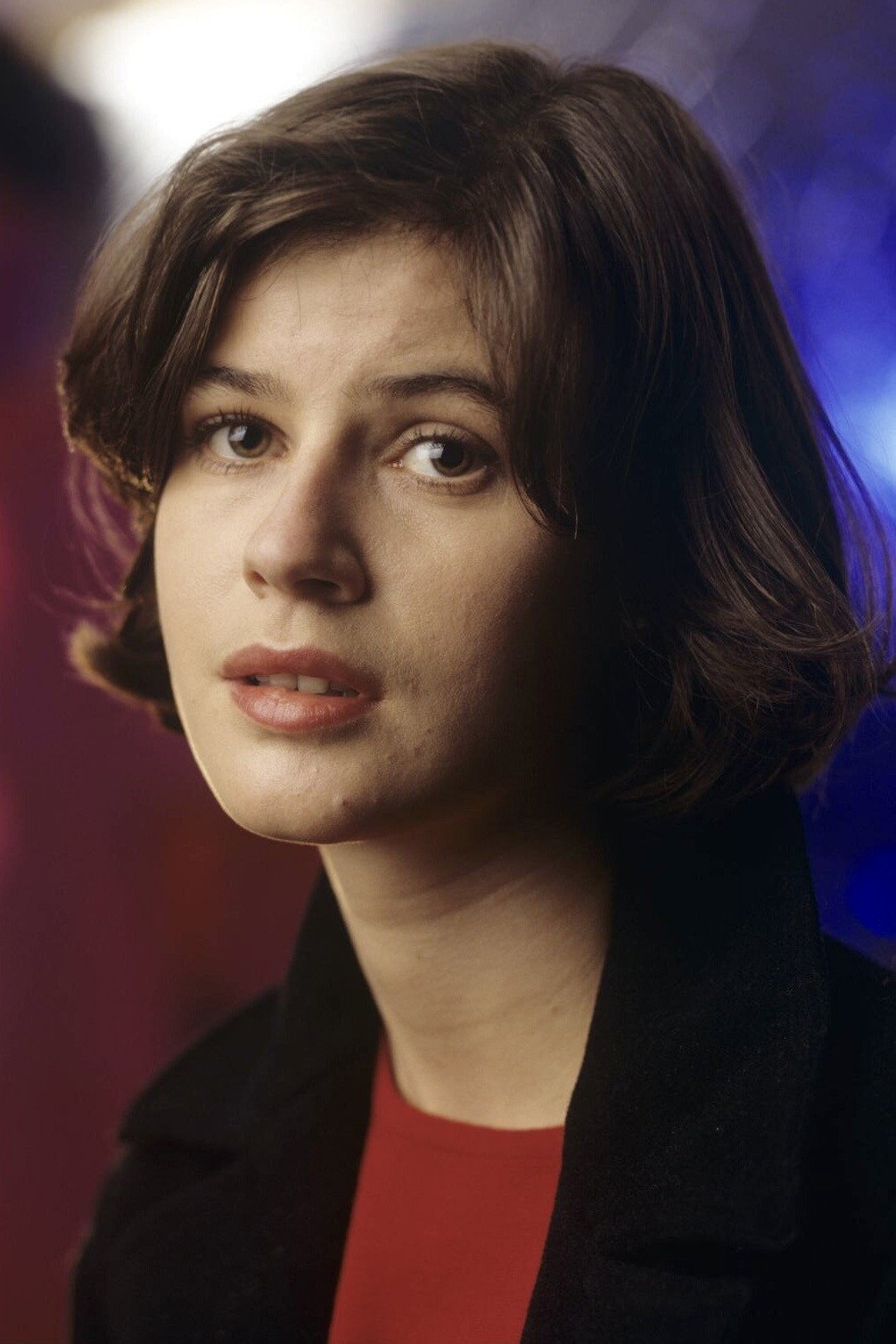
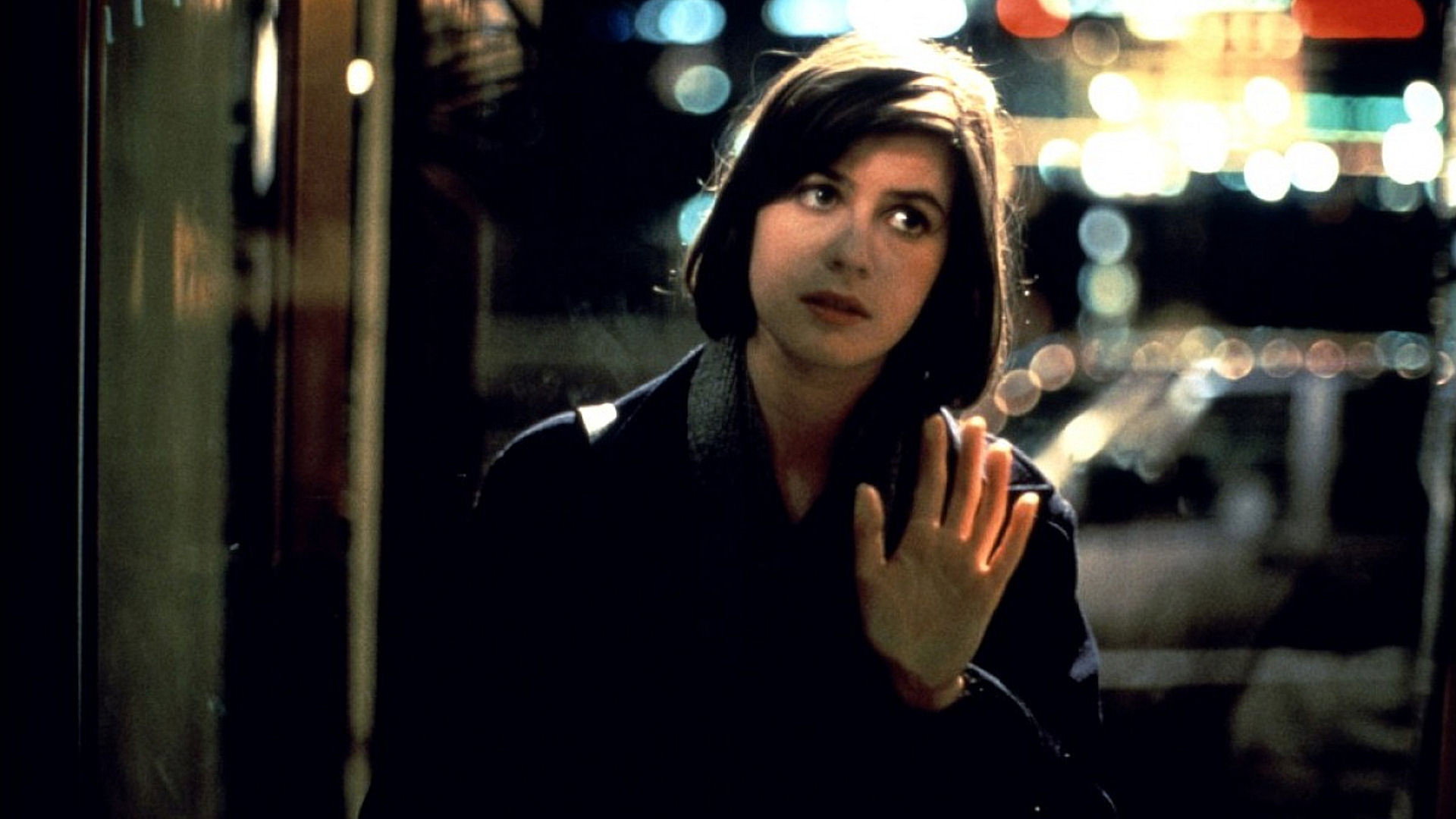
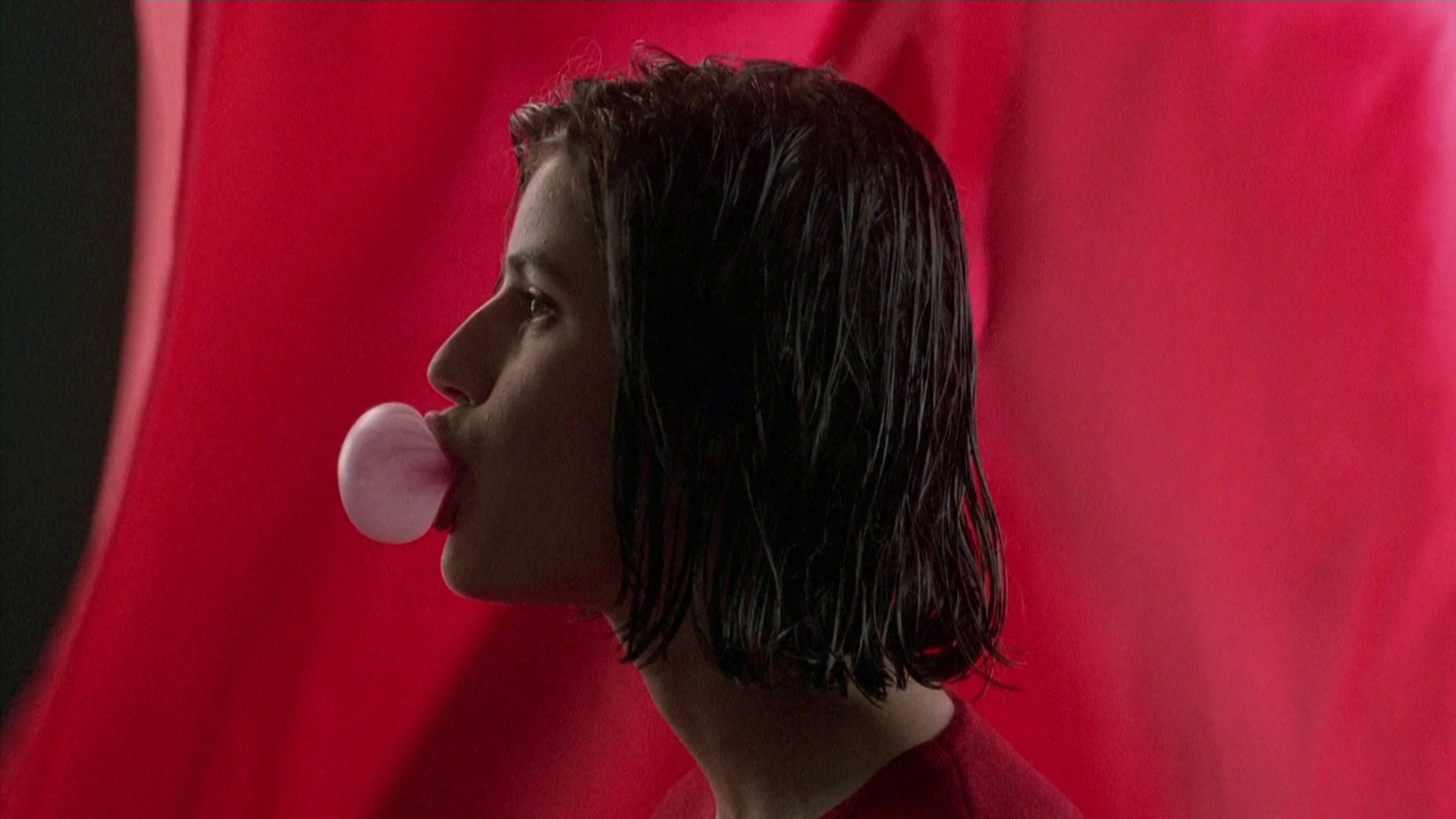
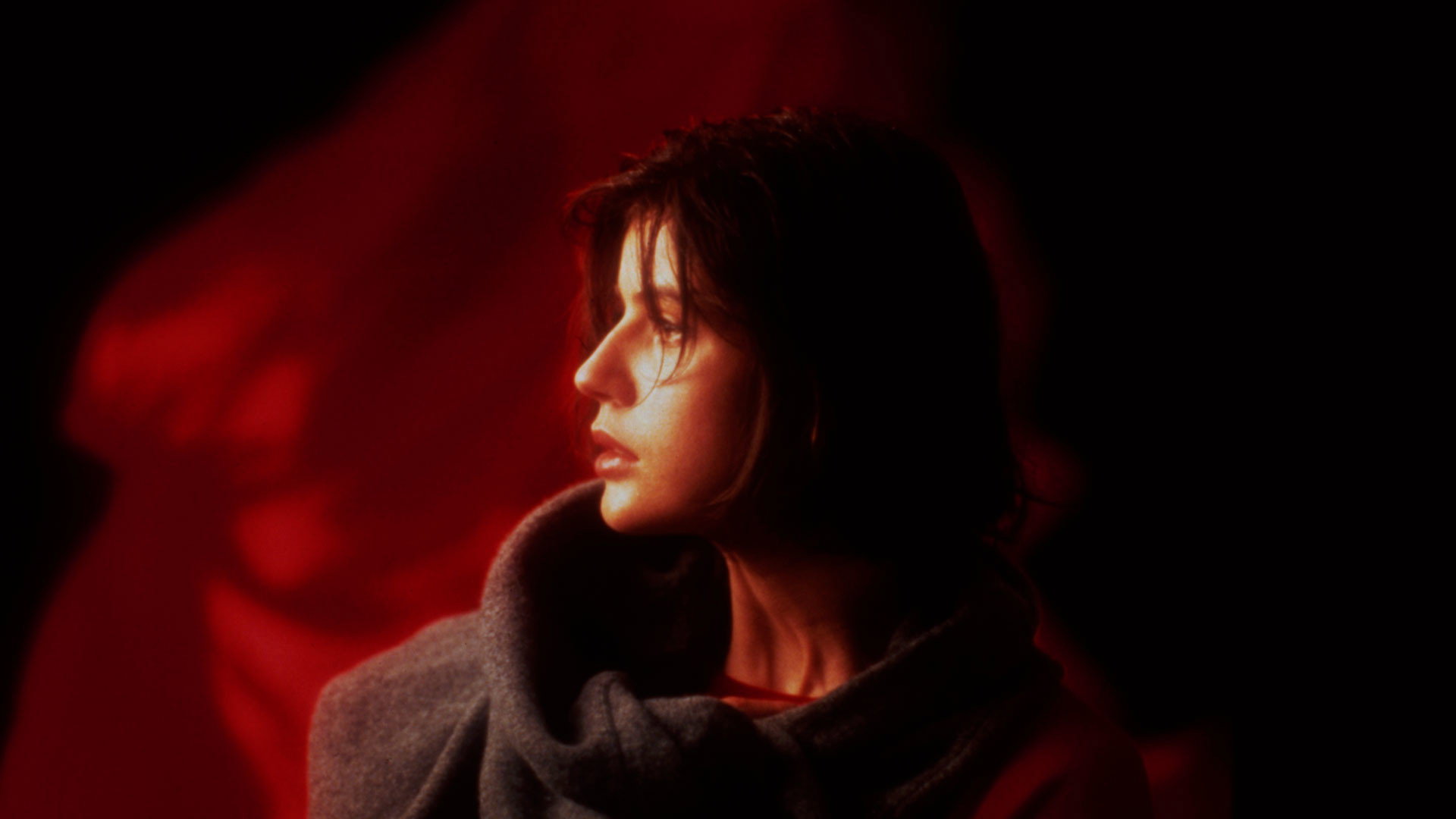
Valentine is the more immediately approachable of the pair, and Irène Jacob makes her concern for others persuasive without making her seem foolish. It is a difficult part to keep interesting: goodness can become tiresome when a film expects us to applaud it on sight. Jacob gives us someone worth watching even when the larger pattern of the story is asking for attention. In the encounters with the judge, she makes kindness feel like a choice requiring concentration.
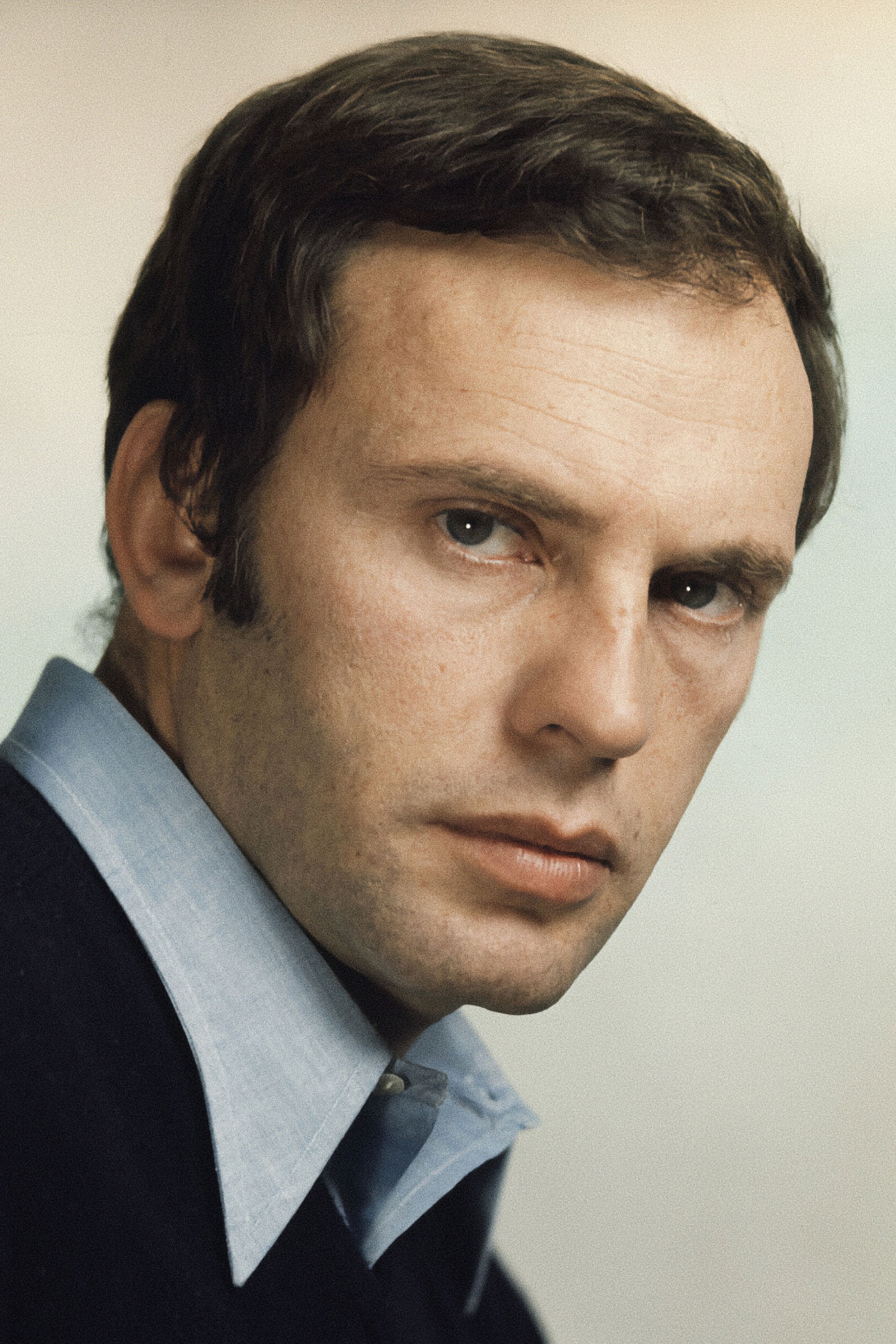
Jean-Louis Trintignant gives the judge a severity that could easily discourage our sympathy. We were moved by the effort he makes visible when this withdrawn man tries to care about another person’s life. His performance lets us recognise hurt behind behaviour we need not approve of, and never asks for a pardon simply because the man has suffered. The friendship works because Jacob remains a person with her own concerns, rather than a convenient treatment for his unhappiness.
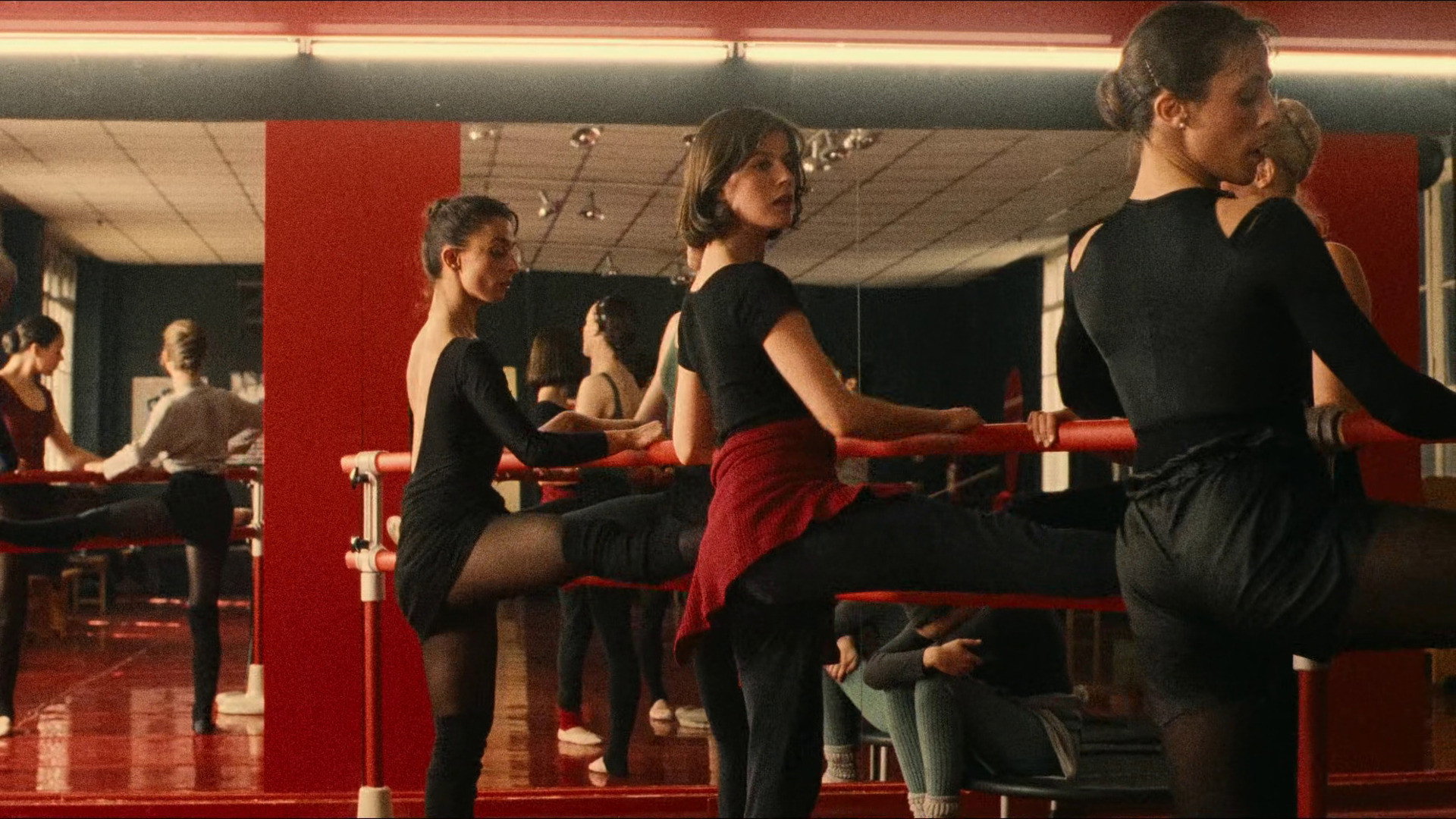
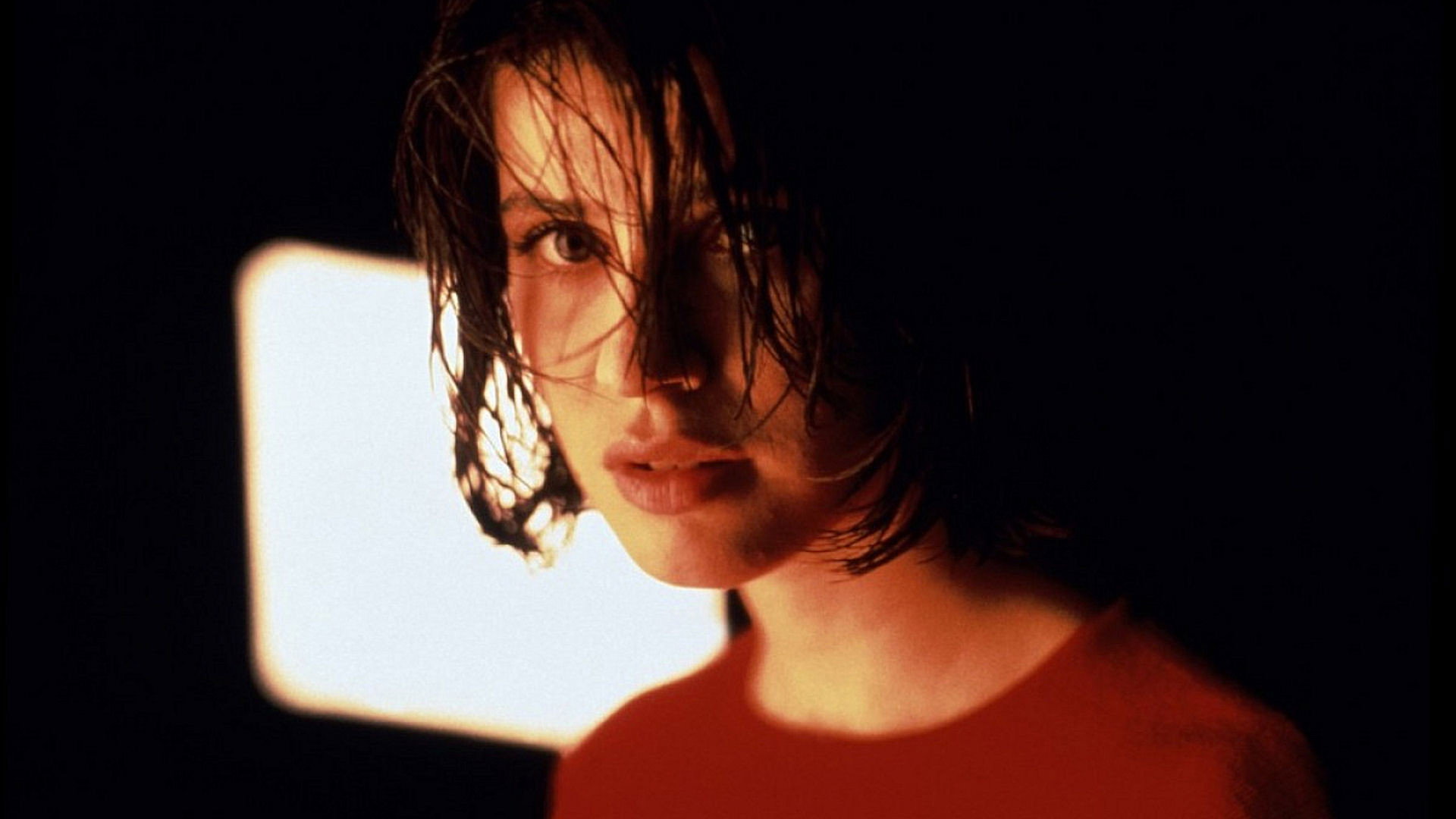
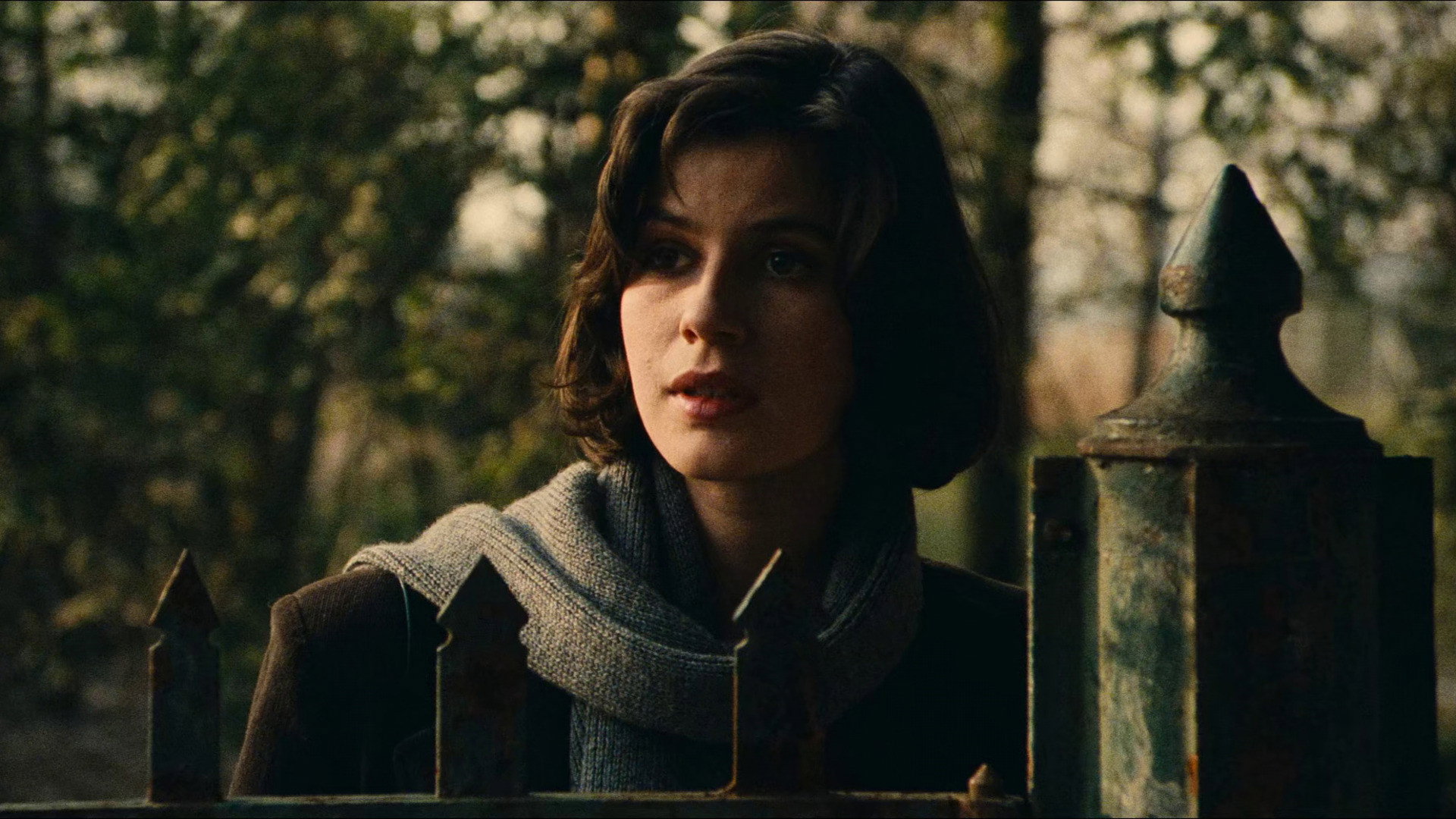
Piotr Sobociński uses colour, camera movement and the placement of the actors to make an encounter feel worth examining closely. The images give us reasons to keep looking beyond whoever is speaking. Claude Lenoir’s production design makes the surroundings feel as carefully considered as the encounters themselves. That precision is occasionally distracting: we begin inspecting the surroundings for meaning when Jacob and Trintignant already have enough going on between them.
Jacques Witta’s editing gives the connections time to register, and the pace can feel slow when we are waiting for another encounter between the leads. Yet that patience lets us consider a coincidence before the next one arrives. Zbigniew Preisner’s music helps the film take its feelings seriously without making the characters seem grander than they are. The combination suits a mystery whose chief interest is why people might care for each other.
The screenplay, by Kieślowski and Krzysztof Piesiewicz, occasionally makes chance look too obliging. We begin to anticipate significance, which takes some of the surprise out of discovering it. This matters because the relationship at the centre is already interesting enough to hold our attention without quite so much careful assistance. It is a limited complaint, but anyone impatient with elaborate coincidences will probably feel it more strongly than we did.
The film closes Kieślowski’s trilogy, but it need not be treated as a solemn examination in spotting connections. It gives its 100 minutes to people who become more interesting as we attend to them. That is enough to distinguish it from mysteries which make the solution the sole reason to keep watching. Choose it when there is time to listen as closely as to look.