Critics’ reviews

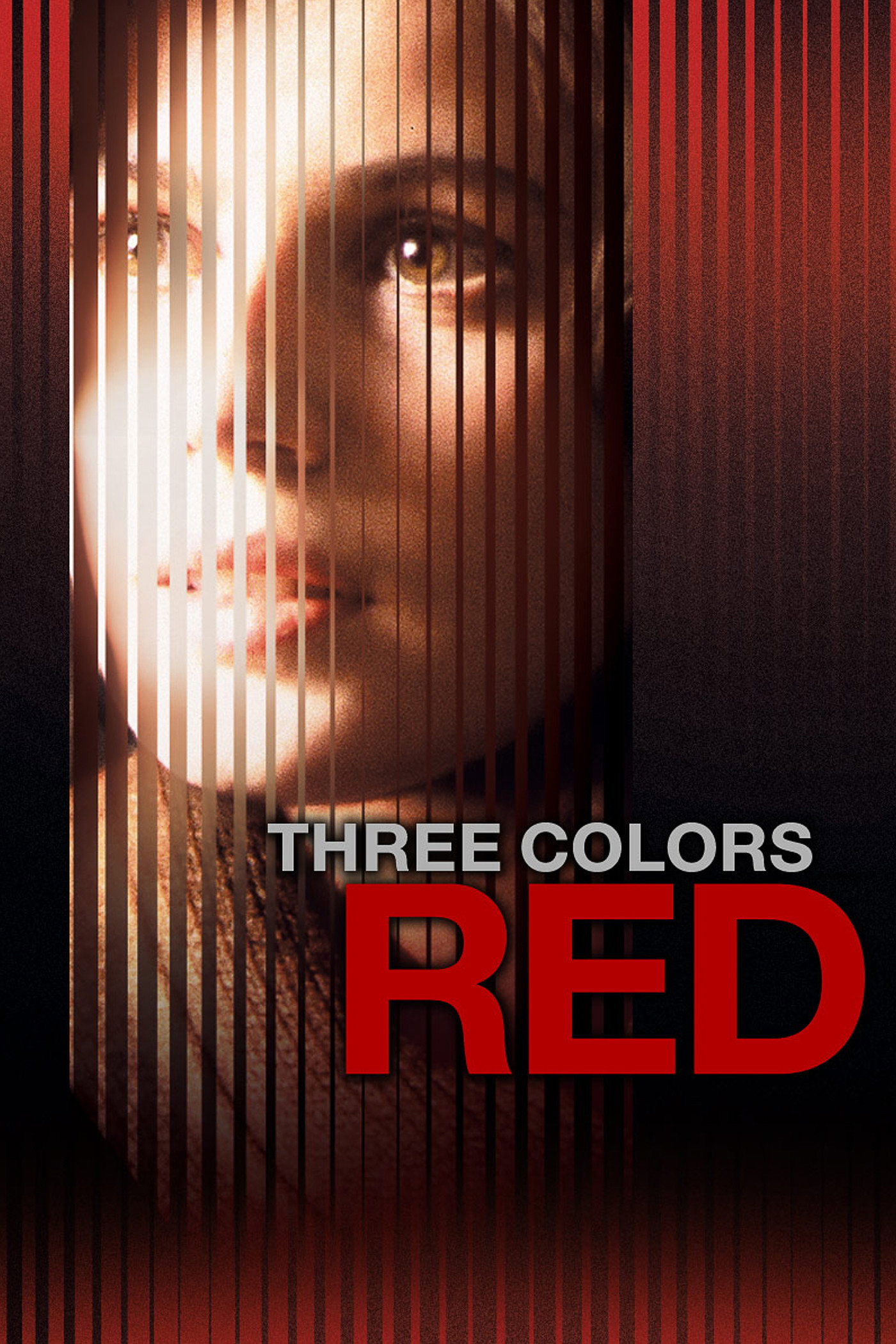
Three Colors: Red (1994)

9 reviews from 9 publications. Critics’ score 91: 7 positive, 0 mixed, 0 negative.

Back to our review of Three Colors: Red

91
Positive
7
Mixed
0
Negative
0

The consensus is strongly positive, with praise centred on the performances of Irène Jacob and Jean-Louis Trintignant and the emotional force of the film’s connections between strangers. Critics repeatedly credit Kieślowski’s handling of colour, composition and sound with making ideas about chance and fraternity feel personal rather than remote. The intricate storytelling is widely admired, and several reviews regard Red as a satisfying conclusion to the trilogy, deepening its concerns through warmth and human contact.

The differences are largely matters of emphasis, not outright dissent. The Guardian finds that the polished surface sometimes interferes with the film’s inner workings, while still valuing its humanity and Trintignant’s performance. The New Yorker acknowledges contrivance but finds the result touching and mysterious. Paste notes a slower pace than the other instalments. These reservations leave a broadly shared appreciation intact: the central friendship gives the elaborate construction its emotional weight.

Radio Times
★★★★★ · David Parkinson
100

This concluding part of the tricolour trilogy has much in common with The Double Life of Véronique and explores themes of fraternal ties that people can never anticipate. Gloriously shot in Geneva with unparalleled use of colour and sound, the intricate plot is spellbinding and the concluding sequence a masterstroke.

Read the full review →
RogerEbert.com
2 December 1994 · ★★★★/4 · Roger Ebert
100

The critic praises the film's exploration of chance, coincidence, and the mysterious connections between strangers as profoundly moving and more exciting than conventional plots. He singles out the performances of Irène Jacob and Jean-Louis Trintignant and the way the story makes viewers feel intensely alive.

Read the full review →
Empire
27 January 2006 · Steve Beard
90*

The critic sees it as a fitting summation of Kieślowski's trilogy, dissolving the theme of fraternity into ideas of fate and random connection. Exquisitely shot, superbly acted and deftly written, it stands as one of the best arthouse films of the nineties.

Read the full review →
The New York Times
4 October 1994 · festival review · Janet Maslin
90*

The critic finds 'Red' a stirring success that elevates the entire trilogy with its warm, engaging exploration of fraternity. She singles out the exceptional performances by Irène Jacob and Jean-Louis Trintignant and the film's profound sense of purpose and consequence.

Read the full review →
Time Out
21 July 2014 · GA
90*

The conclusion to the trilogy focuses on the electrifying encounter between a caring model and a reclusive judge who plays God, exploring destiny, chance, solitude and communication. The assured direction uses actors, colour, movement, composition and sound to illuminate abstract concepts, resulting in a virtually flawless masterpiece.

Read the full review →
The New Yorker
21 November 1994 · Anthony Lane
85*

The critic views the film as a late, masterful work about fate, heartbreak, and tentative connections, noting it shades from contrivance into something touching and mysterious. He singles out Jean-Louis Trintignant’s performance as a highlight, a portrait of heartbreak with efforts to mend others.

Read the full review →
The Guardian
10 November 1994

The review finds the film accomplished and full of humanity but notes it lacks something of Kieslowski's very best work, with external brilliance sometimes subverting its inner workings. It praises the marvellous performance from Jean-Louis Trintignant and sees the story of an intergenerational friendship as its essence.

Read the full review →
Variety
19 May 1994 · festival review · Lisa Nesselson

The critic calls it a beautifully spun and splendidly acted tale of interconnected lives that reaches a formal and philosophical peak. She singles out the radiant performance by Irène Jacob, the fascinating work by Jean-Louis Trintignant, and the purposeful randomness of the narrative leading to a cathartic grace note.

Read the full review →
Paste
25 June 2024 · Kenneth Lowe
80*

The critic views the Three Colors trilogy as Krzysztof Kieślowski's finest and most acclaimed work, a bittersweet capstone to his career that critiques European society with irony and emotional depth. Red is singled out for its intriguing interconnectedness across the films and its story of redemption, though noted as moving more slowly than the others.

Read the full review →

Ordered by the weight we give each publication, then by score. Scores are normalised to 100; * means inferred from an unrated review. Summaries are ours, not quotations; follow the links for the reviews themselves. How we rate