Michael Haneke makes quiet cruelty almost unbearable, helped by performances that keep the victims painfully human. We recommend it for the dread, with reservations about the repeated lectures on why we are watching.
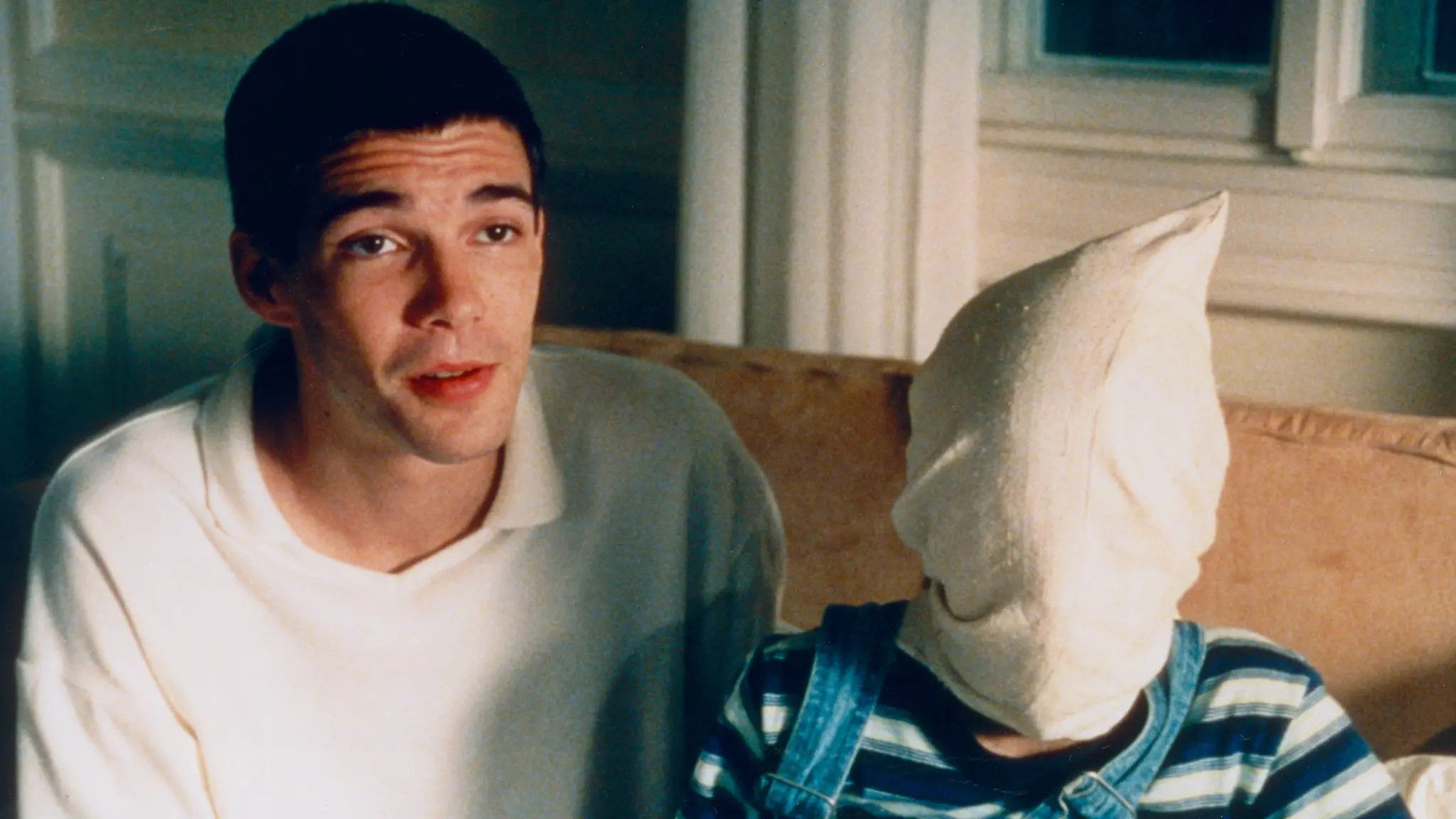
Michael Haneke’s Funny Games is a frightening horror film with a habit of lecturing its audience. We recommend it to those prepared for sustained distress, with reservations about its certainty that our interest in screen violence needs correcting. The premise is spare: two polite young men subject a family to psychological torment. Haneke, who also writes the screenplay, concentrates on power and humiliation rather than giving the tormentors a motive that might make them easier to understand.
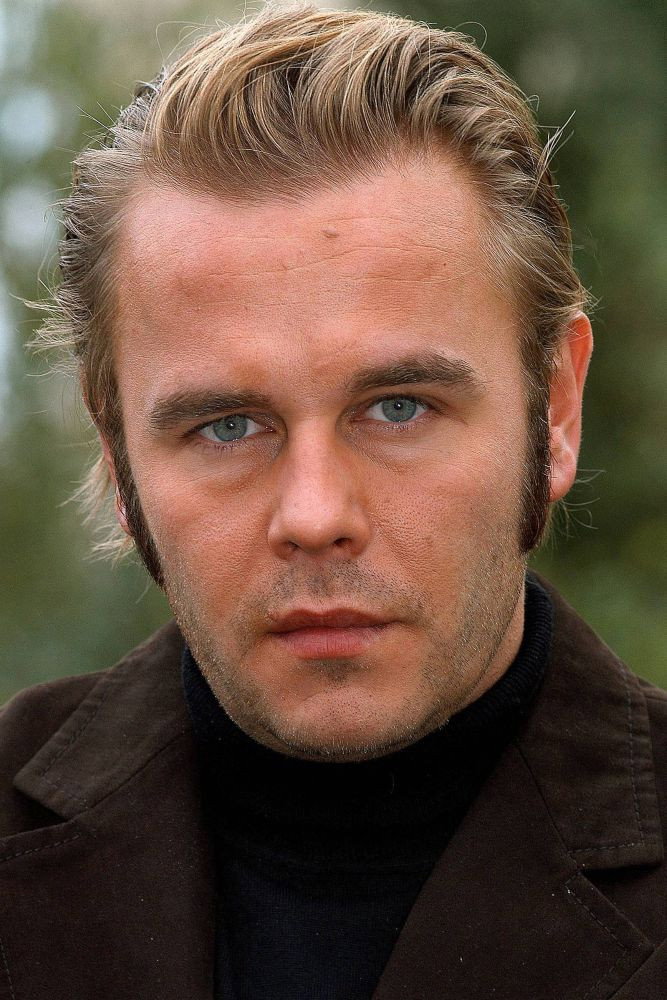
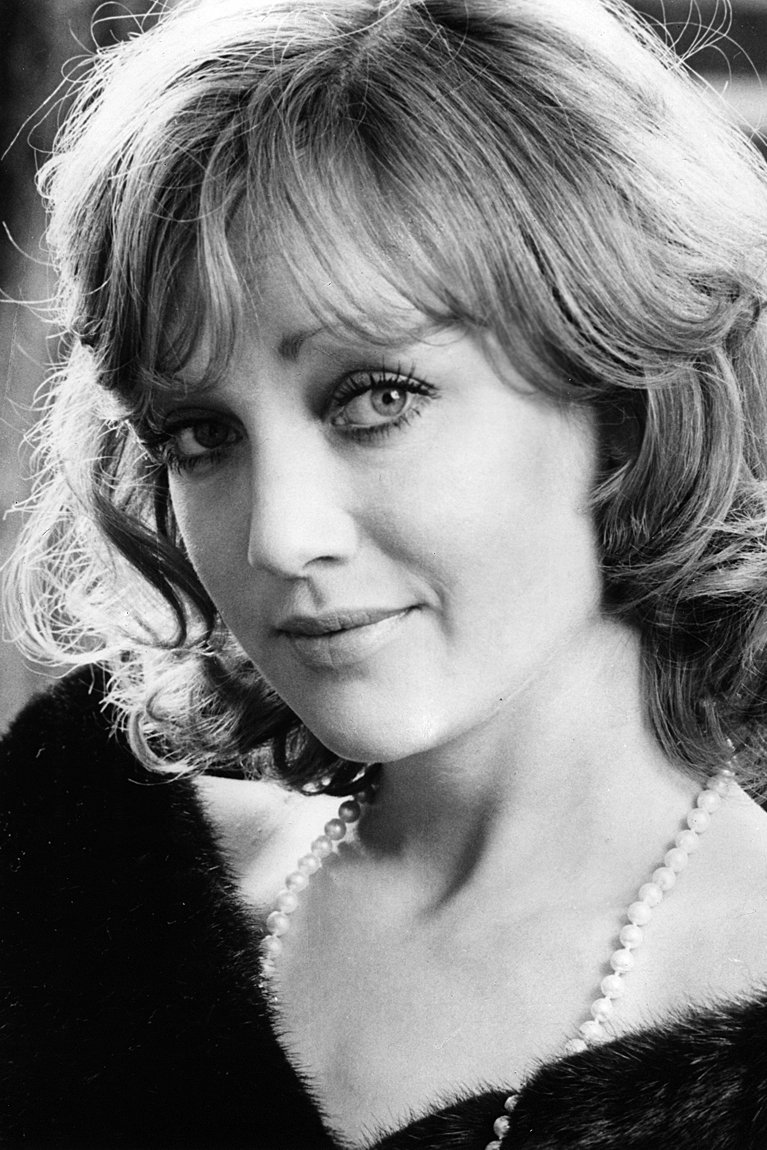
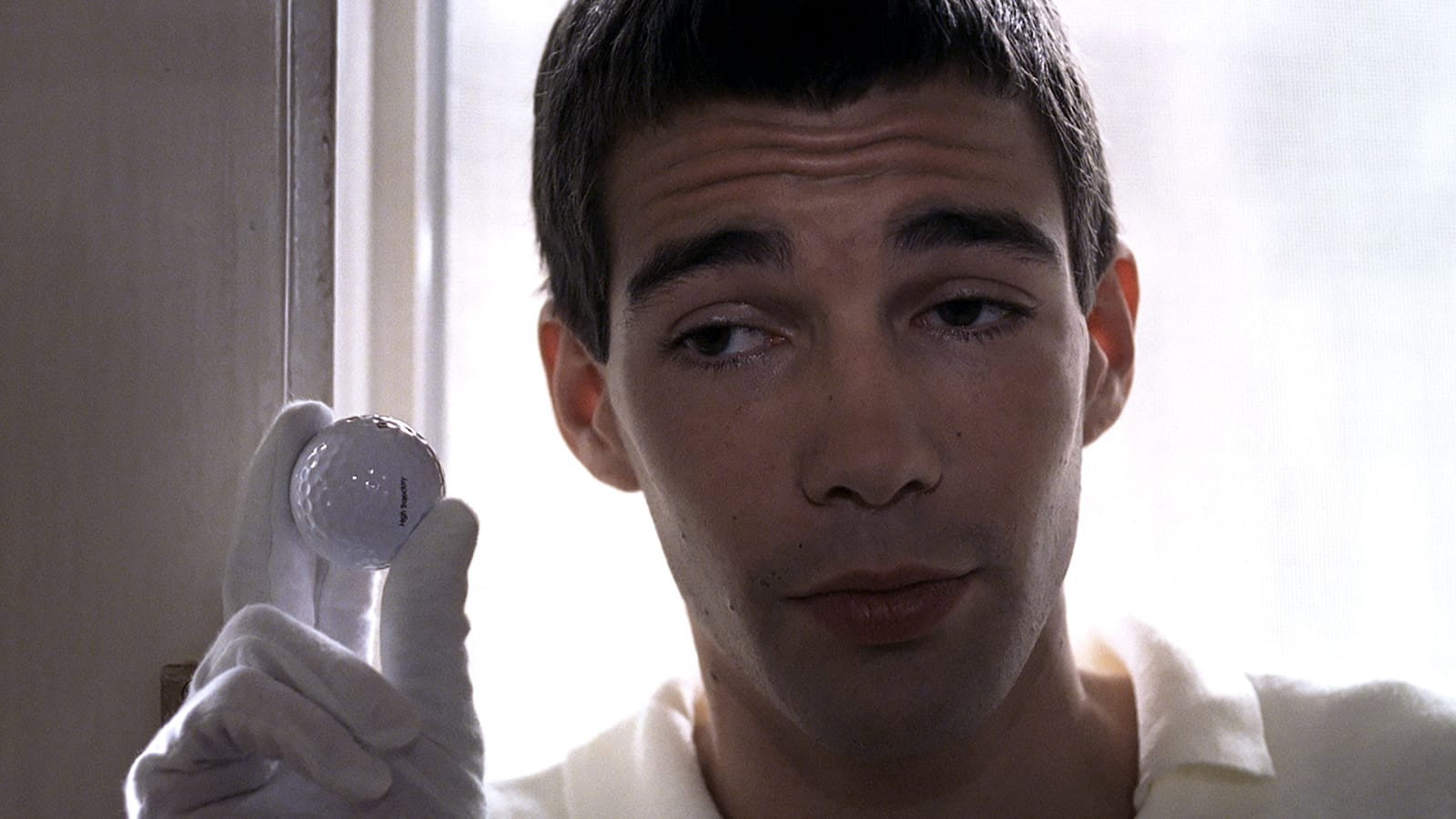
Arno Frisch and Frank Giering make the menace feel horribly casual. The politeness of the two tormentors is the detail that gets under the skin: courtesy continues after any pretence of decent behaviour has gone. We were horrified by the way their quiet manner makes the family’s humiliation seem routine. That quietness gives us time to consider the cruelty, without the distraction of a villain performing rage or explaining himself.
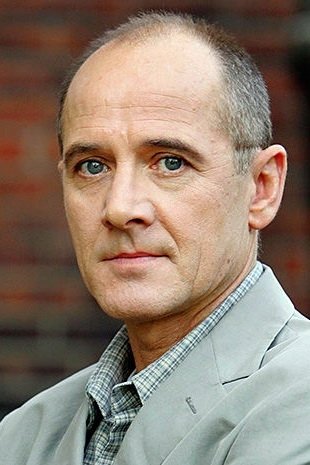
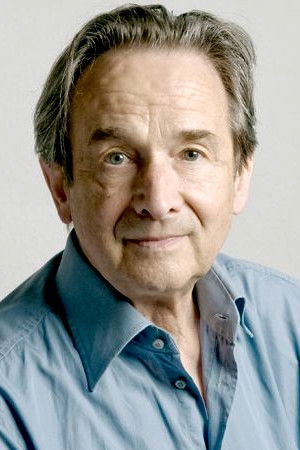
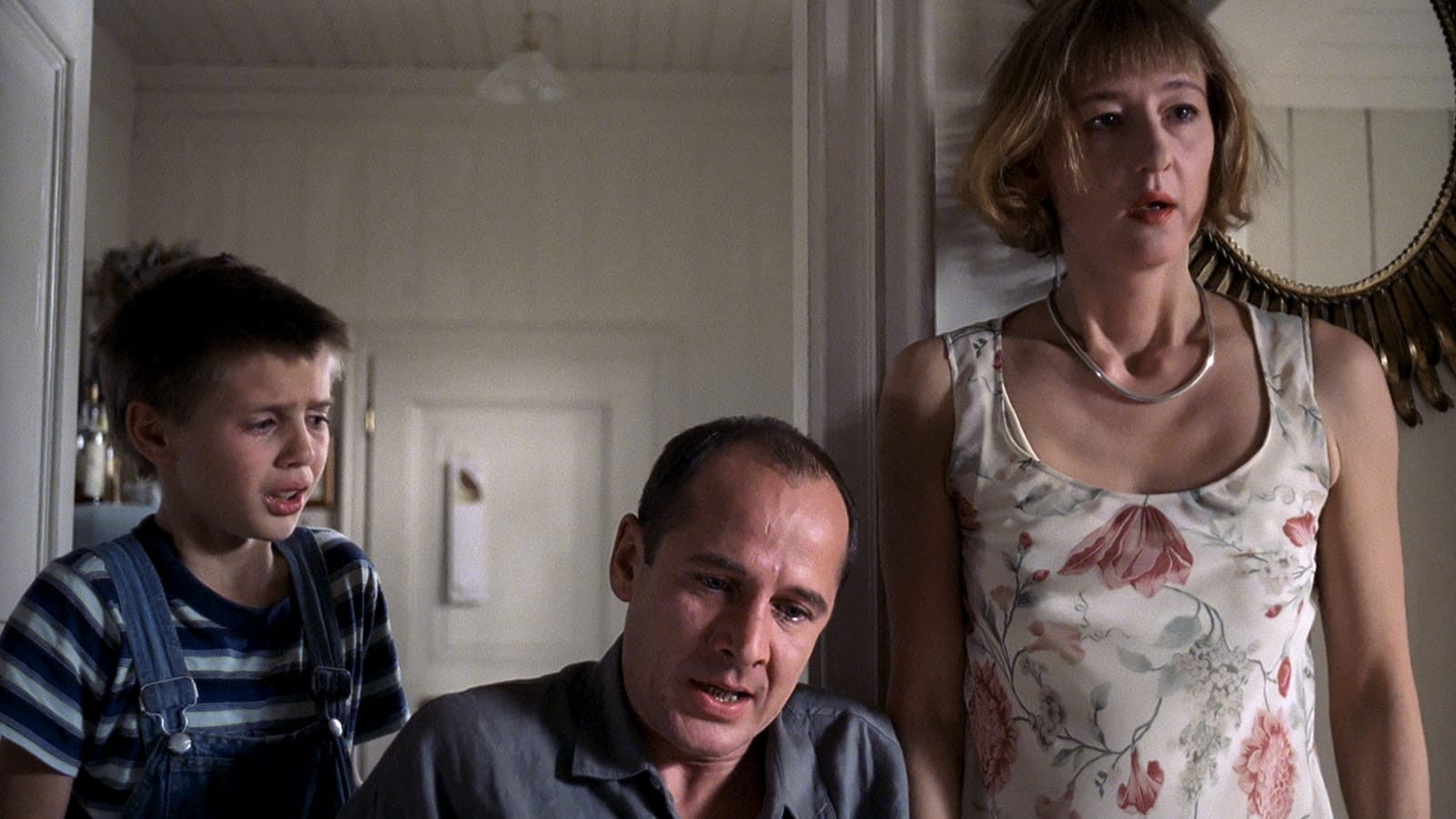
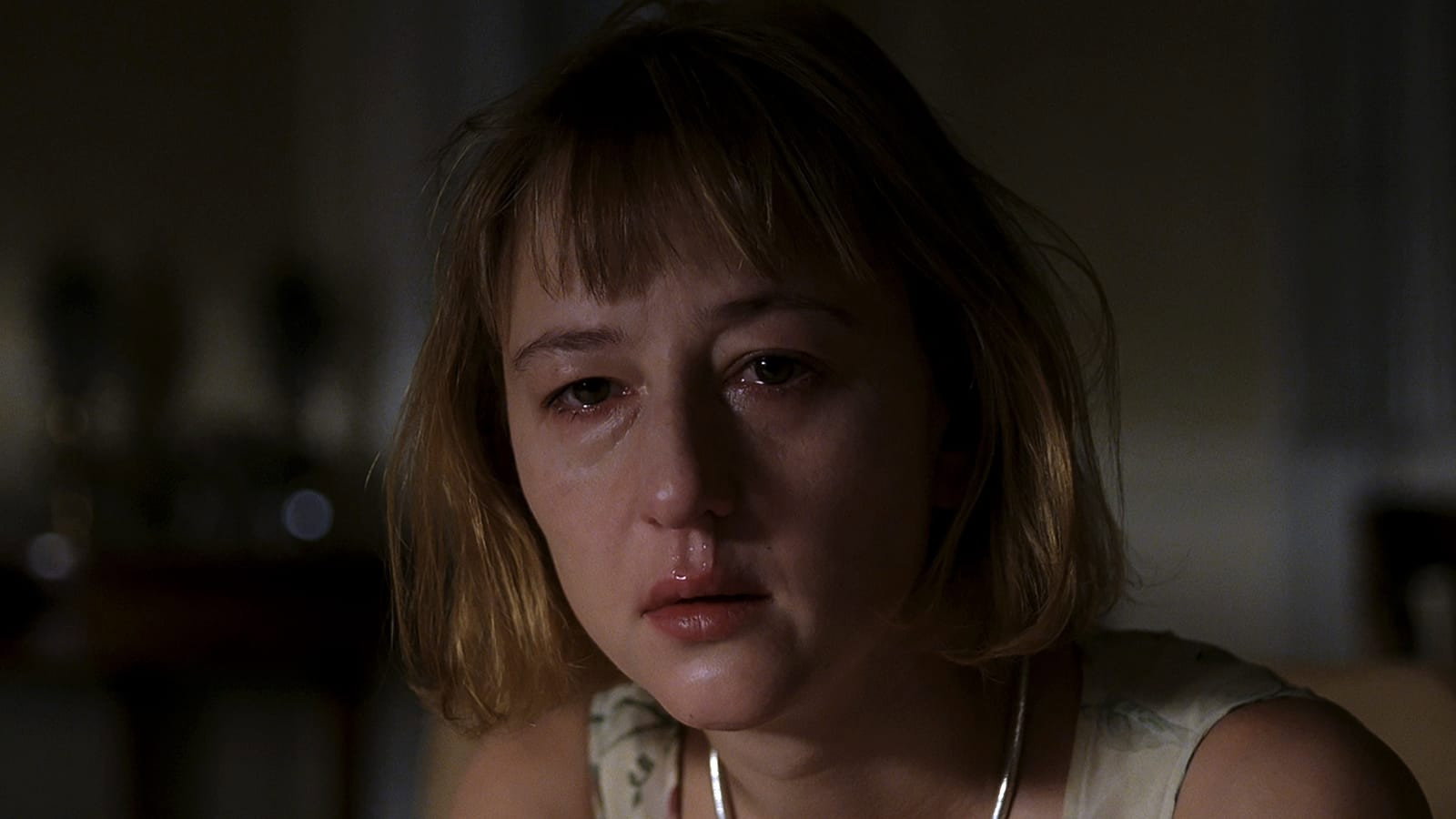
Susanne Lothar and Ulrich Mühe give the suffering a weight that the film needs if its ideas are to matter. Our attention stays with the family rather than drifting towards admiration for the tormentors’ cleverness. That is a considerable achievement in a film built around such an unequal struggle. The actors make it possible to care about the people even when Haneke seems most interested in what their predicament will do to us.
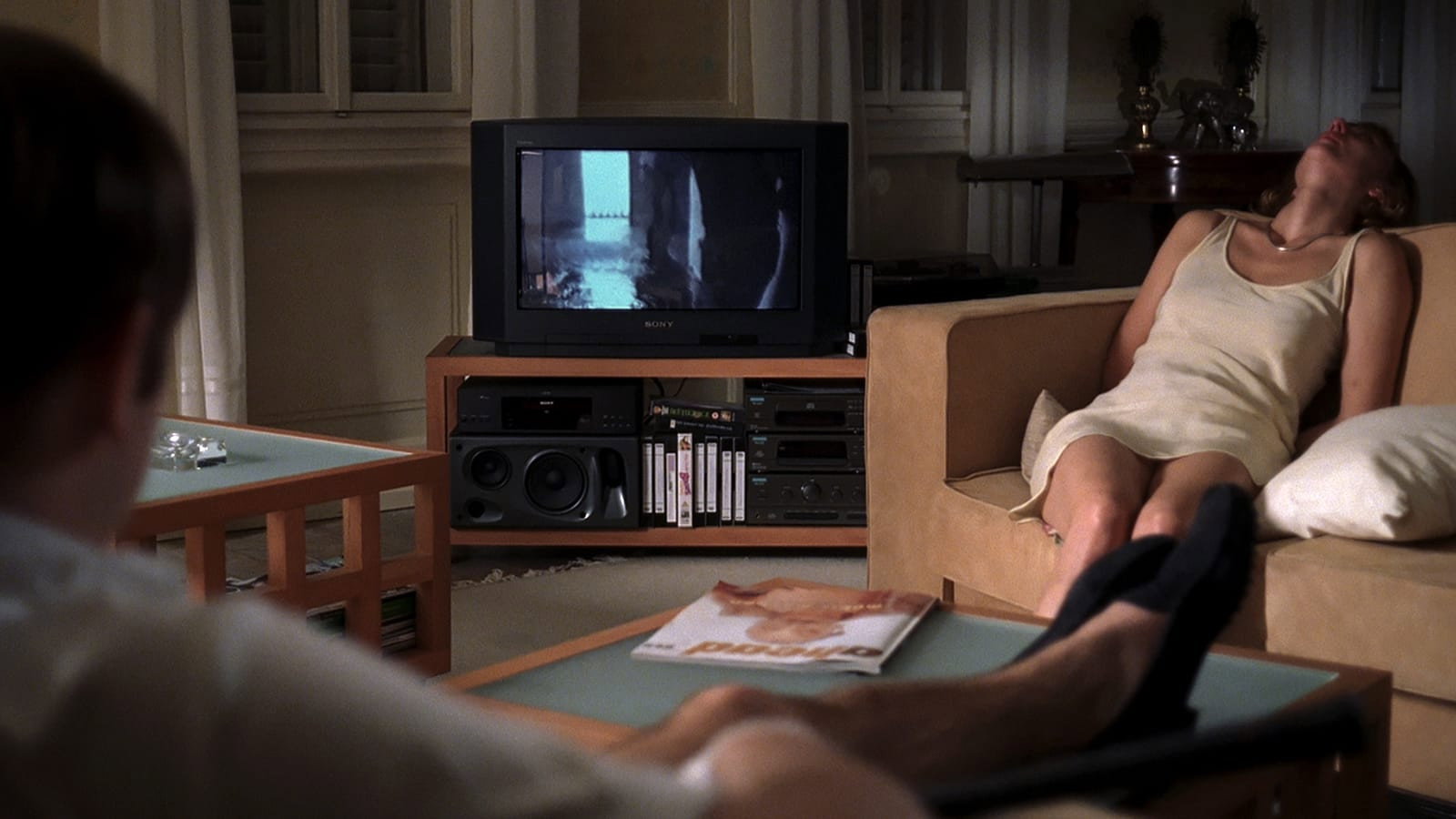
Jürgen Jürges’s cinematography works with the sparing display of violence, keeping the victims more important than the spectacle of injury. Christoph Kanter’s production design is unobtrusive enough that the people remain the source of unease. Neither contribution gives us the reassurance of a horror film proudly displaying its effects. Andreas Prochaska’s editing is more conspicuous: scenes last long enough for waiting itself to become distressing, and the attention paid to aftermath denies the easy escape of moving straight on. The lack of relief is exhausting.
The difficulty comes when Haneke treats that exhaustion as proof of something about the audience. We can be distressed by fictional cruelty without needing to be corrected for having watched it, and sympathy for these victims is hardly evidence of a secret appetite for their suffering. His screenplay allows too little room for that distinction. Once the point has registered, the insistence becomes wearing; the prolonged scenes sometimes make us conscious of a director pressing his case when we would rather stay with the family.
As a horror film, it gets much further with quiet coercion than many films get with elaborate injuries. The young men’s lack of motive leaves little to explain away, and their manners deny the useful warning of obvious rage. That is an unsettling choice, sustained with considerable discipline. Haneke’s skill at making fear last is the reason to watch, regardless of how much faith we place in his claims about the audience.
This is not an evening’s entertainment to choose casually. At 109 minutes, it asks more of our patience than the running time suggests. Choose it for the performances and the sustained dread, provided there is room tonight for a film this determined to be unpleasant.