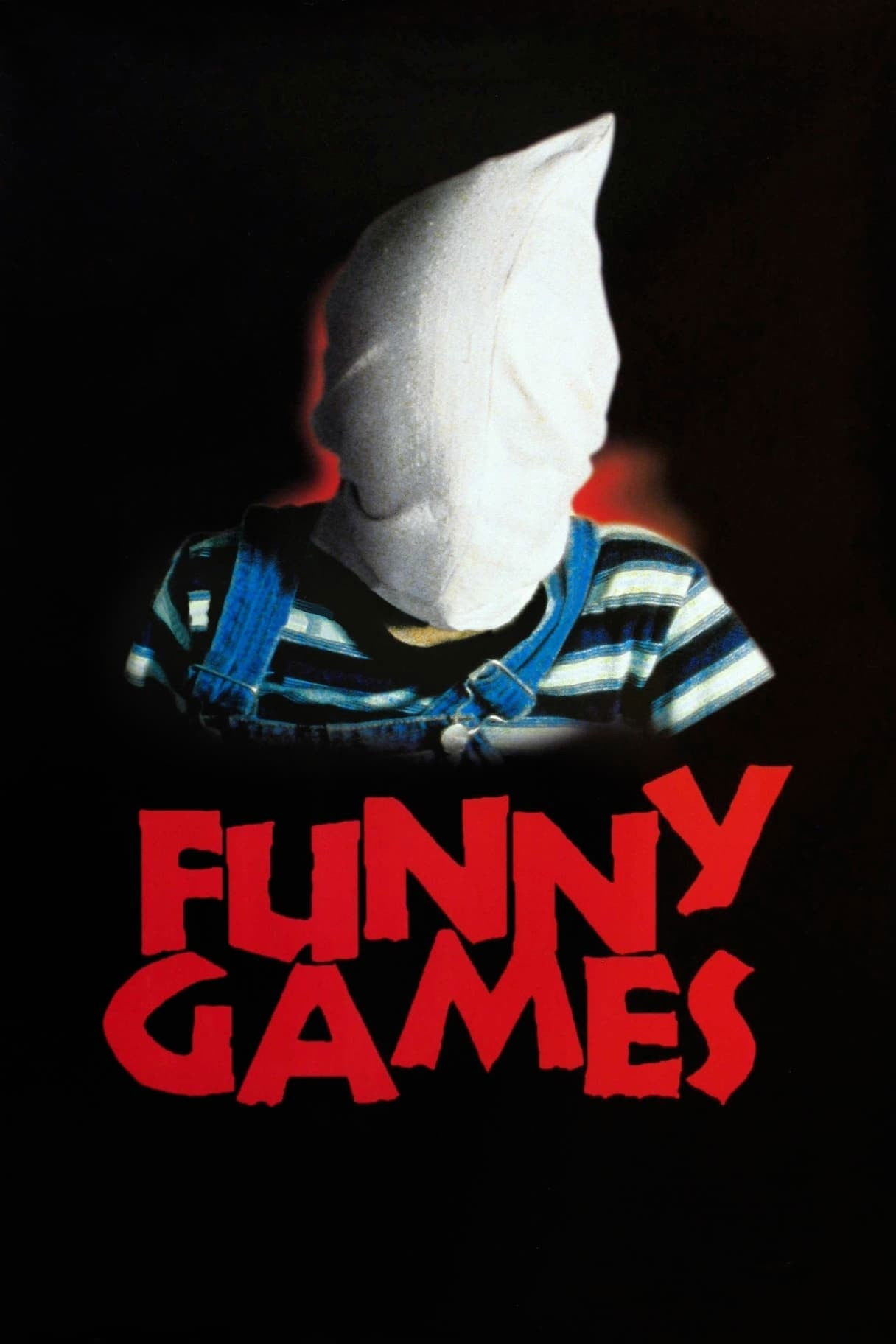
Susanne Lothar makes fear and exhaustion painfully convincing. We value her for keeping people human under extreme pressure, especially in Funny Games, where Michael Haneke's determination to test the audience sometimes needs resisting.
Fi1m perspective
In Funny Games (1997), Susanne Lothar sustains fear and exhaustion through long, demanding takes. As Anna, she keeps the family's suffering painfully human while Michael Haneke tests our willingness to watch it. We were distressed by her exhaustion because she makes it difficult to retreat into admiring how the film has been put together. With Ulrich Mühe, she keeps our attention on the family rather than on the cleverness of the people tormenting them.
Eisenhans (1983) began her screen career, but the stage remained her main workplace until the mid-1990s. Her physically committed work with theatre director Peter Zadek, including the title role in Lulu (1988/89), is a useful starting point for understanding an actor so often asked to endure distress on screen. Engelchen (1996) and Funny Games brought her greater film prominence. In Funny Games, her physical effort never distracts us from Anna's fear.
Her four films with Haneke gave that intensity several uses. In The Castle (1997) she played Frieda; in The Piano Teacher (2001), Mme Schober, an ambitious, domineering mother. The midwife in The White Ribbon (2009), her final role for Haneke, continued the association with anguished women. These parts make it easy to describe her by the amount of suffering involved, which tells us too little about why she holds our attention. In Funny Games, vulnerability matters because we still care about the person enduring it.
That is also why her performance cannot excuse everything around it. We recommend Funny Games for its dread, but Haneke's repeated lessons about why we are watching can become wearing. Lothar gives the family enough weight for his ideas to matter, and enough for us to resent the moments when he seems to care more about our reaction. Start there if the subject is bearable: her work earns the attention, though there is no obligation to agree with the director.
Biography
Susanne Lothar was a German stage, film and television actress. She studied drama at the Hochschule für Theater und Musik in Hamburg and began her career in theatre, including at the Thalia Theater and Deutsches Schauspielhaus.
She made her film debut in Eisenhans (1983). Lothar collaborated several times with director Michael Haneke, appearing as Anna in Funny Games (1997), Mme Schober in The Piano Teacher (2001) and the midwife in The White Ribbon (2009). Other notable film roles include Carla Berg in The Reader (2008) and Princess Shcherbatsky in Anna Karenina (2012). She was married to actor Ulrich Mühe from 1997 until his death in 2007.