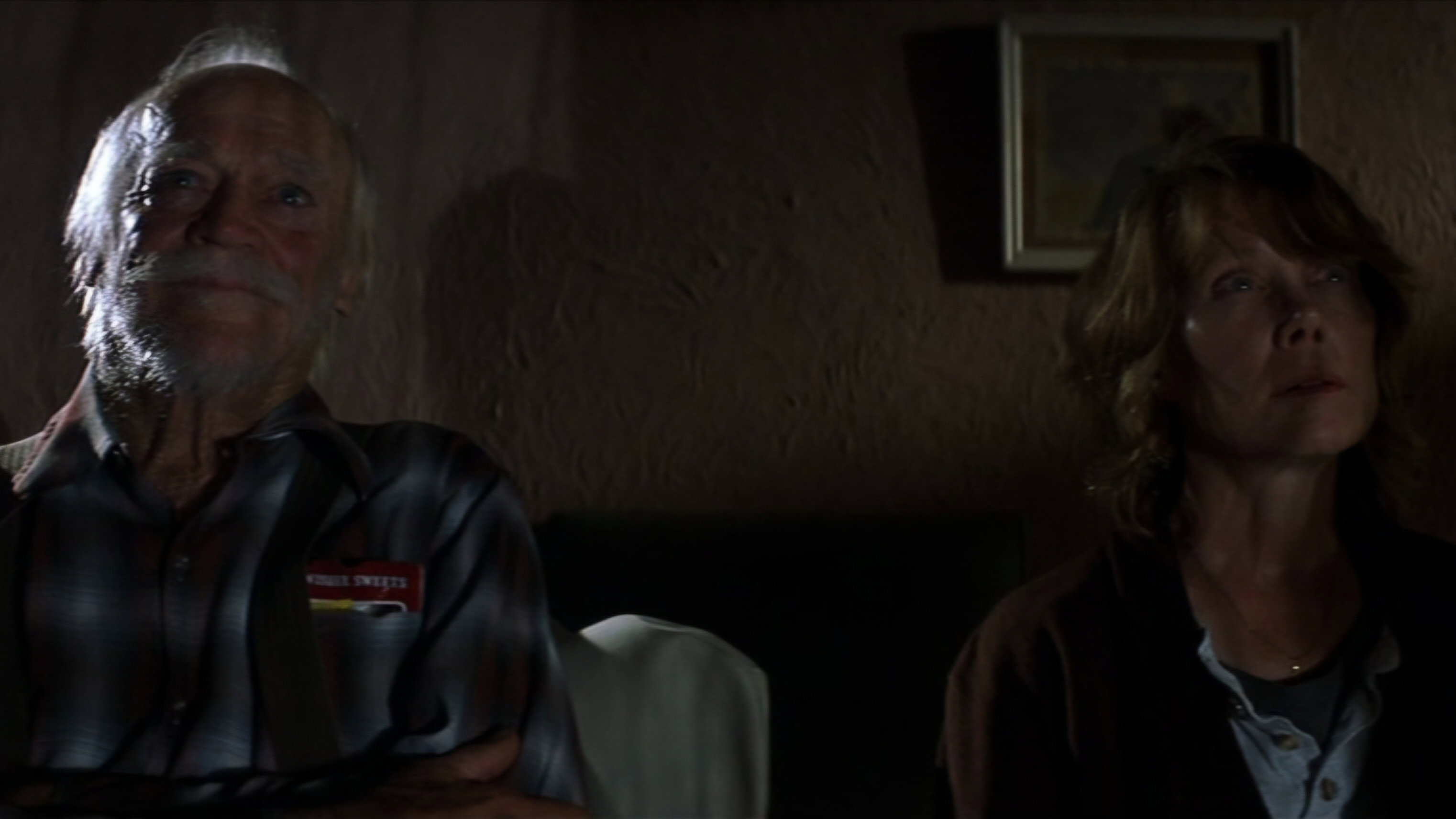
David Lynch’s slow road film earns its feeling through Richard Farnsworth’s patient, unshowy performance. A few stretches are too sweet, but we recommend it for the attention it pays to age, stubbornness and ordinary kindness.
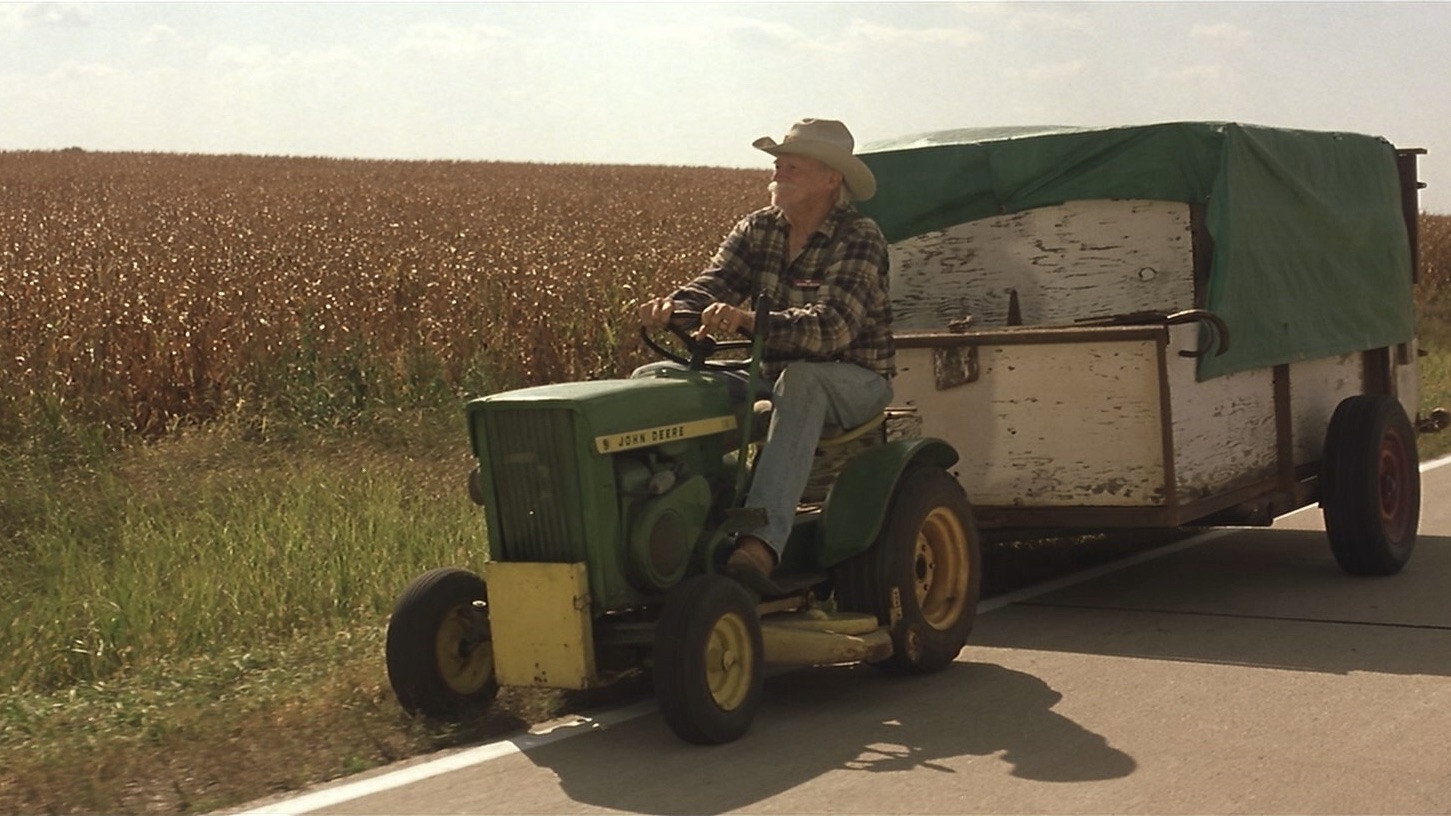
David Lynch takes an elderly man’s journey by riding mower seriously, and the decision makes The Straight Story quietly absorbing. Alvin wants to reconcile with his brother, and Richard Farnsworth makes that wish feel important enough to sustain a film moving at this speed. We recommend it, with a warning that its fondness for almost everyone it meets can become a little too comforting. At 112 minutes, it asks for a little patience.
The screenplay, by John Roach and Mary Sweeney, follows Alvin through the Midwest and gives the people he meets room to be more than obstacles on the route. A road film can become a succession of colourful strangers, each required to deliver a small piece of wisdom before being dismissed. There is some of that here. But the wry attention to small-town behaviour usually keeps the exchanges from feeling like a lecture about how to live.
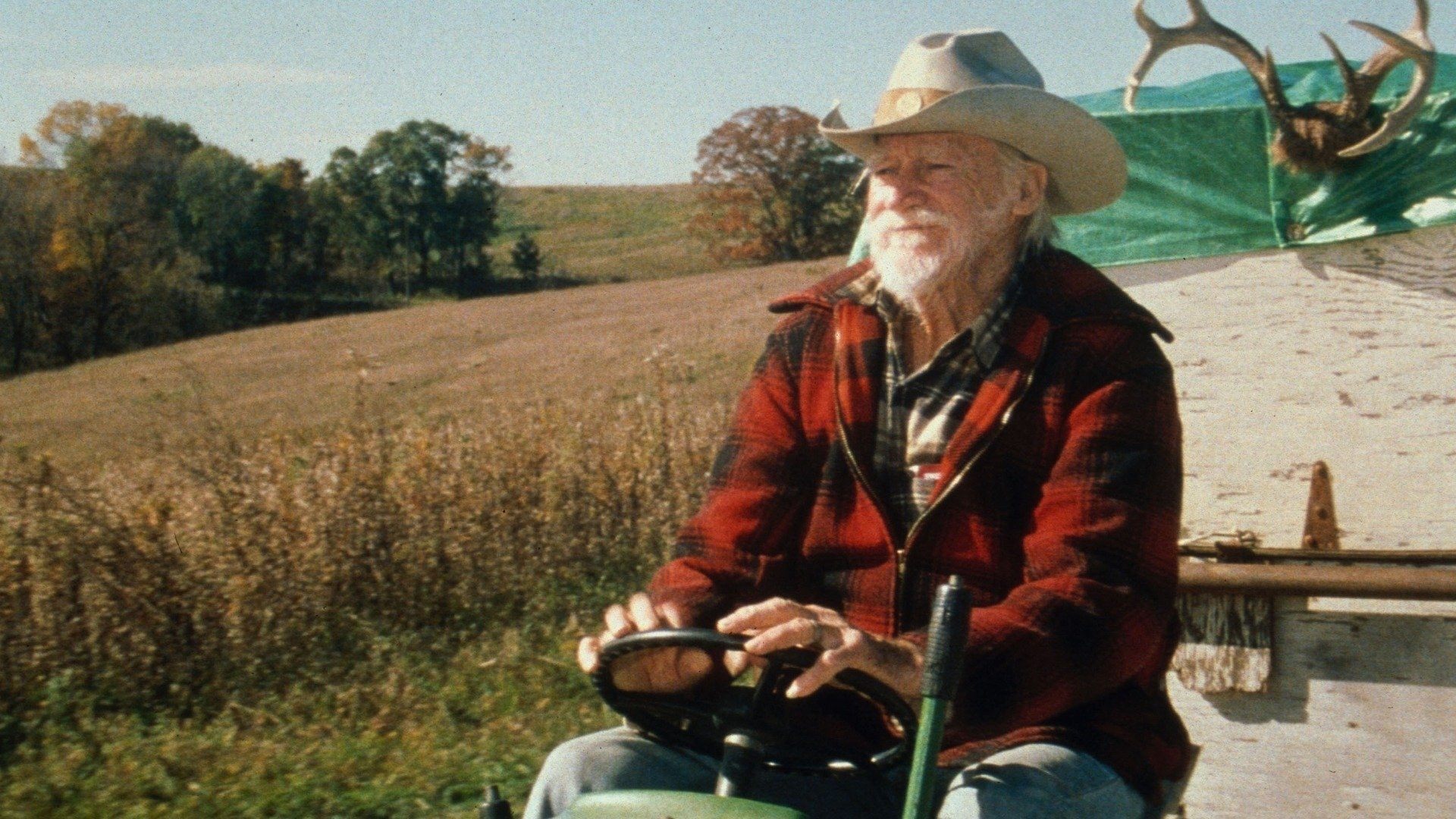
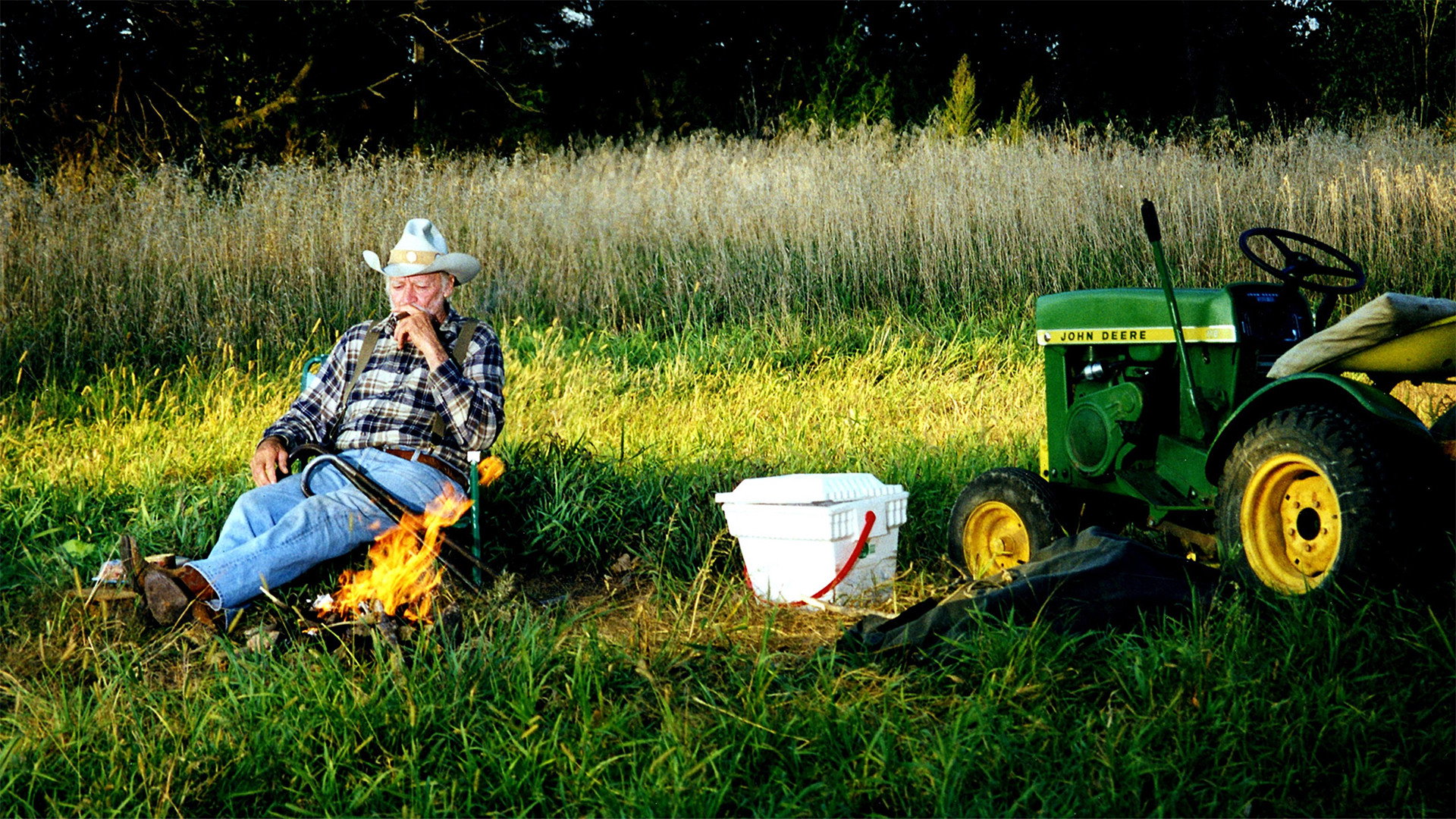
Farnsworth is the reason we stay. He gives Alvin the dignity of someone whose determination deserves respect, while allowing us to see the frailty that makes this journey such an undertaking. We were moved by the sight of this ailing man persisting on such an inadequate vehicle. Farnsworth’s unforced performance makes Alvin believable even when the premise sounds like a tall tale. The mower remains an awkward, slow means of getting somewhere he needs to go.
Sissy Spacek, as Rose, is equally careful about how much she asks us to feel. Her performance fits the unhurried conversations, giving them weight without making every exchange sound momentous. The acting helps keep a film so full of goodwill from becoming merely pleasant.
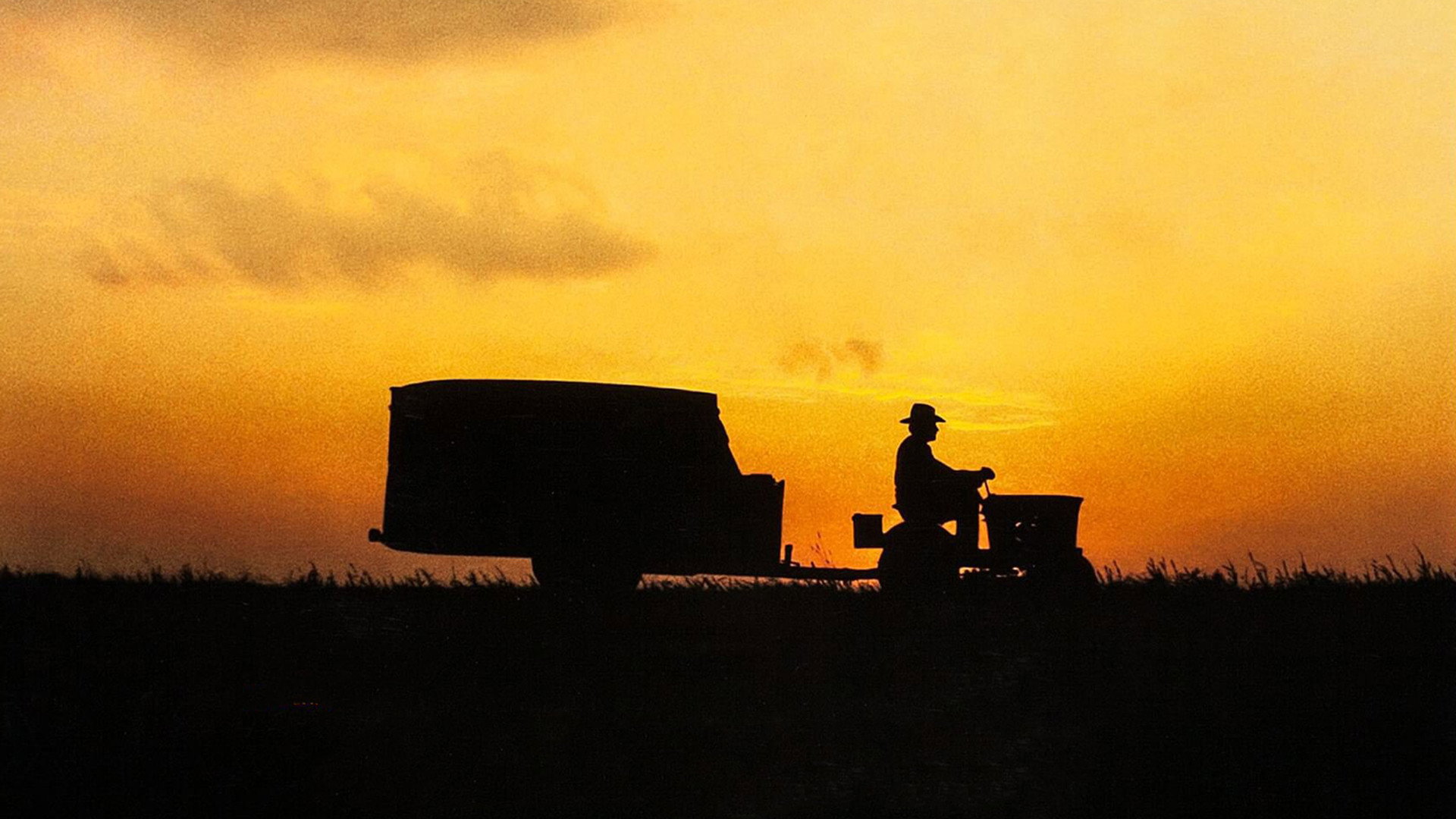
Freddie Francis’s cinematography makes the Midwestern landscape worth studying at this speed. A crane shot lets the camera travel more freely than Alvin can, and the careful framing gives us plenty to look at while he makes his slow progress. Jack Fisk’s production design keeps the small-town settings convincingly ordinary. It helps the kindness seem less like something arranged for our benefit.
Sweeney’s editing accepts the speed of the journey and sticks with it, even through passages that could have been shortened. That consistency is mostly welcome: a brisker cutting rhythm would have made Alvin seem like someone the film was impatient to get past. Angelo Badalamenti’s restrained music helps the pauses hold our attention, adding warmth without making each one feel like a request for tears.
Within the road-film tradition, the unusual thing is how little Lynch needs the destination to justify the time spent getting there. Watching an old man travel slowly is enough, provided the film is this attentive to him. A few encounters are tidier and sweeter than we would like, and anyone resistant to its pace will have a long evening. Give Farnsworth your attention; there is no need to wait for something more dramatic to happen.