Tom McCarthy’s comedy about reluctant friendship earns its warmth through Peter Dinklage’s watchful performance and the space it gives its actors. The plotting occasionally gets too helpful, but we recommend it for the company.
Tom McCarthy’s The Station Agent is a warm, funny comedy-drama whose chief pleasure is watching people get used to one another. It is worth seeing for its actors, even when the writing makes their acquaintance a little too convenient. Peter Dinklage plays Finbar McBride, a man whose preference for being left alone keeps meeting resistance from the people around him. McCarthy, who also wrote the screenplay, takes that reluctance seriously enough that we never feel obliged to regard sociability as an unquestionable virtue.
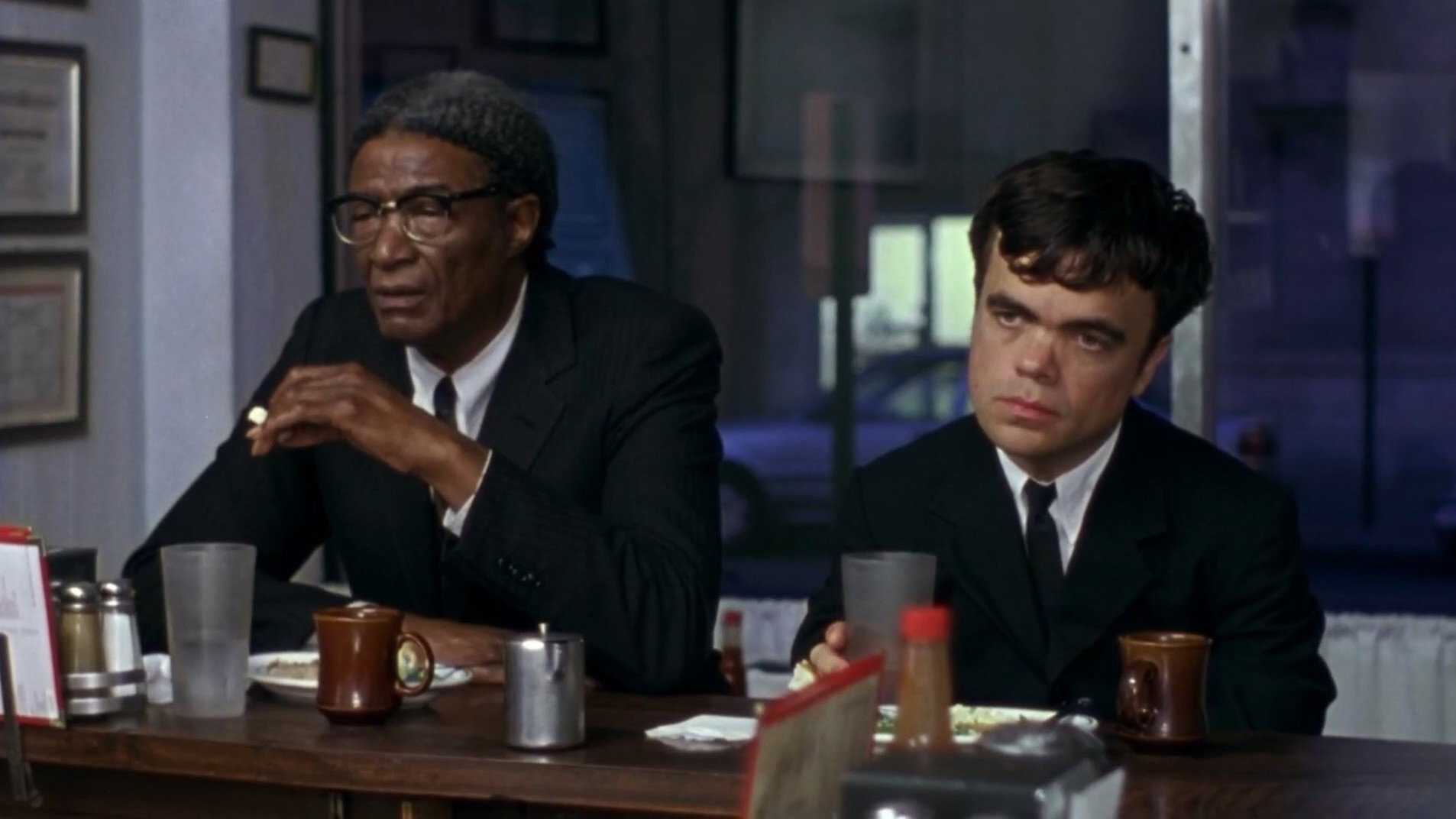
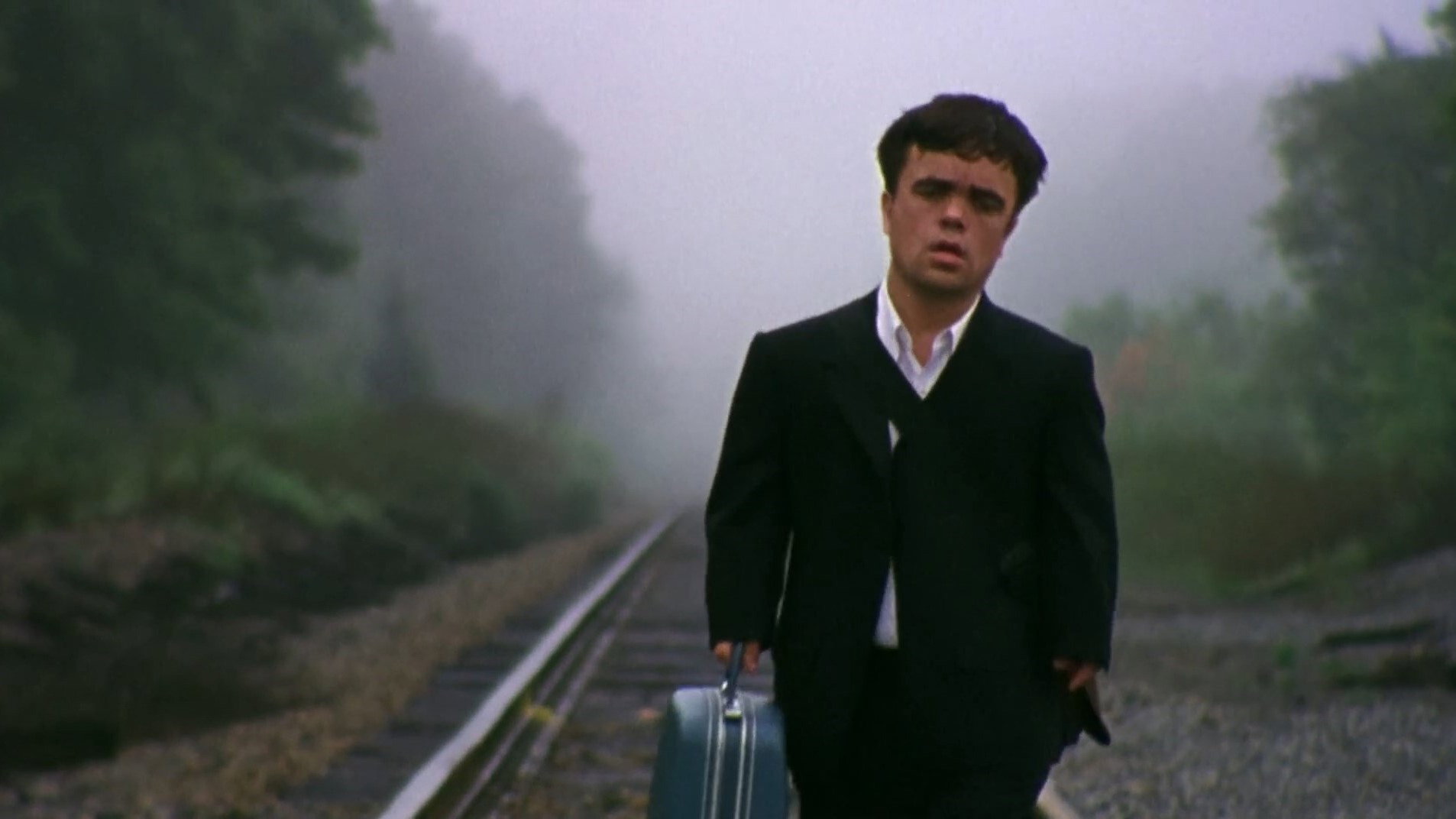
Dinklage is particularly good at making silence seem like an active choice. Fin’s unwillingness to join in can be funny without turning him into a joke, because the performance makes his right to refuse seem perfectly reasonable. We laughed at his resistance, then felt protective of him. The discomfort comes from watching other people’s friendliness put him under pressure, even when their intentions appear harmless. McCarthy leaves Dinklage time to hold the silence.
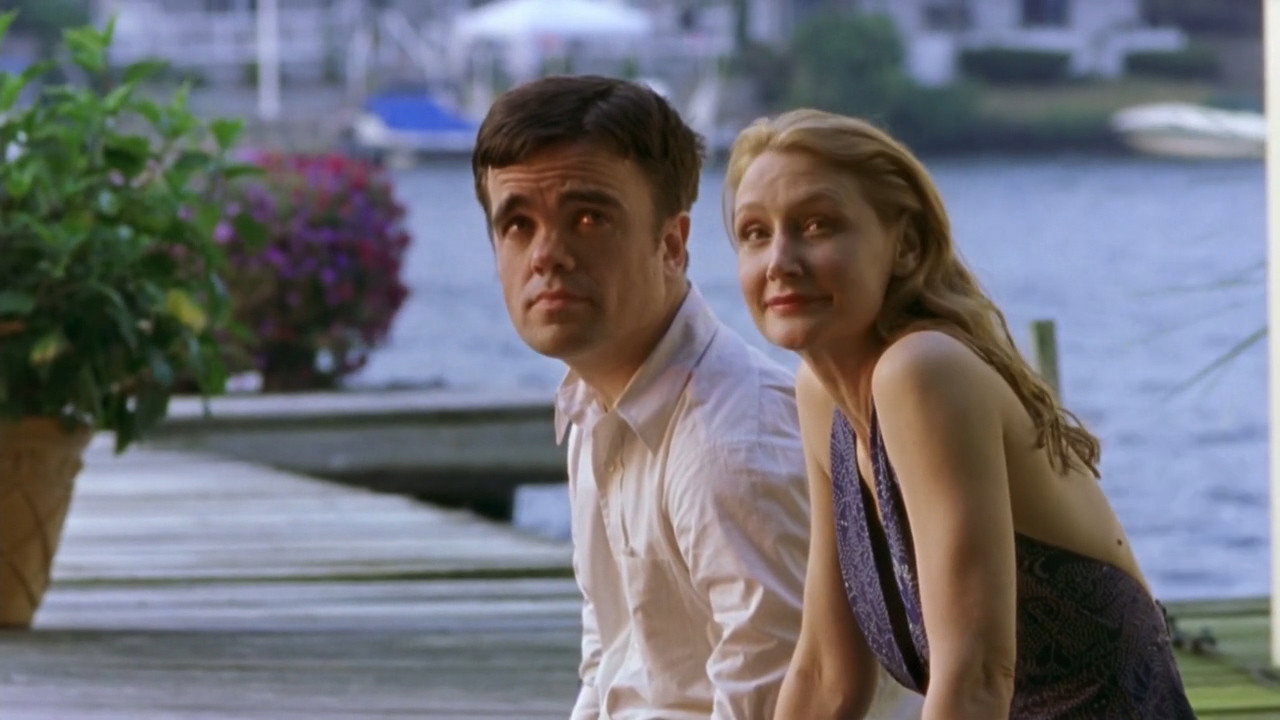
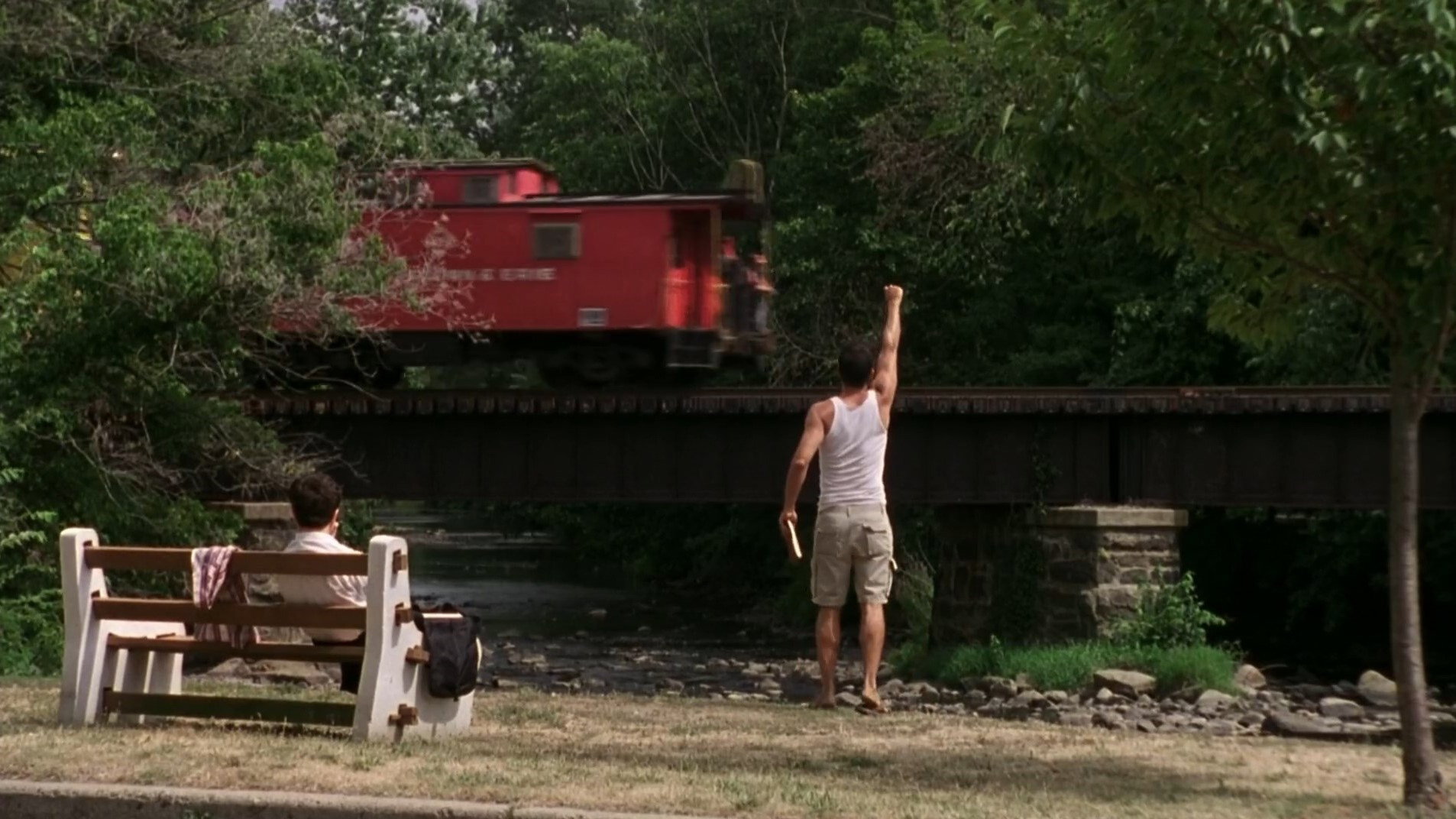
Bobby Cannavale, as Joe Oramas, supplies much of the comic pressure, and his performance has enough affection to stop it becoming an assault. It is easy to play the person who will not take a hint as a nuisance; Cannavale makes us glad he is there. Patricia Clarkson’s Olivia Harris brings a less immediately readable presence, and the film benefits from not requiring all three actors to be funny in the same way. Dinklage’s stillness is especially funny in Cannavale’s company.
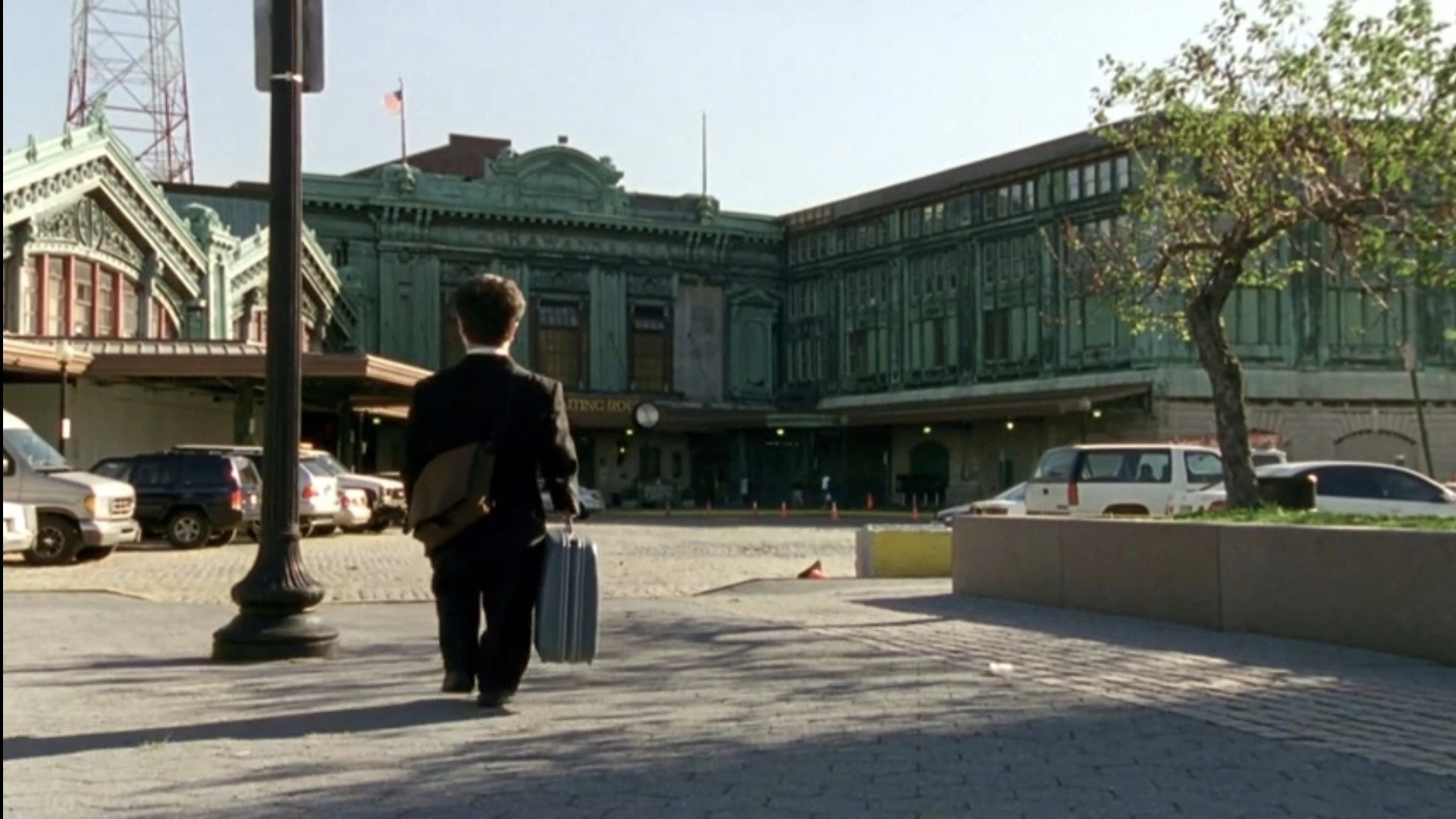
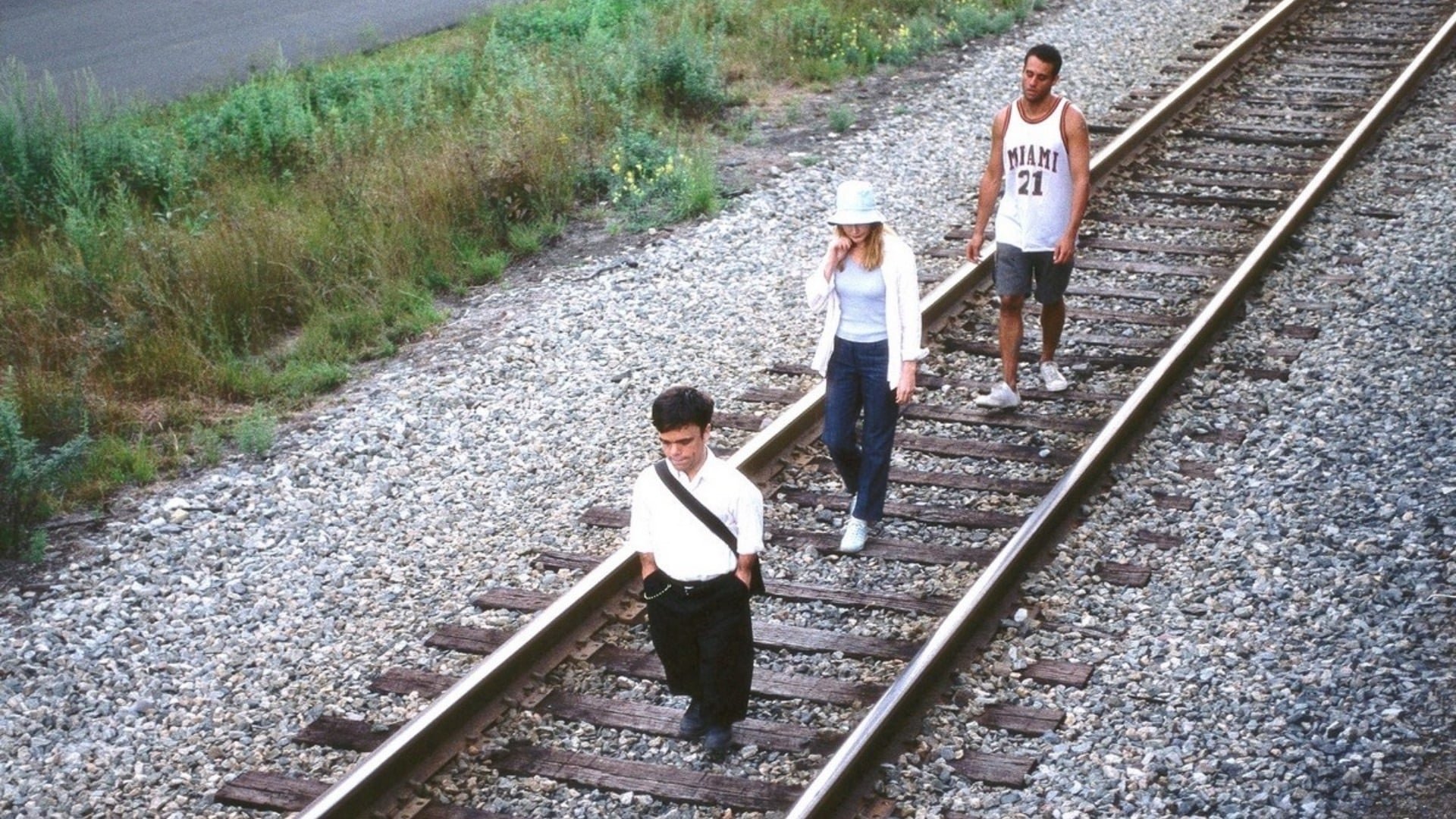
Cinematographer Oliver Bokelberg’s long shots give Fin space while keeping his stature plainly visible; the framing does not pretend that the way he is looked at is irrelevant. We have time to notice both Dinklage and the distance around him, which makes the loneliness felt without explaining it. John Paino’s production design is appropriately unobtrusive in these wider views. The surroundings give the actors somewhere to exist without inviting us to admire the scenery instead, a useful restraint in a film already at some risk of looking quaint.
Editor Tom McArdle understands how much of the comedy depends on waiting, and the pauses seldom feel like delays between more important scenes. They are where we start enjoying these people together. Stephen Trask’s score has a harder task, since the performances already make the feelings legible, and the music is less affecting than the stretches of quiet. At 88 minutes, the film has room to linger, though its brevity does not quite prevent the story from getting stuck.
That is where McCarthy’s writing is less sure than his direction. The meetings sometimes seem arranged by a screenwriter anxious to get everyone acquainted, and later passages push the warmth harder than the actors need. We can see the route towards friendship too clearly, which takes some uncertainty out of Fin’s resistance. There is a faintly coaxing quality to the film at these points, as though it is concerned that a quiet evening with good actors might not be enough.
The familiar danger for a comedy about lonely people is that everyone will become lovable on schedule. Dinklage, Cannavale and Clarkson keep enough awkwardness in their performances to make that prospect less tiresome than it sounds. We value the film most when it allows company to be undemanding, without requiring anyone to account for themselves. See it for those pauses, and forgive the occasions when McCarthy gets impatient with them.