Film review

Scenes from a Marriage

1974 · Directed by Ingmar Bergman · 2h 49m

In a sentenceThe trouble with knowing someone this well is knowing exactly how to spoil their evening

DramaRomance

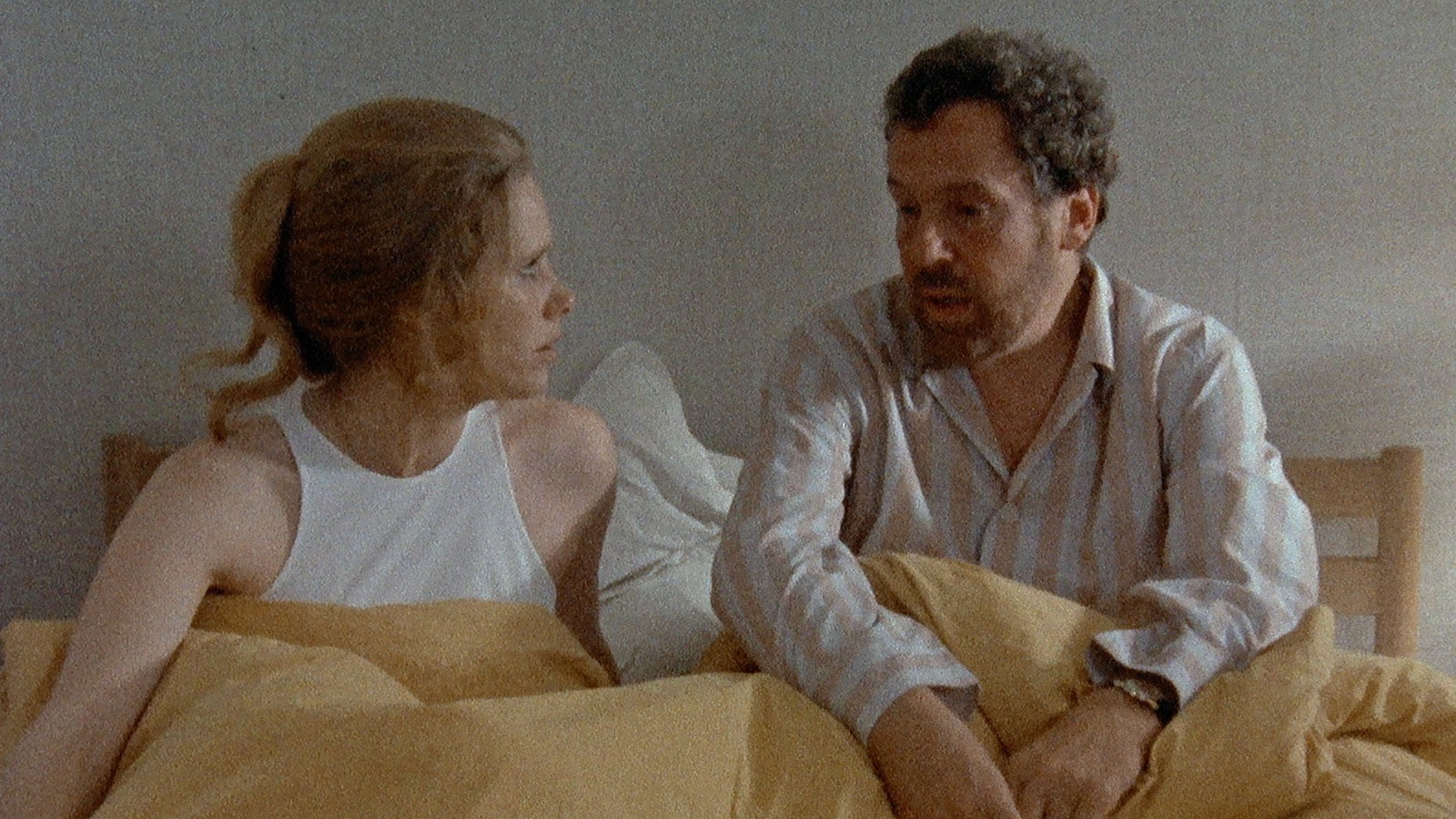
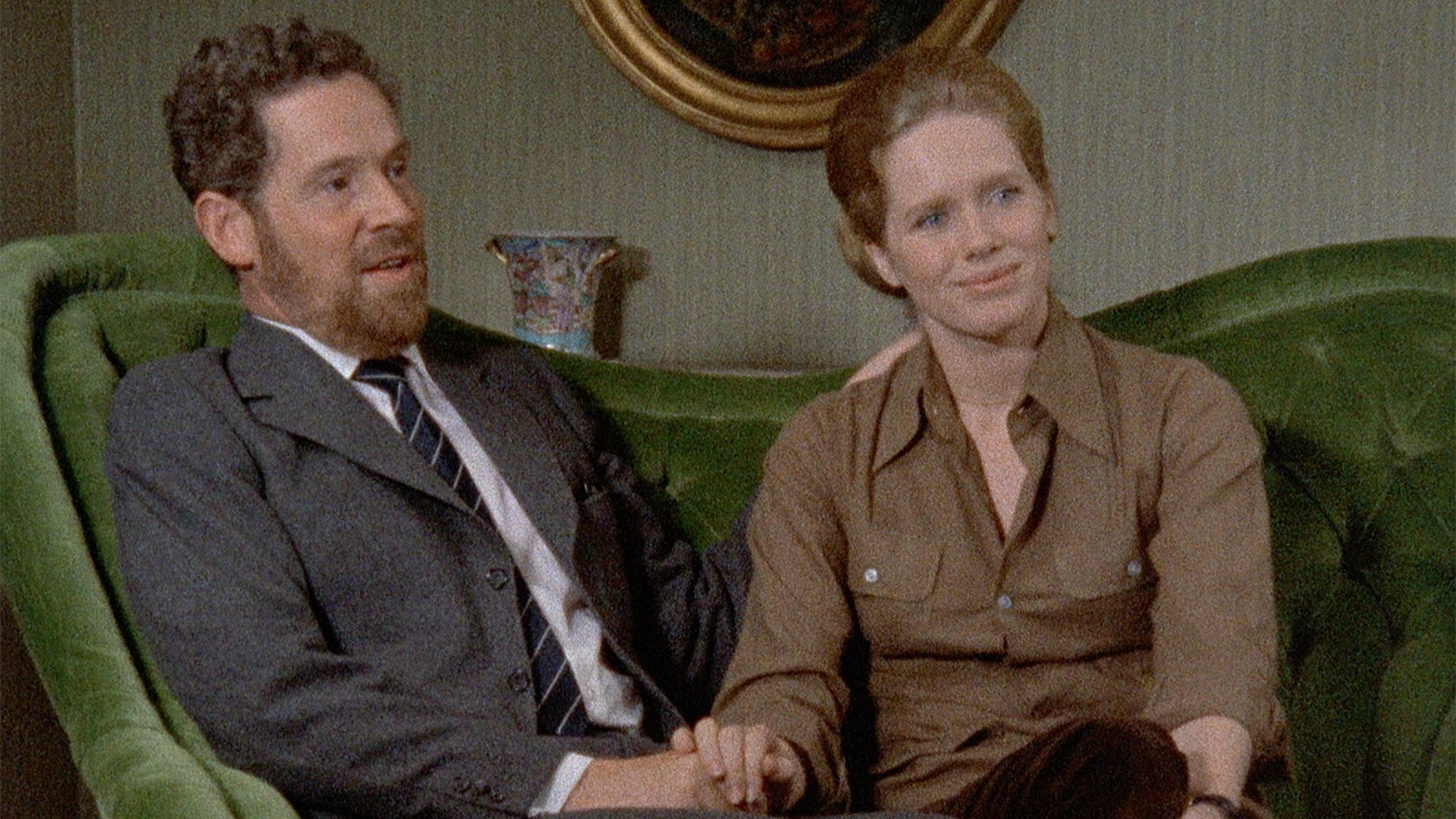
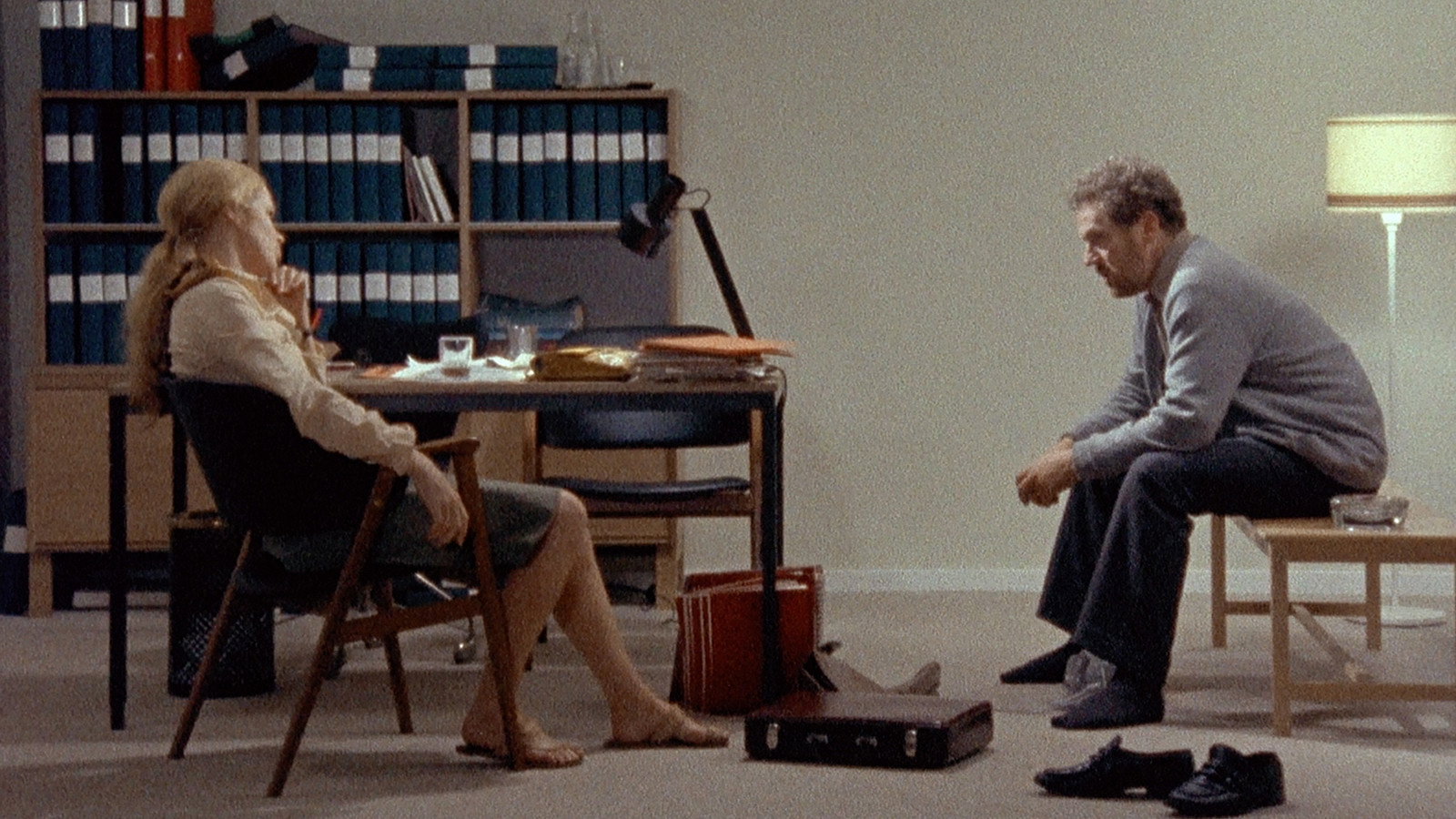
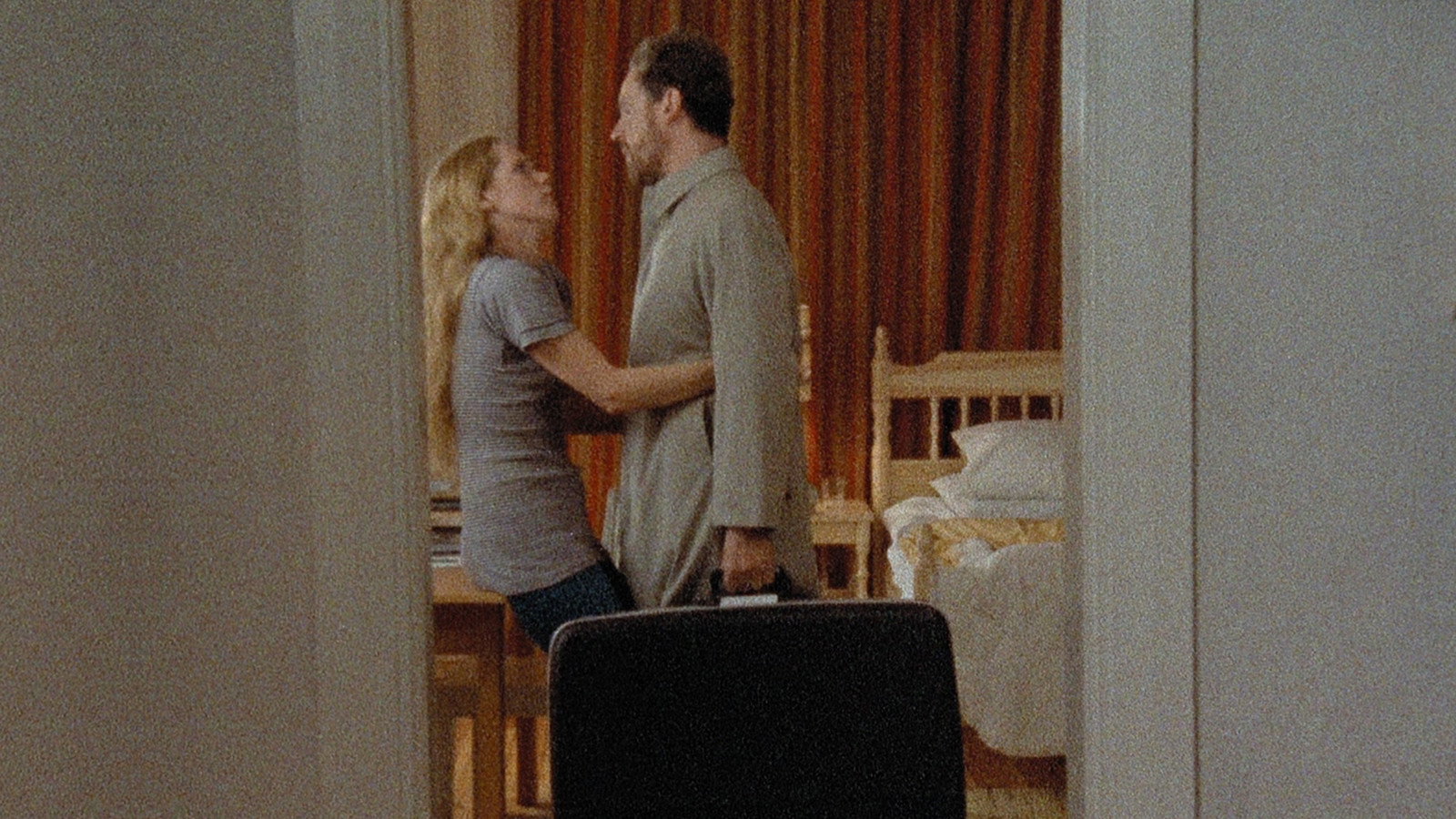
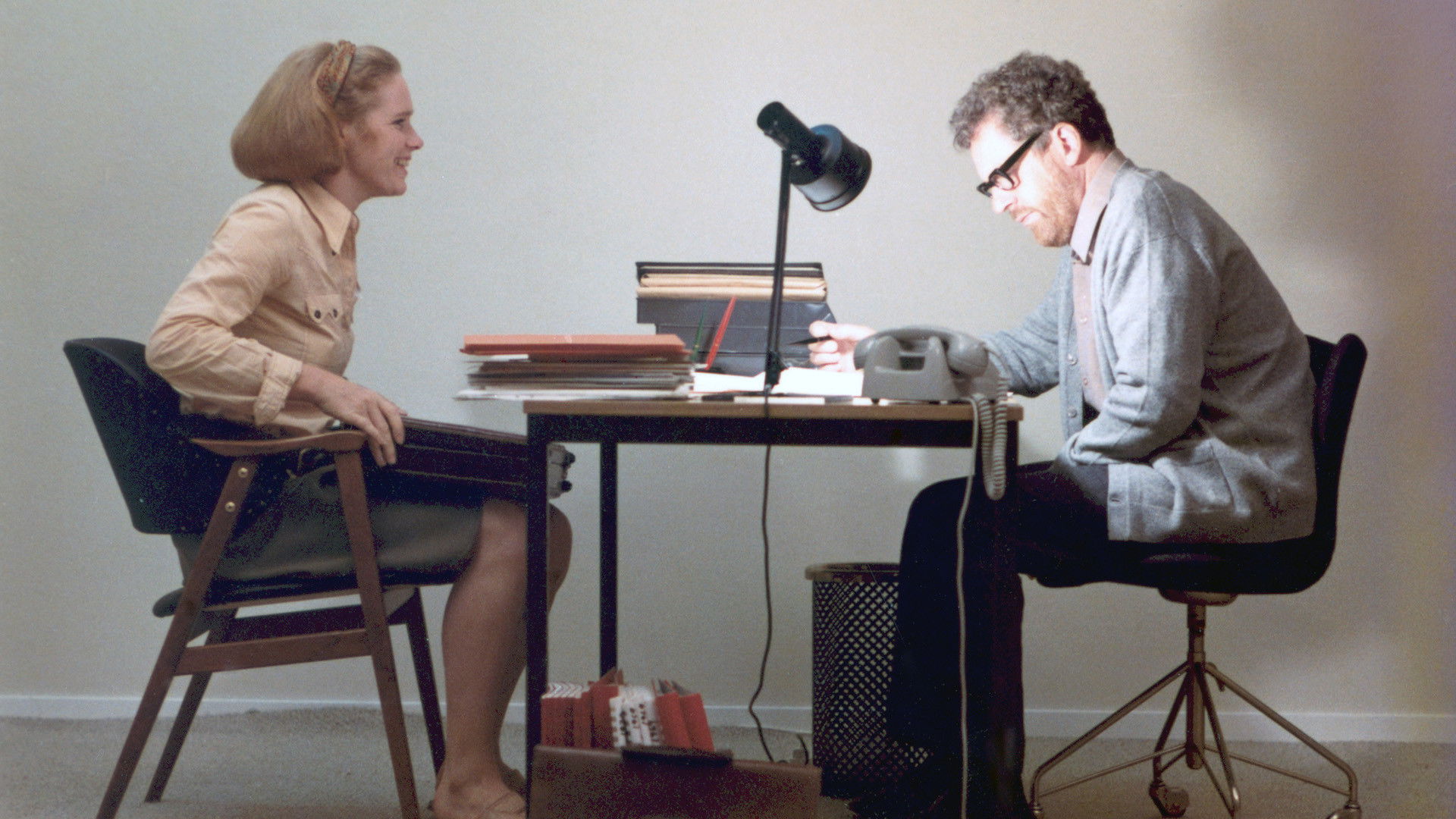
Marianne (Liv Ullmann) and Johan (Erland Josephson) talk about their marriage, finding plenty to say and less that the other wants to hear. Their exchanges move between affection and hurt, with ordinary nagging exposing doubts that polite conversation cannot settle. Katarina (Bibi Andersson) and Peter (Jan Malmsjö) also appear in this account of a marriage under strain. Much of the action takes place in rooms, where the couple keep returning to what they need from each other. Each wants to be understood; neither finds it easy to listen.

Fi1m review

Ingmar Bergman’s marital drama is painful, absorbing and worth the strain, with Liv Ullmann and Erland Josephson giving the quarrels an uncomfortable familiarity. The length and repeated arguments can wear us down, but the attention to these two people earns it.

Scenes from a Marriage is an absorbing, often distressing film about how married people speak when being understood has become difficult. Ingmar Bergman, who writes and directs, gives Johan and Marianne room to explain themselves, then makes us sit through the consequences of those explanations. We recommend it, with a warning about the stamina its 169 minutes require. The interest is in how these two people hurt each other, then justify what they have said with explanations that can be almost as painful.

Liv Ullmann makes Marianne’s need to be understood painfully clear without making everything she says seem fair. There is enough self-deception here to frustrate any wish for a straightforwardly sympathetic partner, and she lets the contradictions remain visible. Erland Josephson gives Johan the same uncomfortable freedom to seem reasonable while causing harm. Together, they make the conversations feel like encounters between people who know each other’s habits and still repeatedly misunderstand what is being said.

We flinched at the casual nagging, because the two actors make the hurt sound so ordinary. Nothing about the way they speak suggests that either needs a special occasion to be unkind. The writing also allows moments of happiness, which stop the unhappiness becoming an exercise in watching two people we simply want to get away from. We keep listening because there is something recognisable in their wish for closeness, even when their behaviour makes closeness difficult.

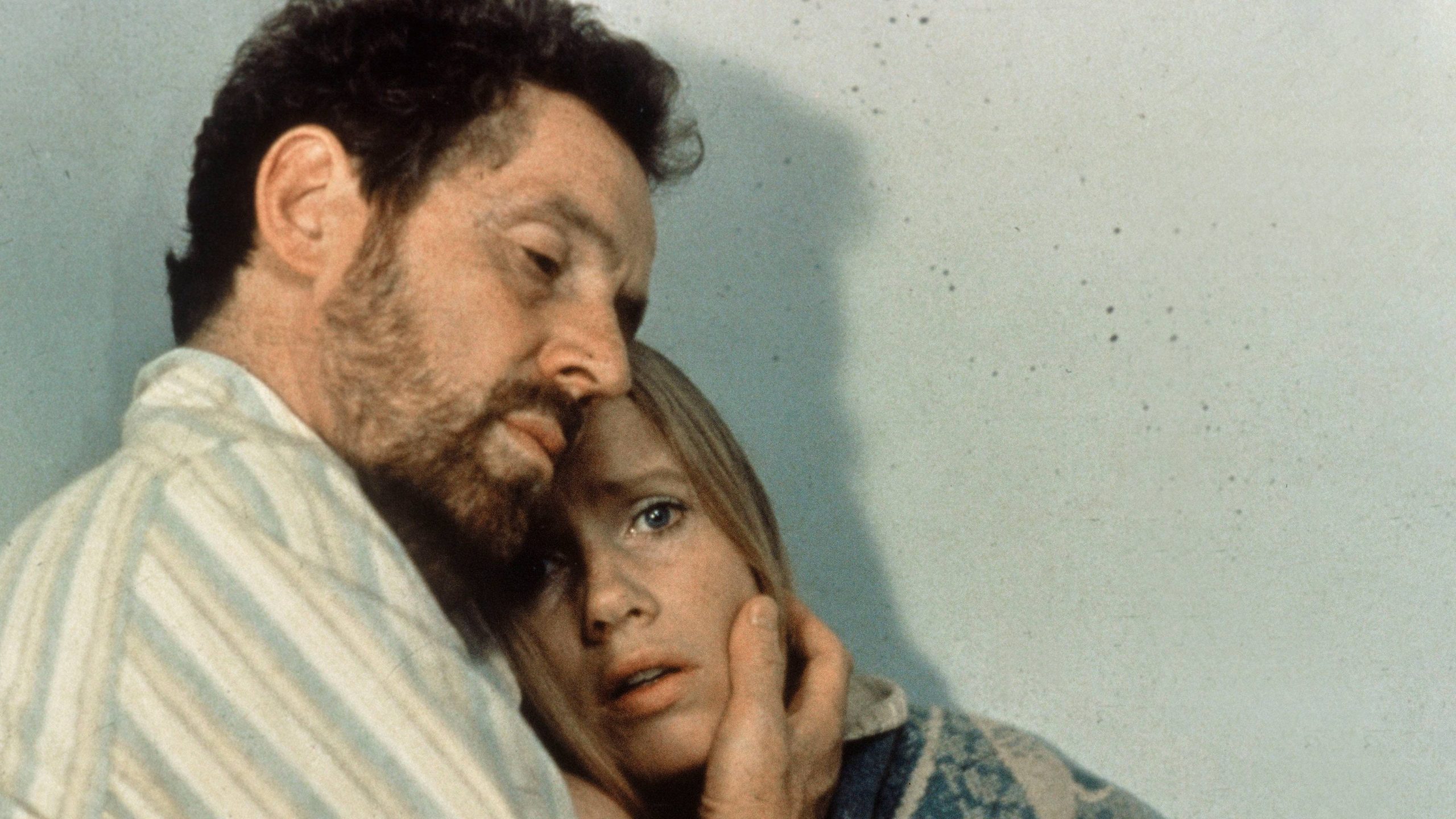
Sven Nykvist’s close-ups make it difficult to take refuge in the surroundings. Faces occupy our attention while conversations take place in rooms, and the stark presentation gives small changes of expression a weight that more elaborate staging might dissipate. Björn Thulin’s production design fits that restraint: the interiors leave us attending to the people rather than inspecting their possessions. This restricted space serves the performances, though it also makes a long film feel longer when an exchange begins to repeat itself.

Siv Lundgren’s editing has a difficult job here, giving a largely conversational drama enough movement without making the quarrels feel neatly managed. The film allows time for an explanation to become less convincing as it continues, and that patience often pays off. It does not always know when we have heard enough. A few of Ingmar Bergman’s exchanges exhaust their point before they end, and the accumulation of talk occasionally left us wanting a pause rather than another attempt to explain the same unhappiness.

In a marriage drama, talk can become a way of passing time until something happens. Here the repeated attempts to explain a feeling or justify an unkindness are enough to hold our attention for most of the running time. The writing lets happiness matter without treating it as proof that the trouble is imagined. A pleasant exchange does not mean these people have suddenly learnt how to live together, and the performances keep that uncertainty present without asking us to take sides.

Choose it for the performances, and allow the full evening. These performances deserve more attention than a film playing while something else gets done. If a long domestic argument is the last thing needed tonight, leave it for another night.
Critical consensus AI synthesised

88
Positive
5
Mixed
1
Negative
0

Most critics regard Scenes from a Marriage as an unusually intimate and emotionally exact account of a relationship under strain. Praise centres on Liv Ullmann and Erland Josephson, whose performances make the conversations, self-deceptions and casual cruelties feel painfully credible. The reviews also value Bergman’s stark staging and revealing close-ups: rooms and faces provide enough material for a searching examination of loneliness, failed communication and the connections that persist through marital disillusionment.

The spread is largely narrow, with five positive reviews and one mixed response. The main reservation concerns how exhausting such sustained scrutiny becomes, rather than the quality of the acting or Bergman’s psychological precision. Empire supplies the dissent, admiring both leads and the probing examination of the couple while recommending the film only to Bergman aficionados. Elsewhere, critics tend to treat the demanding length and emotional severity as integral to its honesty.

RogerEbert.com
15 September 1974 · ★★★★/4 · Roger Ebert
100

Ebert calls it one of the truest, most luminous love stories ever made, praising its realistic view of a disintegrating yet enduring relationship between Johan and Marianne. He singles out the performances of Liv Ullmann and Erland Josephson and Bergman's exploration of communication and connection beyond marriage.

Read the full review →
Slant Magazine
17 September 2018 · Chuck Bowen
90*

The review praises the film as a profound, lengthy exploration of marital disillusionment and self-deception that strips away polite facades through raw dialogue and performances. It singles out the Criterion Blu-ray's detailed new transfers for preserving the gritty, intimate visual texture and facial close-ups central to the drama.

Read the full review →
The New Yorker
16 September 1974 · Penelope Gilliatt
90*

The critic calls Bergman’s film a wonderful, rueful exploration of a modern marriage that replaces love with need, amounting to a kind of blasphemy in its failures of comprehension. She singles out the couple’s nagging and casual acts of emotional harm, set against moments of happiness, as the core of this account of grown-up love.

Read the full review →
The New York Times
16 September 1974 · Vincent Canby
90*

Canby hails it as the first major film event of the autumn season and a superb, extraordinarily intimate work examining the molecular structure of a human relationship. He praises its complex, beautiful design and intensely moving quality, noting the pointillist visual effect from the 16mm-to-35mm blow-up and the performances of Liv Ullmann and Erland Josephson.

Read the full review →
Time Out
10 September 2012 · GA
90*

The film is an exhaustive study of doubt, despair and loneliness in a crumbling marriage, remaining stylistically stark with most action consisting of conversations in rooms. The superb performances, framed in revealing close-ups, deliver an uncompromisingly harrowing and honest account of male-female relationships.

Read the full review →
Empire
1 January 2000 · Colin Kennedy
65*

The critic finds the film an exhaustive and exhausting examination of a failing marriage, recommending it only for Bergman aficionados. They praise Bergman's surgical precision in exploring the human psyche and the performances by Liv Ullmann and Erland Josephson.

Read the full review →

Cast

Stills

If you liked this, try…

Who's Afraid of Virginia Woolf? poster

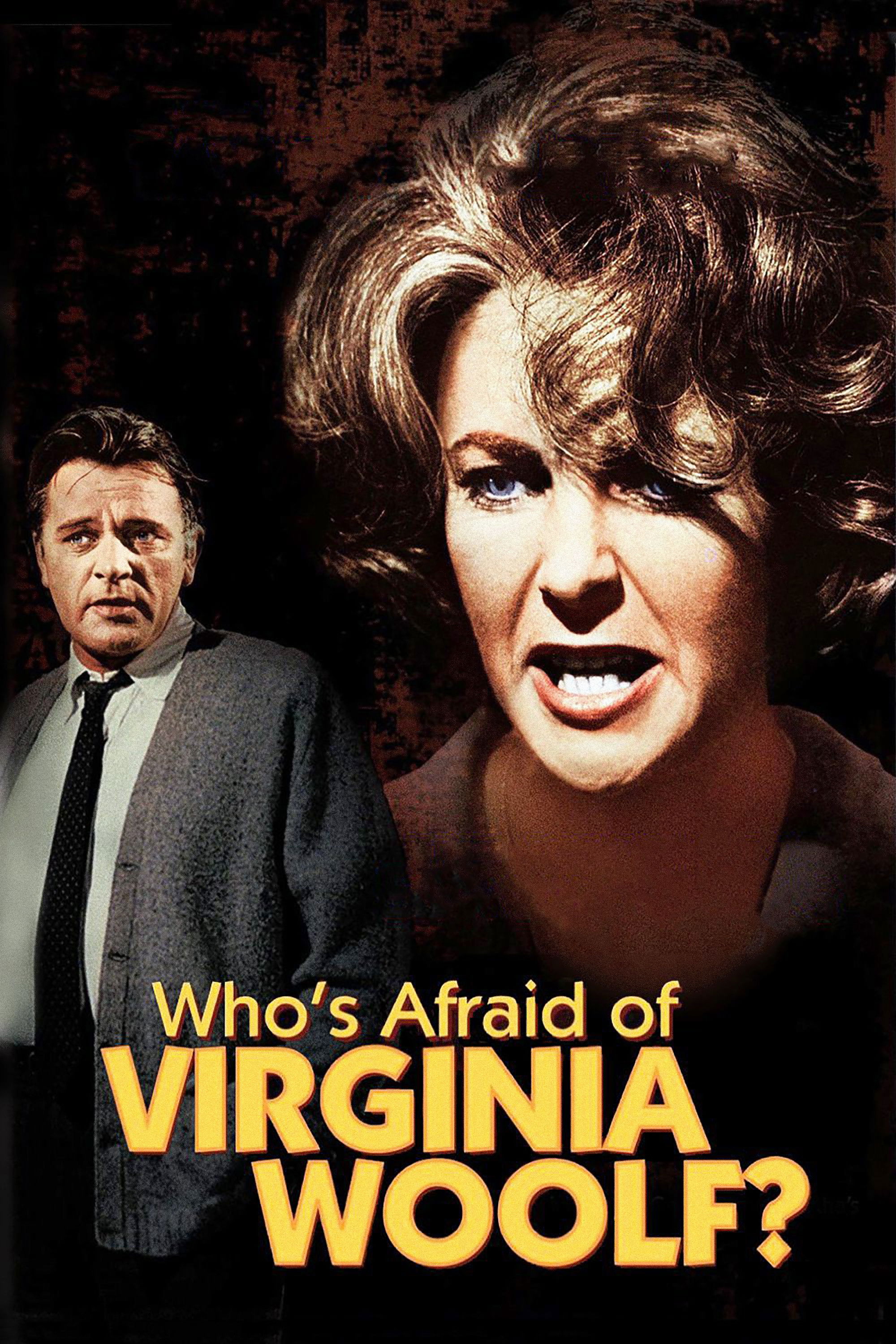
Who's Afraid of Virginia Woolf?

1966 · Another marriage conducted through arguments, with less restraint and more drink.

A Separation poster93

A Separation

2011 · A marital dispute draws others in, with painful attention to competing obligations.

45 Years poster88

45 Years

2015 · A long marriage comes under scrutiny through small, unsettling shifts in behaviour.

La Notte poster

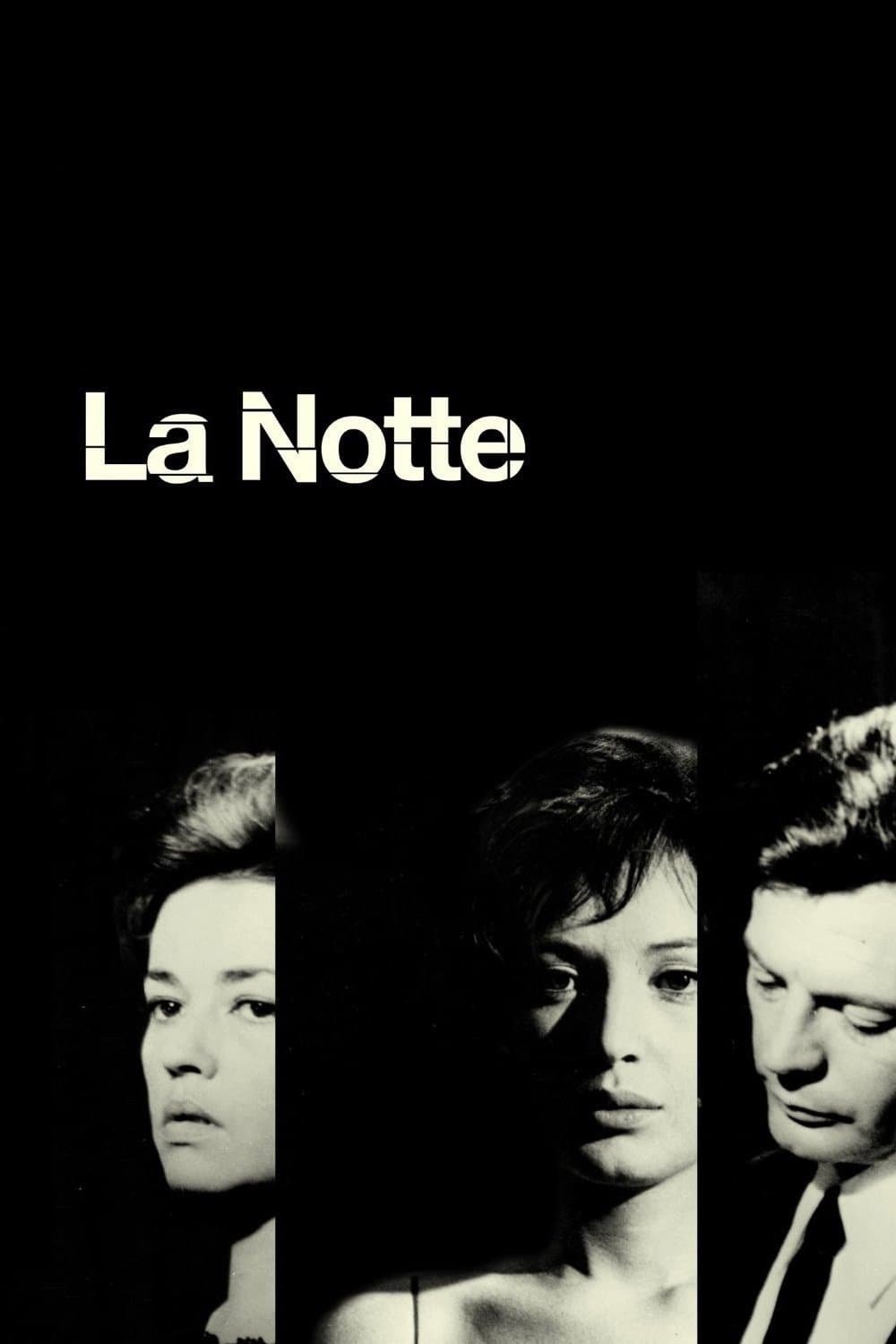
La Notte

1961 · A couple’s estrangement emerges through silences as revealing as these arguments.

The Woman Next Door poster

The Woman Next Door

1981 · For another unsparing account of grown adults making love difficult for themselves.