Ingmar Bergman makes Cries and Whispers a harrowing study of care that we recommend with a warning about its severity. The four leads give the women more life than their rather schematic roles promise.
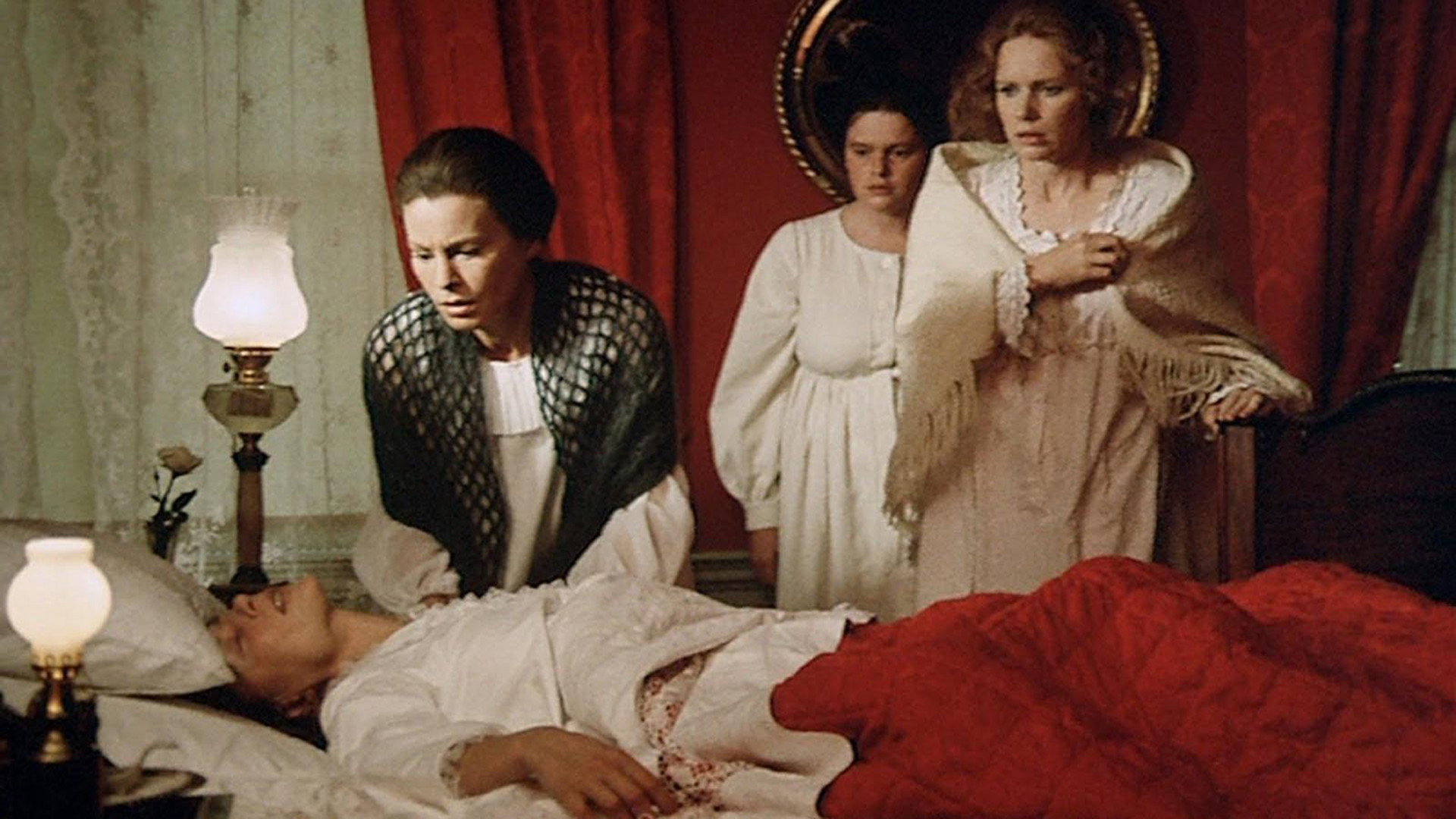
Cries and Whispers is a difficult film to sit through, and a fine one, because Ingmar Bergman takes the ordinary obligation to care for somebody and makes us feel how much it can demand. Agnes is dying in a manor house, attended by her sisters Maria and Karin and the maid Anna. The task seems plain enough: stay nearby, offer comfort, bear witness to pain that cannot be removed. Bergman is interested in why even this much can defeat a family.
Harriet Andersson gives Agnes an immediate claim on our attention that makes grand explanations of the film seem beside the point. We were distressed by Agnes’s suffering because Andersson makes her need for comfort so urgent, with no assurance that her family can meet it. The sisters’ presence offers little reassurance when they find tenderness so difficult. Bergman makes the uncertainty of their care almost as painful to watch as the illness itself.
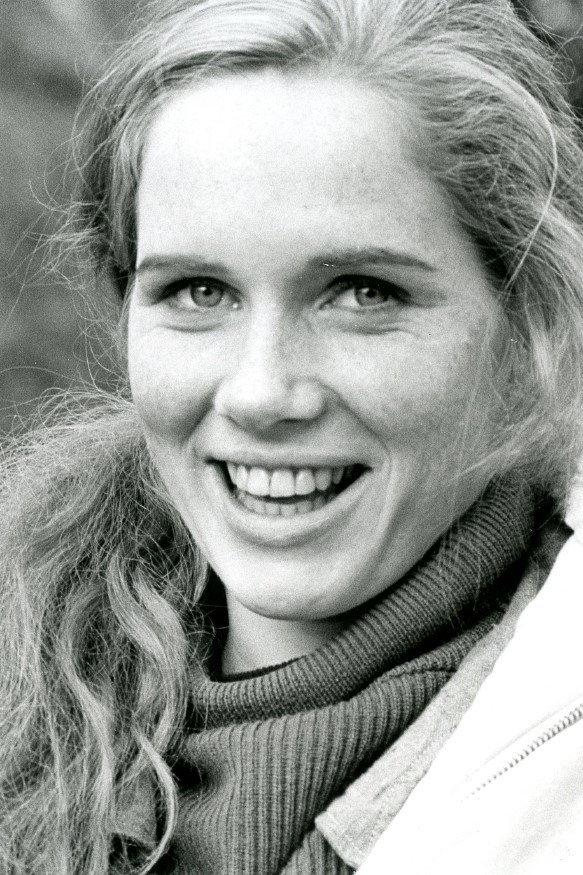
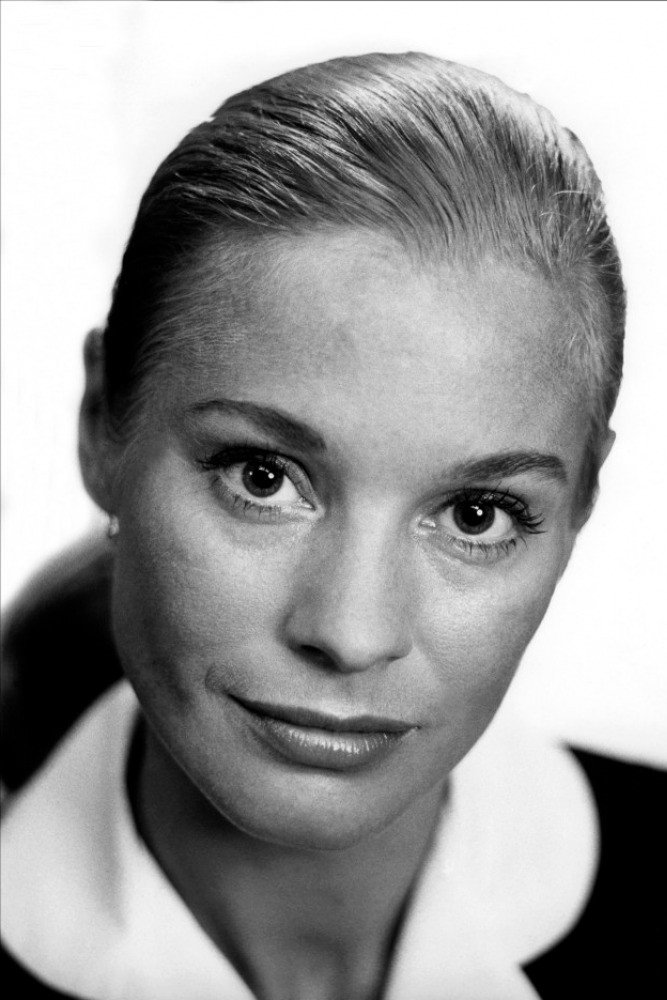
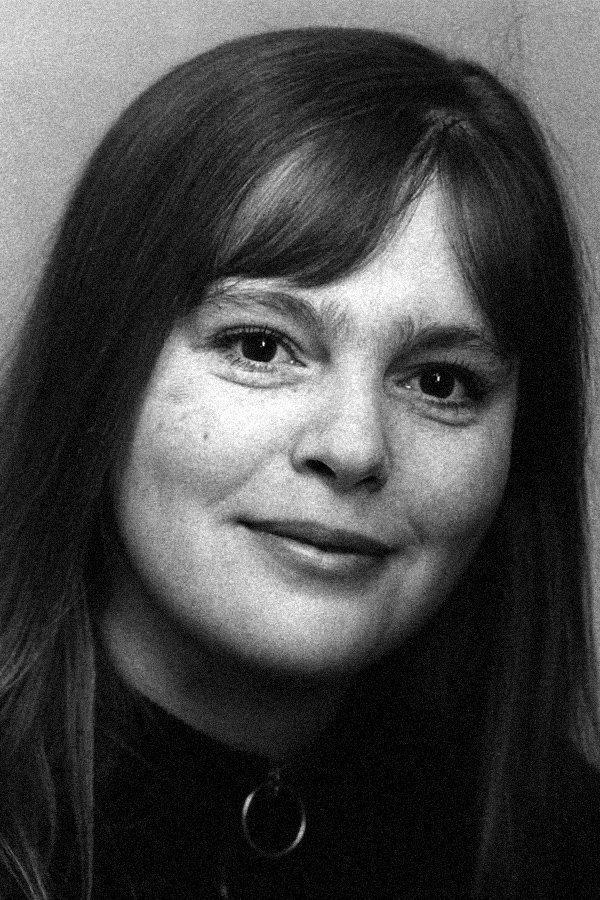
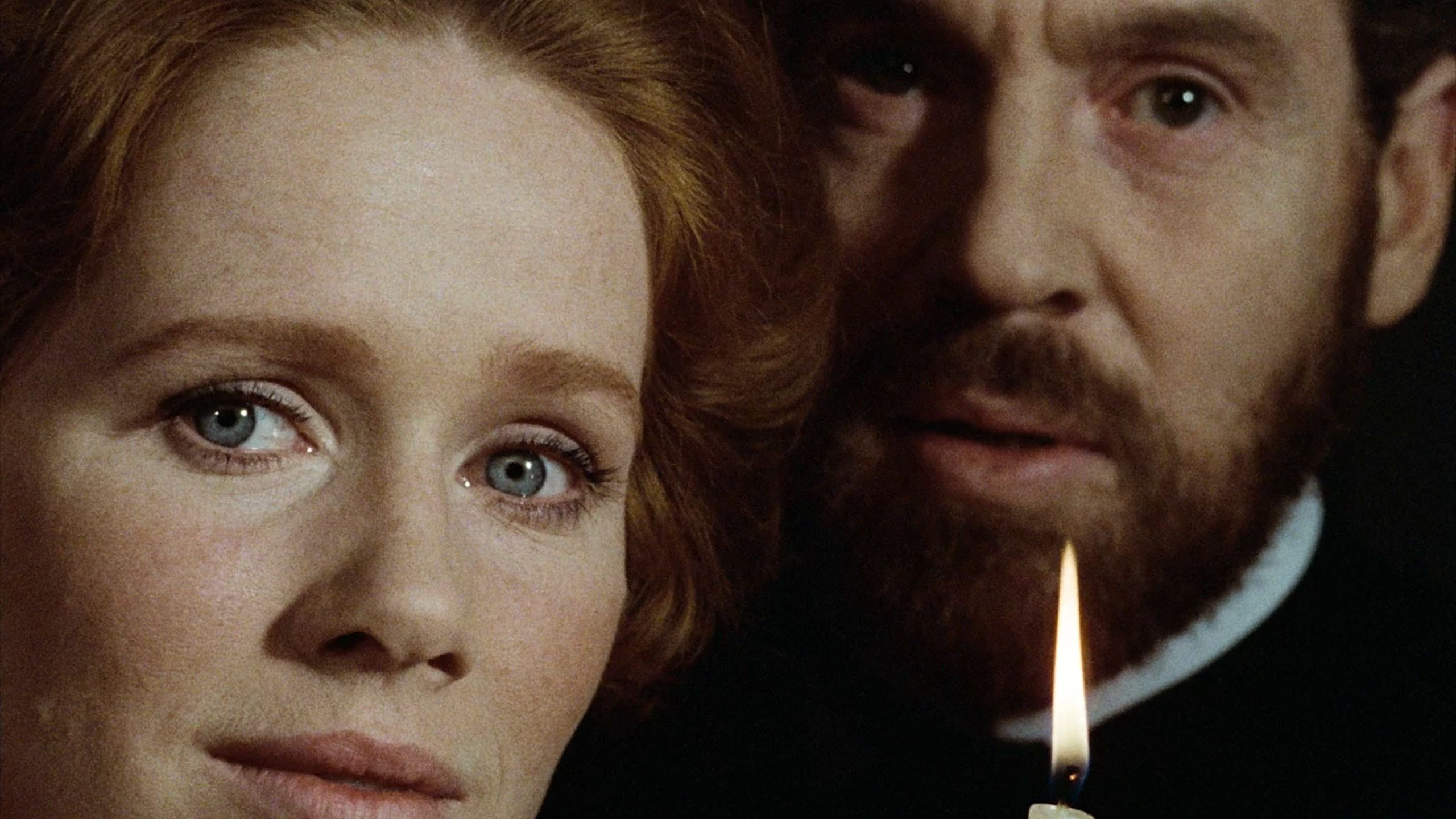
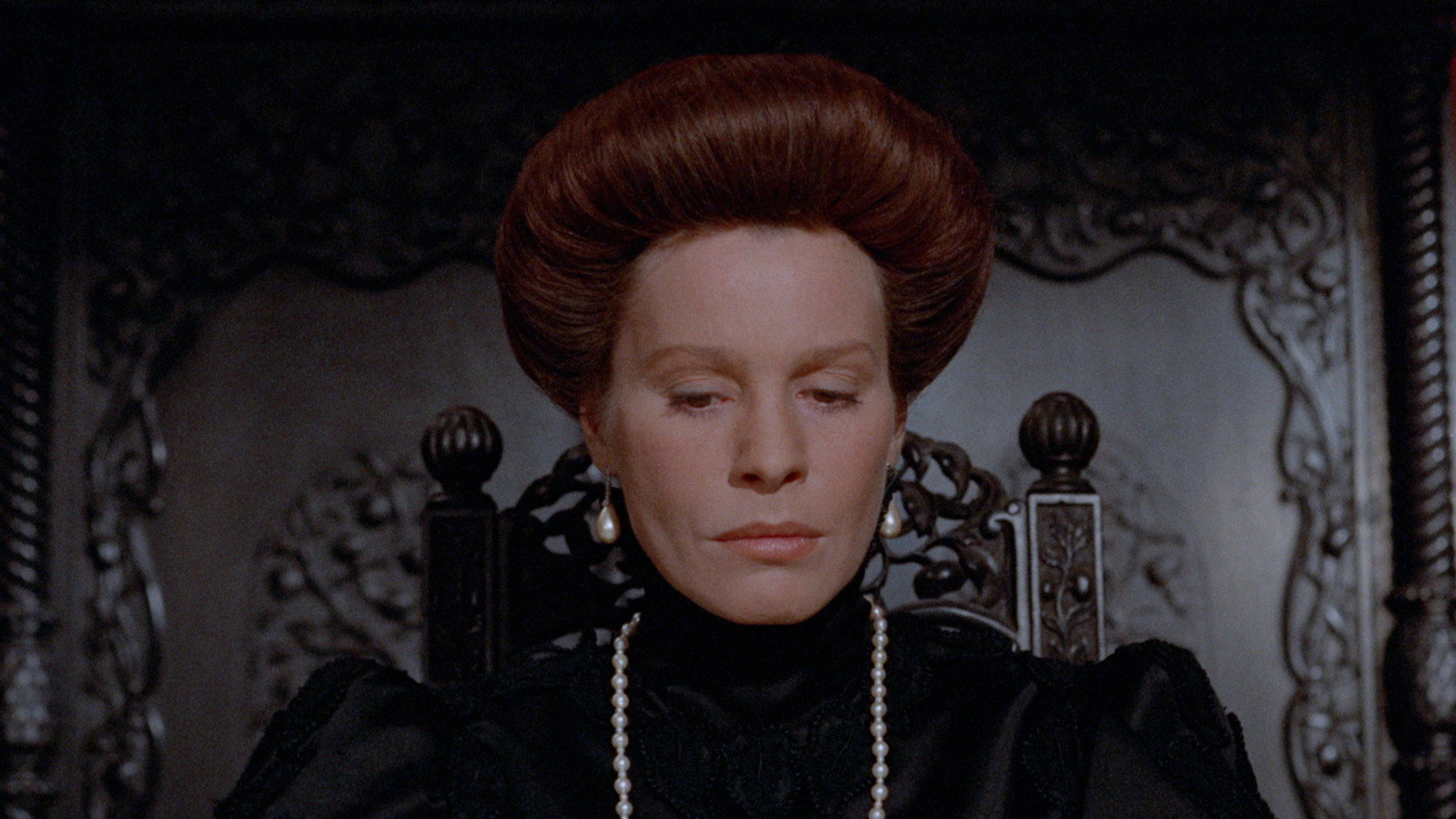
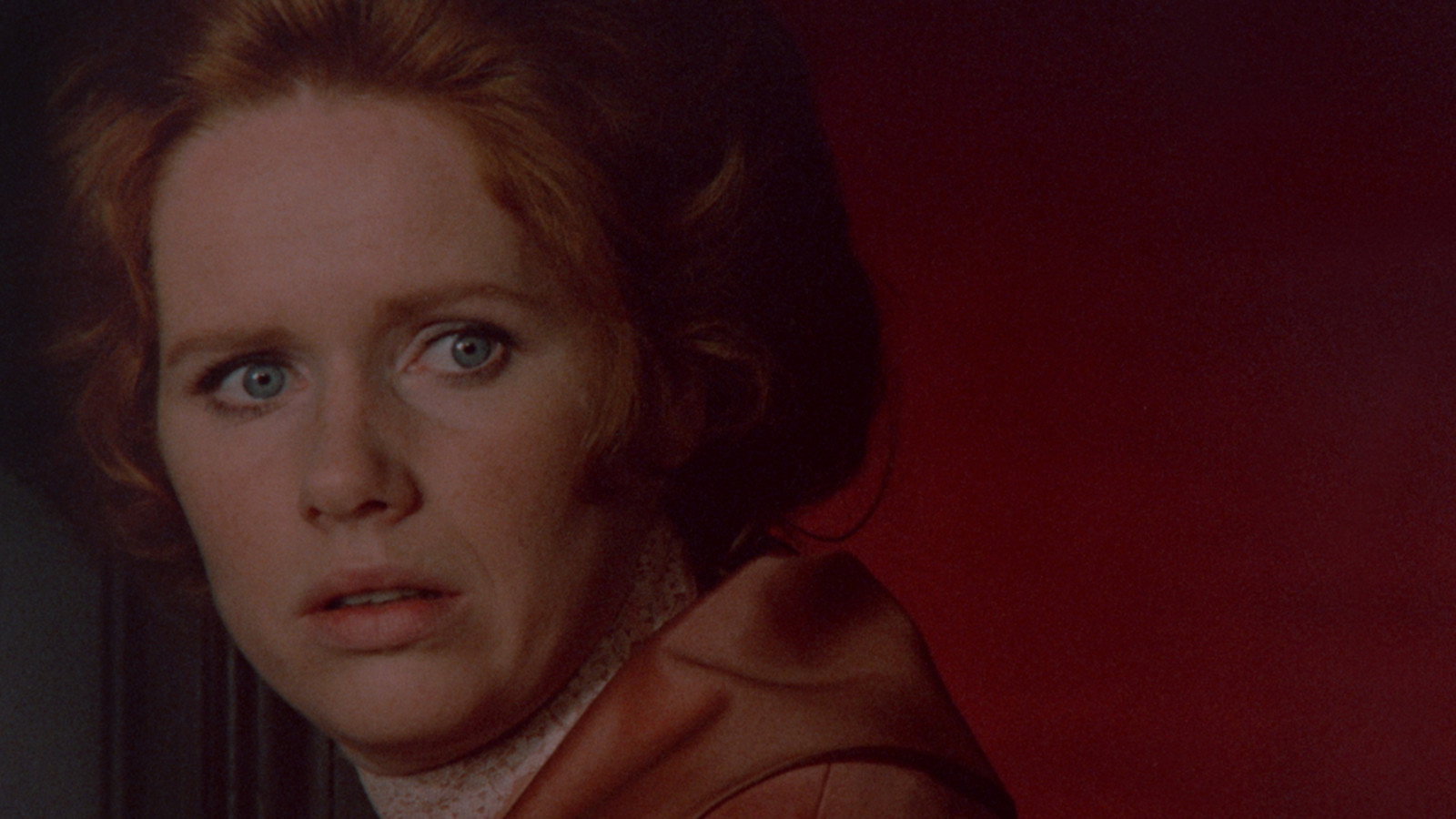
Liv Ullmann as Maria and Ingrid Thulin as Karin make the sisters’ estrangement painful without making it easy to excuse. There is enough recognisable family discomfort in their performances to prevent every failure of tenderness from looking like a special case devised for a grim drama. Kari Sylwan, as Anna, gives the film its clearest example of compassion, and also exposes a weakness in the writing. With the maid so firmly associated with care, and the sisters with their inability to offer it, the distinctions between them can become too tidy.
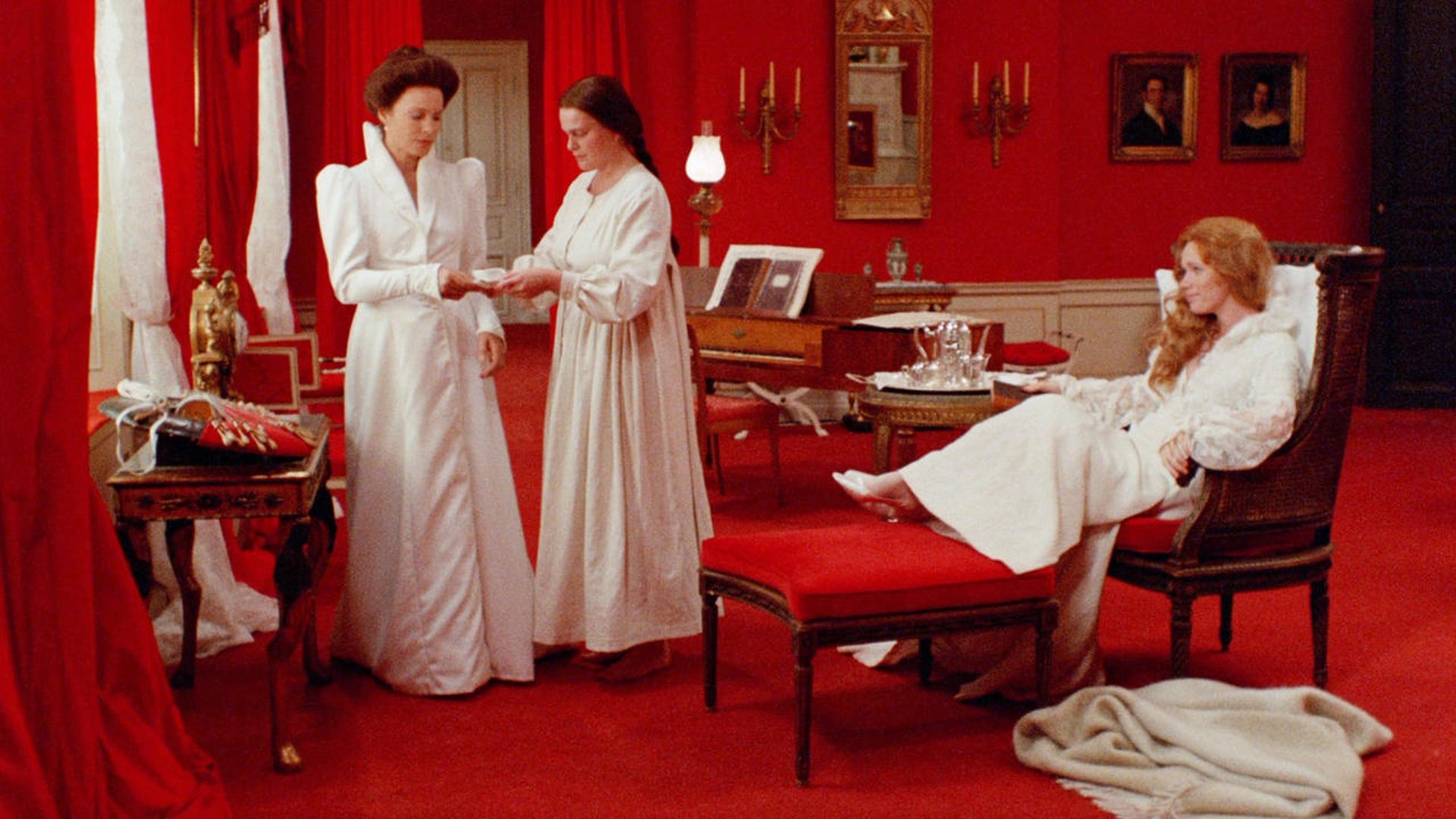
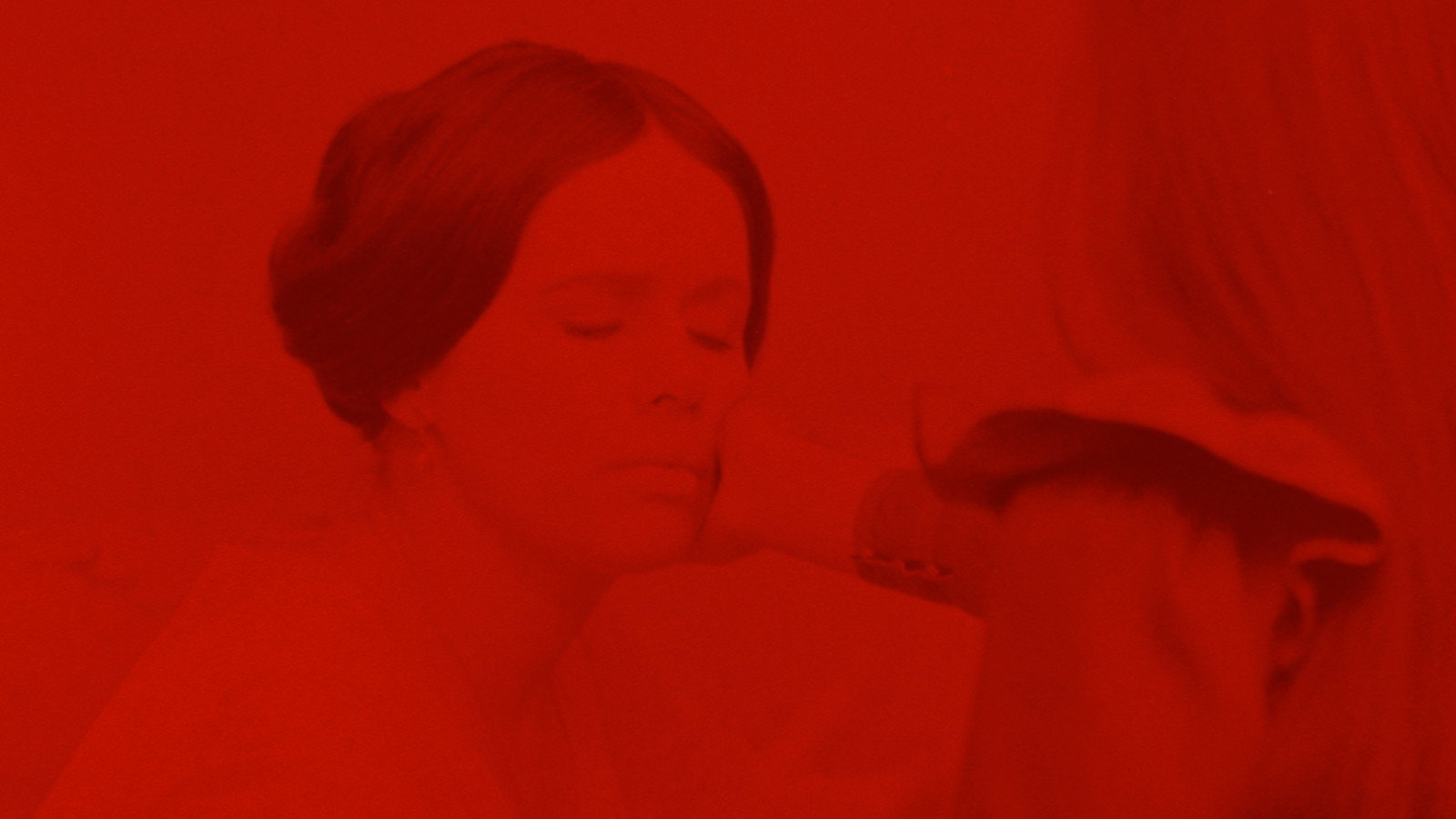
Sven Nykvist’s cinematography and Marik Vos-Lundh’s production design make the red rooms feel oppressive even without an explanation of the family’s grievances. The white clothes, also designed by Marik Vos-Lundh, stand out against those walls with an insistence that can be tiring; little in the image allows us to forget the suffering. We think the colour works because it makes the house difficult to settle into, keeping the discomfort present even when our attention wanders from the women. It is also where Bergman comes closest to doing too much.
Siv Lundgren’s editing sustains a meditative pace, keeping attention on the women rather than promising relief through incident. At 95 minutes, the film is short enough, but its concentration can make it feel much longer. That is largely right for a drama about the difficulty of remaining with another person’s pain. Still, when the red imagery keeps pressing the same point, we become conscious of how firmly Bergman is directing our response.
Within the family drama, Bergman chooses a particularly severe test of affection: whether it can survive prolonged exposure to helplessness. We recognise the expectation that relatives should somehow know how to help, and the shame when they do not. That gives the film a reach beyond its period rooms, without needing to turn the women into representatives of all human suffering. We would have preferred a little more room for their muddle and a little less certainty about what each represents.
Choose it for an evening when there is time to pay attention and no need to be cheered up. We would not put it on simply because its 95 minutes fit a gap before bed. Allow some quiet afterwards.