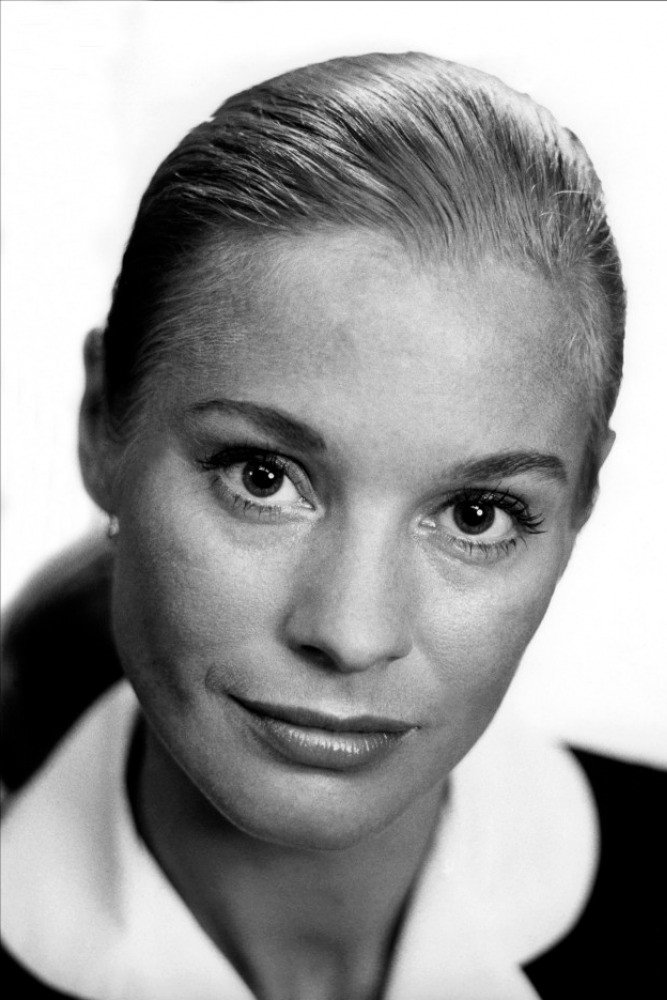
Ingrid Thulin makes cold, difficult women painfully recognisable through a look or a small gesture. We rate her Bergman work highly, but her international films make less consistent use of that intensity.
Fi1m perspective
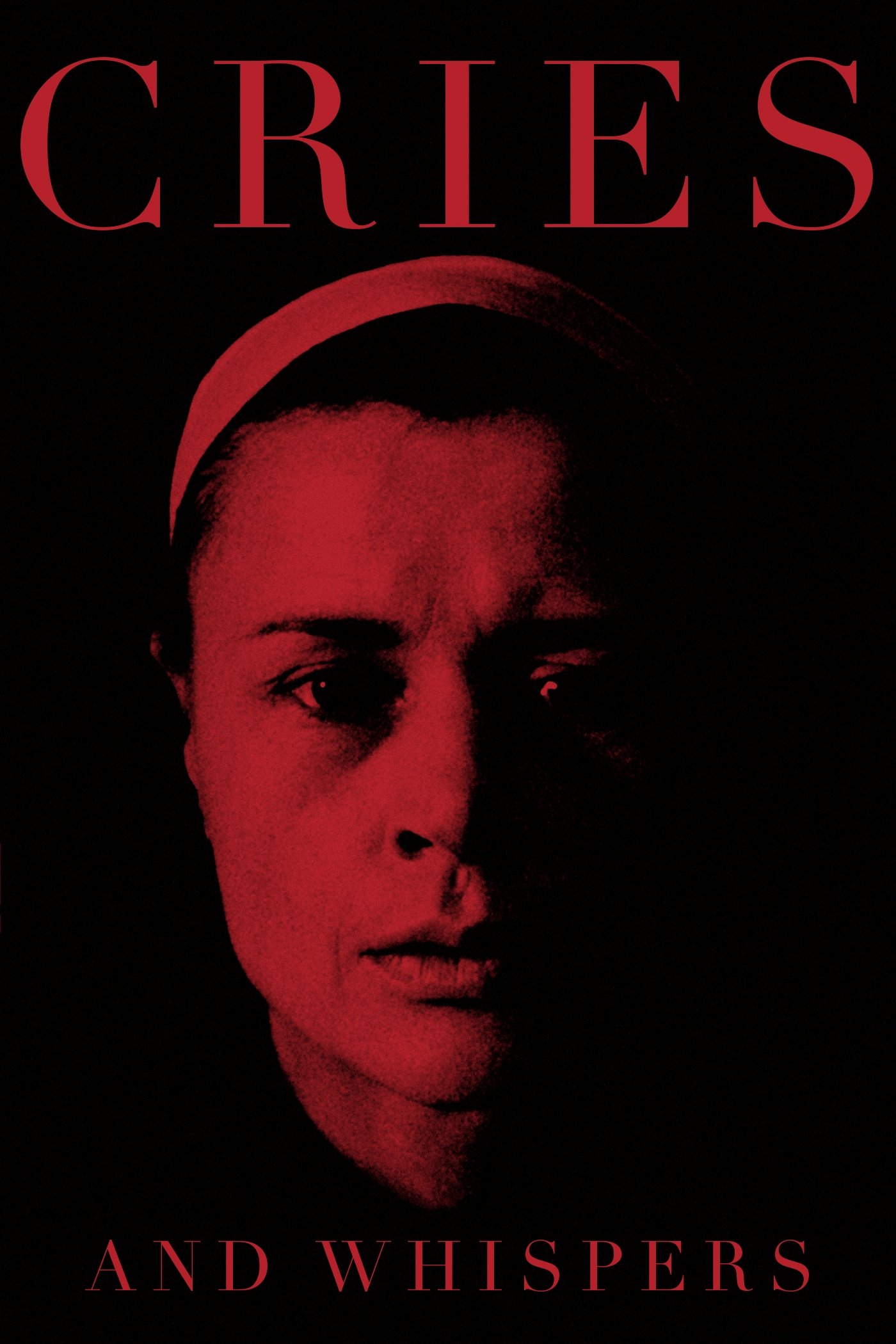
In Cries and Whispers (1972), Ingrid Thulin's Karin makes family estrangement recognisable enough to be uncomfortable. Alongside Liv Ullmann's Maria, she gives the sisters' failures of tenderness a familiarity that stops them seeming invented merely to make a grim film grimmer. We felt uneasy watching the pair, because their inability to offer comfort was so ordinary and so difficult to excuse. Thulin does not need our affection for Karin to hold our attention. That is a considerable strength in an actor so often cast as cool, anguished women.
The breakthrough in Wild Strawberries (1957) led to a sustained collaboration with Ingmar Bergman, whose films remain the strongest reason to seek her out. The Silence (1963) gave her another anguished woman whose intelligence did not protect her from distress. Across this work, gestures and a penetrating gaze let her convey suffering without depending entirely on dialogue. Bergman found a use for her coolness by placing her alongside more hopeful or vivacious women, so that isolation became something visible between people.
The risk is that such casting turns her into the designated unhappy woman, and even Bergman is not immune to making the distinction too simple. In Cries and Whispers, Kari Sylwan's Anna is so firmly associated with compassion that the sisters can seem to have been assigned its opposite. Thulin and Ullmann keep that arrangement from accounting for everything we see. Their recognisable family discomfort gives Karin and Maria more life than the writing's categories allow, though it cannot entirely remove the tidiness of the contrast.
Her international work, which expanded in the 1960s, made less consistent use of her. Visconti's The Damned (1969) is a notable success, but The Four Horsemen of the Apocalypse (1962) finds her closer to going through the motions. The latter is not a useful place to begin with her. Start with Cries and Whispers, but leave it for an evening when there is an appetite for something severe.
Biography
Ingrid Thulin (also credited as Ingrid Lilian Thulin) was a Swedish actress and director. She was born on 27 January 1926 in Sollefteå, Sweden, and died on 7 January 2004 in Stockholm. She trained at the Royal Dramatic Theatre in Stockholm after studying ballet.
Thulin appeared in several films directed by Ingmar Bergman, including Wild Strawberries (1957), The Magician (1958), Winter Light (1963), The Silence (1963) and Cries and Whispers (1972), in which she played Karin. She also acted in Luchino Visconti's The Damned (1969) and other international productions.
She shared the Best Actress award at the 1958 Cannes Film Festival for Brink of Life and received the first Guldbagge Award for Best Actress in 1964 for The Silence. She was nominated for a BAFTA Award for her performance in Cries and Whispers. Thulin was married to Harry Schein, founder of the Swedish Film Institute, from 1956 until their divorce in 1989.