Critics’ reviews

Cries and Whispers (1972)

10 reviews from 10 publications. Critics’ score 78: 9 positive, 0 mixed, 1 negative.

Back to our review of Cries and Whispers

78
Positive
9
Mixed
0
Negative
1

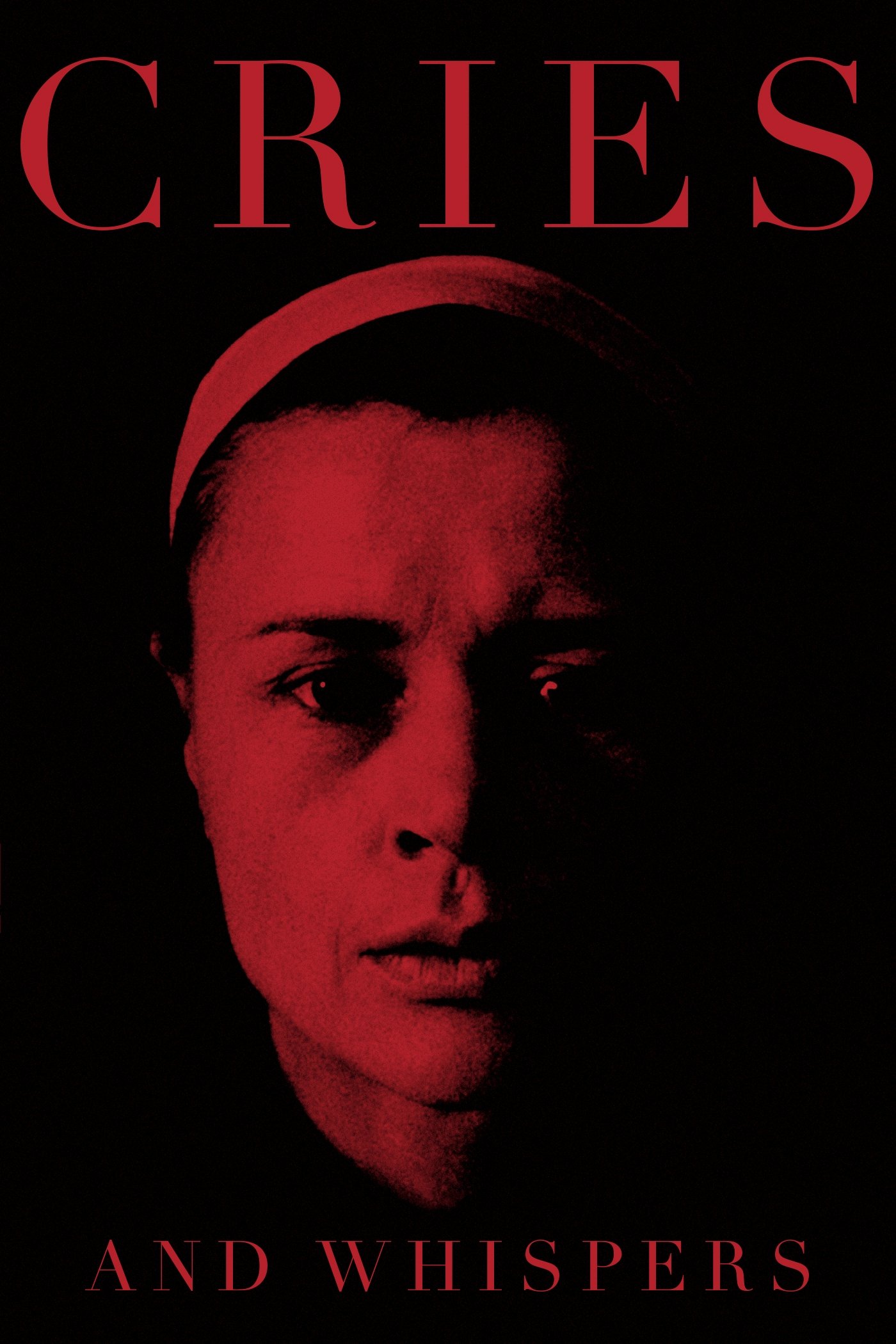
Most critics respond strongly to Bergman’s study of estrangement, repression and mortality, finding its emotional force disturbing but often moving. Praise centres on the dominant red interiors and the cinematography, which make the sisters’ suffering and failed attempts at intimacy feel oppressive and immediate. The reviews also value the contrast between familial bitterness and Anna’s compassion, while the four lead performances draw praise for giving the anguish a recognisable human weight.

The spread is wide despite nine of the ten reviews being positive, with disagreement turning chiefly on whether the imagery deepens the drama or overwhelms it. Time Out admires the visual appeal but finds that form sometimes overshadows content. Slant Magazine supplies the lone negative assessment, arguing that the red symbolism and religious suffering lack depth and that the craftsmanship becomes manipulative; most critics instead find the film’s emotional impact persuasive.

RogerEbert.com
12 February 1973 · Roger Ebert
90*

The film is hypnotic, disturbing and frightening, enveloping viewers in a red membrane of passion and fear. It communicates on a deep level of human feeling through scenes of Anna embracing the dying Agnes and the sisters' failed attempt to connect.

Read the full review →
The New Yorker
30 December 1972 · Pauline Kael
90*

The film has oracular power and feels like a nineteenth-century European masterwork in a twentieth-century art form. It is set in a manor house where a woman dies of cancer, with Bergman dividing the women into schematic roles and achieving a supernal quality through cinematography reminiscent of Munch.

Read the full review →
The New York Times
22 December 1972 · Vincent Canby
90*

Bergman's new film is magnificent, moving and very mysterious, with a focus so sharp it seems seen through fever. It offers an extremely disturbing but ultimately touching study of human communication and the soul searching for love.

Read the full review →
The Times
1 April 2022 · ★★★★☆ · Kevin Maher
90*

The critic finds Bergman at his most brilliant and brutal in this psychodrama about three sisters and emotional repression. The film exposes the lies of polite society through its red interiors and disturbing climax of self-mutilation.

Read the full review →
Empire
1 January 2000 · David Parkinson
75*

The review highlights Bergman's success in crafting an intense study of solitude, disappointment, godlessness and death through the feuding sisters and the compassionate maid Anna. It singles out the dominant red colour scheme and the film's evocation of the soul as a red monster for particular note.

Read the full review →
Los Angeles Times
3 April 2015 · Andy Klein
70*

Bergman came roaring back with this film solidly in the existential/emotional angst mode of his best work. Memories and long-simmering conflicts bubble up in the story of the dying woman attended by her sisters and maid.

Read the full review →
Time Out
15 July 2024 · VG
70*

The critic views the film primarily as psychodrama rather than religious allegory, praising its visual seductiveness while noting that form sometimes overshadows content. Specific scenes, such as one character being undressed by her maid, are singled out as powerfully conveying themes of repression and disguise.

Read the full review →
Slant Magazine
31 March 2015 · Clayton Dillard
40*

The critic finds the film overly reliant on symbolic red imagery and Christ-like suffering without sufficient depth or historical context, preferring Bergman's more reflexive earlier works like Persona. Praises the Criterion transfer but faults the film's manipulative craftsmanship.

Read the full review →
Eye for Film
29 March 2002 · ★★★★★ · Trinity
100

The critic describes the film as a hypnotic dream play and high point for Bergman, praising its vivid despair, exquisite cinematography by Sven Nykvist, period detail in the red-hued rooms, and strong performances by the four lead actresses as a masterful portrayal of estrangement.

Read the full review →
Collider
21 May 2015 · Andre Dellamorte
70*

The critic views the film as a meditative and searing portrait of death and the color red that is resonant and the definition of art cinema, though not easy viewing. The intense focus on familial relations and the acceptance of mortality stands out as particularly powerful.

Read the full review →

Ordered by the weight we give each publication, then by score. Scores are normalised to 100; * means inferred from an unrated review. Summaries are ours, not quotations; follow the links for the reviews themselves. How we rate