Hagai Levi’s remake of Bergman’s 1973 series gives Jessica Chastain and Oscar Isaac five hours to take a marriage apart, and they do it with rare skill. Around them the series is handsome, careful and short of anything the original had not already said.
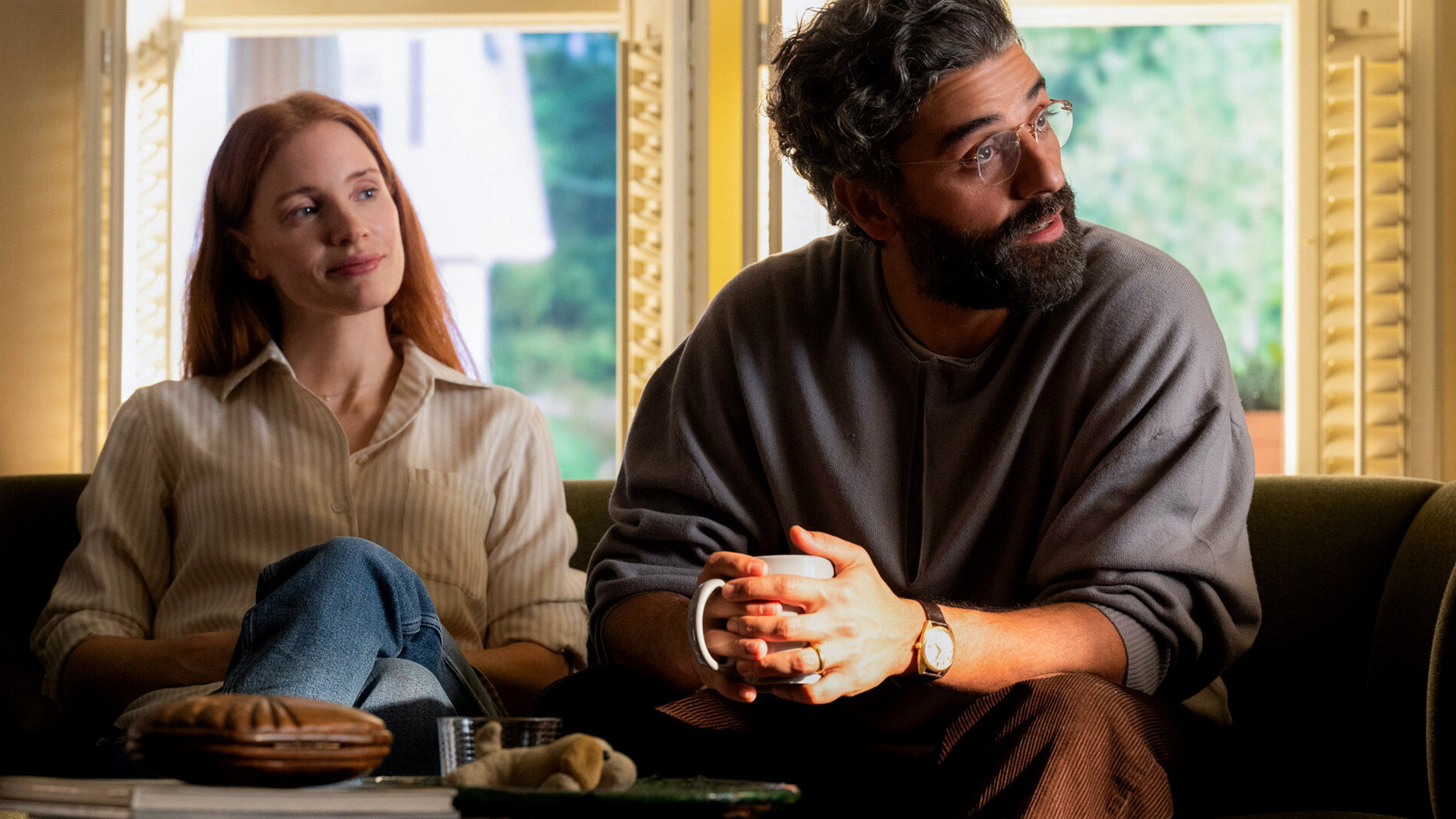
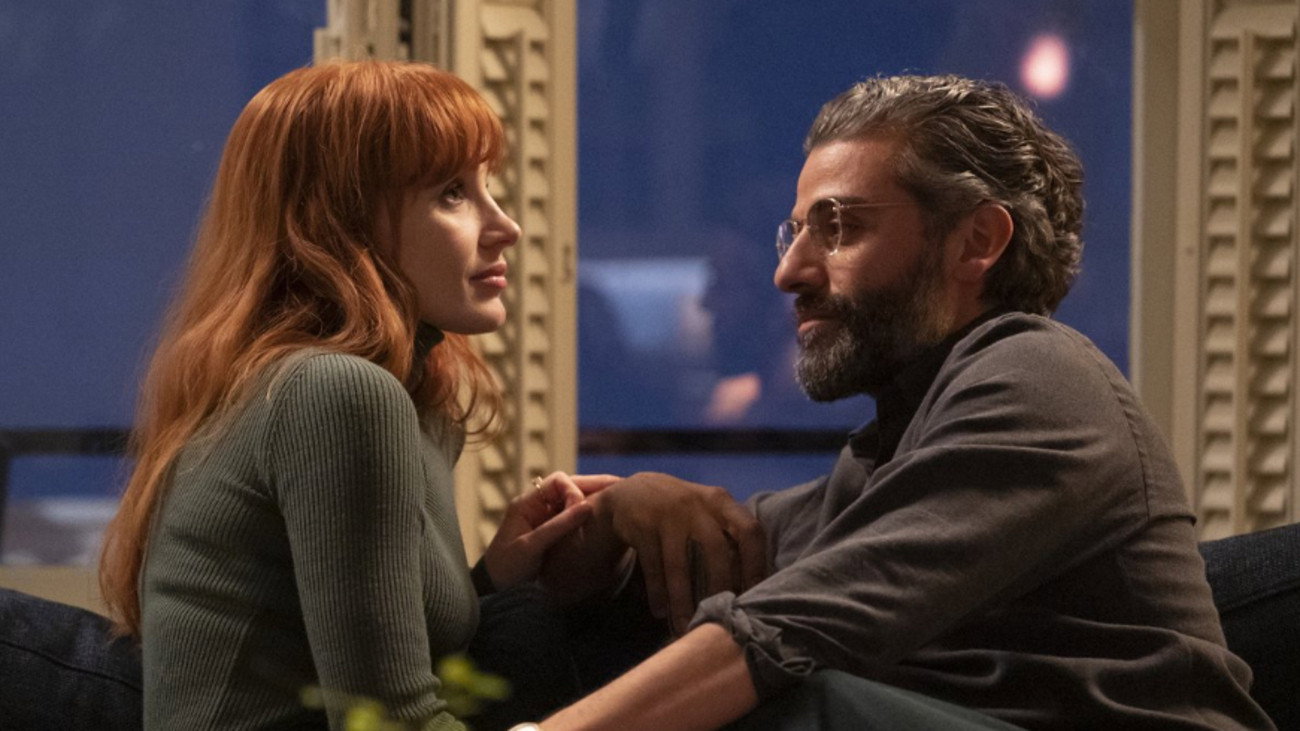
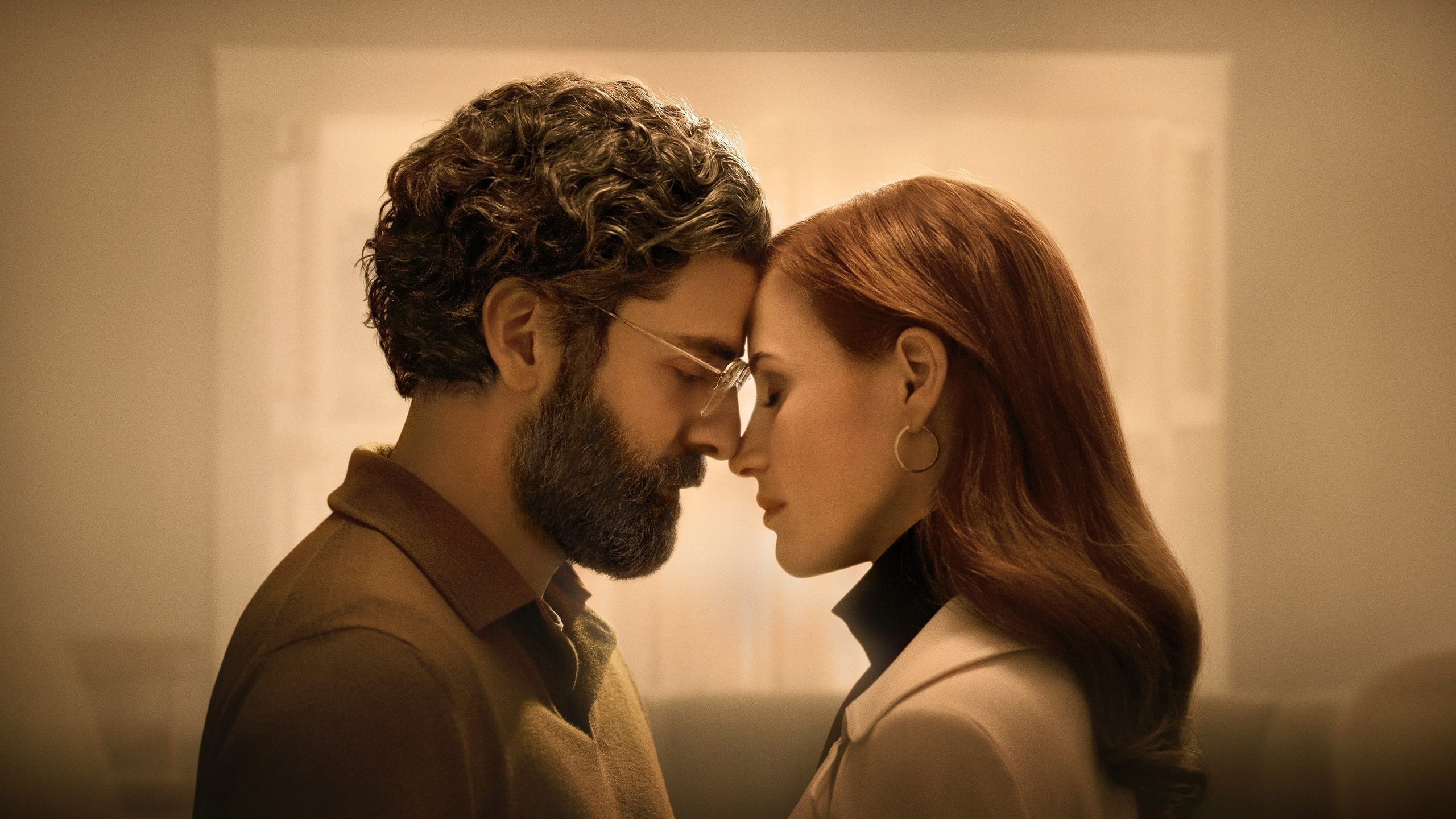
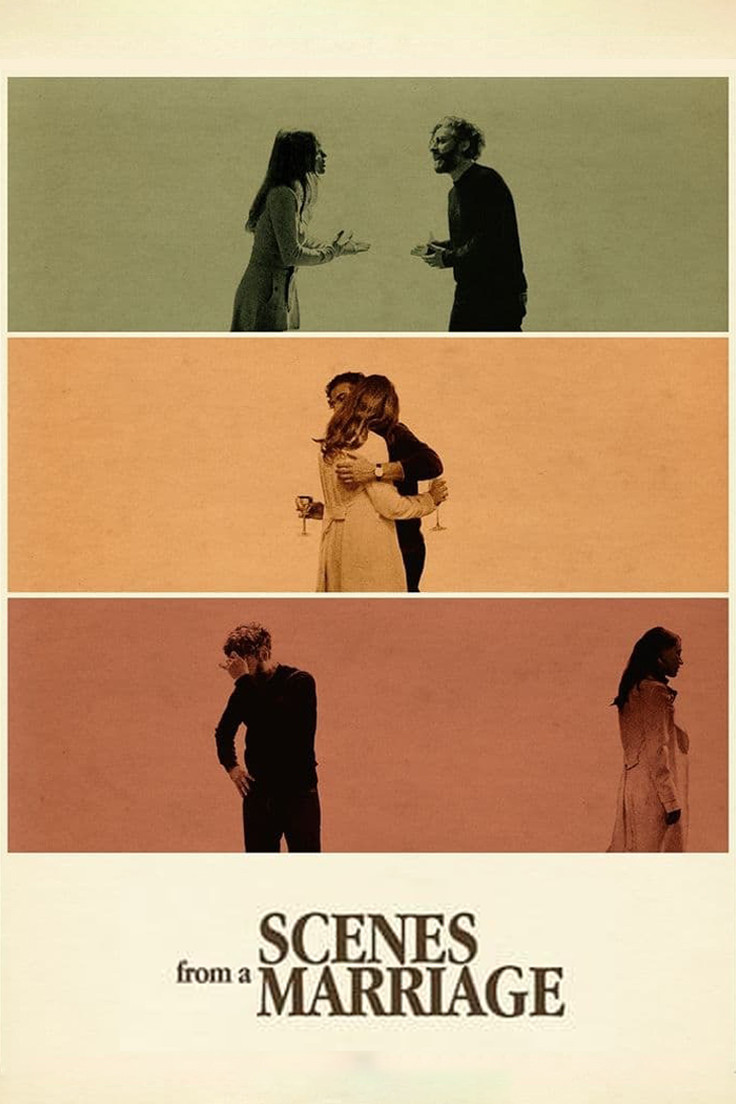
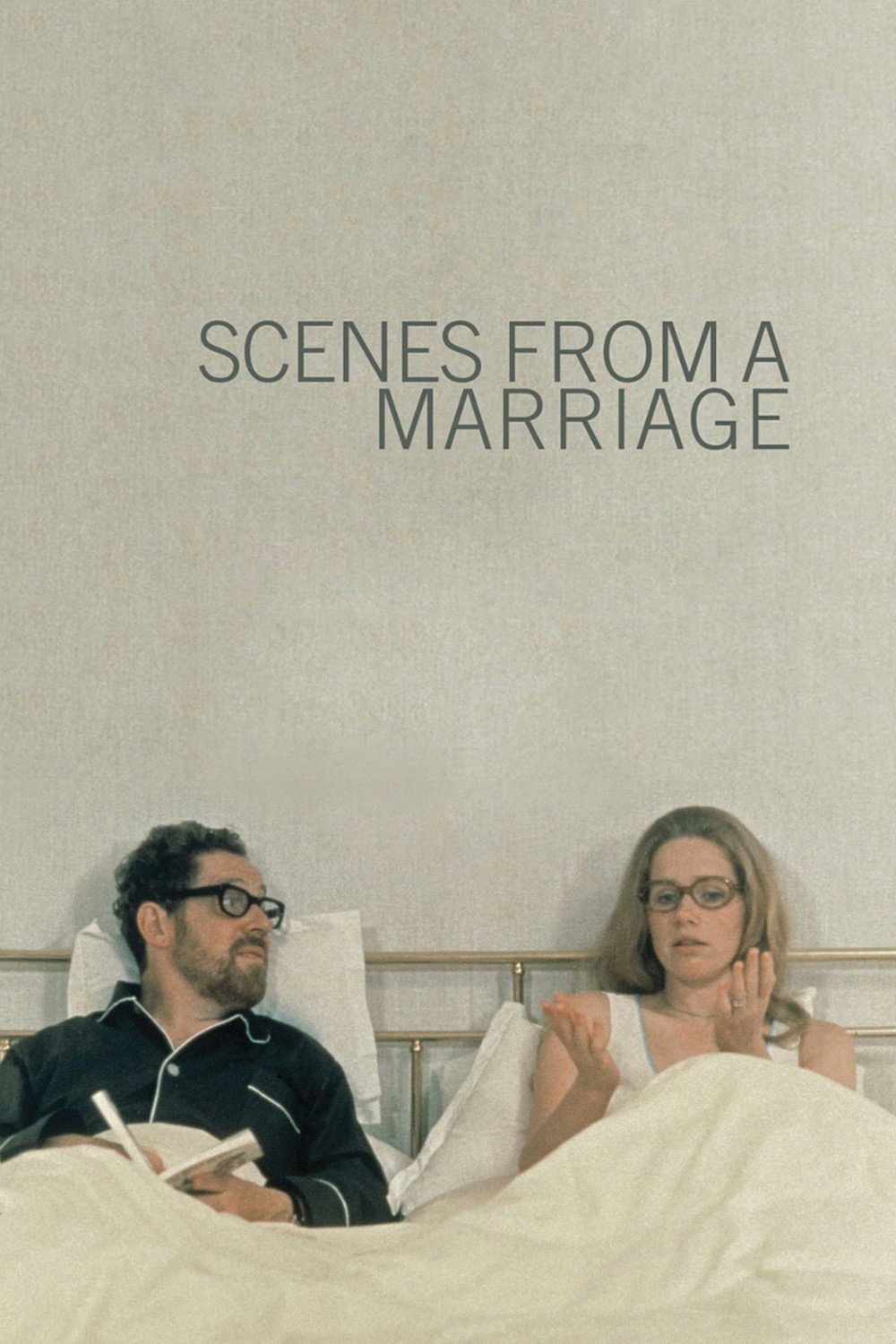
Ingmar Bergman made Scenes from a Marriage for Swedish television in 1973, six episodes of Liv Ullmann and Erland Josephson talking a marriage to death in close-up. Hagai Levi has remade it as five episodes of around an hour and swapped the roles, so the restlessness Bergman gave the husband now belongs to the wife. Jessica Chastain plays Mira, Oscar Isaac plays Jonathan, and between them they give the best sustained acting we saw on television that year. The series around them is well made and adds almost nothing to a work that did not need remaking.
Each episode opens outside the fiction. Chastain walks through a car park and into a building, passes crew in masks, hands off her phone, and someone calls her Mira; she steps through a door and is in the house. It is a striking idea once. By the third time it has told us what we already knew, that these are performances, and it has made Kevin Thompson’s house feel like a set just before the episode asks us to believe it is a home. The house itself is right: an open kitchen, a wooden staircase, everything paid for and nothing showy. Andrij Parekh shoots it handheld and close, staying with whichever face is losing the argument and following the other one when it walks out.
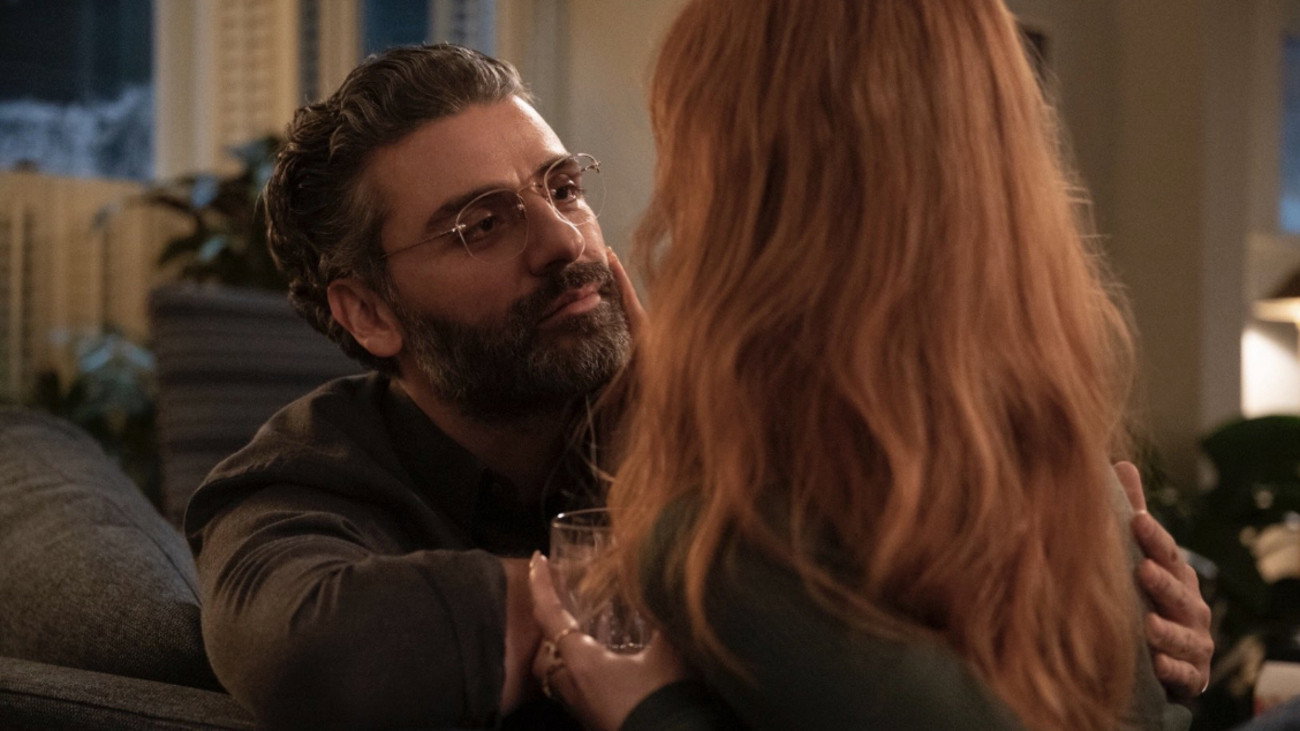
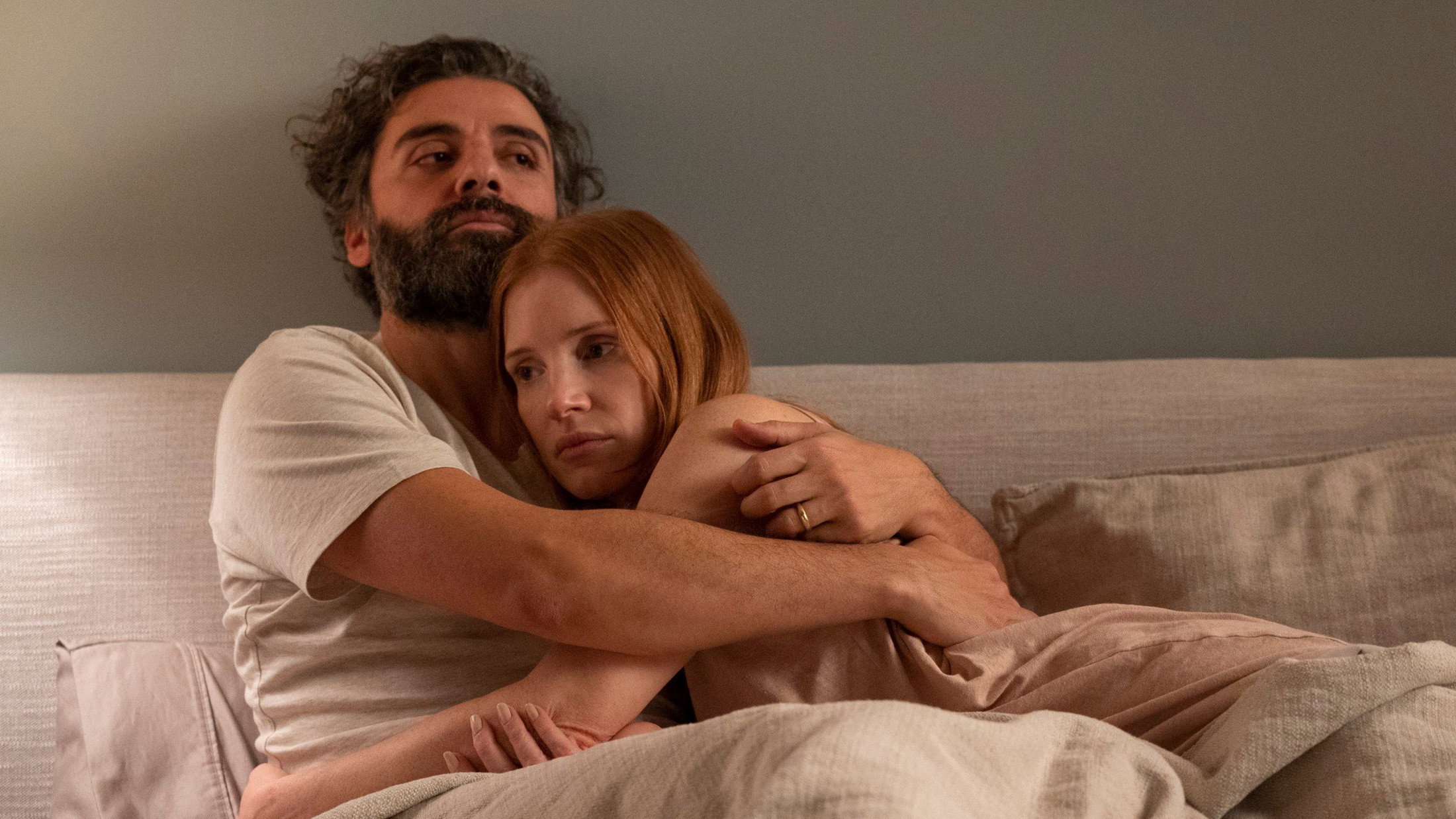
Isaac does the most difficult thing here. Jonathan has built his life around being the reasonable one, and when the bad news comes in the second hour he does not shout. He asks practical questions, offers to help, keeps his voice level, and Isaac lets us see the cost of each of those choices as he makes them. It moved us more than we expected, and what did it was the plainness: a man packing a bag for someone else because he cannot think of anything else to do with his hands. Chastain plays Mira’s guilt as impatience. She wants it over, she wants him to make it easier, and she is honest enough to know how that sounds. It is the less sympathetic part and she does not ask for sympathy.
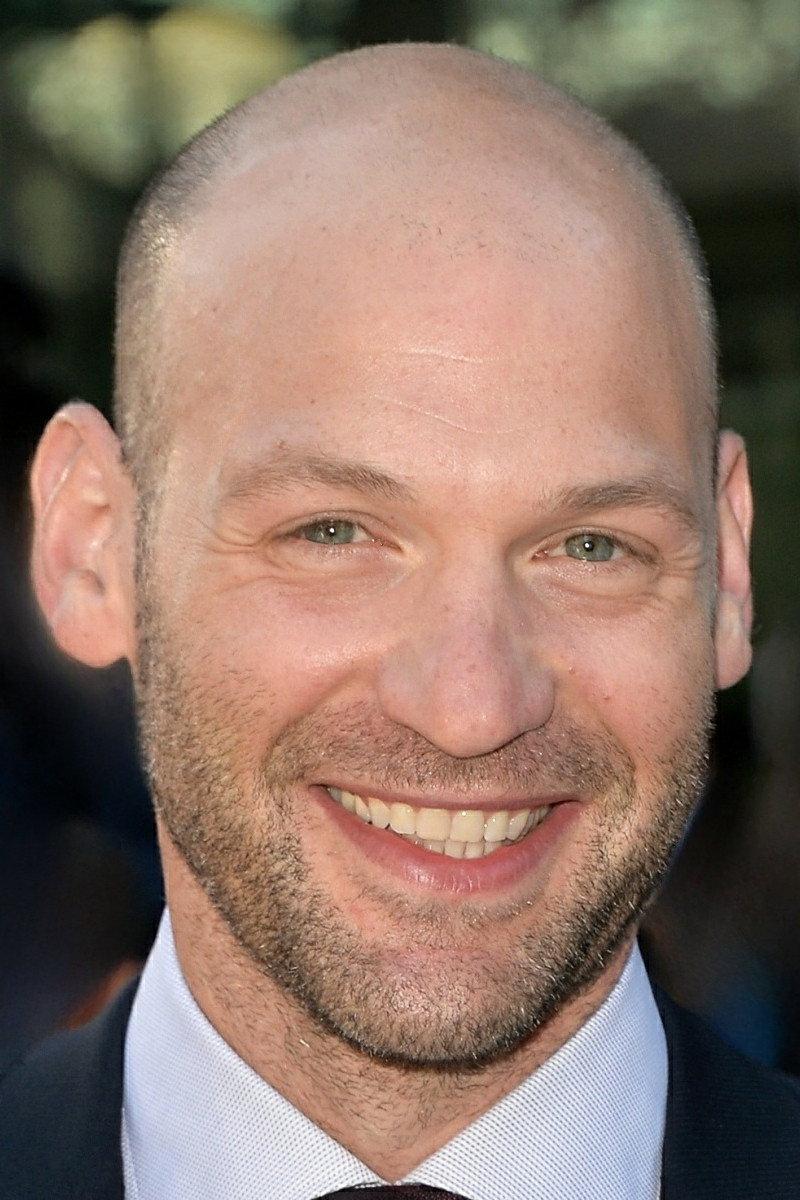
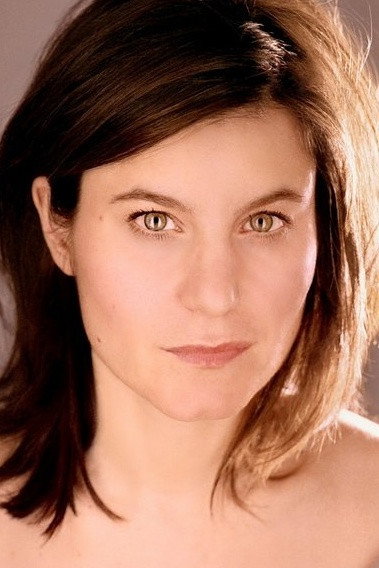
The dinner with Kate and Peter is the one scene with other people in it, and it is the funniest thing in the series. Corey Stoll explains his philosophy of marriage with the confidence of a man who has read one article, and Nicole Beharie sits beside him doing arithmetic on her whole life. We laughed, and then Beharie said something quiet and we stopped.
The trouble is the writing. Levi and Amy Herzog’s teleplay is dense and articulate, and everyone in it is careful about how they sound. Bergman’s couple said unforgivable things fast and then had to sit there with them. These two have been to therapy, and they talk like it, which is true to who they are and slower to watch. By the fourth hour the argument about who gave up what for whom is being had for the third time, and we caught ourselves counting. The role swap is announced early and then left alone; the series notes it and goes back to the marriage as if the swap had changed nothing, which rather raises the question of why it was made.
The smaller decisions are good. Sacha Galperine and Evgueni Galperine keep their music almost entirely for the ends of episodes, a few notes of piano and strings, and the silence in between is the right choice. Yael Hersonski holds on faces well past the point where a cut would be merciful. Miyako Bellizzi puts Mira in the office clothes she has not had time to change out of and Jonathan in the same soft jumpers, and the difference does more work than several of the speeches.
Levi made In Treatment and co-created The Affair, and he knows how to keep two people talking in a room for an hour. What he has not found is a reason for these two people, in this decade, to have this exact conversation again. Bergman’s version was made quickly and cheaply and feels like a raid on private life. This one feels like a production. It carries a 15 certificate, earned by what is said rather than what is shown, and it is best taken one episode a night, because five hours of it at a sitting is not a marriage but an ordeal.