Ruben Östlund keeps watching after people have embarrassed themselves, and makes the explanations painfully funny. We rate him most when those people remain recognisable; his patience is less rewarding when the same accusation comes round again.
Fi1m perspective
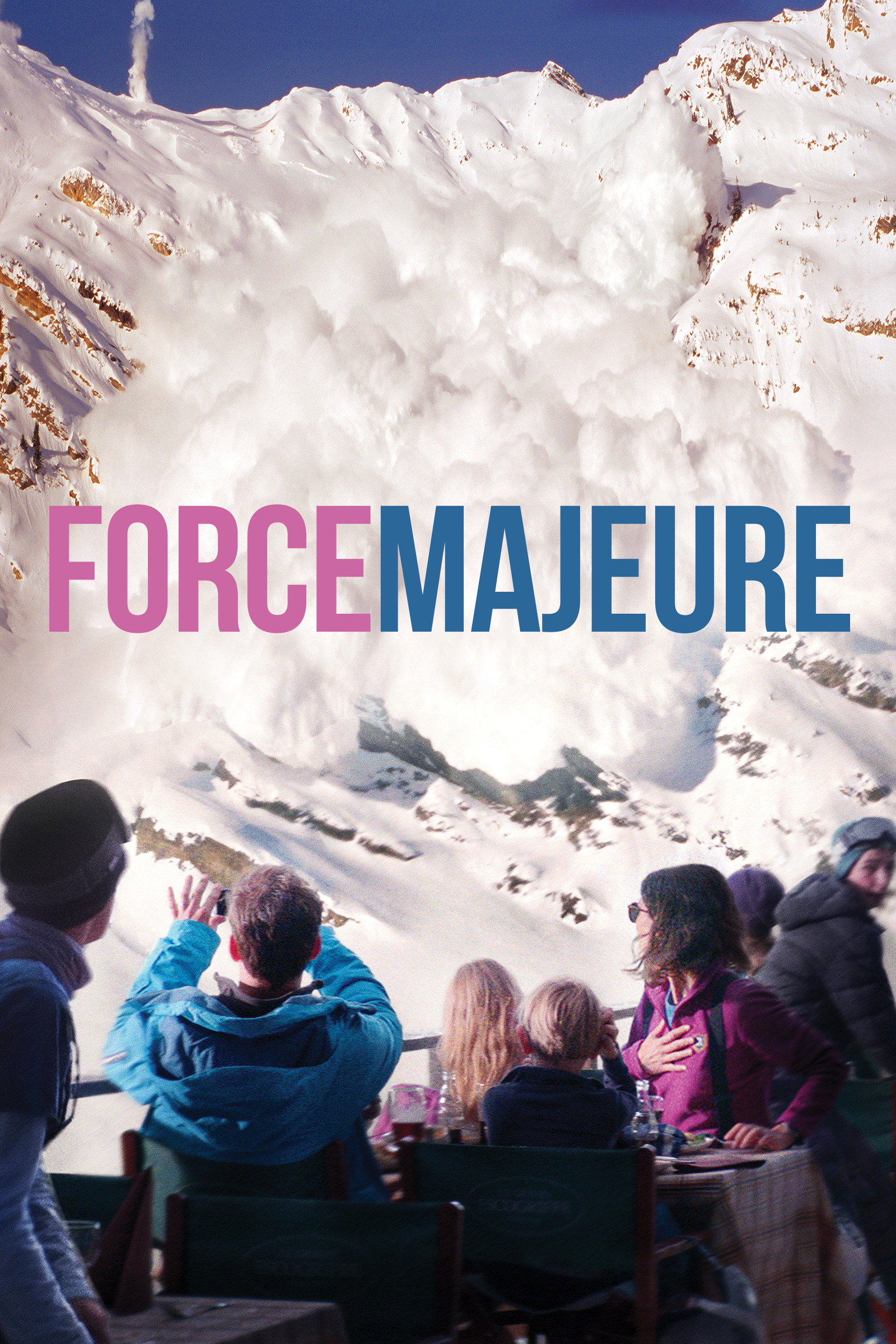
In Force Majeure (2014), a father runs from an avalanche, leaving his wife and children behind. Ruben Östlund holds the incident in a single shot, with cinematographer Fredrik Wenzel giving us time to notice both the danger and the response. We were appalled by the flight, then uneasy about how quickly we had condemned an instinctive act. That doubt is what makes his comedy worth the discomfort. He lets us judge Tomas, then leaves us sitting with the possibility that we would have done no better.
His first feature, The Guitar Mongoloid (2004), established his interest in outsiders and the ways people behave in company. Involuntary (2008) examined peer pressure, while Play (2011) built a prolonged confrontation around racial and class tensions. Force Majeure brought that scrutiny into a marriage and became his international breakthrough. The later satires broadened the settings to the contemporary art world in The Square (2017) and a luxury yacht in Triangle of Sadness (2022). Across these films, the recurring concern is what people do when their standing among others is threatened.
His long takes work because they give behaviour time to become embarrassing without a cut insisting on the joke. In Force Majeure, Tomas's refusal to acknowledge what happened supplies the next discomfort, and Östlund is willing to wait through the explanations. He and fellow editor Jacob Secher Schulsinger also let the marital conversations run beyond the point at which we want someone to stop talking. That is often funny, but the repetition matters: once Tomas's defensiveness and Ebba's anger are clear, another argument does not necessarily tell us more. Some exchanges sound too carefully arranged to set the audience a discussion topic.
Östlund is less persuasive when everyone seems lined up to be found wanting. The actors in Force Majeure keep the couple recognisable, so that finding Tomas ridiculous never quite settles the question of how we feel about him. We value that uncertainty more than another demonstration that people protect their status. Start with Force Majeure, but allow some time afterwards before asking your companion what they would have done.
Biography
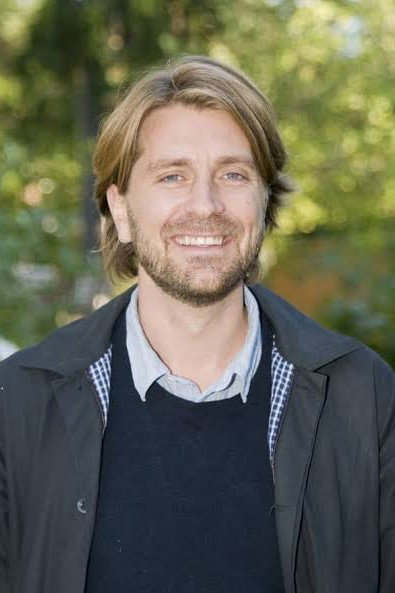
Ruben Östlund is a Swedish film director, screenwriter and editor. Born in 1974 in Styrsö, near Gothenburg, he studied at the film school in Gothenburg, graduating in 2001. He began by making skiing videos and later co-founded the production company Plattform Produktion with Erik Hemmendorff.
Östlund's early features include The Guitar Mongoloid (2004), Involuntary (2008) and Play (2011). He achieved international recognition with Force Majeure (2014), which he directed, wrote and co-edited. The film won the Jury Prize in the Un Certain Regard section at Cannes. Subsequent works include The Square (2017) and Triangle of Sadness (2022), both of which won the Palme d'Or at Cannes.