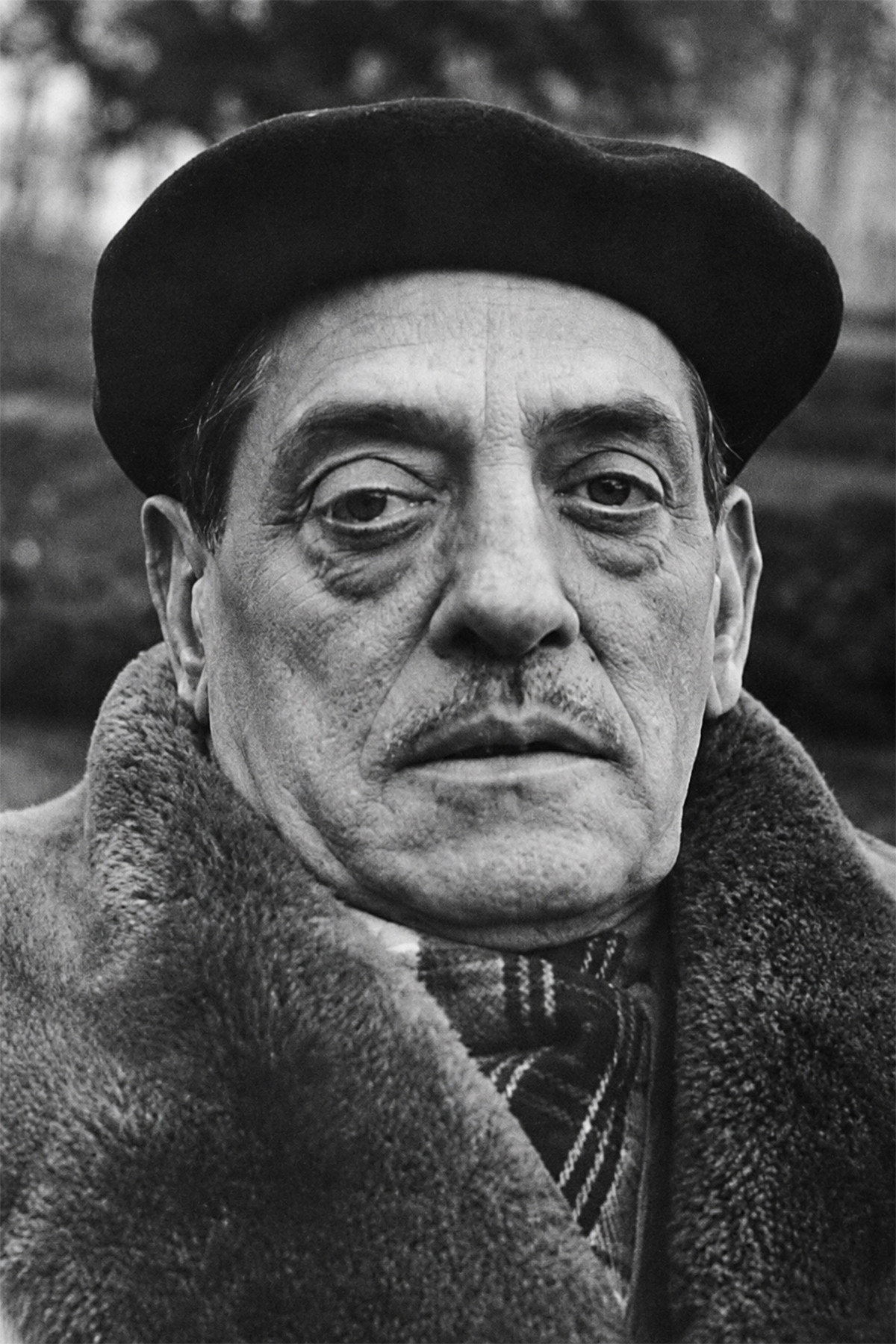
Luis Buñuel makes people trying to satisfy ordinary appetites funny and unsettling, especially when they expect everyone else to oblige. We value his dry humour and plain staging, though his later films can repeat a joke we have already understood.
Fi1m perspective
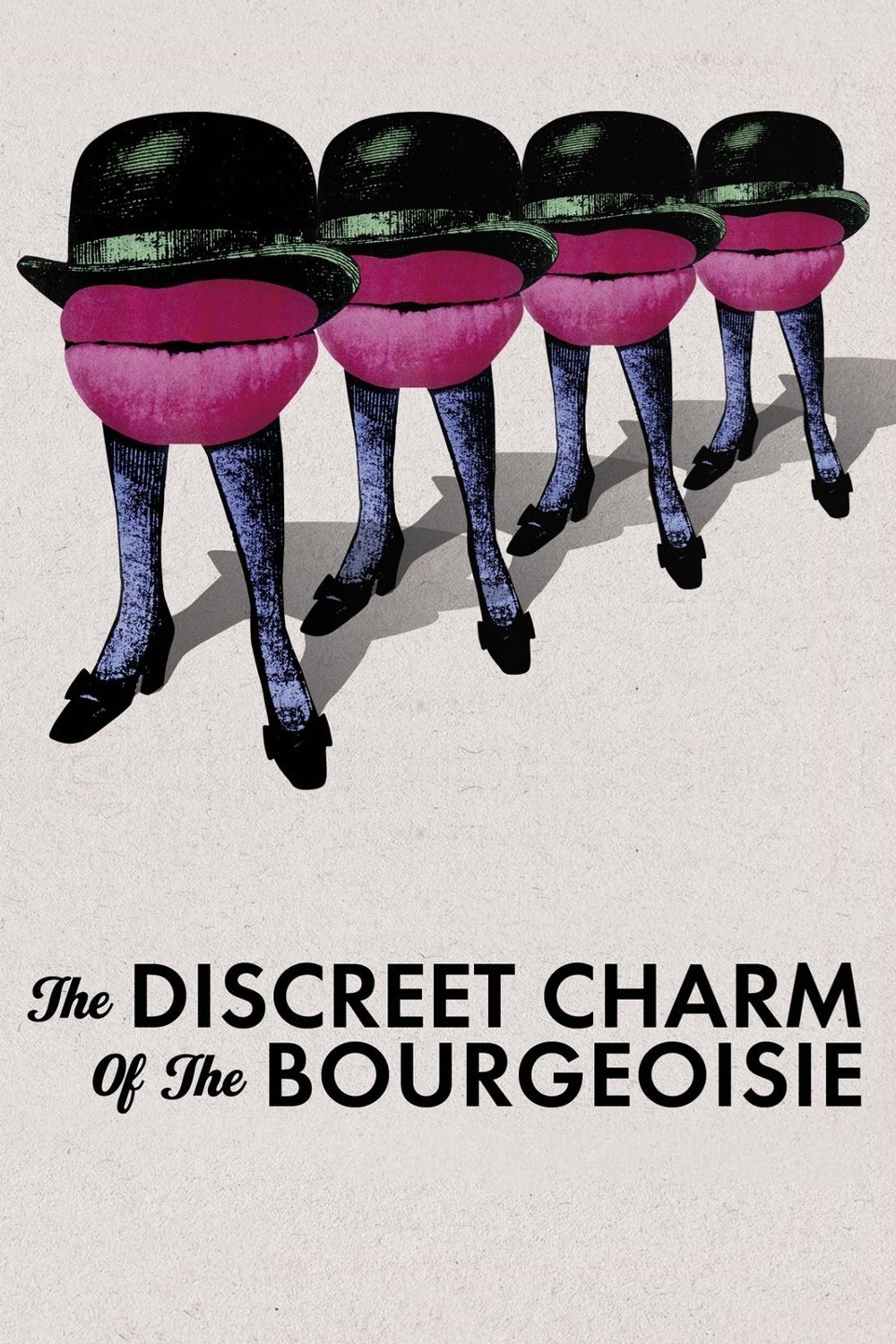
The Discreet Charm of the Bourgeoisie (1972) gives a group of prosperous friends a modest task: sit down to dinner. Buñuel keeps preventing them, and they keep expecting the next attempt to go properly. We recommend it for the calm persistence of that expectation, which makes each inconvenience an offence against their idea of how life should work. The cast never pleads for a laugh; these people take the problem quite seriously.
The shocks and dream logic of Un Chien Andalou (1929), made with Salvador Dalí, are an earlier, more confrontational way of disturbing an audience. His Mexican work included commercial assignments, yet Los Olvidados (1950) found room for surreal images within a realist drama. The move back to European filmmaking brought Viridiana (1961), followed by the erotic fantasy and repression of Belle de Jour (1967). Desire remained a subject through his final film, That Obscure Object of Desire (1977).
The script Buñuel wrote with Jean-Claude Carrière does not require us to decode every interruption in The Discreet Charm of the Bourgeoisie. The wish to eat together is enough to keep us interested. Buñuel's economical directing favours precise framing and cuts made for clarity. That restraint suits a comedy in which the people remain recognisable even as their circumstances become absurd.
We felt uncomfortable when the diners ridiculed people below them in the social order, because we had been enjoying their company. Buñuel allows them enough charm for that discomfort to matter. Their casual contempt belongs to people capable of being entertaining, rather than to convenient monsters. The actors' refusal to advertise the jokes lets us see how easily the friends accept one another's behaviour.
The limitation is repetition. Another obstructed meal can keep the cast busy without showing us anything further about those waiting to eat it. Carrière and Buñuel vary the circumstances more reliably than they deepen the complaint about privilege, and the actors sometimes have to carry the scene on timing alone. For a first encounter, choose The Discreet Charm of the Bourgeoisie and give the actors as much attention as the disruptions.
Biography
Luis Buñuel (22 February 1900 – 29 July 1983) was a Spanish filmmaker who worked in France, Mexico and Spain. He was born in Calanda, Teruel, Aragón, and later became a Mexican citizen.
Buñuel directed and wrote the screenplay for The Discreet Charm of the Bourgeoisie (1972). He is also known for Un Chien Andalou (1929), L'Âge d'or (1930), The Young and the Damned (1950), Viridiana (1961), The Exterminating Angel (1962), Belle de Jour (1967), The Phantom of Liberty (1974) and That Obscure Object of Desire (1977). He collaborated with Salvador Dalí on his early surrealist shorts.