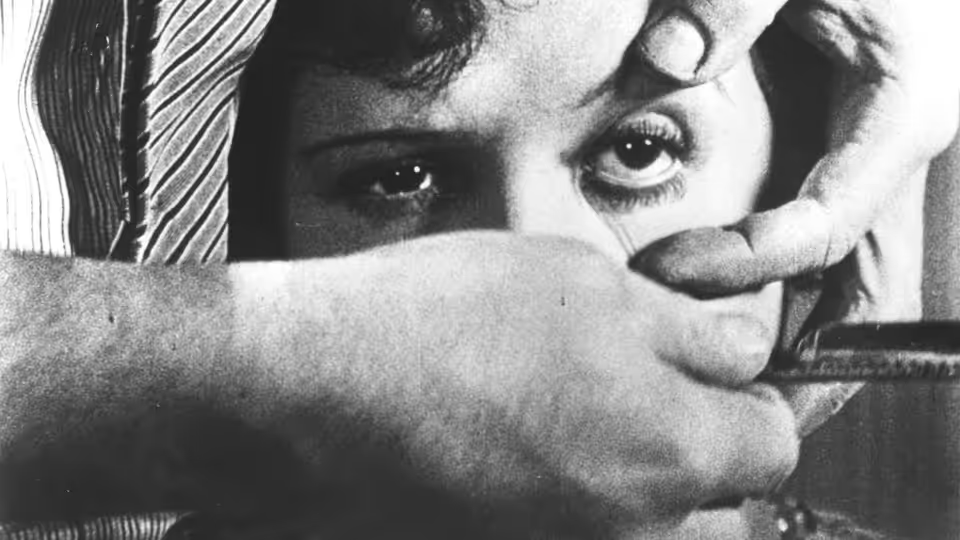
Buñuel and Dalí’s seventeen-minute provocation still does what it was built to do: one image in the first minute that we cannot watch, followed by a quarter of an hour that refuses to add up. Recommended, once, with the lights off and no expectation of sense.
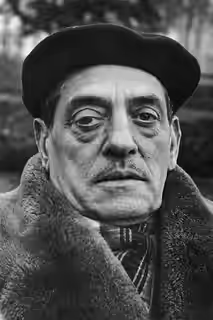
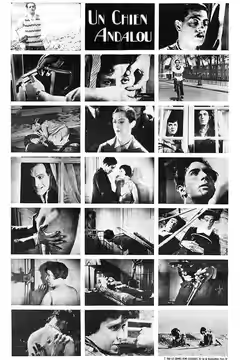
Luis Buñuel and Salvador Dalí wrote Un Chien Andalou from their dreams, and kept only the images neither of them could explain. Buñuel directed it, edited it, produced it and appears in its first minute holding a razor. It is silent, it runs 17 minutes, and it has no story, on purpose. Anything that looked like a reason for one shot to follow another was thrown out. What remains is a run of pictures joined by intertitles that lie to you: ‘Once upon a time’, ‘Eight years later’, as though a tale were being told.
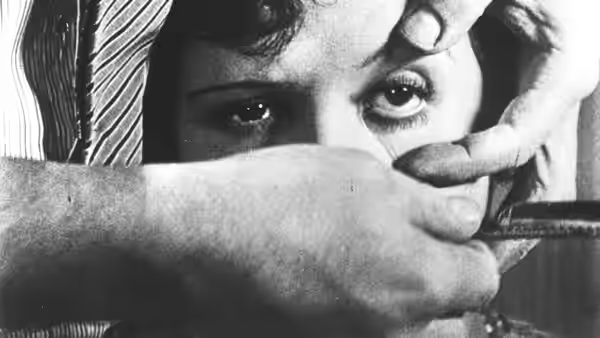
The first minute is the one everybody knows, and it has lost nothing. Buñuel strops the razor, tests it on his thumbnail, steps onto a balcony and watches a thin cloud drift towards the full moon. The cloud crosses the moon; the blade crosses the eye. We winced and looked away, and we have done so every time we have watched it, knowing perfectly well that the eye belongs to a dead calf and the join is a straight cut. The trick is the match. Buñuel, as his own editor, puts the moon and the eye in the same part of the frame, so the mind has accepted the one before it is shown the other. It is a piece of cutting a modern horror film would be pleased with, done in 1929.
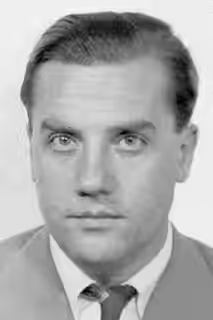
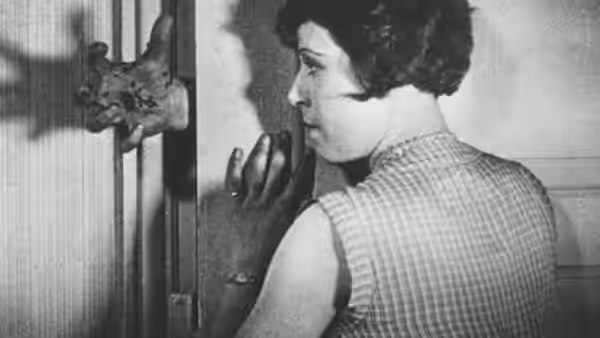
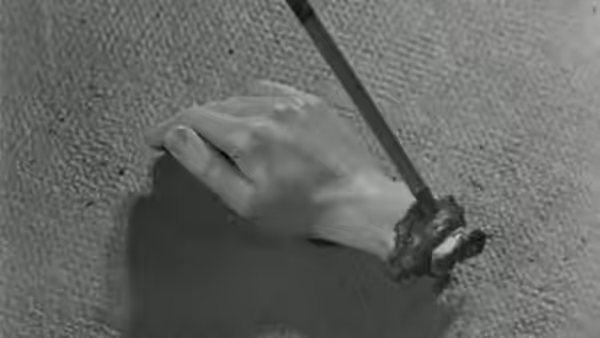
Albert Duverger photographs all of this as if it were a domestic comedy. The light is flat and even, the flat is an ordinary flat, the street an ordinary street, and nothing in the framing warns you that an image is meant to be strange. That is the right decision. A man staring at ants climbing out of a hole in his palm is more disturbing in a plainly lit bedroom than he would be in shadow and smoke. The severed hand on the pavement, prodded with a stick by Fano Messan’s androgyne while a policeman holds the crowd back, is shot from above like a road accident, and treated like one by everyone on screen.
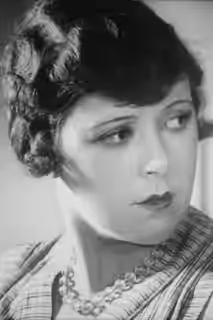
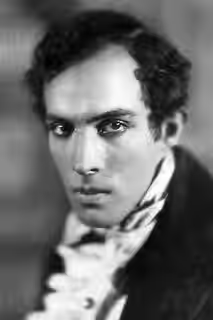
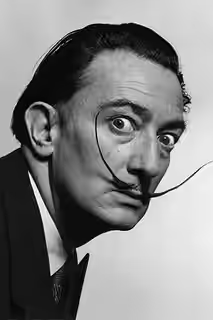
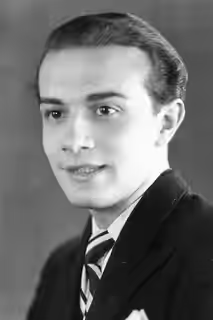
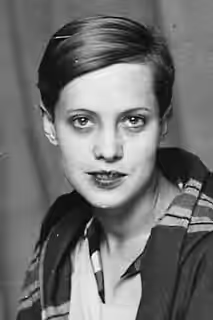
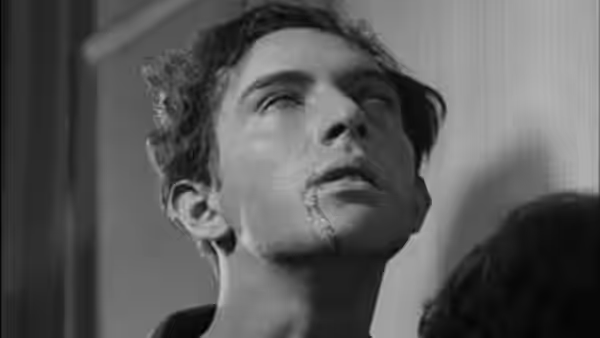
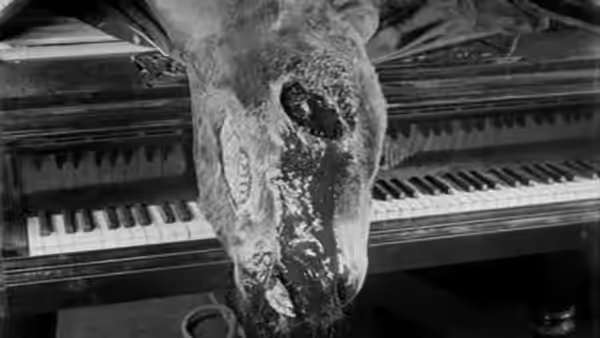
Simone Mareuil holds the film together. Her job is to react to things that make no sense, and she does it without flinching or overplaying: the same steady face for a wardrobe and for a man’s hand. Pierre Batcheff has a harder time. He is asked to leer and paw and roll his eyes, and in the stretches where he pursues Mareuil round the bedroom the acting belongs to a sillier film. Dalí turns up briefly as a seminarist and looks pleased about it. There are pianos later, with things attached to them, and we will leave you to find out what.
The second half is looser than the first. Once the opening has done its work, the film settles into dissolves and dislocations, and some land and some do not. Several scenes run well past the point where their one idea has been used up, and for two or three minutes in the middle we were restless, which in a film this short is a real cost. Then an image arrives, involving a mouth, that we will not describe, and we were sitting forward again. The soundtrack on most prints alternates Wagner with Argentine tango, the records Buñuel played on a gramophone at the first screenings, and the swing from swooning strings to dance band is its own joke about how seriously to take any of it.
Buñuel went on to a long career of films that were calmer and crueller than this one. Here the aim is simpler: to offend, and to make sure nobody could tidy the offence into a meaning afterwards. Britain did not get the film in a cinema until 4 April 1968, thirty-nine years after it was made. It carries a 15 certificate now, for seventeen minutes.
Watch it once, late, in the dark, and read nothing first. Then read what Buñuel said about it and watch it again, and see whether knowing helps. It did not help us. The eye still goes in the first minute, and we still look away.