David Lynch makes parenthood frightening and darkly funny in Eraserhead, with Jack Nance providing a vulnerable human centre. The industrial sound and bodily horror are hard to shake, though the sustained bleakness can become tiring.
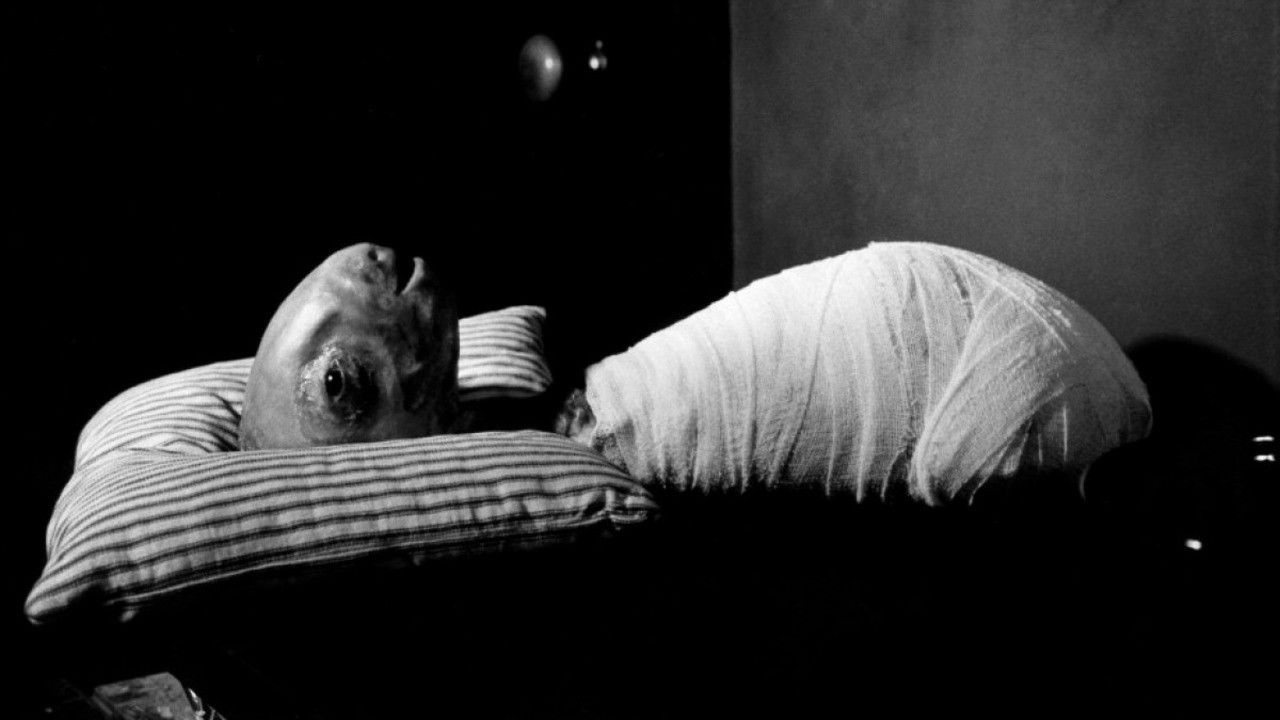
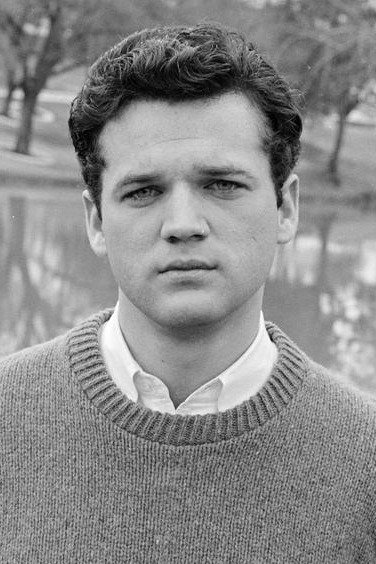
David Lynch’s Eraserhead makes becoming a parent feel terrifying, and it is frightening, darkly funny horror worth enduring if bodily disgust does not send you away. Henry Spencer, played by Jack Nance, is the vulnerable centre of a film that treats ordinary responsibility as something almost impossible to bear. The director gives that fear a monstrous baby and an industrial world with scarcely any comfort in it. The horror is immediate enough without our having to decide what every strange image represents.
Jack Nance is crucial because Henry’s distress remains legible even when the events around him are not. He gives us someone to worry about, which stops the film becoming a collection of unpleasant things to look at. We were horrified by the baby, then ashamed of recoiling from something helpless. That discomfort is central to the film’s account of parenthood: the demand to care persists even when affection is difficult.
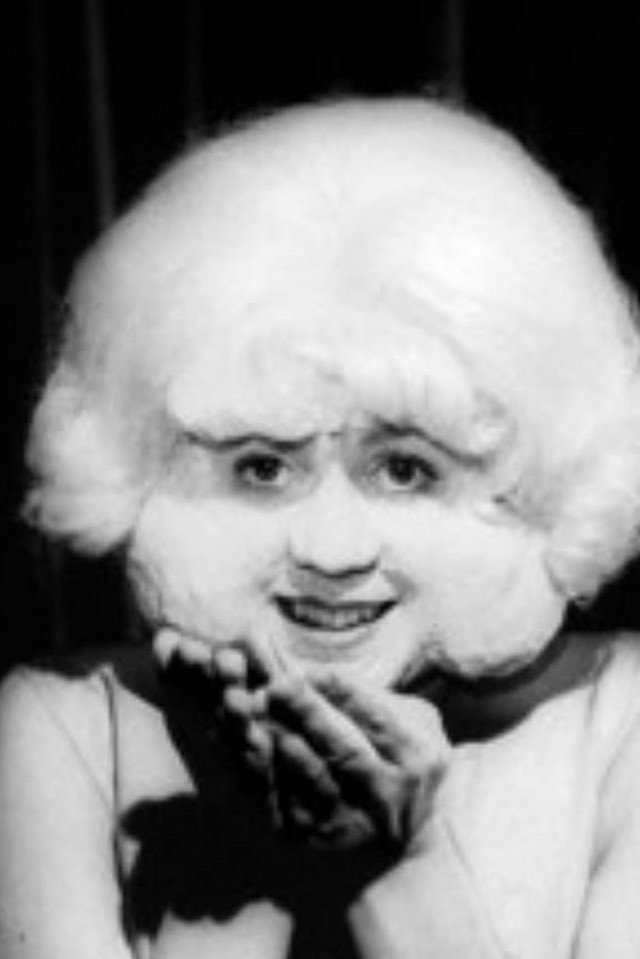
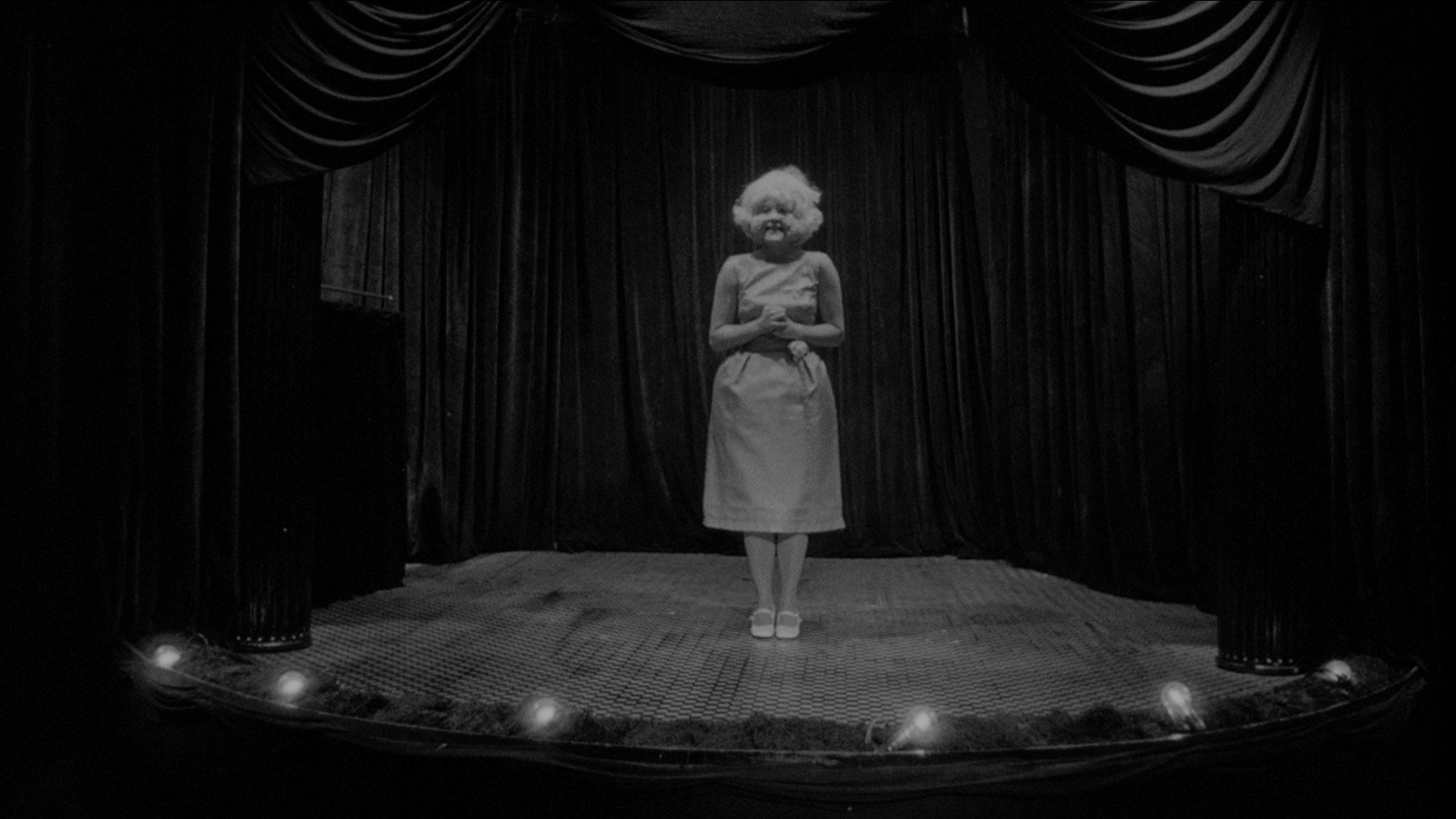
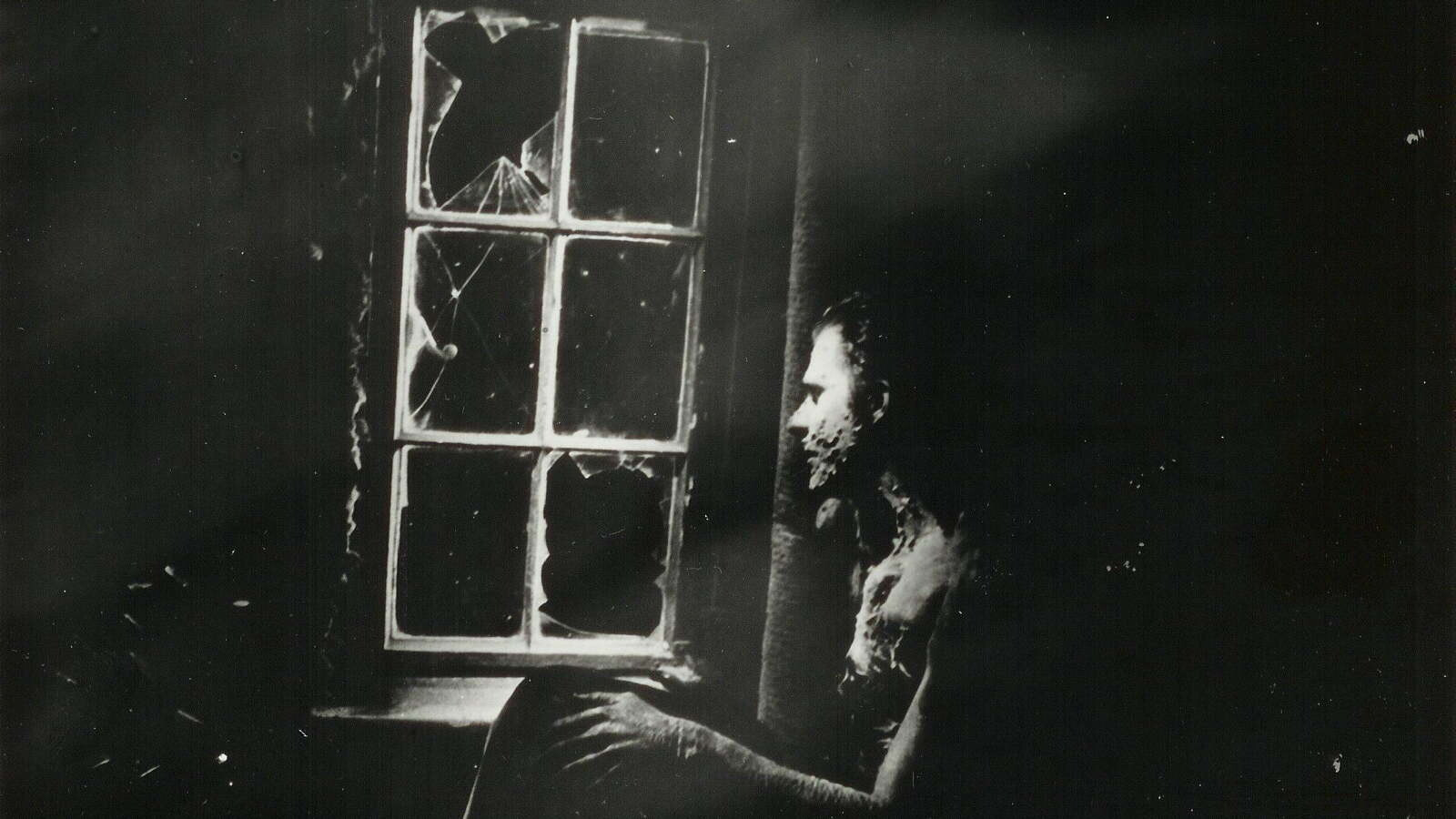
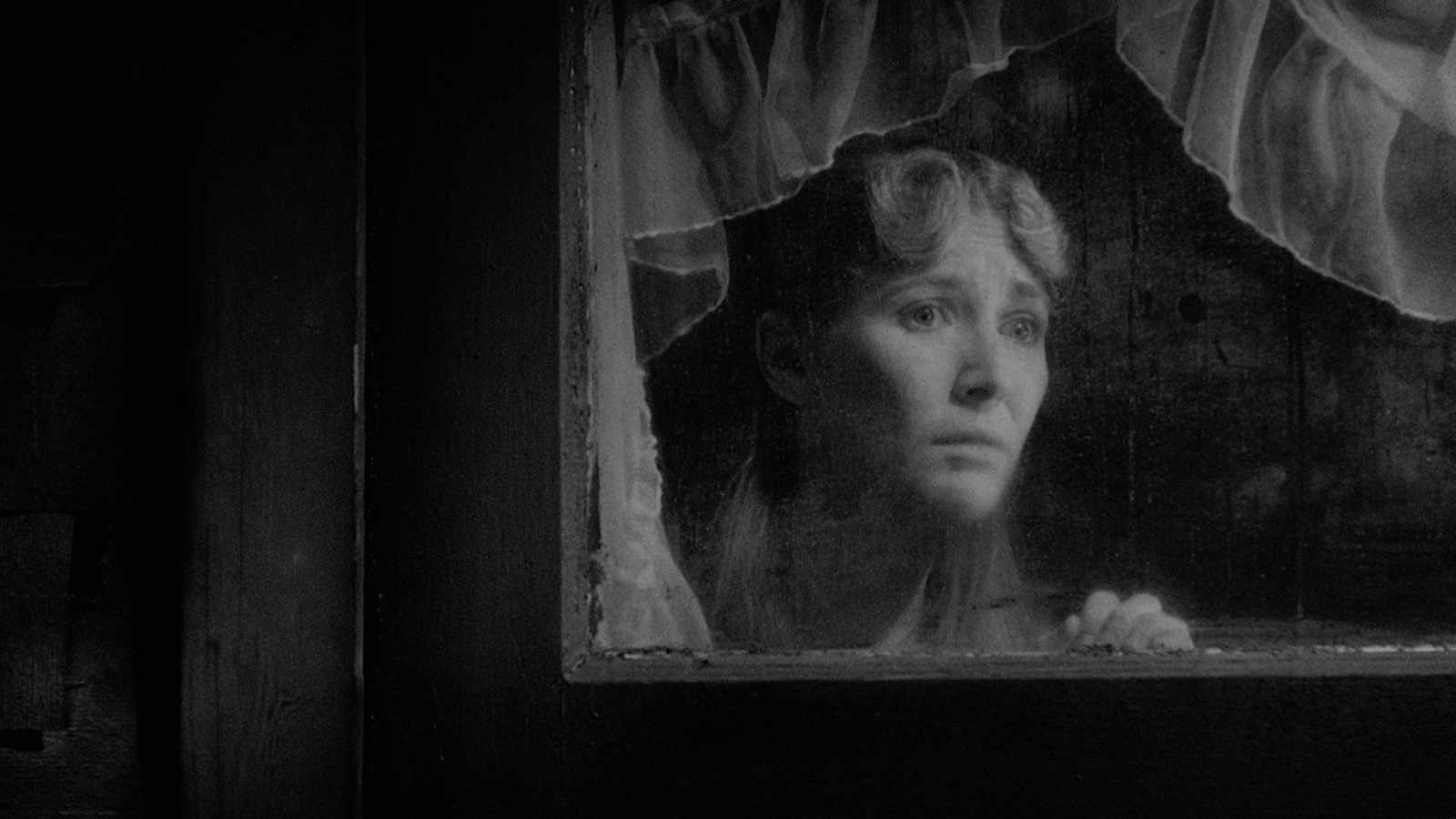
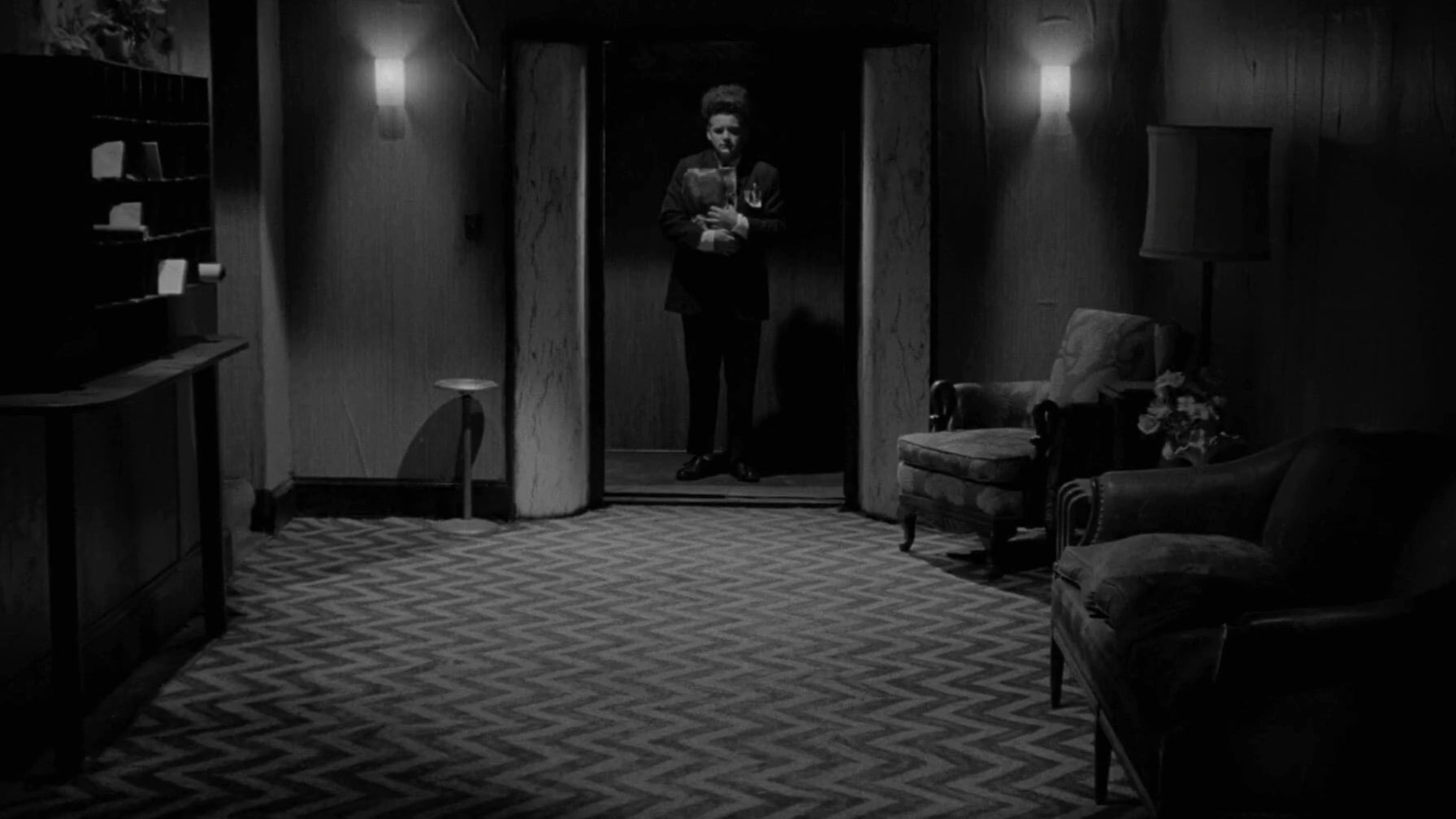
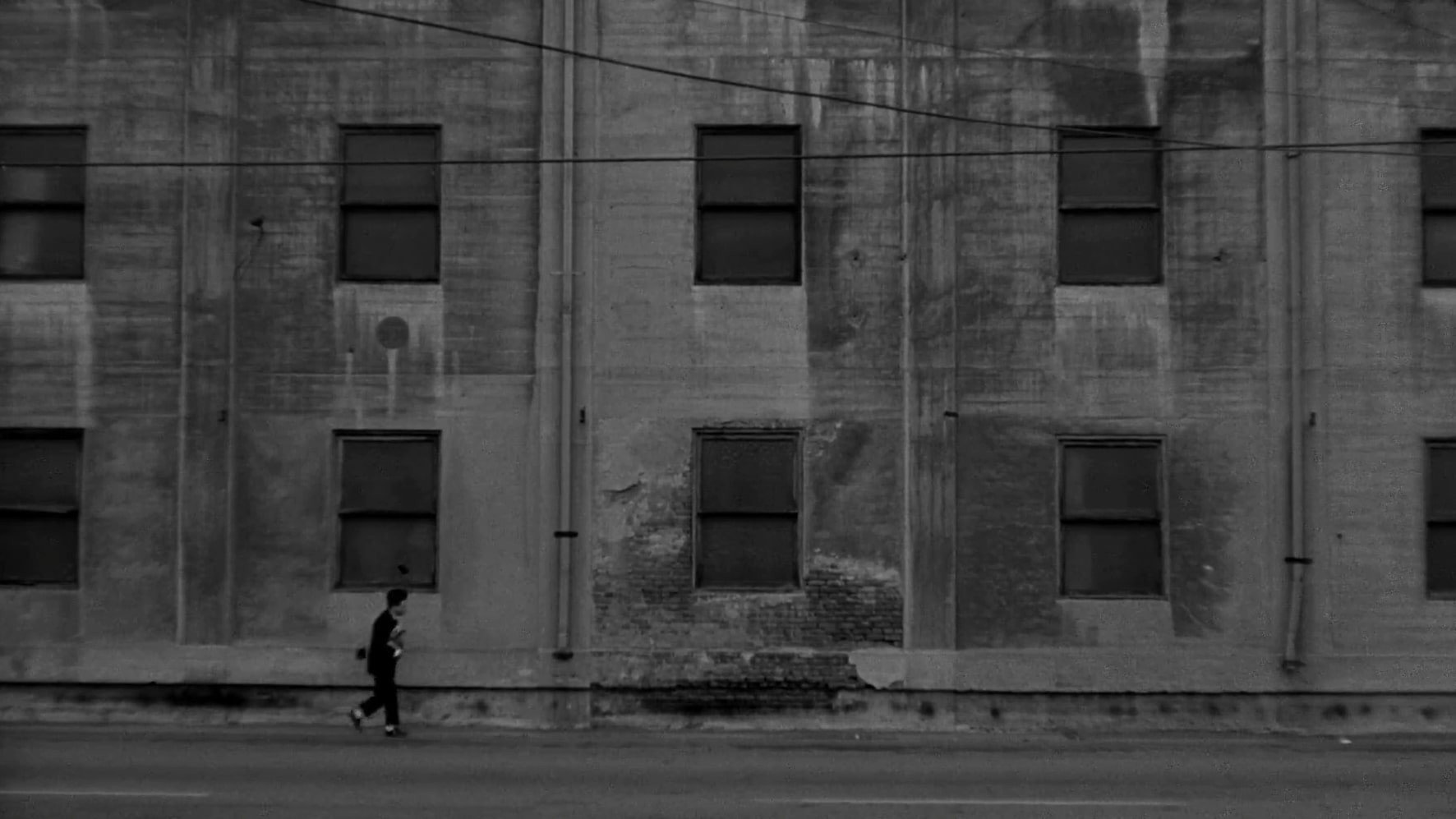
Frederick Elmes and Herbert Cardwell’s black-and-white cinematography makes the cramped world difficult to escape even with our eyes. The frames feel closed in, and the strange bodily forms are given enough visual force to disturb without an explanation. David Lynch’s production design makes the industrial surroundings feel unsuitable for human comfort, which is precisely why the domestic anxiety takes hold. Rest already seems unlikely in a place like this, before anyone has a baby to look after.
Peter Ivers and David Lynch provide the music, but it is the industrial sound that keeps us braced for something dreadful. It denies the easy relief that a quiet stretch would normally bring to a horror film. We felt worn down by the sustained noise, in a way that seemed inseparable from Henry’s isolation. The sound earns its prominence because it makes his predicament feel exhausting even when we cannot explain what is happening.
David Lynch’s editing is patient enough to let an image become uncomfortable, and sometimes patient enough for the discomfort to become familiar. At 89 minutes, the film is short, but that does not mean it always moves briskly. There are stretches where the same degree of unease persists without much change, and another troubling image does little to increase it. The macabre humour helps because it allows human absurdity into a film that can otherwise seem determined to make everything unbearable.
As body horror, Eraserhead is unusually interested in the person expected to live with the disturbing body. Its concern with parental fear gives the disgust an emotional purpose, without requiring us to reduce the baby to a tidy symbol. There is room to recognise exhaustion, guilt and the wish to be left alone without approving of every impulse Henry embodies. The humour matters here too, since fear and embarrassment can occupy the same ordinary encounter.
We would not choose it simply because it is short, or because a horror label promises familiar pleasures. Its bodily imagery asks for a stronger stomach than its running time suggests. Save it for an evening when sustained unease sounds like a reasonable use of 89 minutes.