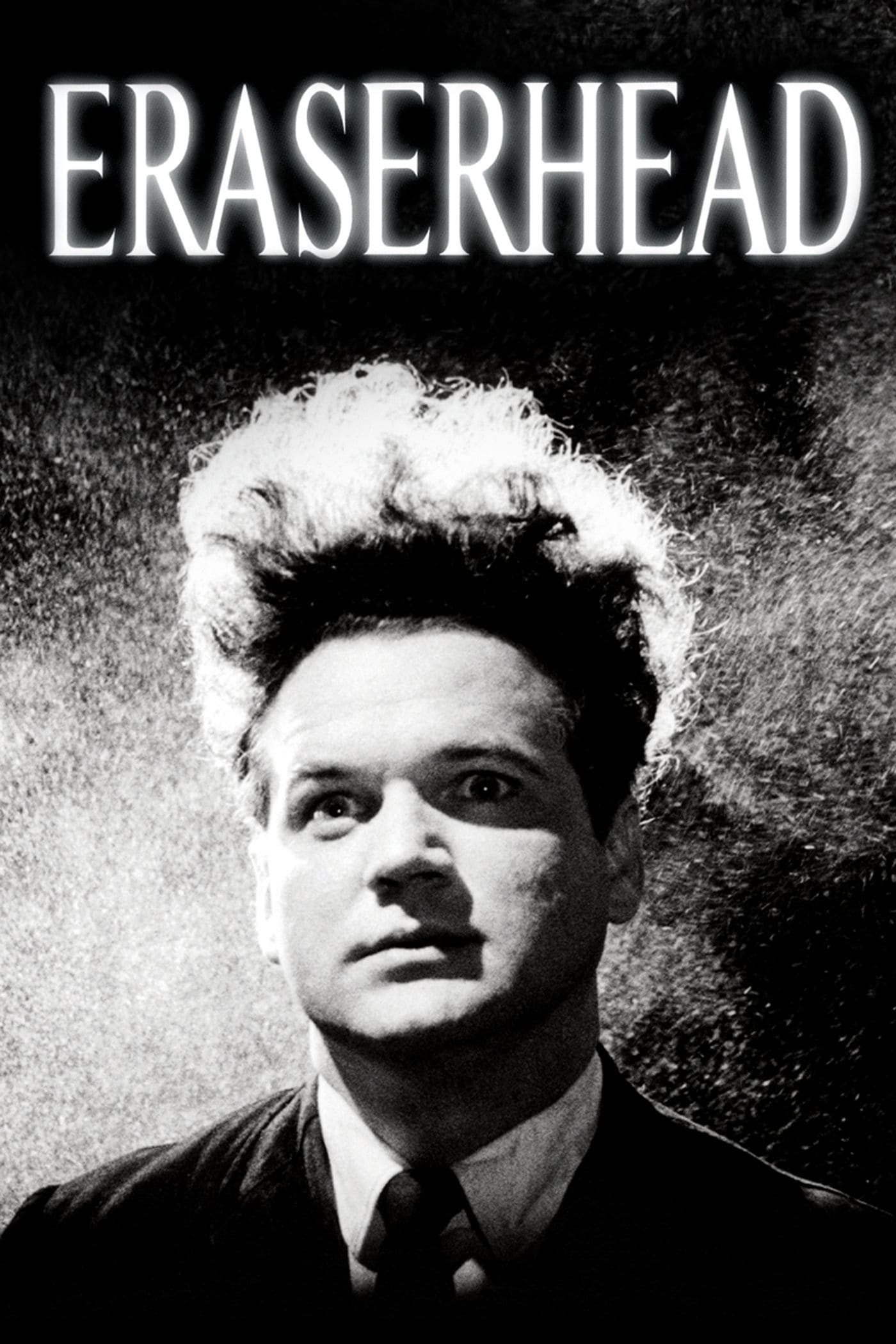
Most critics respond strongly to Eraserhead, with praise clustering around its industrial sound design, alien imagery and oppressive atmosphere. The reviews repeatedly connect its sensory force to fears of parenthood and isolation, finding recognisable anxieties beneath the surreal horror. Several also stress the macabre humour: Lynch’s nightmare unsettles through the proximity of ordinary life to bodily disgust, while its meticulous construction gives the dreamlike scenes a disturbing coherence.
The disagreement concerns how much that experience offers beyond discomfort, though the split is lopsided: thirteen reviews are positive and one is negative. More measured supporters describe a difficult but rewarding film, while others embrace its resistance to conventional storytelling. Variety is the stark dissenter, finding bad taste and little substance or subtlety, even while acknowledging inventive sound mixing. The score range is therefore wide, but rejection is the exception rather than a substantial strand of the consensus.