Shinya Tsukamoto’s metal-mutation horror is inventive, darkly funny and physically revolting. It can exhaust us, and its characters are thin, but the handmade effects make the discomfort worth seeking out.
Tetsuo: The Iron Man is abrasive, inventive horror, and we recommend it to anyone prepared for an evening with little breathing space. Shinya Tsukamoto takes the business of a man becoming a machine with a seriousness that makes the film’s nasty humour more effective. The metal keeps growing, and the man has scarcely a moment to get used to it. At 67 minutes, it has enough sense to finish before its constant assault becomes merely tiring, though it comes close.
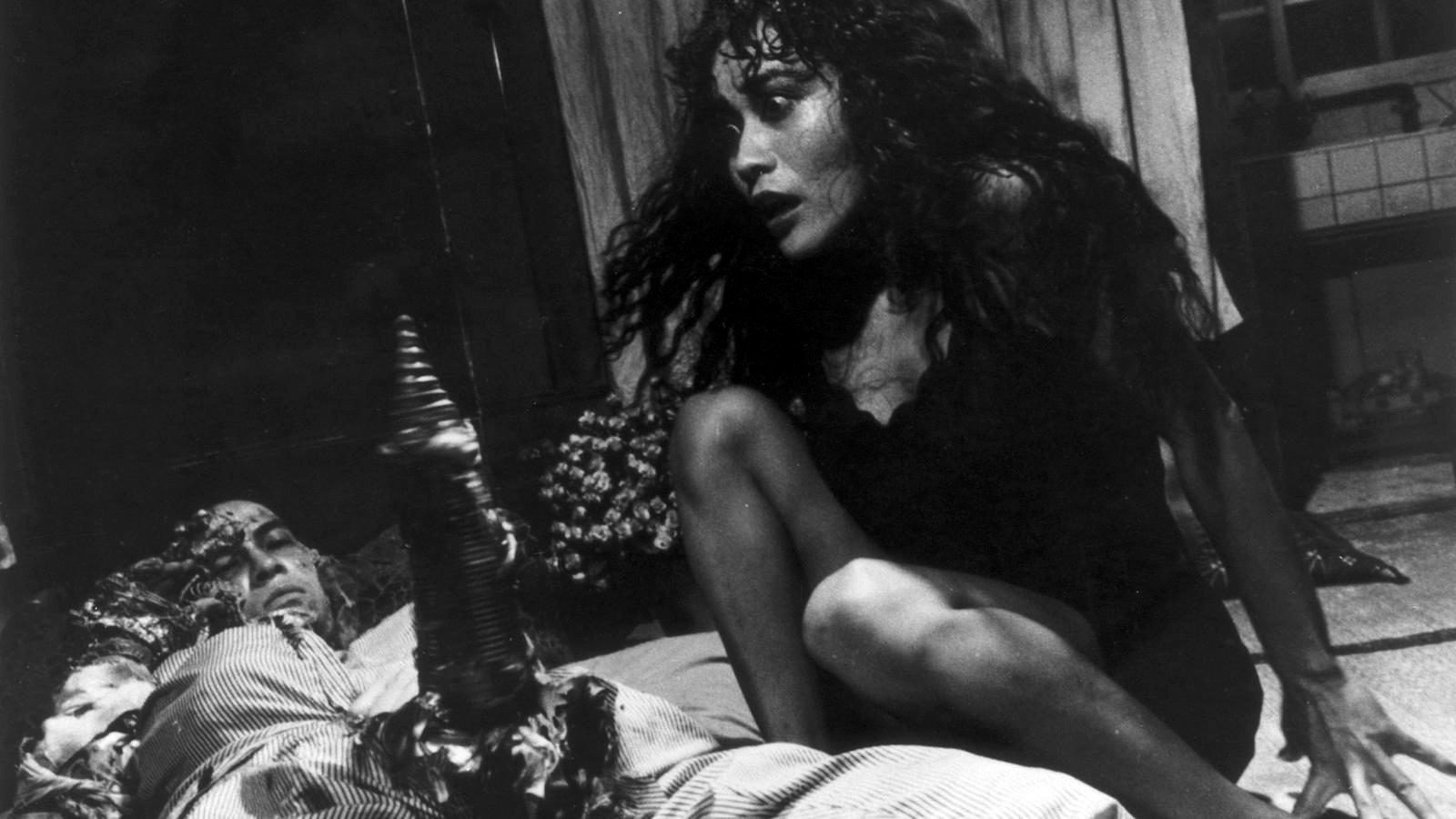
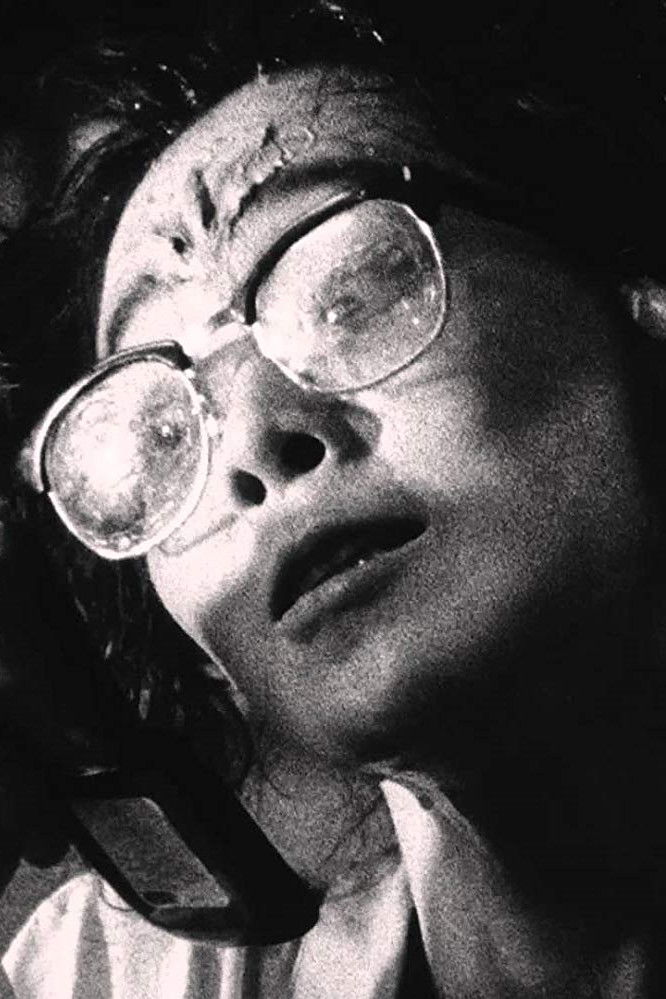
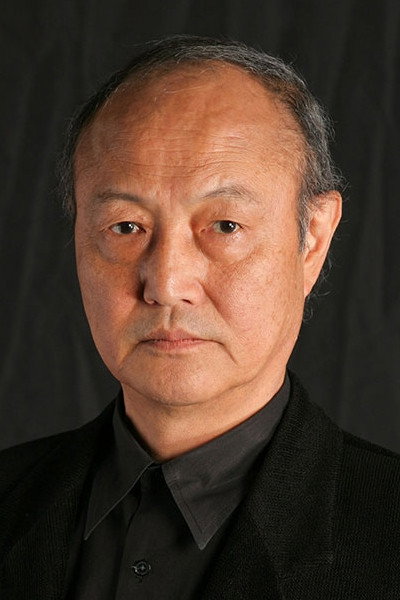
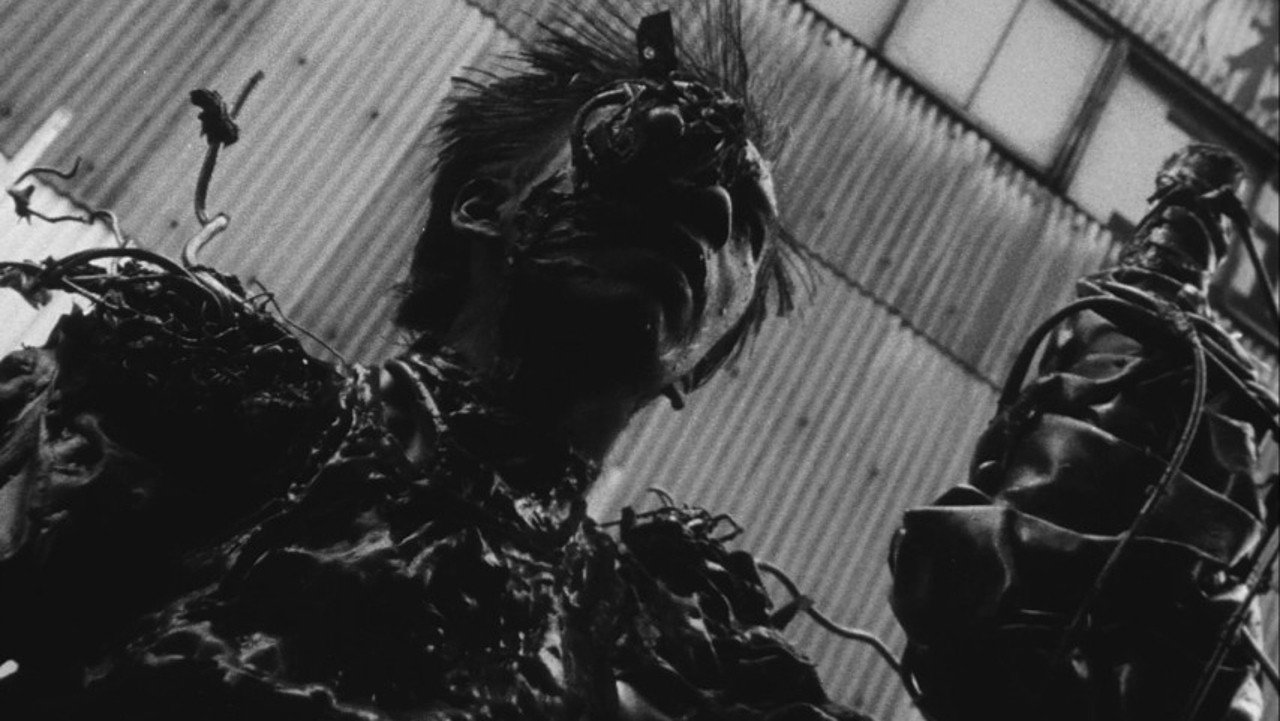
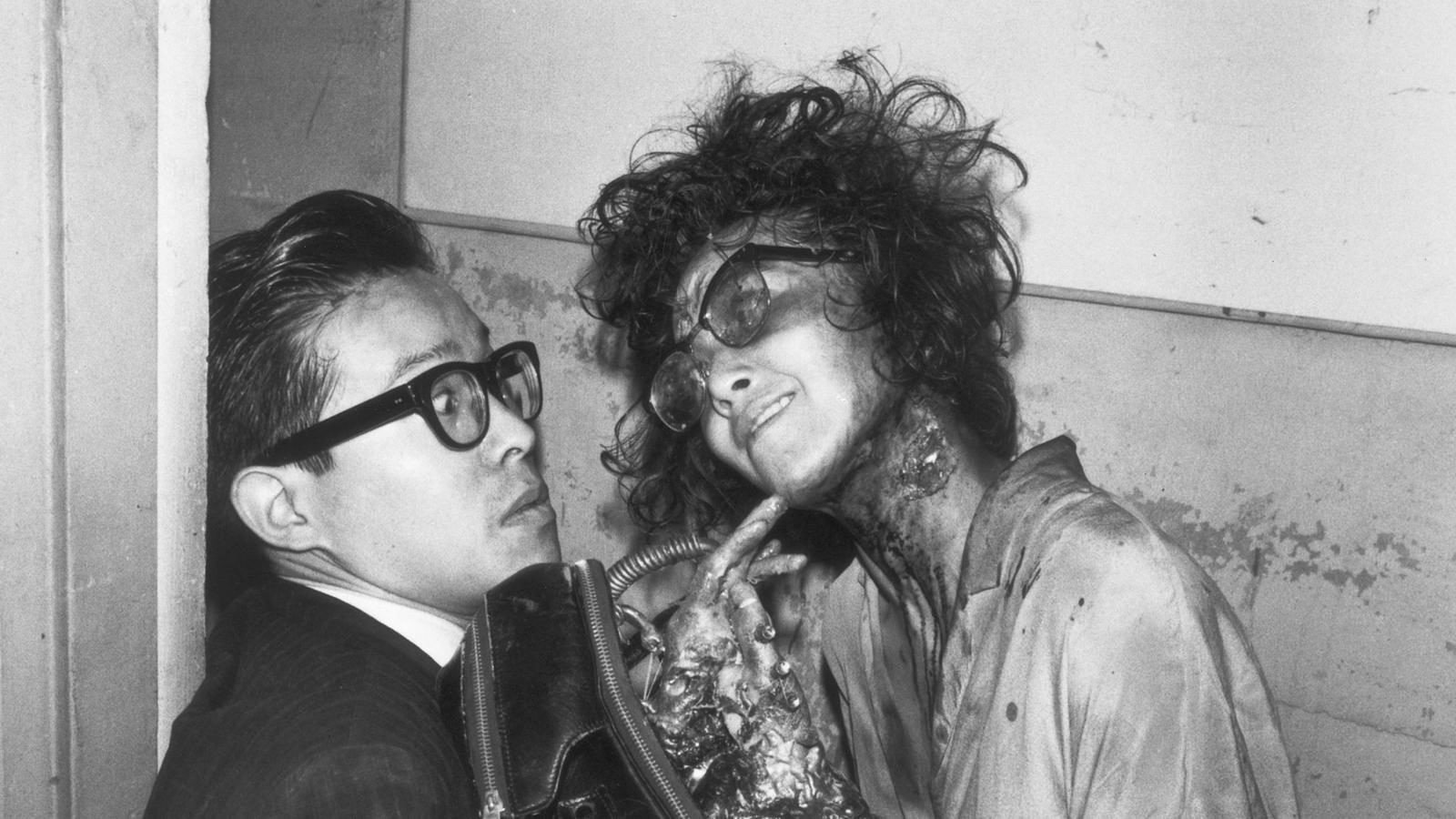
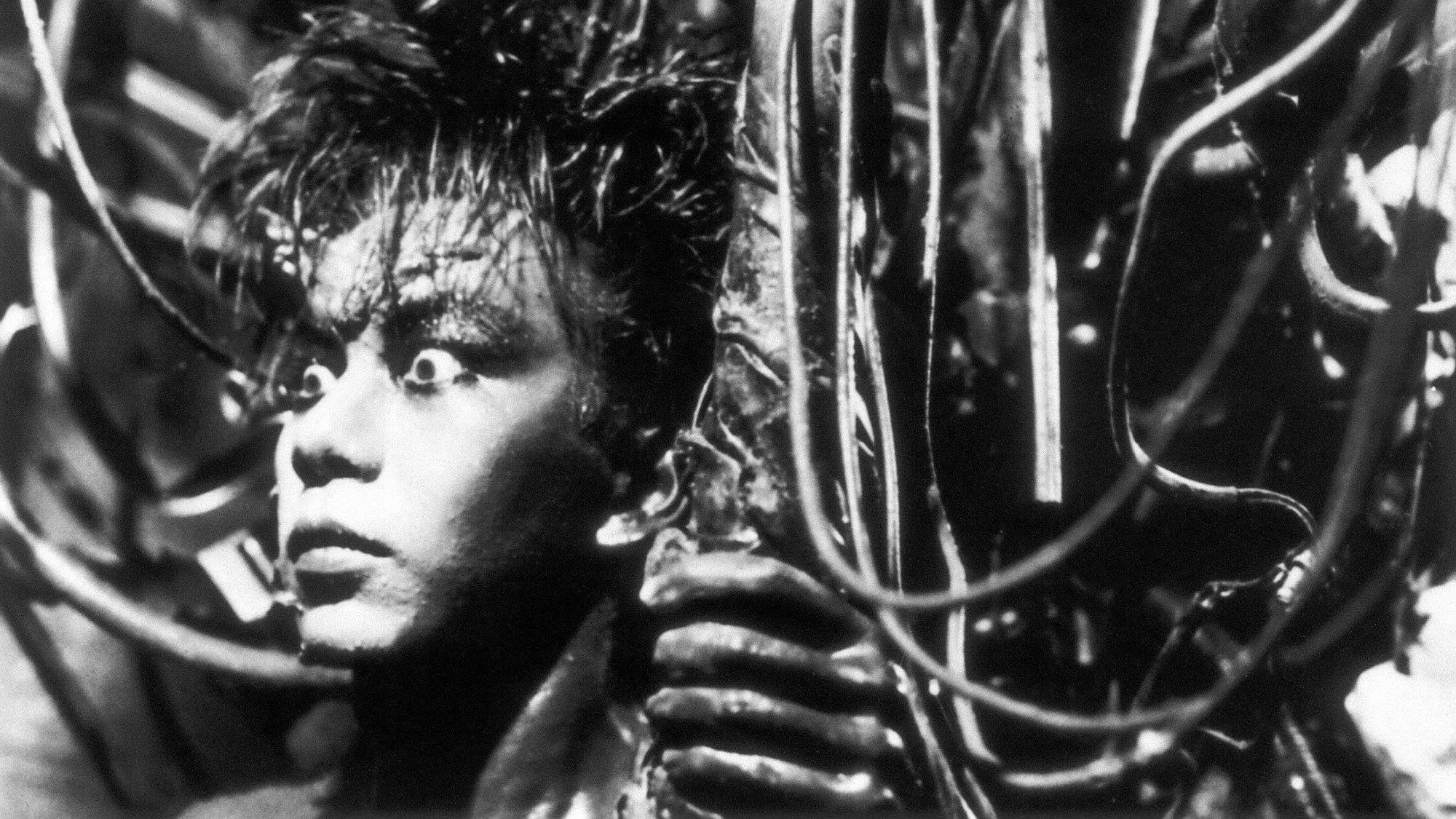
Tomorowo Taguchi plays the Salaryman as someone whose body has become impossible to manage. His contortions suggest real pain even when their exaggeration becomes funny. We were horrified by the machinery sprouting from his flesh. The handmade prosthetics make the transformation look painfully attached to a person, and the stop-motion movement denies us the comfort of a body behaving naturally. The visible awkwardness of the effects helps: smoothness would make this easier to dismiss.
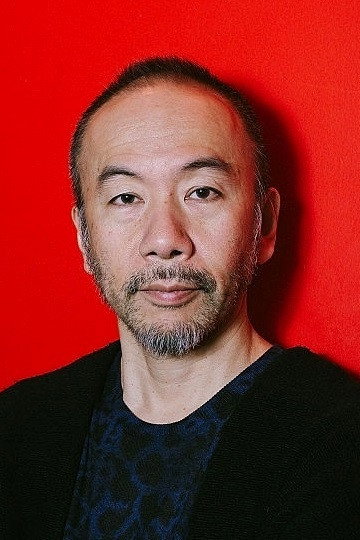
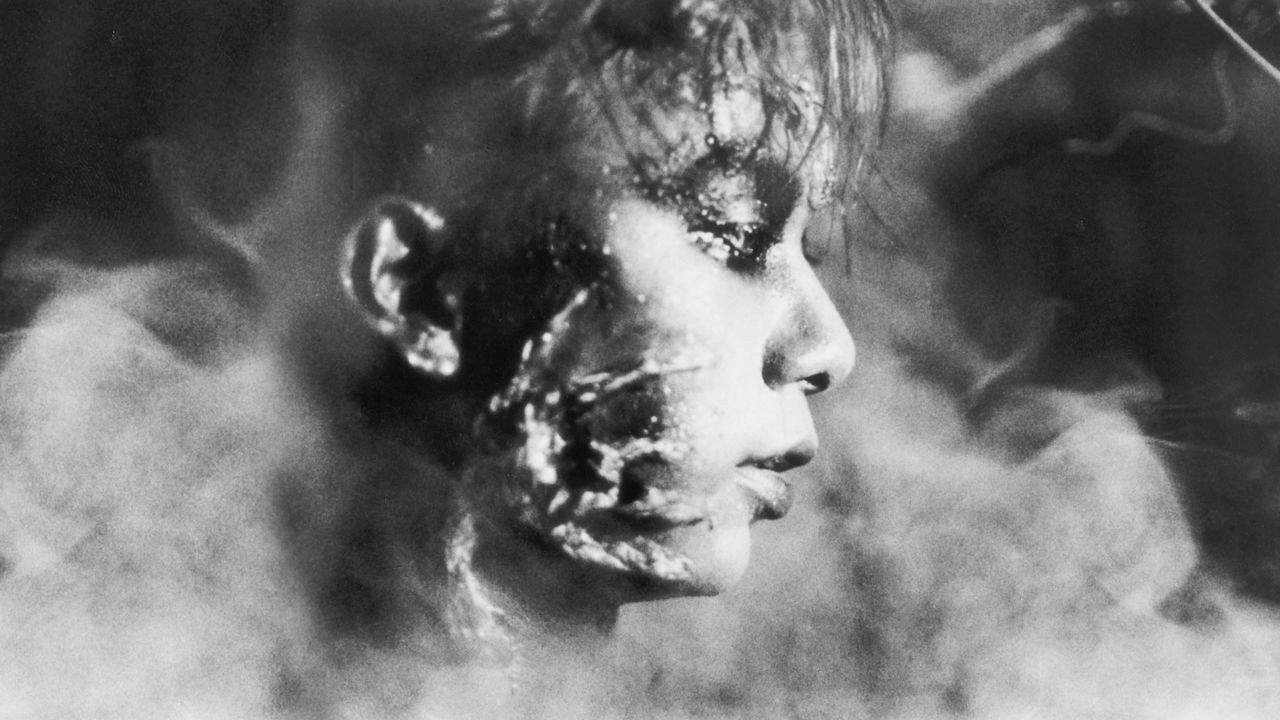
The photography, shared by Shinya Tsukamoto and Kei Fujiwara, uses harsh black and white to make the changes difficult to inspect comfortably. Flesh and metal begin to look horribly compatible. Those handmade surfaces matter as much as the speed: we can see enough of the physical construction to imagine its weight against skin. Keeping the effects so plainly physical gives the film a particular nastiness. There is little opportunity to admire a clever trick without also imagining how much it would hurt.
Chu Ishikawa’s music supplies an industrial pulse that keeps the transformation from becoming a succession of gruesome exhibits. The beat is insistent enough to become uncomfortable before we have time to inspect the latest growth. Shinya Tsukamoto also edits, cutting with a speed that refuses a comfortable distance from the bodies. Stop-motion can be playful; here its broken movement makes even a pause feel unreliable. The pressure rarely eases.
The writing is less satisfying when we ask who these people are beyond what their bodies want or suffer. Kei Fujiwara’s Girlfriend and Shinya Tsukamoto’s Metal Fetishist make that limitation plain: even their names leave little room for lives outside the nightmare. That suits a film so concerned with sex and physical appetite, but it restricts how much we can care. The thin story also means that another burst of movement must often provide the interest that a developing character might have supplied.
Yet the film understands something useful about body horror: an unwanted change can frighten us before we understand what it means. A salaryman becoming industrial machinery invites thoughts about work and the uses to which bodies are put, without requiring a speech to announce them. Its sexual grotesquery also prevents the machinery from becoming a tidy symbol with one approved explanation. The humour is usefully unpleasant, too: the physical exaggeration can be funny without making the pain disappear.
There is a point at which the frantic pace begins to flatten the differences between one grotesque image and the next. Anyone looking for the suspense of waiting for a threat will find little relief in a film this occupied with showing its effects on flesh. Choose it for that bodily discomfort and the ingenuity that keeps renewing it; allow a quiet interval afterwards.