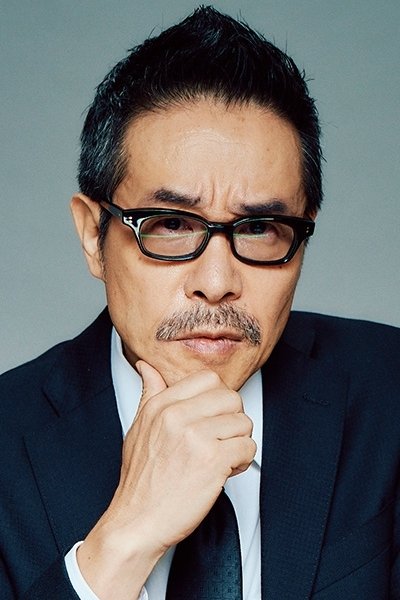
Tomorowo Taguchi makes bodily panic look painful even when it becomes absurd. We rate him for the physical conviction of Tetsuo: The Iron Man, though his long supporting career deserves attention beyond that one conspicuously demanding role.
Fi1m perspective
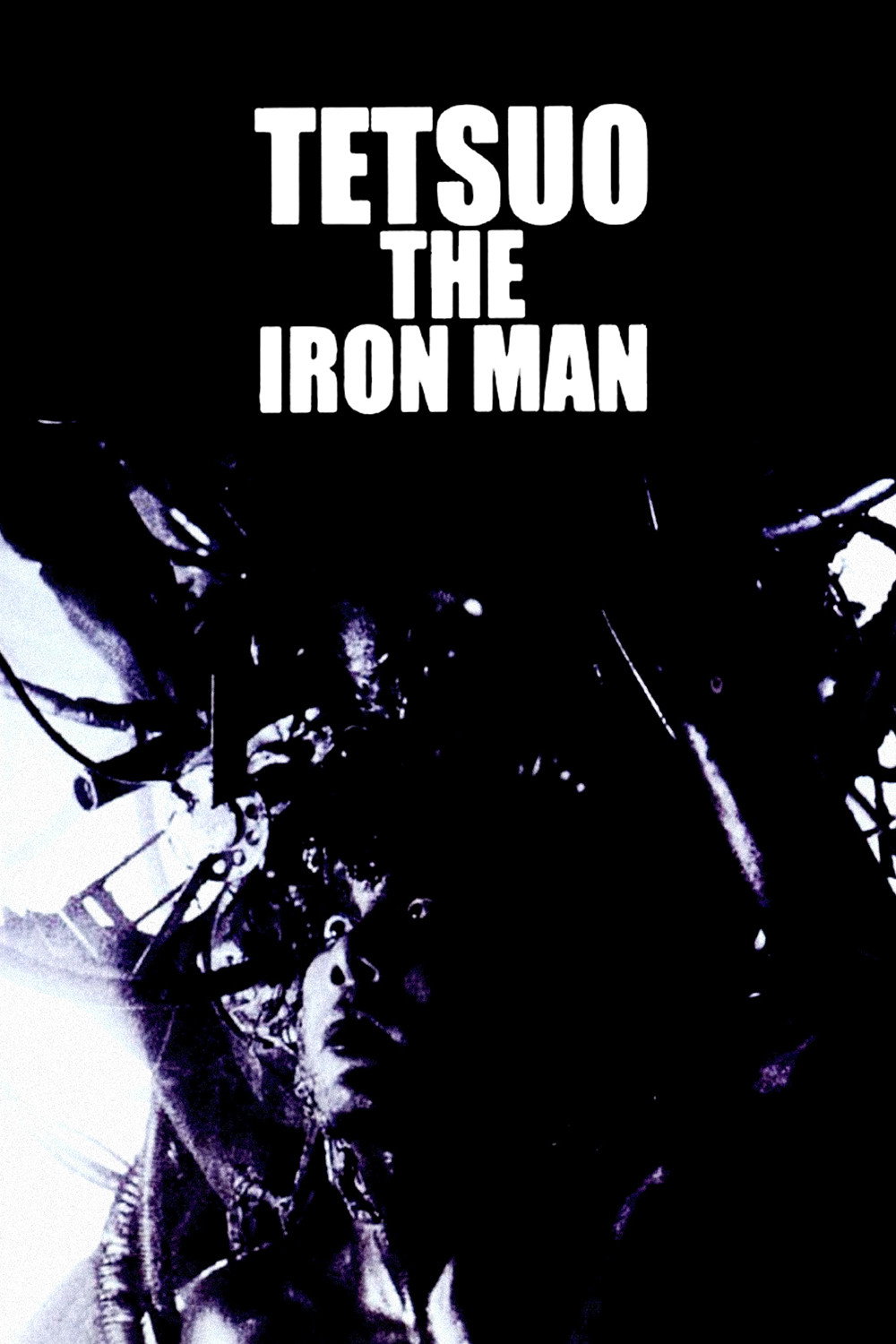
In Tetsuo: The Iron Man (1989), Tomorowo Taguchi contorts himself as though his body has become a problem he cannot solve. As the Salaryman, he makes the exaggeration hurt even when it is funny. The handmade effects in Shinya Tsukamoto’s film demand an actor willing to look as awkward as the things being attached to him. Taguchi gives them that, without letting the performance become a demonstration of endurance. We recommend the film with reservations about its thin characters and exhausting intensity, but little reservation about the man struggling inside the machinery.
The prosthetics remain visibly awkward, and Taguchi’s contortions make that awkwardness useful. We were horrified by the machinery sprouting from his flesh because his movements suggest real pain beneath the effects. The stop-motion denies us the reassurance of a body moving naturally; his performance still gives us a person to be frightened for. That matters in a film whose characters are thinly drawn. He cannot supply the missing detail, but he makes the immediate physical predicament matter.
Tetsuo was his breakthrough lead, followed by Tetsuo II: Body Hammer (1992) and further work with Tsukamoto. The subsequent career is largely one of supporting parts, with Takashi Miike becoming a frequent collaborator from the mid-1990s. Shinjuku Triad Society (1995) belongs to that partnership; The Eel (1997), directed by Shohei Imamura, places him in another director’s ensemble. Later work includes the mainstream disaster drama Fukushima 50 (2020). Those credits are worth keeping in view when one mutating salaryman threatens to become the whole account of an actor.
Taguchi has acknowledged being typecast, but treating him only as a specialist in bodily distress would miss much of that supporting work. His work across body horror, yakuza drama, art-house films and occasional comedy warrants looking beyond the association with experimental cinema. What we value most in Tetsuo is his willingness to look ridiculous without asking us to stop taking the pain seriously. Start there if body horror is yours, but allow for needing a rest afterwards.
Biography
Tomorowo Taguchi (also credited as Tomoroo Taguchi, Tomoro Taguchi and Tomorô Taguchi) is a Japanese actor, film director and musician. Born on 30 November 1957 in Musashino, Tokyo, he left Dokkyo University without graduating and worked as an illustrator, writer and pornographic cartoonist before joining the theatre group Hakken no Kai in 1978. His screen debut came in 1982 in Zokubutsu Zukan.
Taguchi gained prominence in the Tokyo underground music scene as a member of the band Bachikaburi during the 1980s and early 1990s. He is known for his leading role as the Salaryman in Shinya Tsukamoto's Tetsuo: The Iron Man (1989) and its sequel Tetsuo II: Body Hammer (1992), and has appeared regularly in films by Takashi Miike. He has also directed three features: Iden & Tity (2003), Shikisoku Generation (2009) and Piece of Cake (2015). Between 2000 and 2005 he was the narrator of the NHK documentary series Project X - Challengers.