Shinya Tsukamoto makes bodily change feel painfully physical, using handmade effects and restless cutting to keep us uncomfortable. We rate the invention highly, even when the people suffering through it are less developed than their mutations.
Fi1m perspective
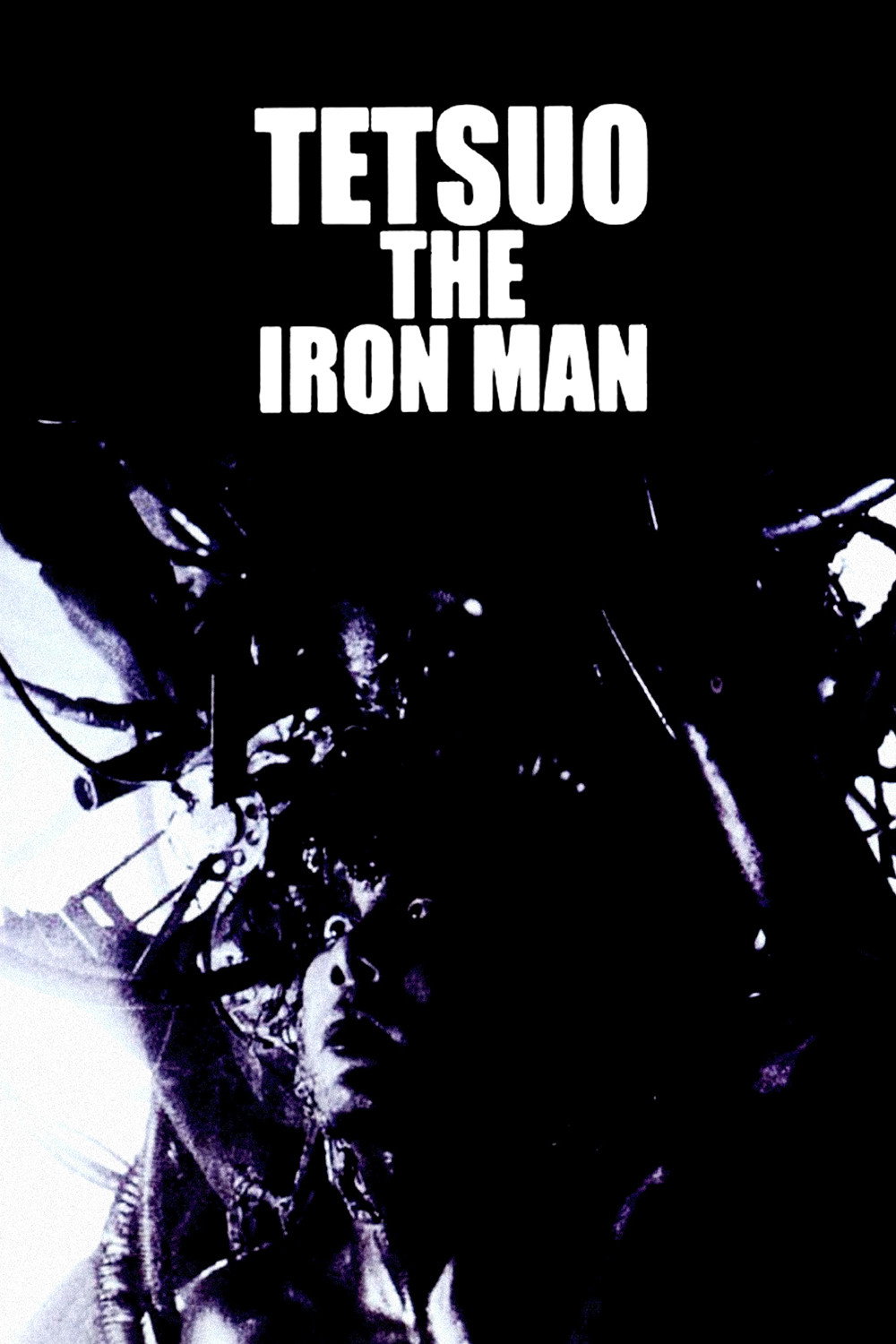
In Tetsuo: The Iron Man (1989), flesh and metal look horribly capable of growing together. The handmade effects let us imagine their weight against skin, and Tsukamoto gives the changing man little time to adjust. We recoiled because the metal looked heavy enough to hurt, not merely strange enough to admire. He treats a man becoming a machine so seriously that the nasty humour becomes funnier. We recommend this abrasive horror, with a warning that its near-constant pressure can wear us down.
Tsukamoto shares the harsh black-and-white photography with Kei Fujiwara, making the bodily changes difficult to inspect comfortably. He frequently writes, shoots, edits and acts as well as directing. Here, his rapid cutting denies us a comfortable distance from the bodies, while stop-motion makes even a pause seem unstable. Composer Chu Ishikawa supplies an industrial pulse that keeps the transformations moving rather than presenting each as a separate exhibit.
Bodily transformation remains a recurring concern in his films through the 1990s and 2000s. Tokyo Fist (1995) puts rage and physical change into a boxing drama, while Bullet Ballet (1998) turns to grief and urban despair. The war-novel adaptation Fires on the Plain (2014) marks a shift towards historical settings. Killing (2018) continues that move into period filmmaking. Those changes give us a reason to look beyond the metal mutations when considering his work, though violence remains a persistent concern.
What we want more of in Tetsuo is a person whose life matters beyond what is happening to their body. Tsukamoto’s Metal Fetishist and Fujiwara’s Girlfriend have little existence outside appetite and suffering; even the names suggest the limit. His writing leaves another burst of movement to supply interest that a developing character might have provided. At 67 minutes the film stops before the assault becomes merely tiring, but it comes close enough to make the caveat matter. Start with Tetsuo, but save it for an evening when being made uncomfortable is part of the plan.
Biography
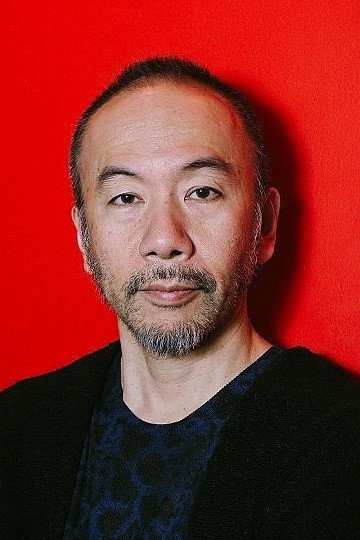
Shinya Tsukamoto is a Japanese film director, screenwriter, cinematographer, editor, producer and actor. Born in Tokyo in 1960, he began making 8 mm short films as a teenager. After studying oil painting and working at an advertising agency, he founded his own theatre company.
Tsukamoto made his feature debut with Tetsuo: The Iron Man (1989), on which he served as director, writer, producer, editor, cinematographer and actor (as the Metal Fetishist). The low-budget cyberpunk body-horror film established his international reputation. He has since directed further films including Tokyo Fist (1995), Bullet Ballet (1998), A Snake of June (2002), Vital (2004) and Kotoko (2011), frequently taking on multiple production roles and appearing in his own work.
His films have screened at international festivals and he has received awards including the Mainichi Film Award for best director and best actor, and the Nippon Honor Award in 2019.