Film review

The Young and the Damned

1950 · Directed by Luis Buñuel · 1h 22m

In a sentenceThe adults need supervising at least as much as the children

DramaCrime

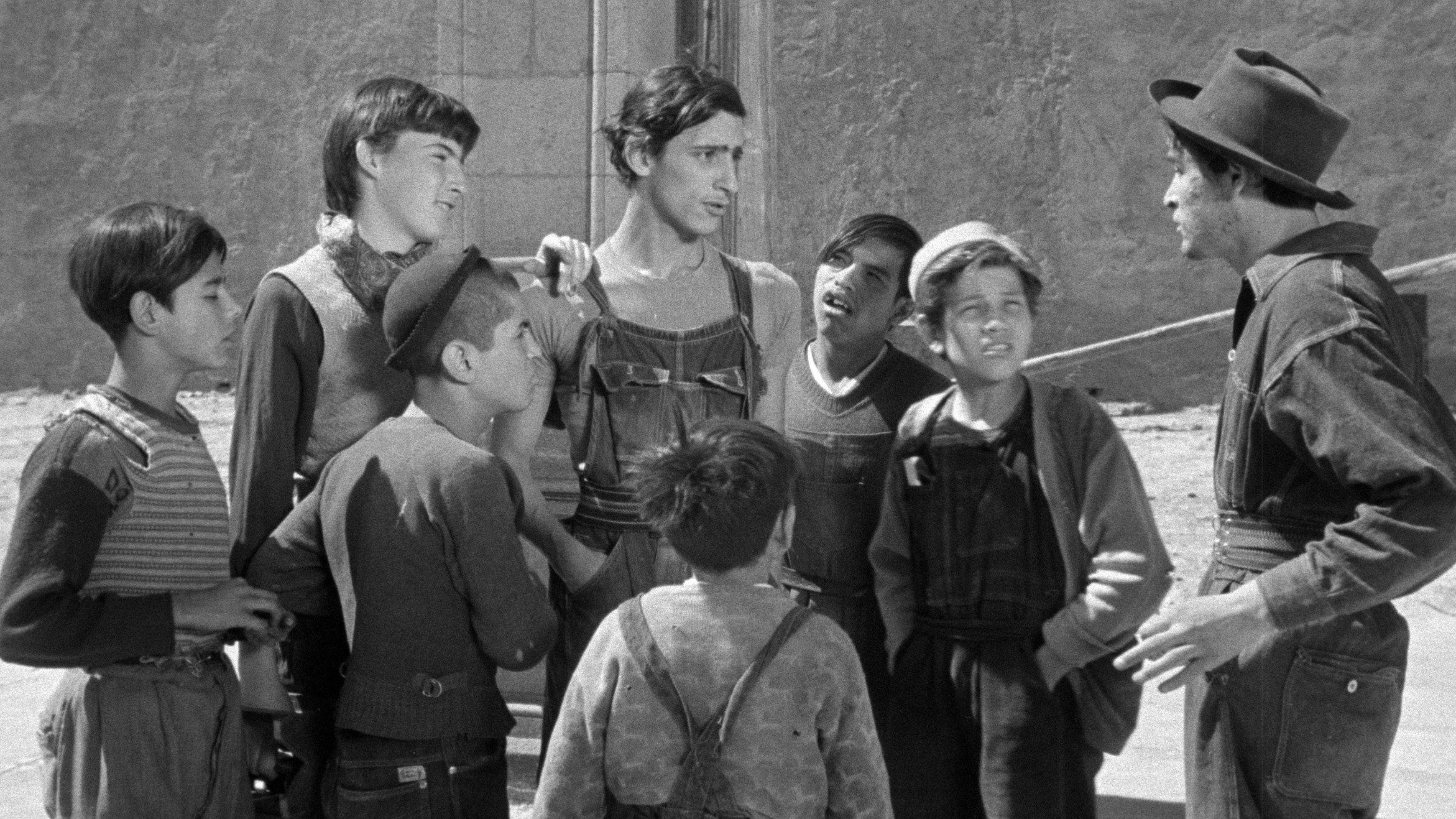
In the slums of Mexico City, Pedro (Alfonso Mejía) and Jaibo (Roberto Cobo) are among children growing up with poverty and street violence. Around them are Mother (Stella Inda), Carmelo (Miguel Inclán) and Meche (Alma Delia Fuentes). The street is a place for games, including a mock bullfight, and for fights. The children need affection and protection, but the adults have their own hardships and cruelties. The boys must deal with one another in a neighbourhood where care is scarce, and where the people who might offer it are themselves struggling.

Fi1m review

Luis Buñuel’s drama about Mexico City’s street children is forceful, unsettling and worth the discomfort. Strong performances and a disturbing dream sequence keep it painfully human, though the repeated brutality and weaker subplots occasionally wear us down.

The Young and the Damned is a distressing, forceful drama that earns its severity, although its weaker subplots make the suffering feel over-insistent. Luis Buñuel follows street children in Mexico City without requiring them to be lovable before they deserve our concern. Poverty has damaged their lives and their dealings with other people. The film takes that damage seriously, including the cruelty it encourages. At 82 minutes, it is short enough to watch without a break, though we would understand wanting one.

Roberto Cobo’s Jaibo is the most troubling presence, and the performance makes the street violence difficult to dismiss as something these children simply cannot help. There is enough force in the acting to make us attend to behaviour we would prefer to turn away from. Alfonso Mejía’s Pedro keeps the children’s need for affection close to the surface. Stella Inda’s Mother helps make the adult world feel no more capable of providing comfort than the children are of finding it.

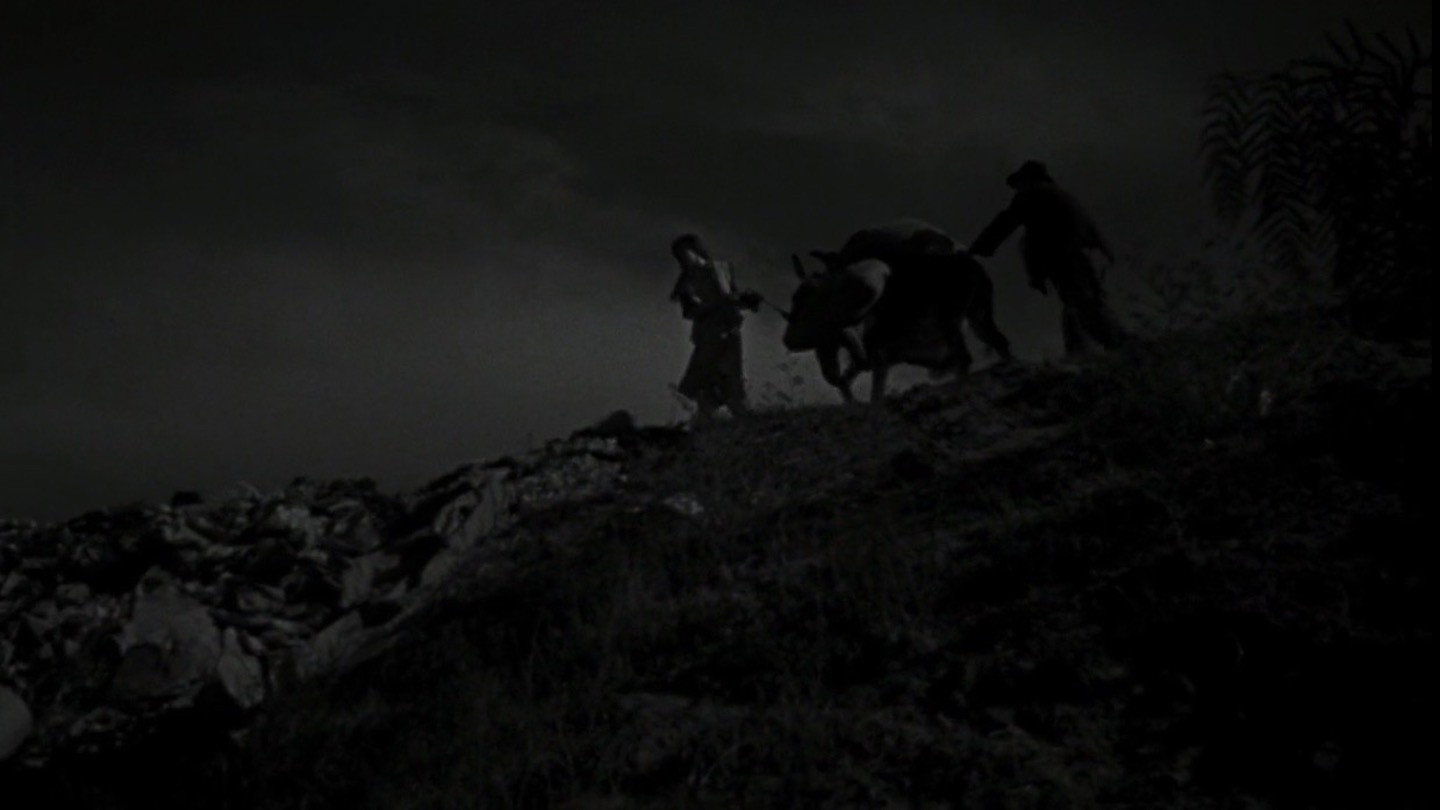
Gabriel Figueroa’s cinematography gives the slum streets strong contrasts, keeping their harshness visible without making every image look merely illustrative. We can register the surroundings as places people inhabit, which matters in a film so concerned with what those surroundings do to them. Edward Fitzgerald’s production design supports that sense of a neighbourhood with an existence beyond the immediate violence. The setting feels credible even when the story presses hard on its inhabitants.

Carlos Savage’s editing sustains the pressure, and the lack of respite is effective for much of the running time. It also contributes to the occasional feeling that another violent incident is proving something already established. Gustavo Pittaluga’s music is less essential to the emotional force than the images, and we would have preferred a lighter touch. The actors give us enough to respond to without much encouragement from the score.

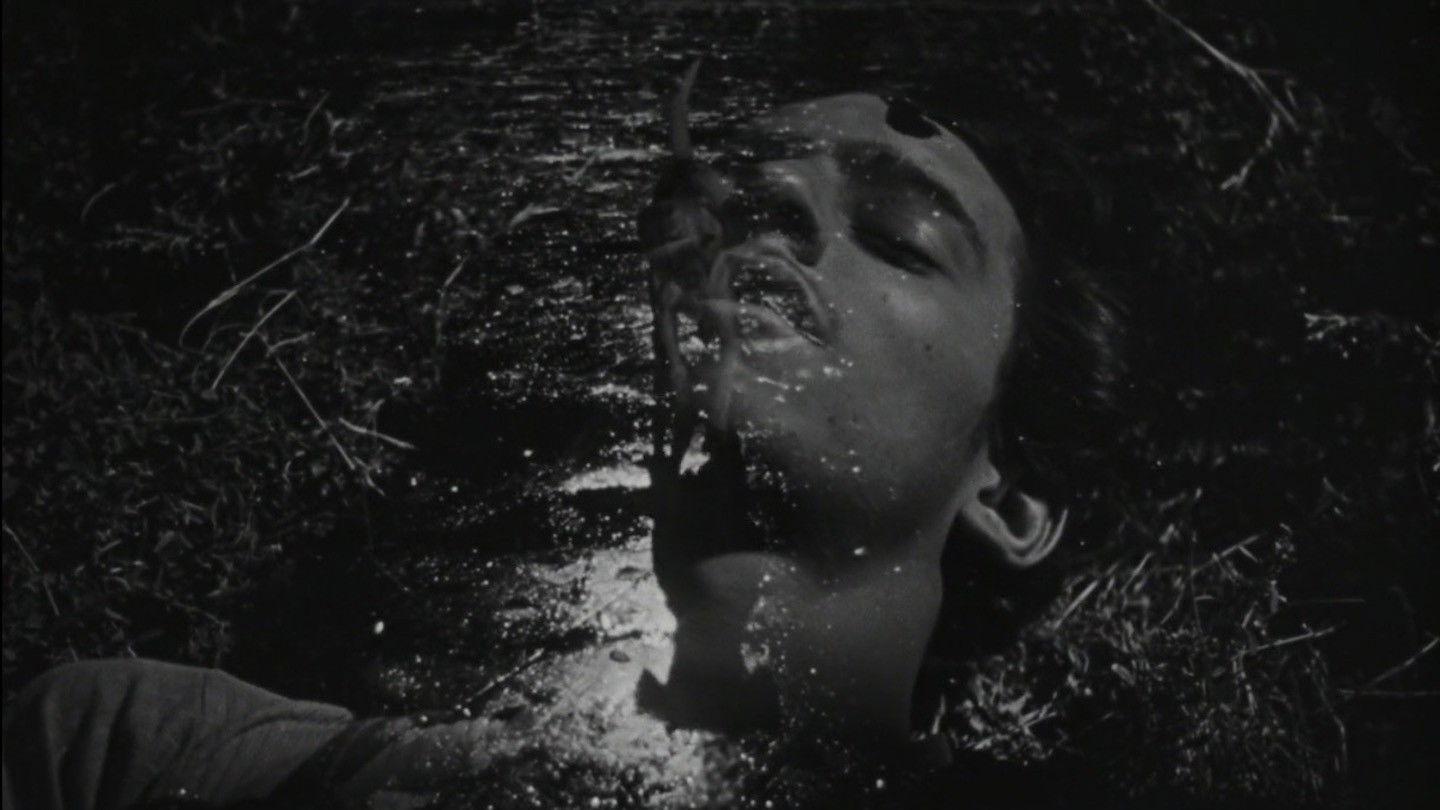
We were disturbed most by the dream sequence, because it brings the distress closer than the street violence does. Luis Buñuel allows the film to leave everyday realism without making the children’s suffering any less immediate. The strangeness makes room for feelings that the harshness elsewhere can crowd out, and gives us something to think about beyond the next physical threat. It is the clearest reason to resist treating the film simply as a grim account of juvenile crime.

The screenplay by Luis Buñuel and Luis Alcoriza is less secure when it moves through the surrounding stories. Some supporting figures seem to be there chiefly to supply another example of neglect or viciousness, and the accumulation can make the film’s anger feel repetitive. More room for ordinary behaviour would have helped these passages, without requiring a sudden outbreak of optimism. Those passages briefly make us conscious of how insistently the suffering has been arranged.

A drama about neglected children can make sympathy easy by keeping the children innocent and giving an adult the right words to say. This one is willing to make care difficult, and to show why it remains necessary. That is a demanding choice for an evening, but the performances and the strange, disturbing images justify it. Choose it when there is time afterwards to sit quietly; this is poor preparation for cheerful company.

Critical consensus AI synthesised

70
Positive
7
Mixed
0
Negative
2

Most critics praise The Young and the Damned for its unsentimental treatment of poverty and juvenile crime in Mexico City, and for refusing comforting explanations or easy solutions. The praise centres on Buñuel’s direction: the combination of harsh social realism, surreal imagery and a dream sequence that several reviews single out. Supporters find the brutality purposeful, exposing how neglect damages children. Visual style draws more attention than acting, though Den of Geek singles out Roberto Cobo’s performance as Jaibo.

The spread is wide despite seven of the nine reviews being positive. Reservations range from weaker subplots to objections to the film’s whole approach. The two negative reviews, both from 1952, reject what admirers find powerful: The New Yorker finds the brutality excessive and emotionally unproductive, while The New York Times sees violence, melodrama and coincidence without a clear focus. The central disagreement is over whether the unrelenting suffering deepens the film’s social criticism or blunts its effect.

Empire
14 June 2006 · David Parkinson
90*

The critic praises Buñuel's potent exposé of depravity in the slums, which takes neo-realism into surrealist territory and refuses easy solutions or judgment. The film is described as a shattering indictment of social indifference that retains its original power.

Read the full review →
Los Angeles Times
18 October 1991 · Mark Chalon Smith
90*

Buñuel’s early masterpiece is operatic in its tragedy yet steadfast in its realism, a retort to hopeful movies that presented juvenile delinquency as easily overcome by love and sentiment. Poverty is shown as a dehumanizing cycle, with the film attacking the sadness that ruins children before they have a chance.

Read the full review →
Time Out
13 February 2007 · Nick Funnell
90*

The critic praises the film's defiant lack of sentimentality in depicting the brutal lives of Mexico City street kids and its blend of neorealism with Buñuel's surrealist elements, especially a memorable dream sequence. It is called a masterpiece that powerfully exposes social and individual ills without offering easy resolutions.

Read the full review →
The Guardian
16 February 2007
80*

Buñuel's 1950 film, restored for a NFT season, is a rough-and-ready portrait of street kids in Mexico City that stands out for its metaphysical and surreal dimensions beyond mere social realism. The critic highlights the famous dream sequence and poetic flourishes as what make it riveting.

Read the full review →
Slant Magazine
6 May 2002 · Ed Gonzalez
70*

The critic praises Buñuel's objective, unsentimental portrayal of Mexico City street children and the film's intense focus on isolation and societal neglect. He singles out the director's powerful visual style, including a memorable mock bullfight sequence and a disturbing dream scene, for heightening the emotional impact.

Read the full review →
Variety
31 December 1949 · Variety Staff
70*

The film is an objective, unrelenting closeup of life among delinquents in a Mexican slum, with no hope offered except through sweeping social changes. Buñuel has filled the picture with symbols like a terrifying blind man and bloody battles, aided by strong contrasty cinematography.

Read the full review →

Cast

Stills

If you liked this, try…

Germany, Year Zero poster

Germany, Year Zero

1948 · Another child’s struggle becomes harder to bear because sentimentality is kept away.

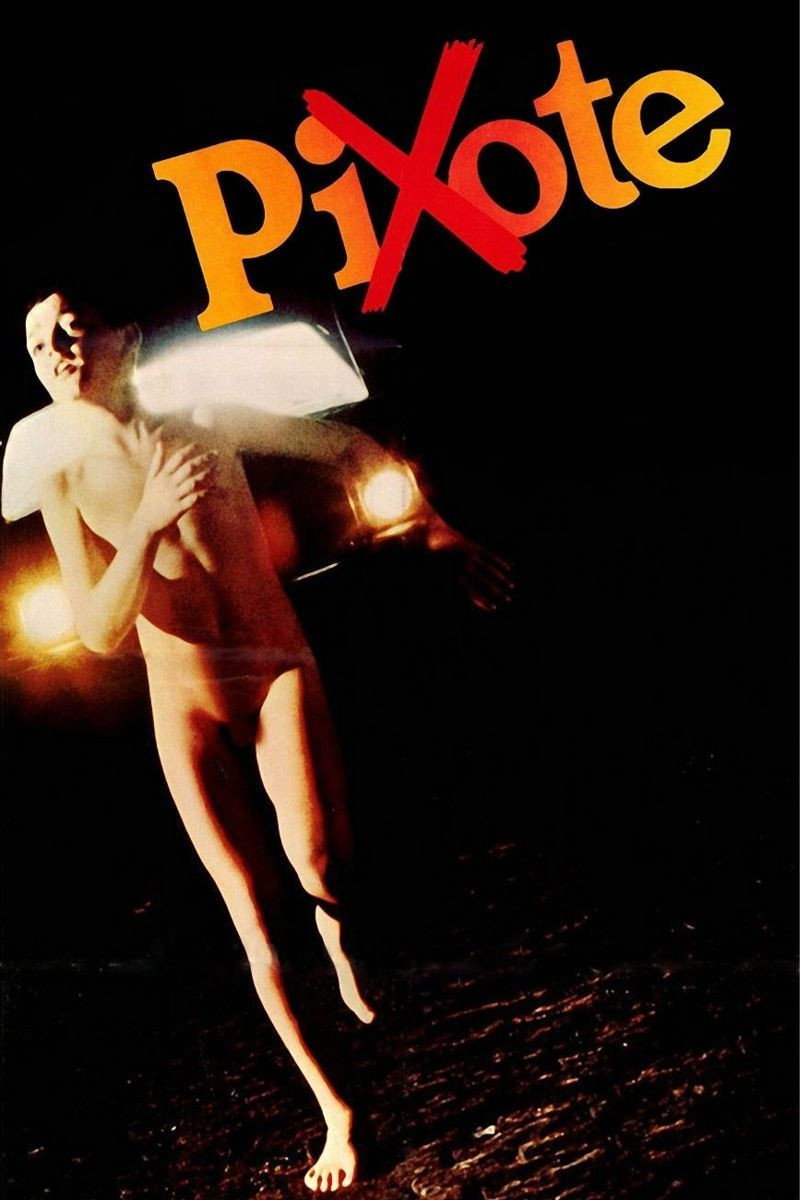
Pixote poster88

Pixote

1980 · Street children find little protection, in a drama even harder to sit through.

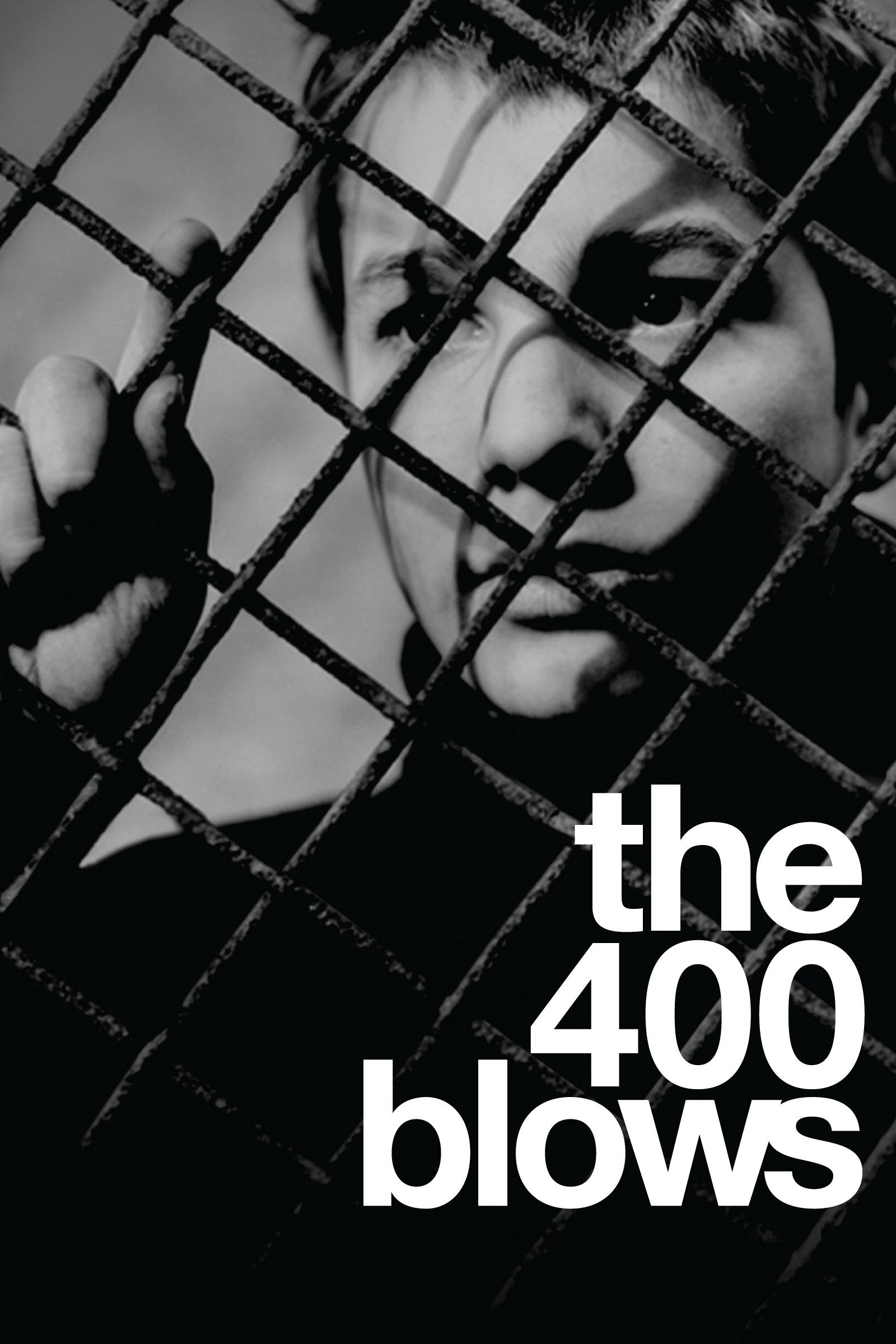
The 400 Blows poster91

The 400 Blows

1959 · A less punishing account of childhood rebellion, equally alert to adult failures.

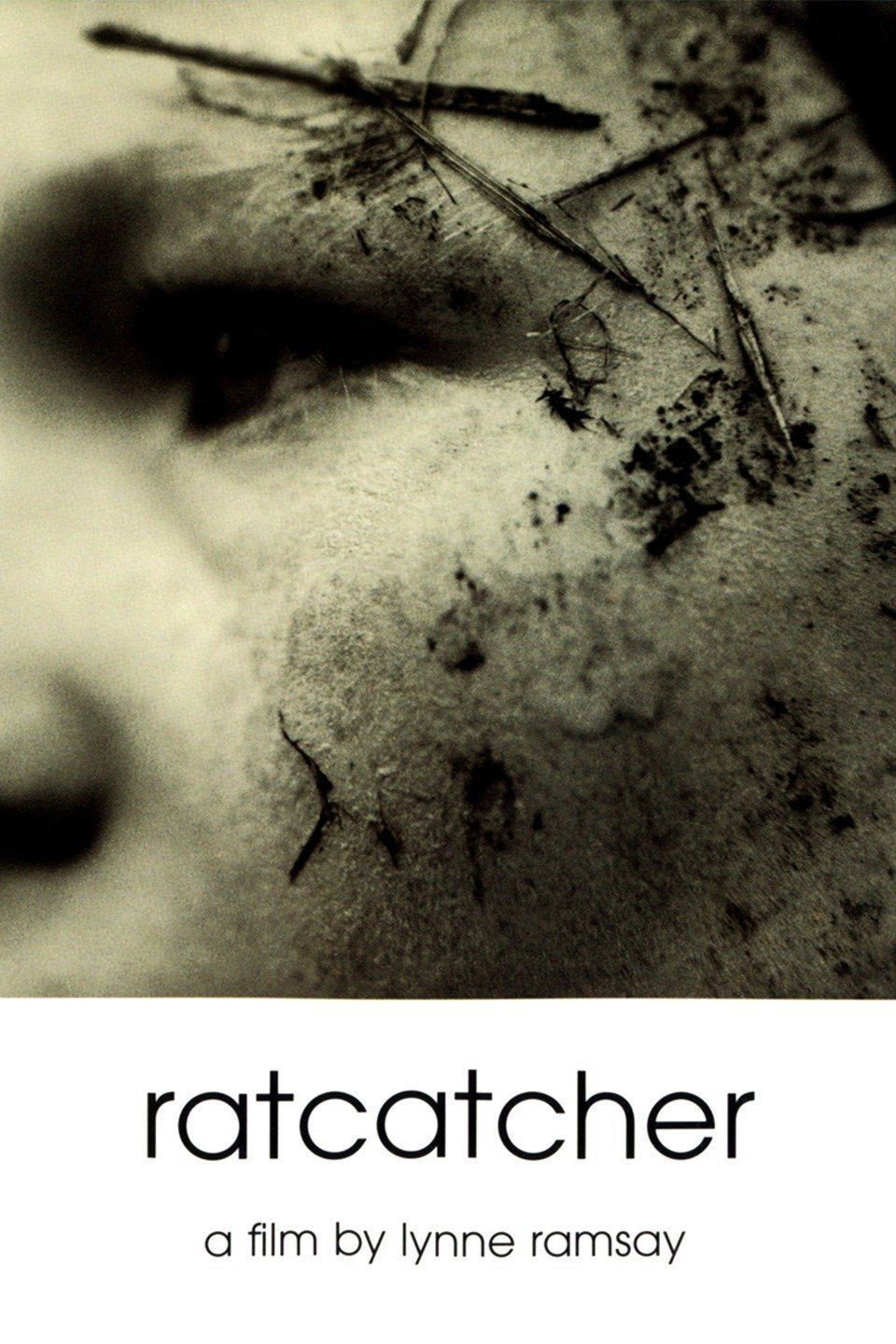
Ratcatcher poster88

Ratcatcher

1999 · Childhood poverty observed with tenderness, unease and room for odd private pleasures.

Nobody Knows poster

Nobody Knows

2004 · Children left to manage alone, with quiet scenes that become increasingly distressing.