We recommend Héctor Babenco’s Pixote for its patient attention to children surviving adult neglect. Fernando Ramos da Silva is painfully convincing, even when the writing makes their prospects look too predictably hopeless.
Pixote is a hard film to sit through, and we recommend it despite its tendency to press the same painful point too often. Héctor Babenco follows abandoned children for whom adults are more likely to bring danger than protection. His on-camera introduction announces his concern for the children before the drama begins. The drama then has to make us care about particular children, and Fernando Ramos da Silva gives it a boy whose face holds our attention even when we would prefer to look away.
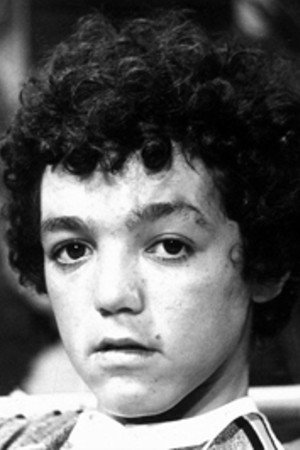
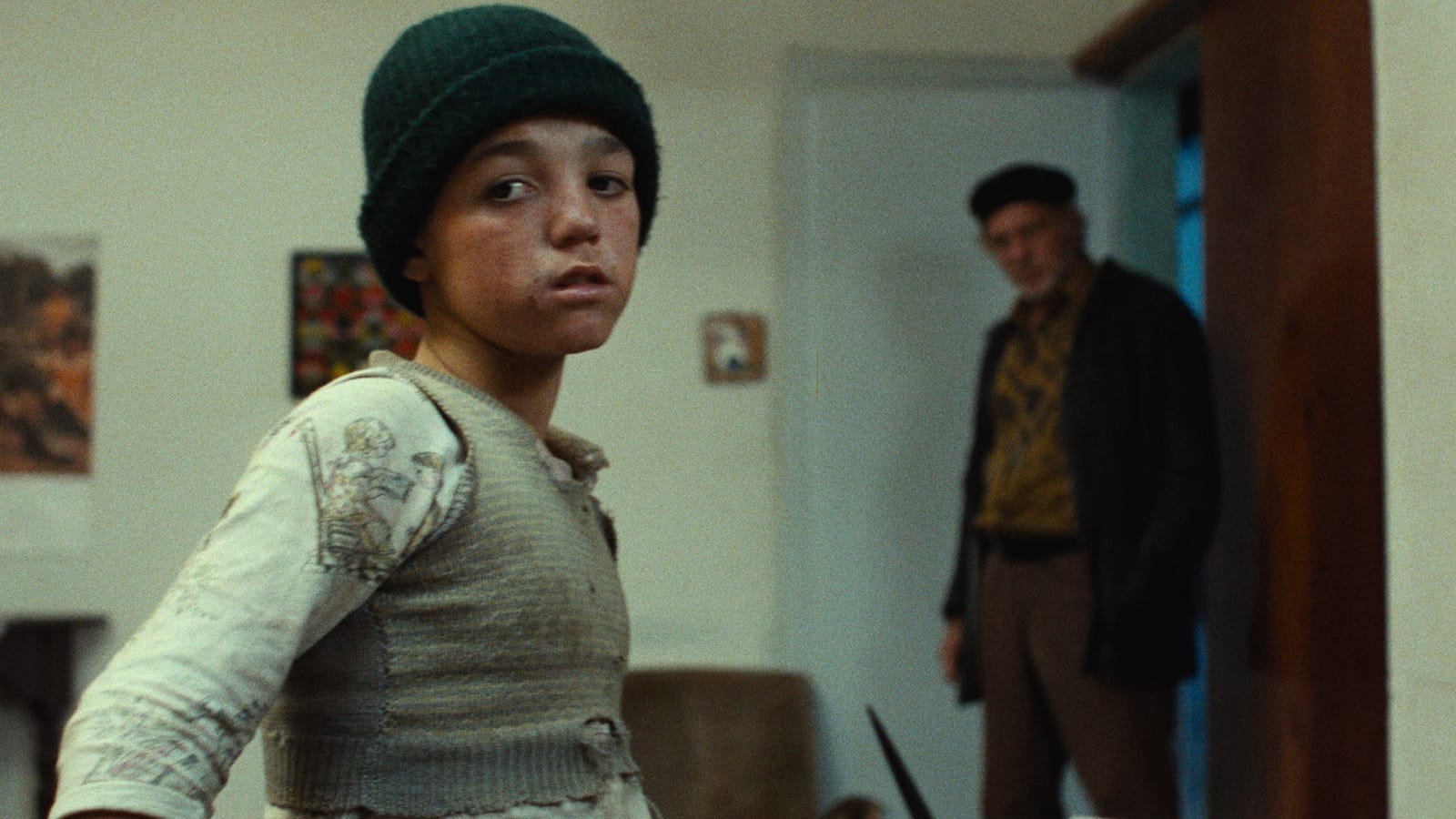
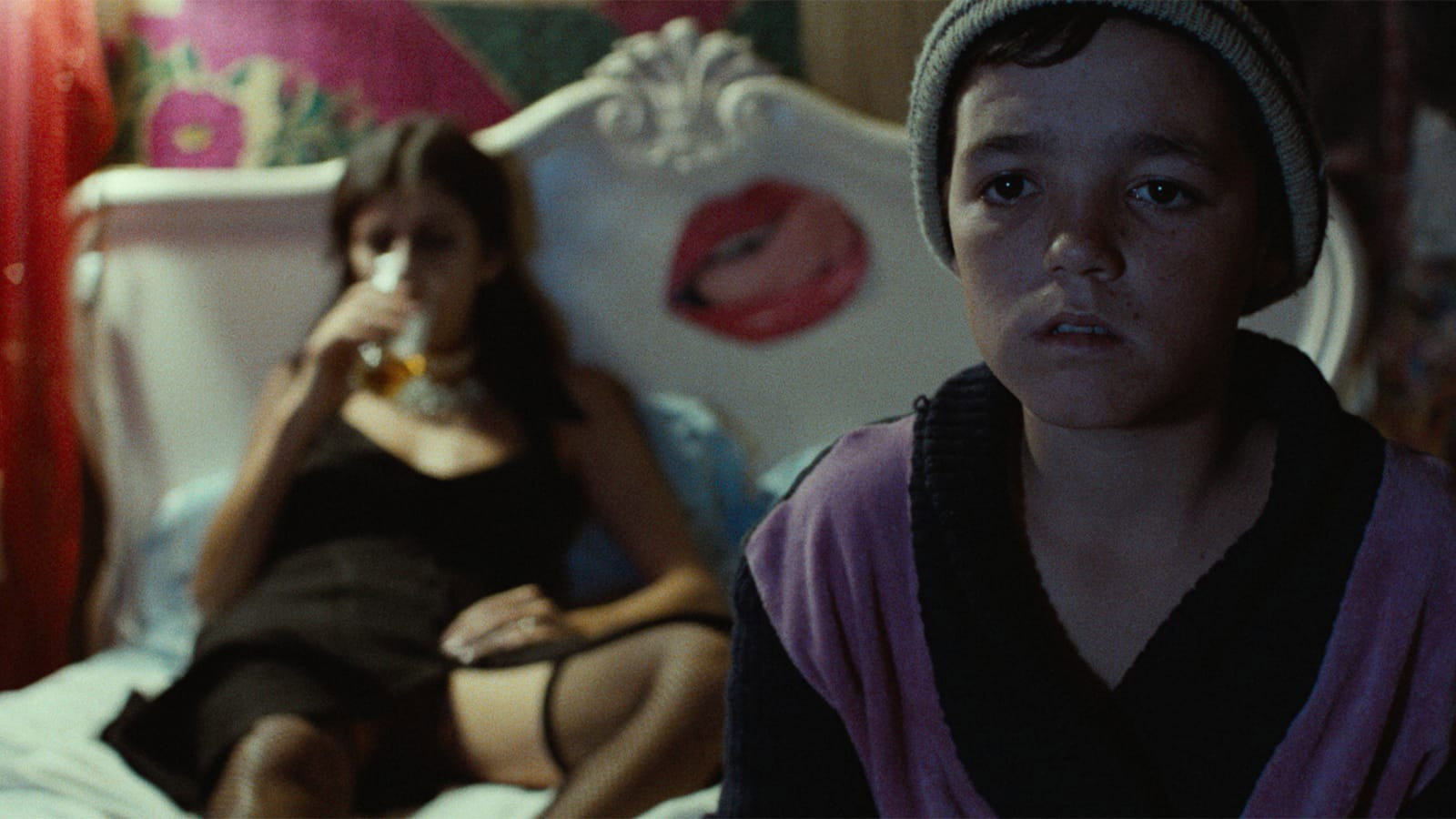
Fernando Ramos da Silva makes Pixote watchful in a way that is painful to see in a child. We were horrified by the reformatory passages, especially because his battered, guarded face suggests that so little of the brutality surprises him. He gives us no reassuring sense that resilience will be enough to protect the boy. There is still a child’s need for attention here, but the performance never makes him conveniently endearing. Babenco has the judgement to let that unease persist.
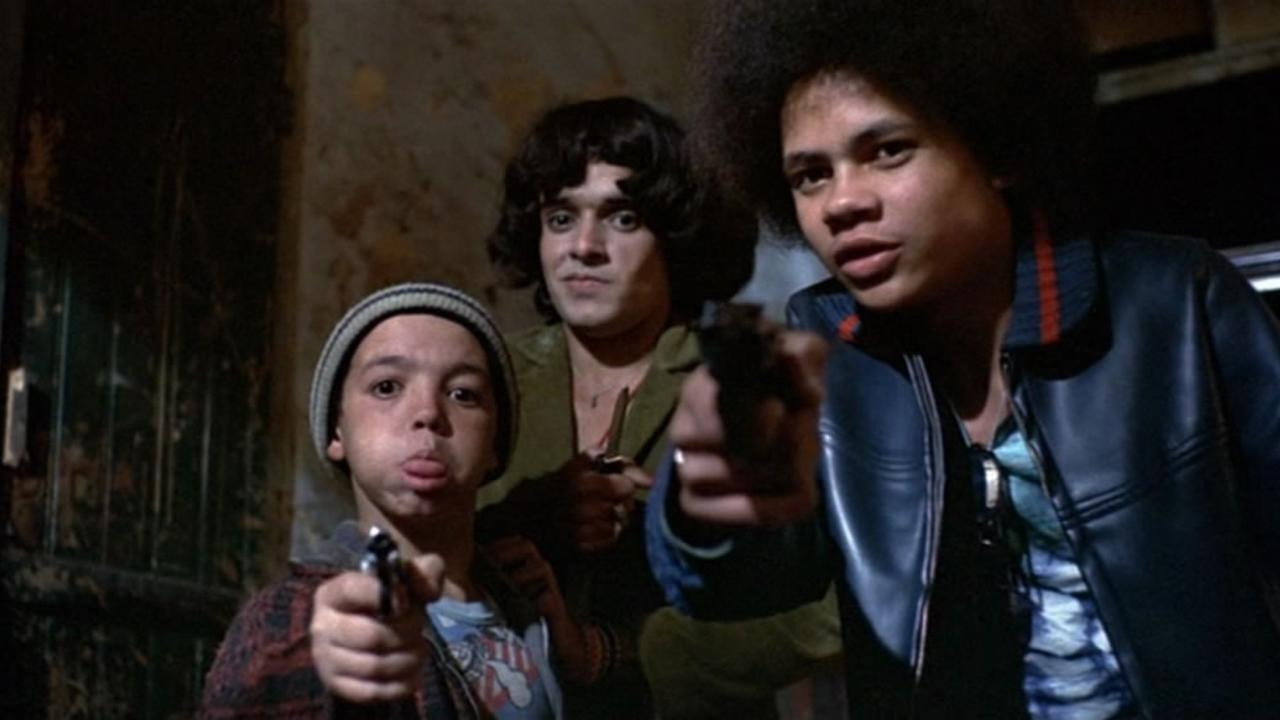
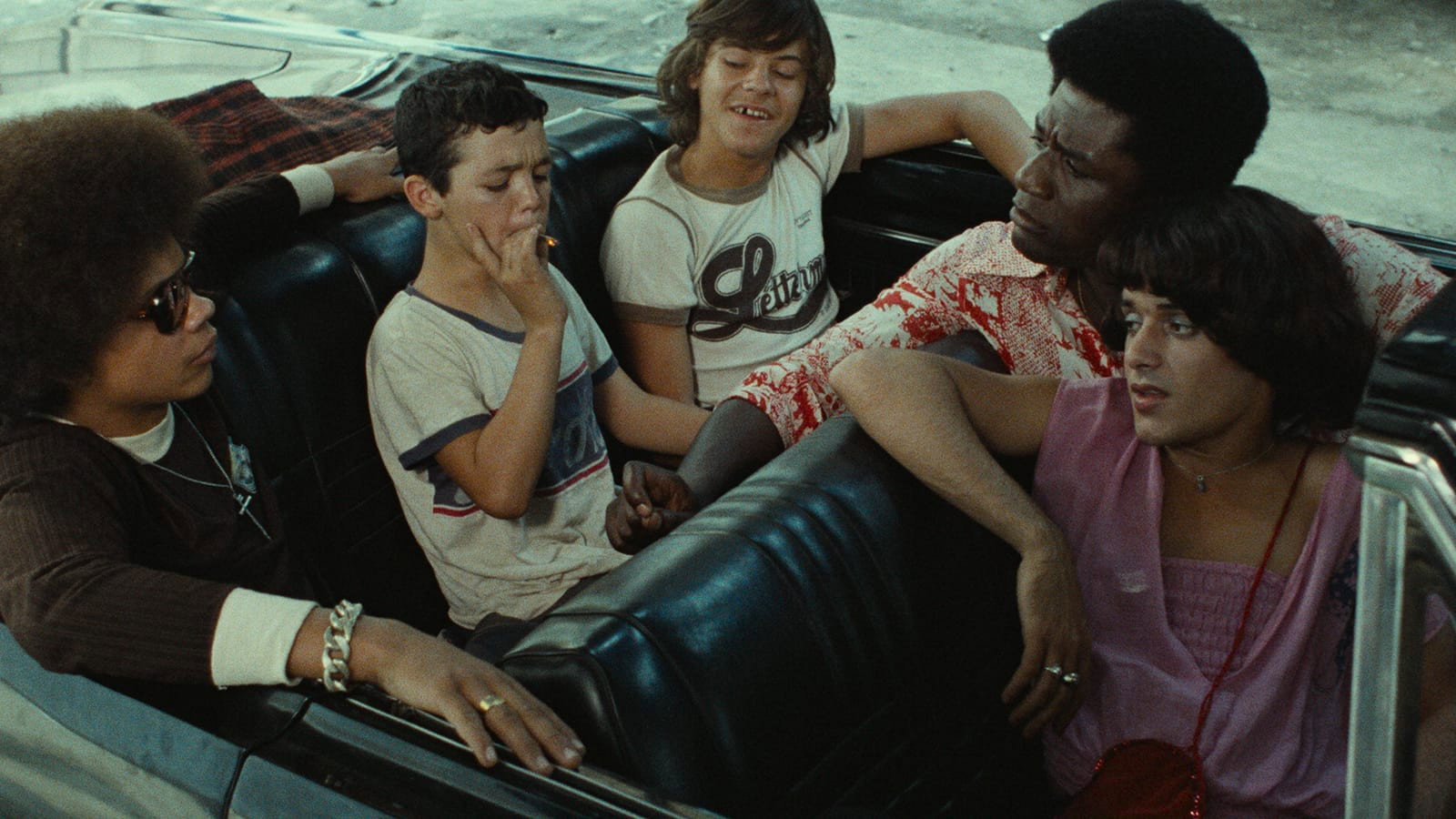
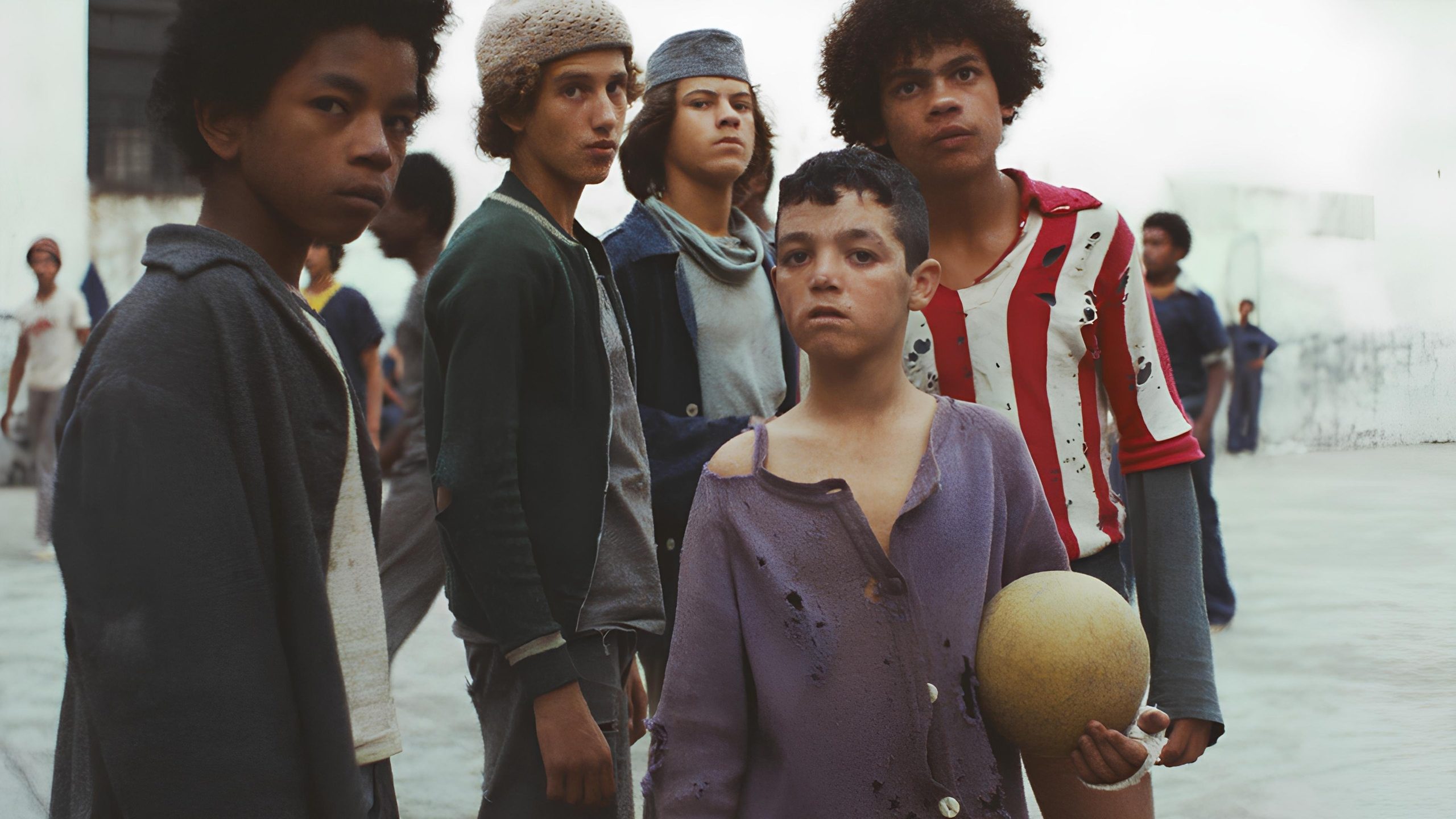
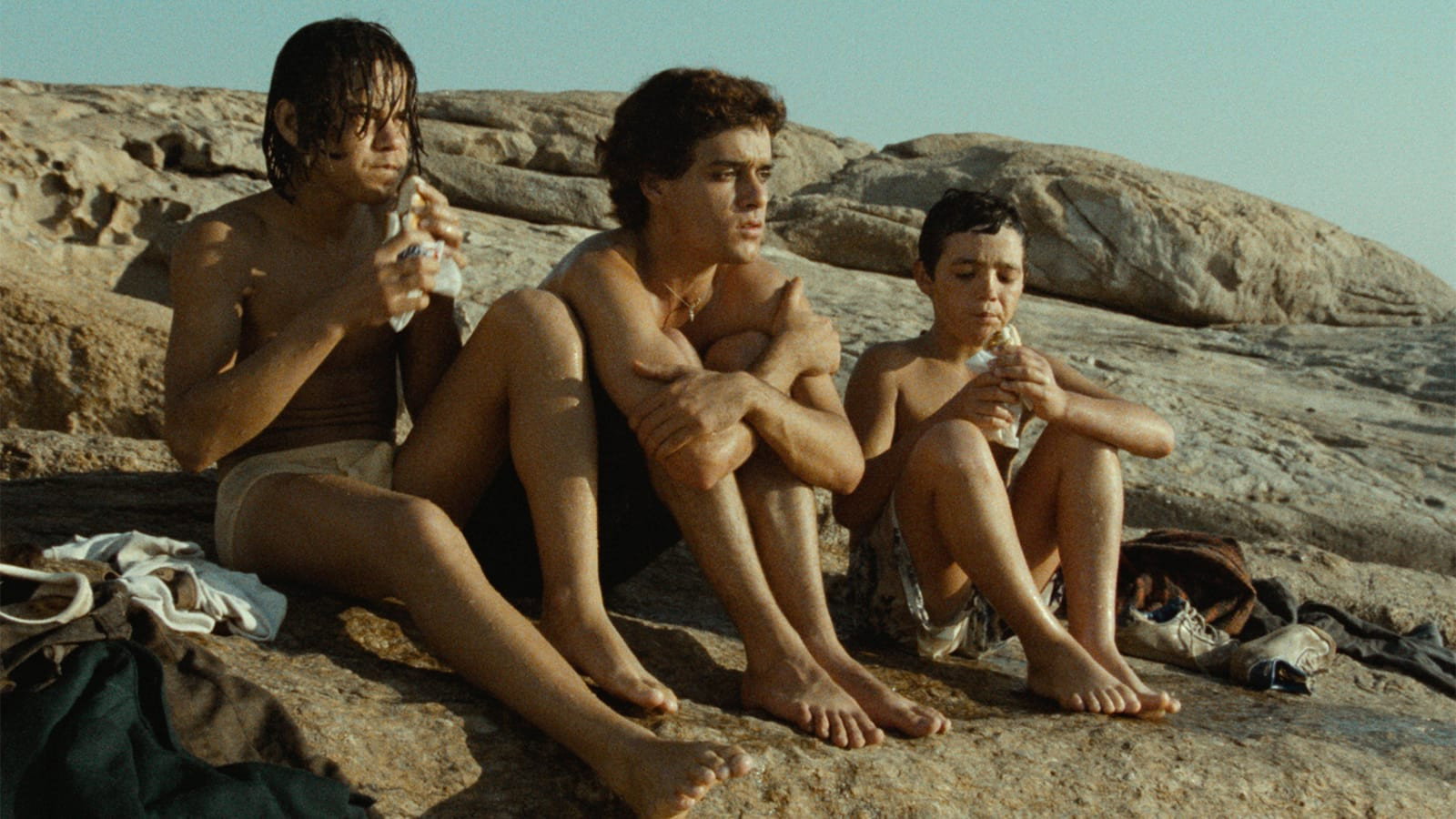
Jorge Julião as Lilica and Gilberto Moura as Dito give the other children enough individuality to keep them from merging into a group of victims. The non-professional child cast brings an awkwardness that helps: their behaviour does not always arrive neatly prepared for us to understand. Marília Pêra’s Sueli is more forceful, but her performance fits comfortably alongside the children’s less polished work. Babenco gets them to share the film without making the children seem like background for an adult performance.
Rodolfo Sánchez’s cinematography has a roughness that suits this lack of polish, and the faces remain more compelling than the surroundings. Poverty never becomes an attractive backdrop, nor does the violence offer much pleasure in the way it is photographed. Clovis Bueno’s costume design helps the children look like inhabitants of these places, with clothes that do not compete for our attention. John Neschling’s music adds to the unease. We need little assistance from it when the performers have already made the distress so plain.
The main limitation is how often we can anticipate the next confirmation that these children have nowhere safe to go. Jorge Durán and Héctor Babenco’s screenplay sometimes makes the lesson clear before a scene has had time to develop, and further suffering then adds less than it should. Luiz Elias’s editing keeps the pressure on, but the accumulation becomes predictable enough to make us brace ourselves in advance. The repetition occasionally gets in the way of our attention to the children themselves.
The pleasures of crime drama often include watching somebody get good at breaking the rules. Pixote makes that prospect hard to enjoy when the person learning is a child with no dependable adult to turn to. At 127 minutes, it asks for sustained attention to lives that other people in the film would prefer not to think about. Give it that attention, but leave some quiet afterwards; we would not make this the first half of a double bill.