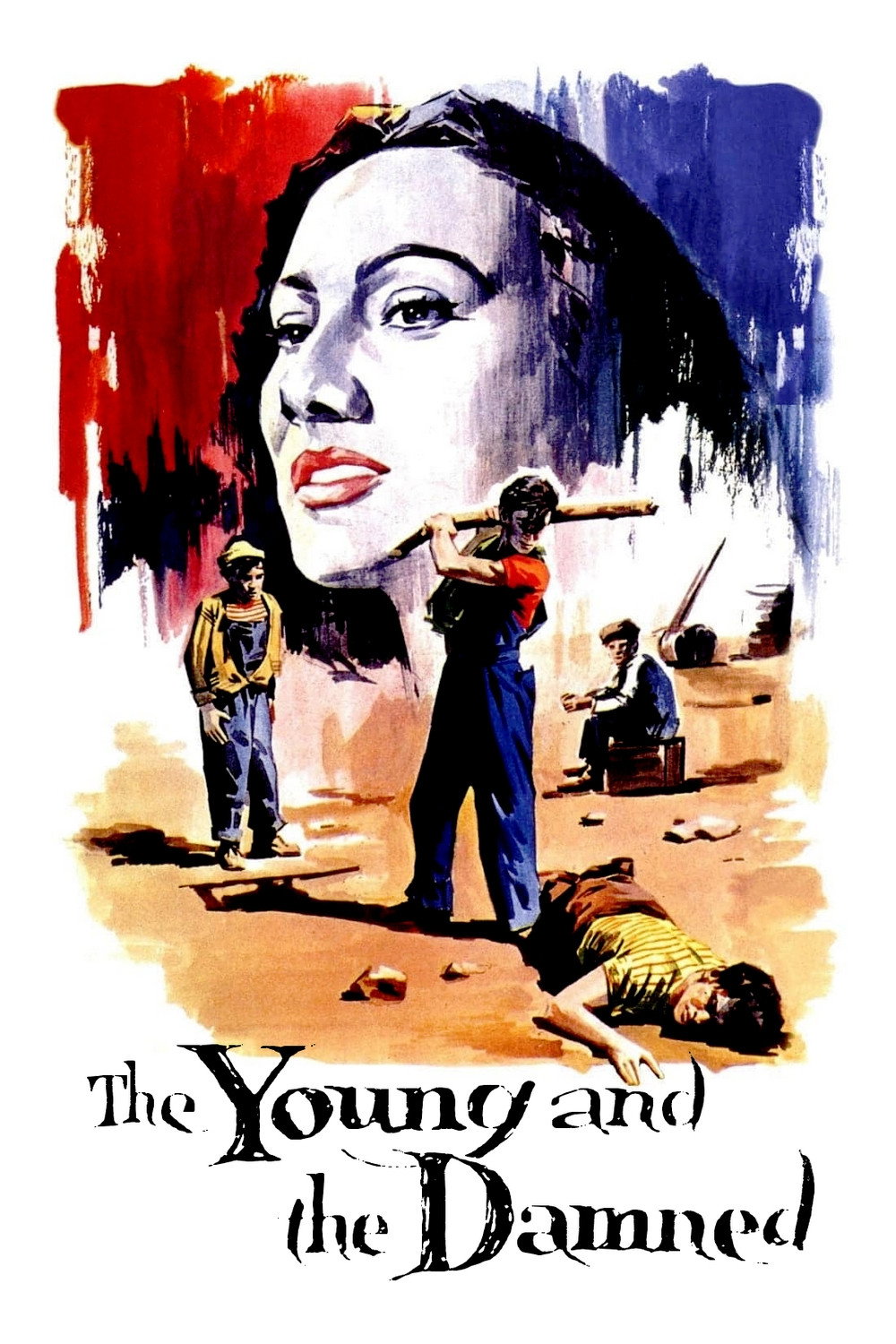
Most critics praise The Young and the Damned for its unsentimental treatment of poverty and juvenile crime in Mexico City, and for refusing comforting explanations or easy solutions. The praise centres on Buñuel’s direction: the combination of harsh social realism, surreal imagery and a dream sequence that several reviews single out. Supporters find the brutality purposeful, exposing how neglect damages children. Visual style draws more attention than acting, though Den of Geek singles out Roberto Cobo’s performance as Jaibo.
The spread is wide despite seven of the nine reviews being positive. Reservations range from weaker subplots to objections to the film’s whole approach. The two negative reviews, both from 1952, reject what admirers find powerful: The New Yorker finds the brutality excessive and emotionally unproductive, while The New York Times sees violence, melodrama and coincidence without a clear focus. The central disagreement is over whether the unrelenting suffering deepens the film’s social criticism or blunts its effect.