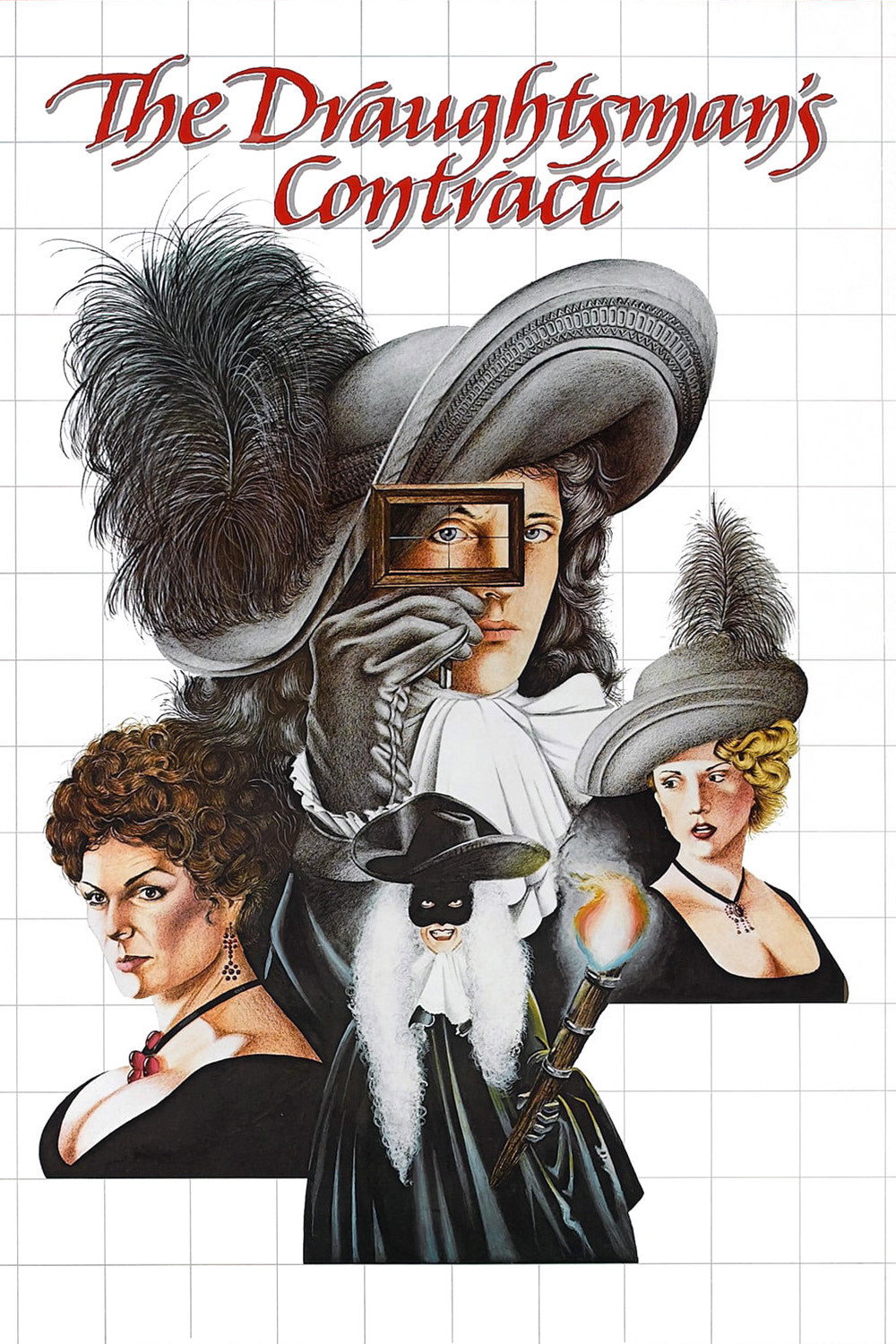
Peter Greenaway's films demand close inspection and a tolerance for mannered conversation. We value the visual precision and spiteful humour of The Draughtsman's Contract, but his people can seem as carefully arranged as his landscapes.
Fi1m perspective
The clothes in The Draughtsman's Contract (1982) keep their wearers looking respectable while the conversation gives us reasons to distrust them. Greenaway lets the insults stay polished and the intentions grow nastier, making a country-house mystery funny without making its cruelty harmless. We laughed at the bullying, then felt uncomfortable because the civil delivery had made us willing to enjoy it. This is the Greenaway we recommend: exacting about what we see and sharp about what people permit themselves to say. The grounds reward the same close attention as the dialogue.
He began as a painter, and the influence survives in the carefully composed frames. Experimental shorts led to the feature-length The Falls (1980), before The Draughtsman's Contract brought wider recognition. With cinematographer Sacha Vierny, the intricate lighting of A Zed & Two Noughts (1985) gives us another reason to look closely. The numerical games in Drowning by Numbers (1988) belong to another persistent habit: he uses lists, numbers and fixed structures to organise stories and images.
The cost becomes clear even in The Draughtsman's Contract, which we rate highly. Greenaway sometimes lets an elaborate exchange continue after we have stopped caring what anyone wants. Editor John Wilson's patient cutting gives us time to inspect the compositions, but cannot make every conversation necessary. The characters can seem as carefully positioned as the landscape, and there are stretches when we want someone to sound capable of being hurt. We would not ask Greenaway to abandon the formality; we would ask him to notice sooner when it has stopped telling us anything about the people.
In Prospero's Books (1991), video technology made possible a dense adaptation of The Tempest. The Pillow Book (1995) used layered digital imagery to explore calligraphy and the body. Features later became more sporadic alongside multimedia work and installations. Nightwatching (2007) returned to painting through Rembrandt and the making of The Night Watch.
For a first encounter, choose The Draughtsman's Contract, provided an unresolved clue will not spoil the evening. Give the dialogue time; some of the nastiness takes a moment to register. Anyone hoping for agreeable company should look elsewhere.
Biography
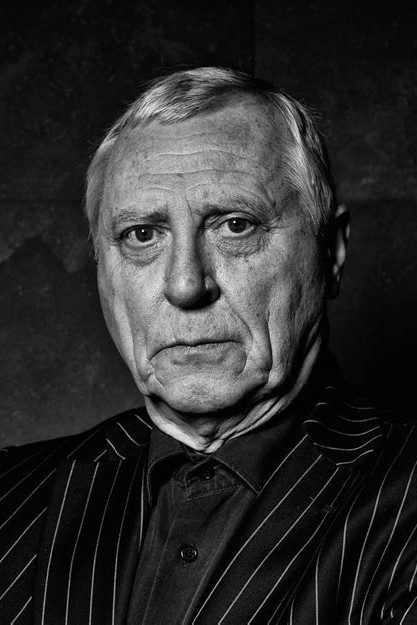
Peter Greenaway is a British film director and screenwriter. Born on 5 April 1942 in Newport, Wales, he trained as a painter and worked as a film editor for the Central Office of Information from 1965 to 1976, during which time he made numerous experimental short films.
His first feature-length work was the mockumentary The Falls (1980). He achieved wider recognition with his dramatic feature debut The Draughtsman's Contract (1982), which he also wrote. Subsequent films include A Zed & Two Noughts (1985), The Belly of an Architect (1987), Drowning by Numbers (1988), The Cook, the Thief, His Wife & Her Lover (1989), Prospero's Books (1991) and The Pillow Book (1995). He received the BAFTA Outstanding British Contribution to Cinema Award in 2014 and was appointed CBE.