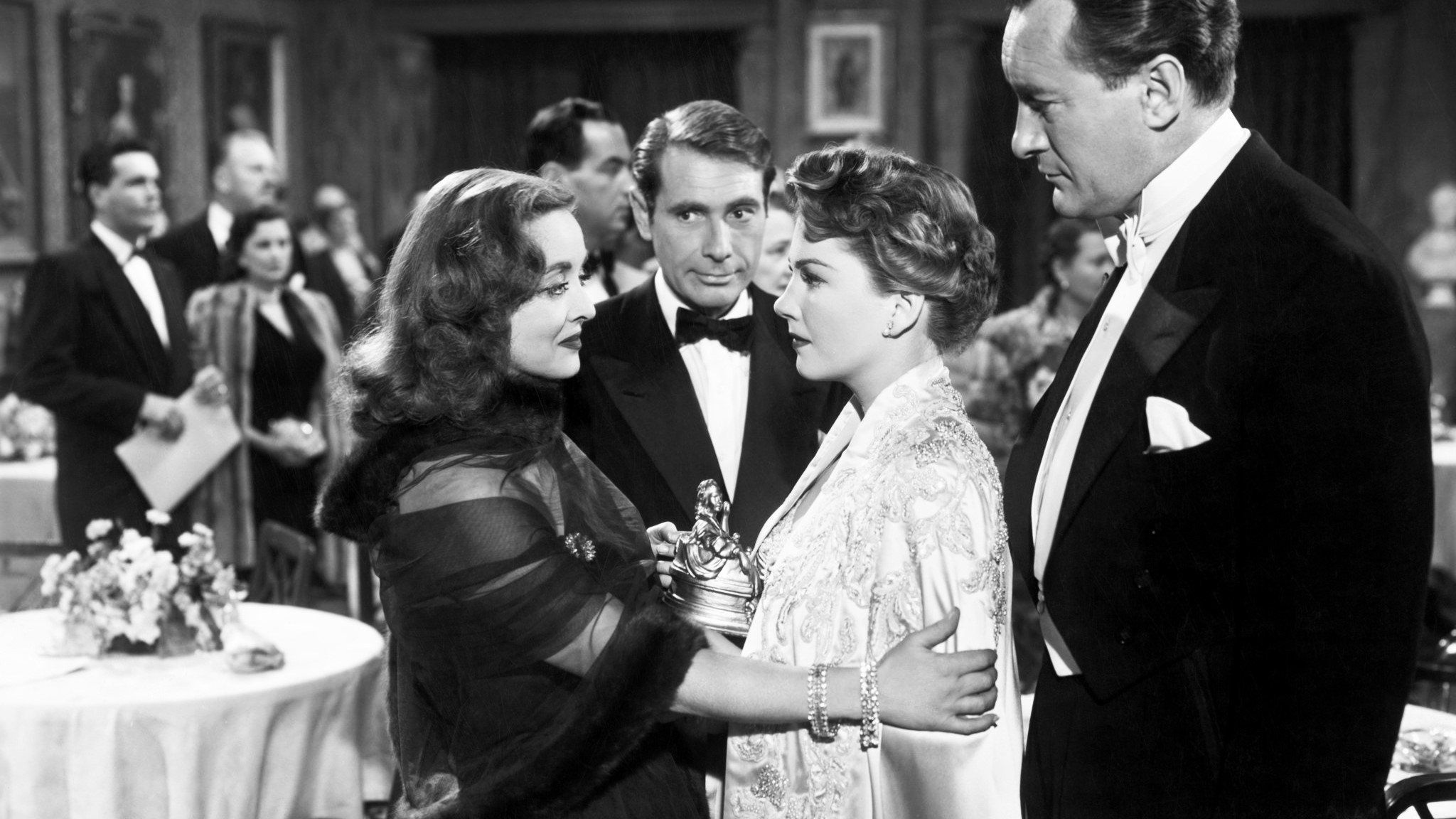
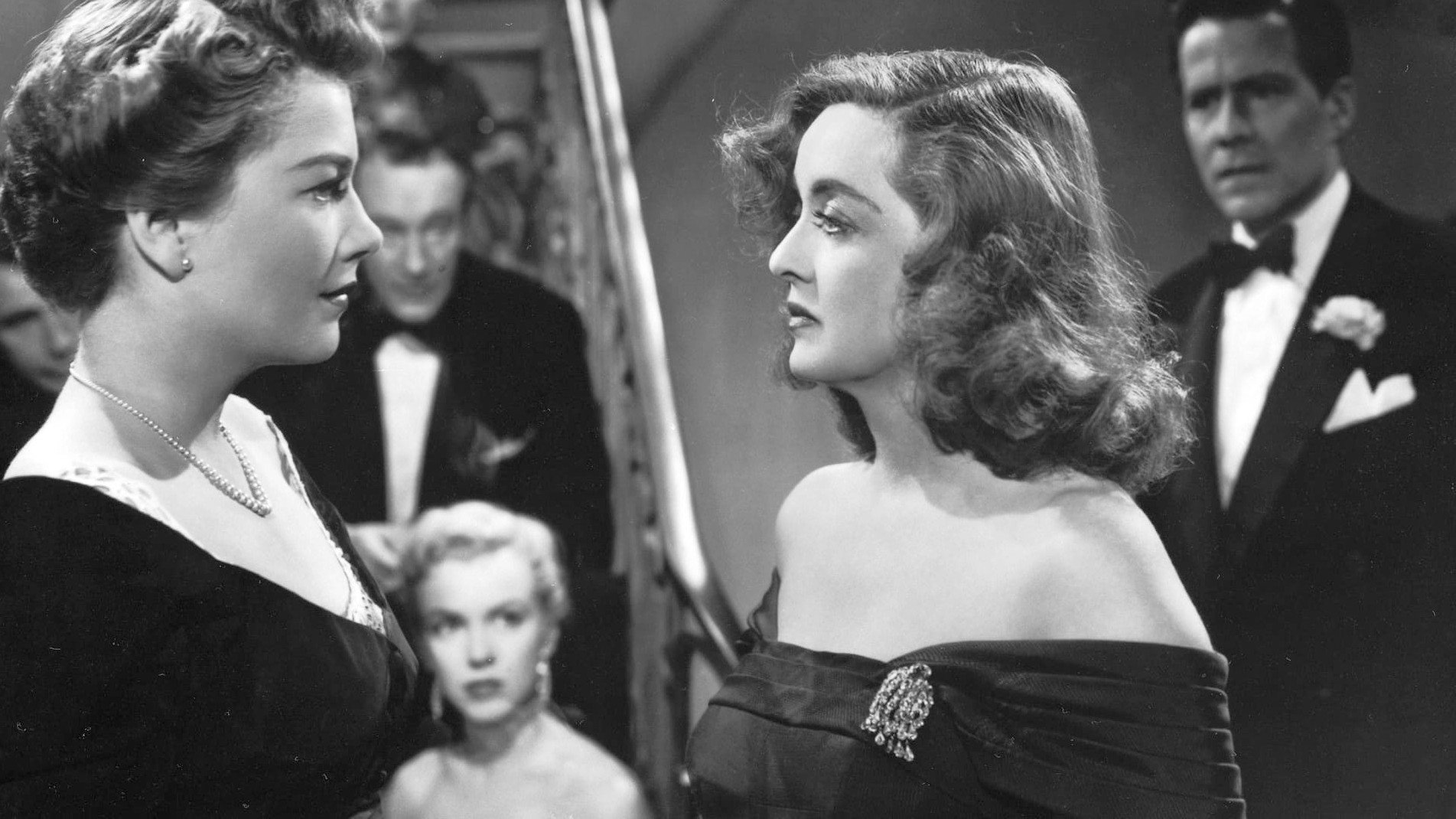
Joseph L. Mankiewicz’s theatre satire is cruelly funny, with Bette Davis making Margo Channing’s vanity unexpectedly moving. The flashback structure can feel stiff, but the writing and performances make this company worth keeping for 139 minutes.
We would recommend All About Eve to anyone who enjoys listening to people behave badly. Joseph L. Mankiewicz, writing and directing, makes the rivalries of New York theatre both entertaining and worth taking seriously. He understands the appeal of being admitted to such company, even when its members give us ample reason to stay outside. There is some stiffness in the telling, but the pleasure of the dialogue lasts well beyond the moment of an insult landing.
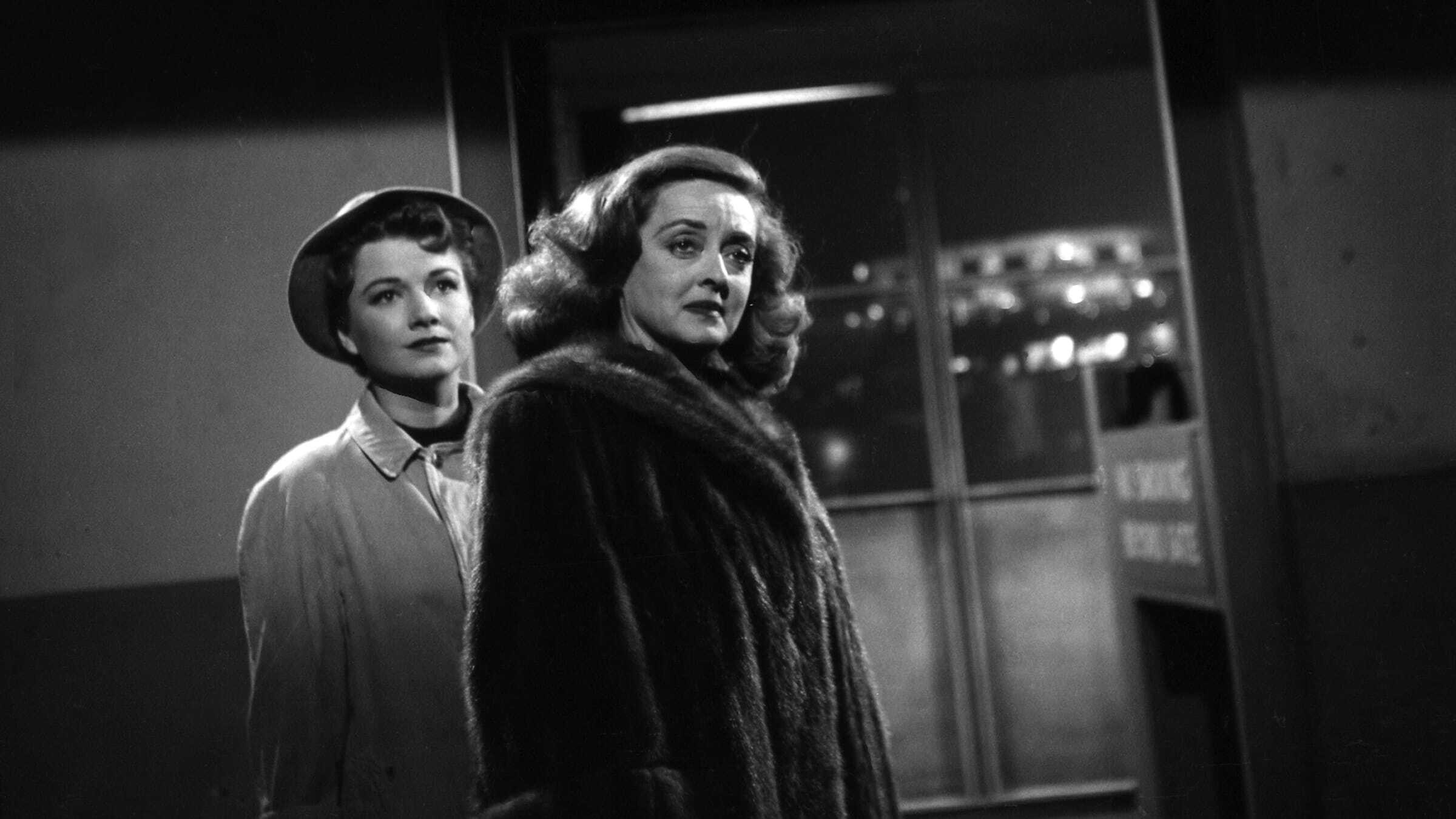
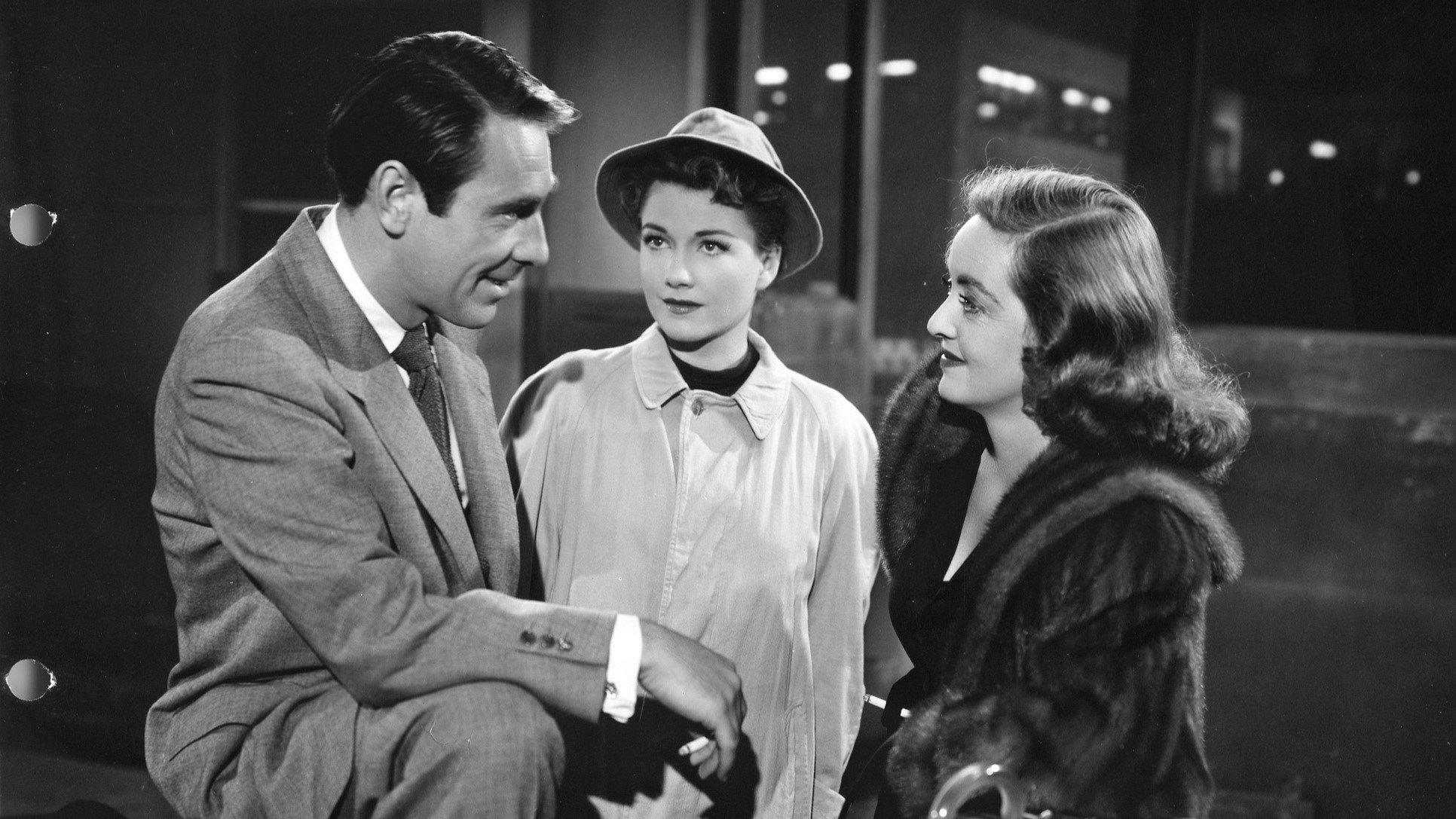
The starting point is simple: Eve Harrington approaches Margo Channing as an admirer and gains access to her circle. Anne Baxter makes Eve’s attentiveness insistent enough to be interesting, though her wide-eyed manner occasionally looks worked at beside Davis’s confidence. The difference is useful even when it is not entirely convincing. Mankiewicz gets considerable mileage from the question of how clearly people can see someone who appears to think so highly of them.
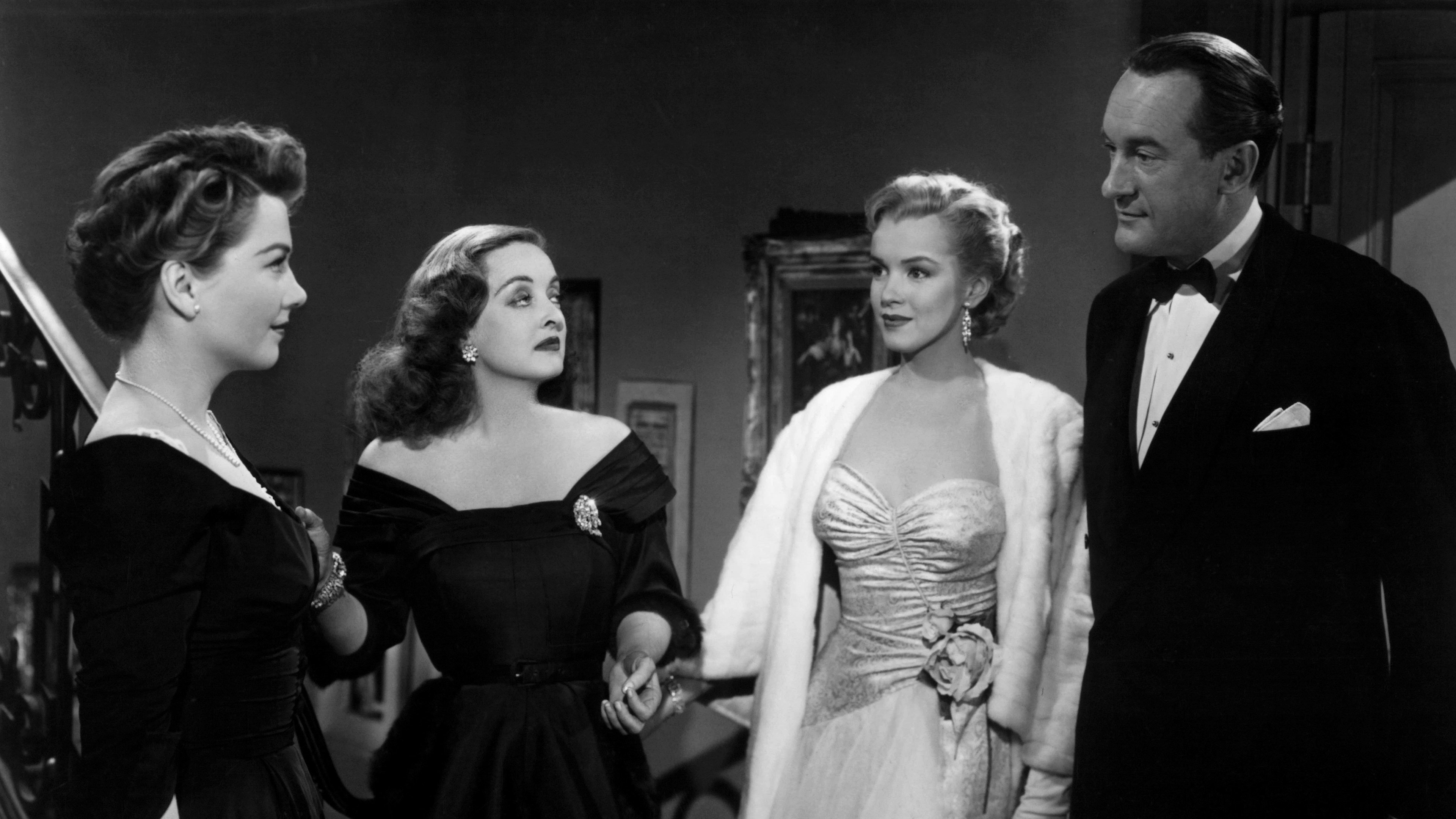
Davis is the reason the film never settles for enjoying its own nastiness. Margo can be appalling company, yet Davis makes her sensitivity to other people feel painfully credible. We laughed at Margo’s acid replies, then felt protective of her. The sharpness of Davis’s delivery gives us the joke; the hurt audible beneath it explains why Margo needs to make it. We are allowed to find her unreasonable without being asked to stop caring about her.
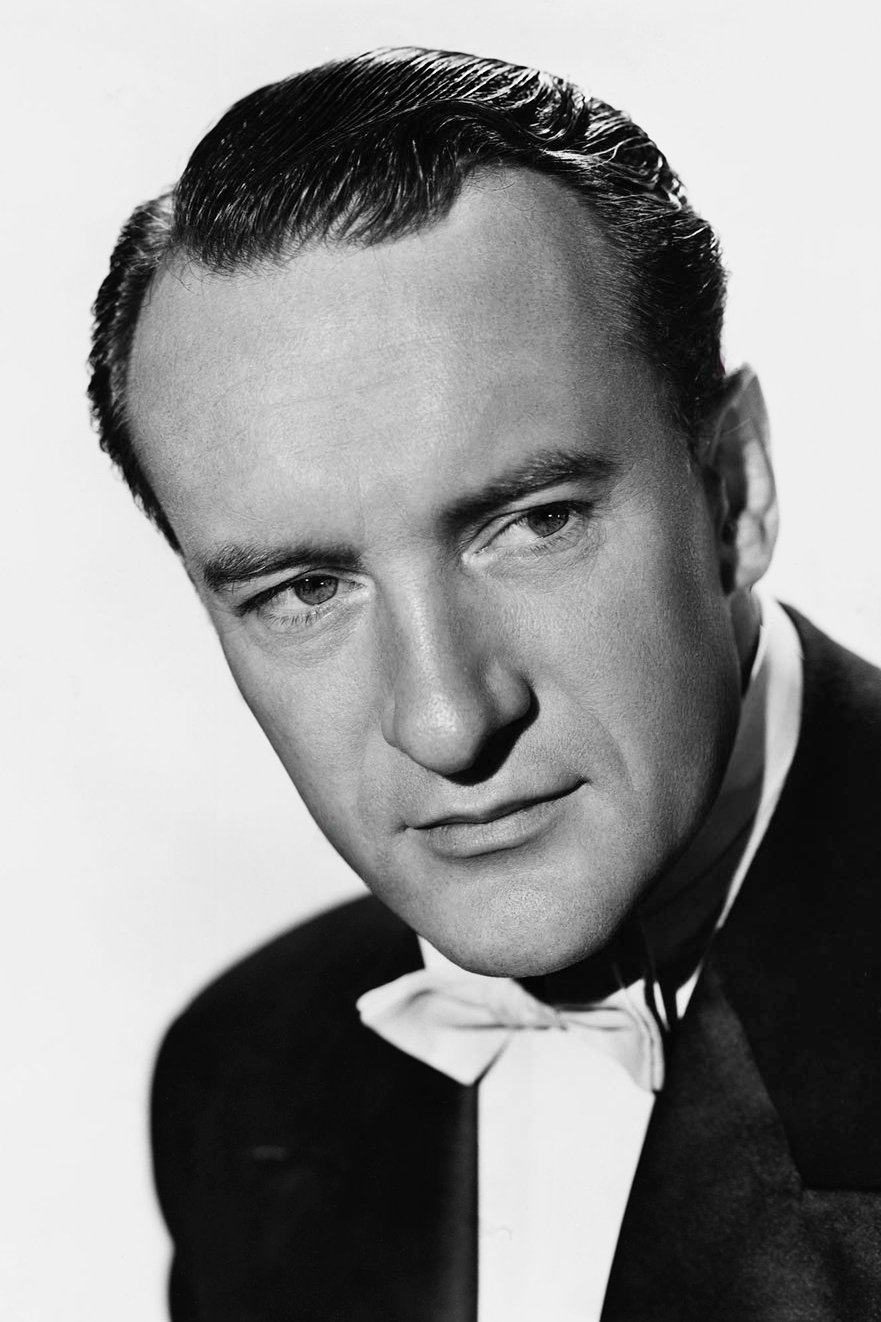
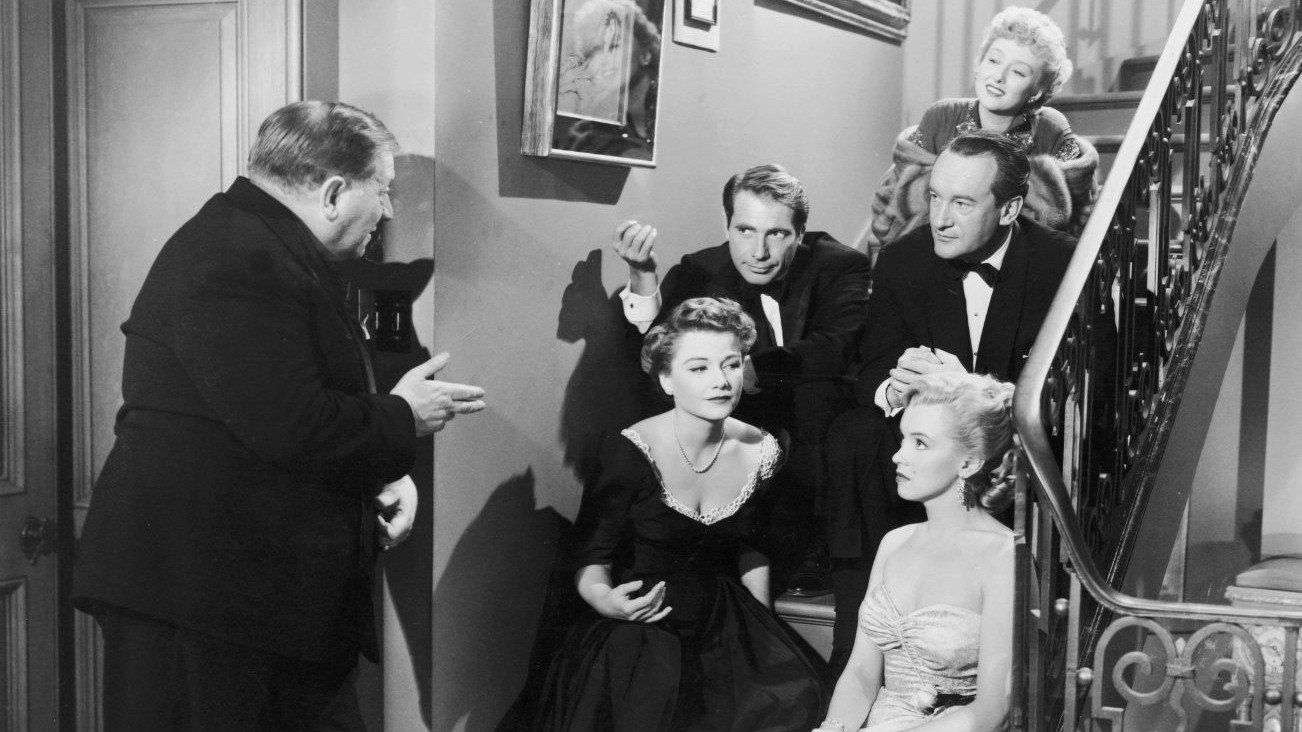
George Sanders’s Addison DeWitt supplies a colder sort of amusement. Sanders makes verbal superiority sound habitual, so that the pleasure lies in how little effort he appears to expend. Celeste Holm’s Karen Richards gives the surrounding company a welcome sense of independent life. With so much carefully written speech, everybody could easily sound like the same clever author, but the actors give the lines different weights and different reasons for being said.
The screenplay is unusually alert to the work involved in being a woman who performs for a living. Professional confidence is admired until it becomes inconvenient to somebody else, and Margo’s difficult temperament is never the whole explanation for her difficulties. Mankiewicz gives us enough reason to question the people judging her. As a satire of theatrical vanity, this is far richer than a succession of jokes about actors, because the desire to be admired remains understandable even at its least attractive.
Milton Krasner’s cinematography is less distinctive than the acting, and the film can feel confined by its devotion to talk. Barbara McLean’s editing does not entirely disguise the awkwardness of the flashback structure. The music credited to Alfred Newman and Urban Thielmann leaves less of an impression than the voices, which seems a sensible proportion here. These are modest reservations about a film whose principal pleasure is hearing what somebody will dare to say next. At 139 minutes, though, a little less explanation would help.
Do not come to it expecting natural conversation: these people are far more articulate than is healthy for any friendship. Accept that degree of polish and the film offers a particularly satisfying evening of disagreeable company. Watch it with someone who enjoys an argument and does not need a nice character to support.