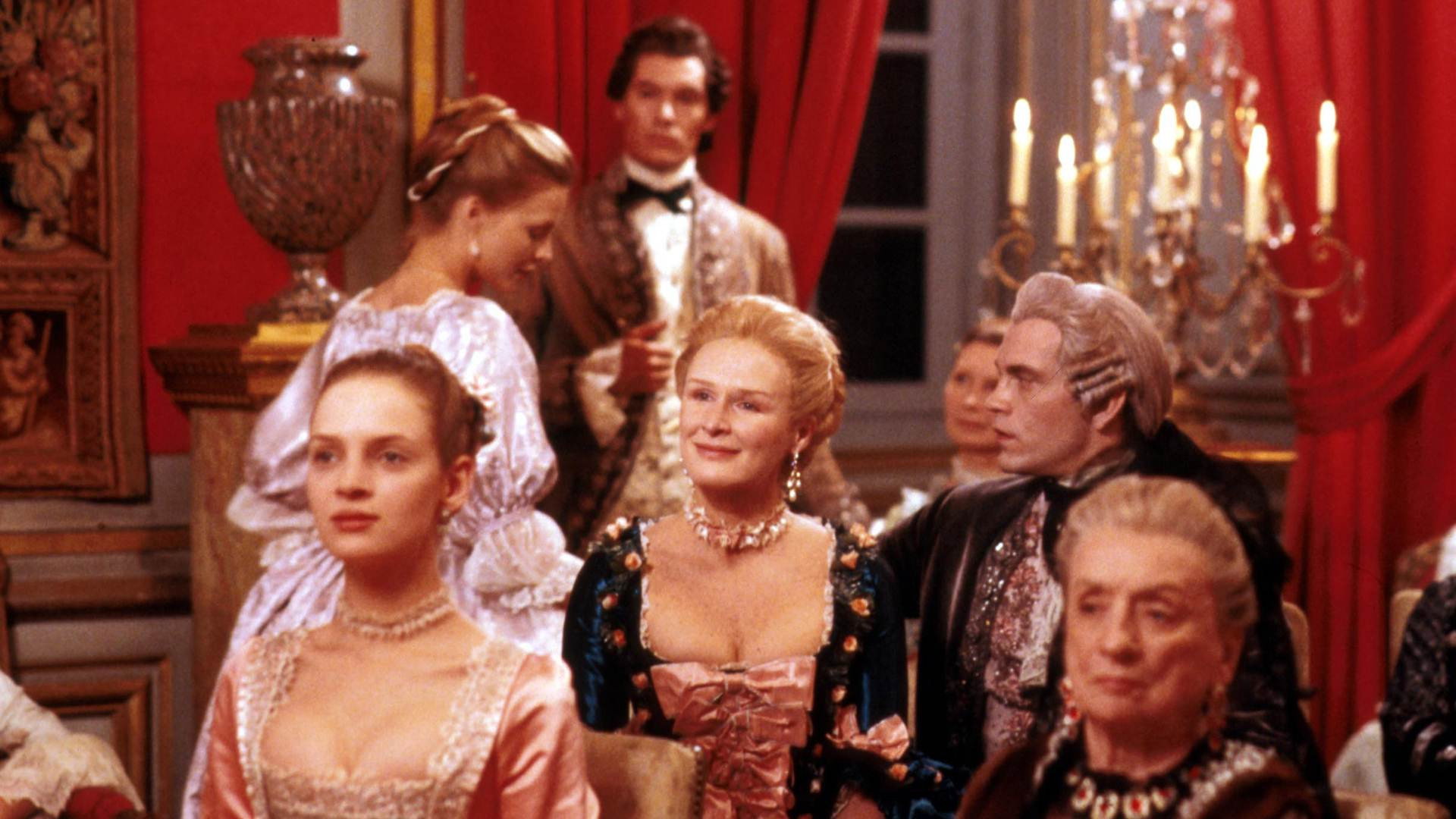
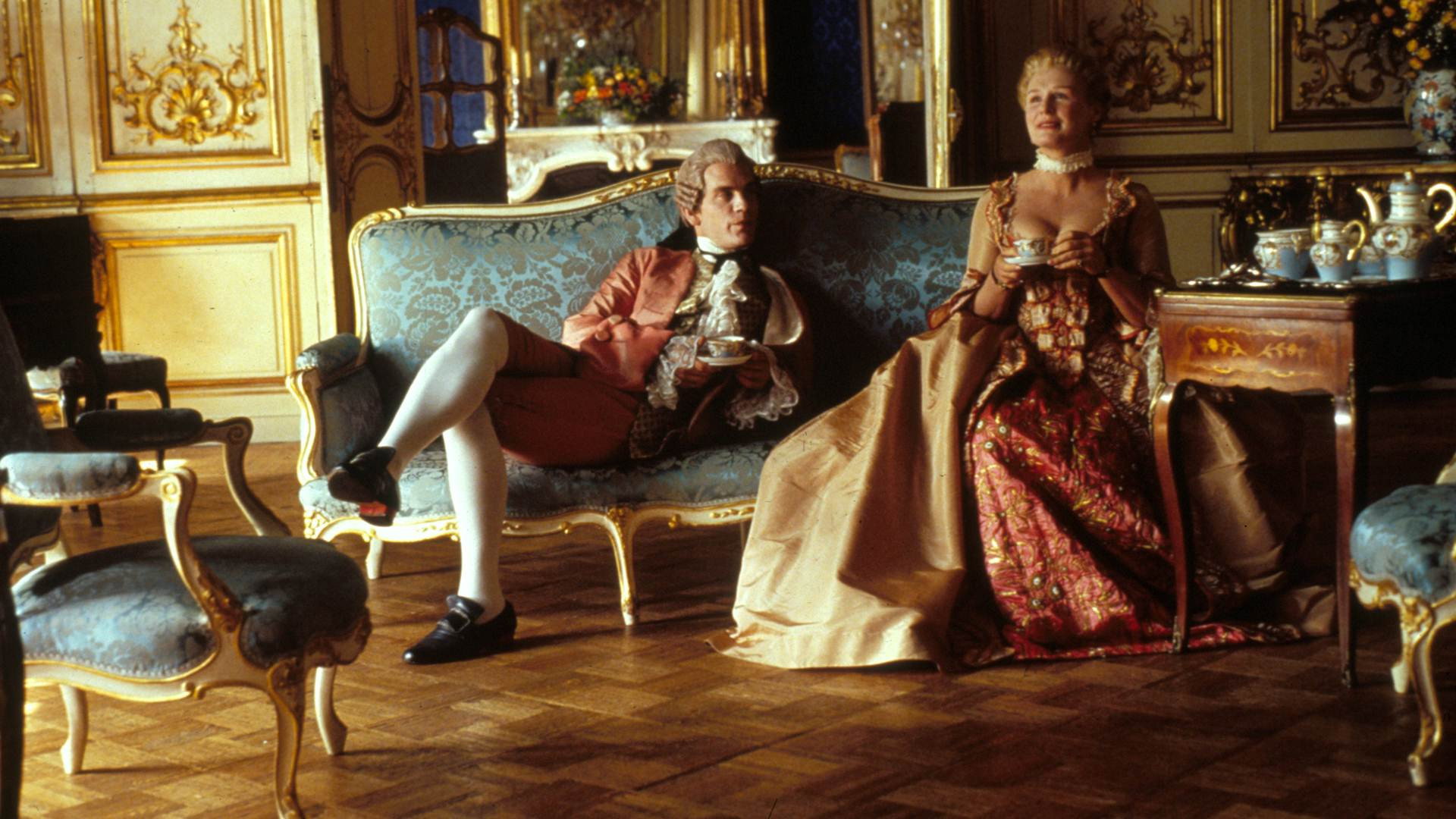
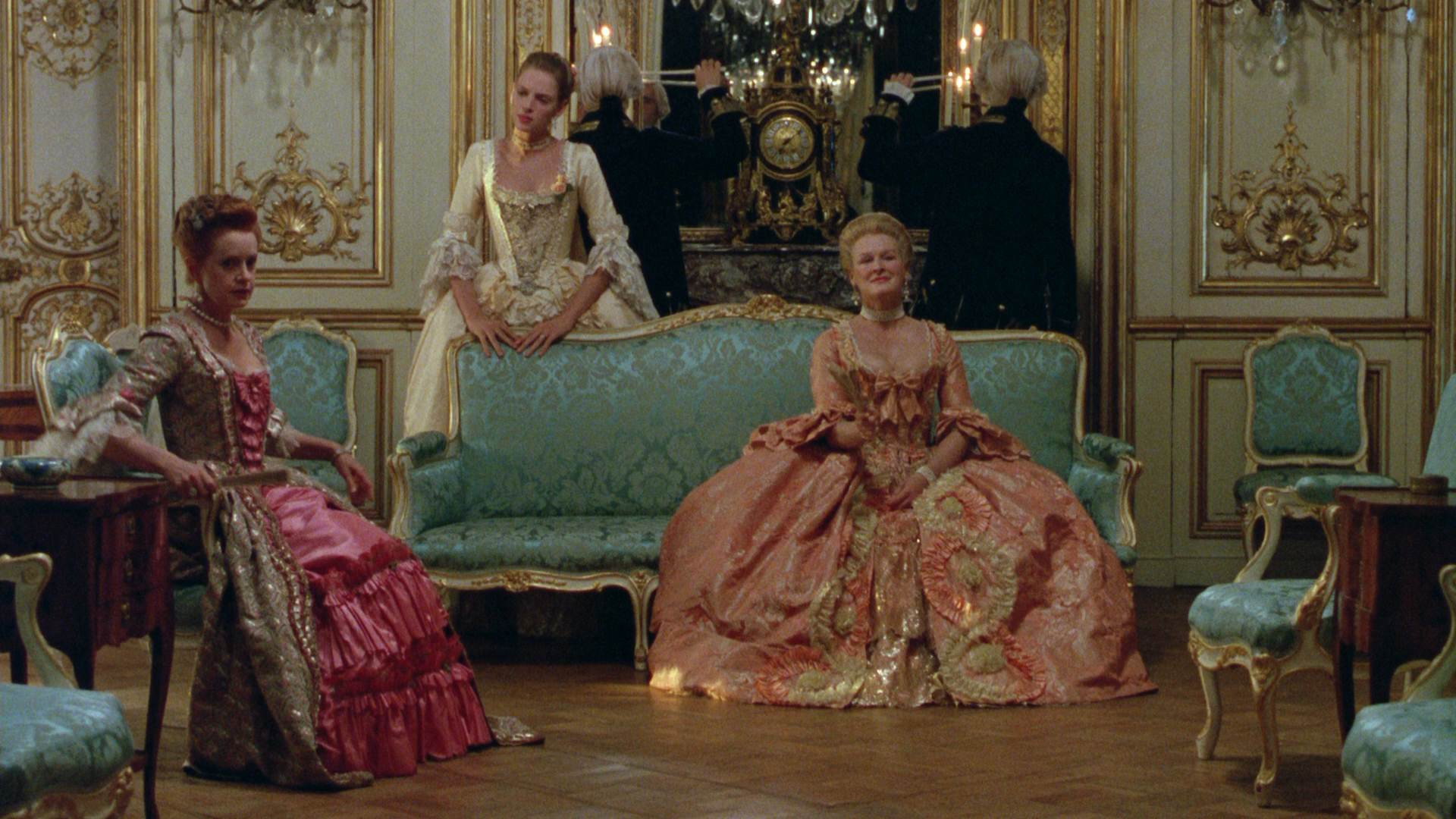
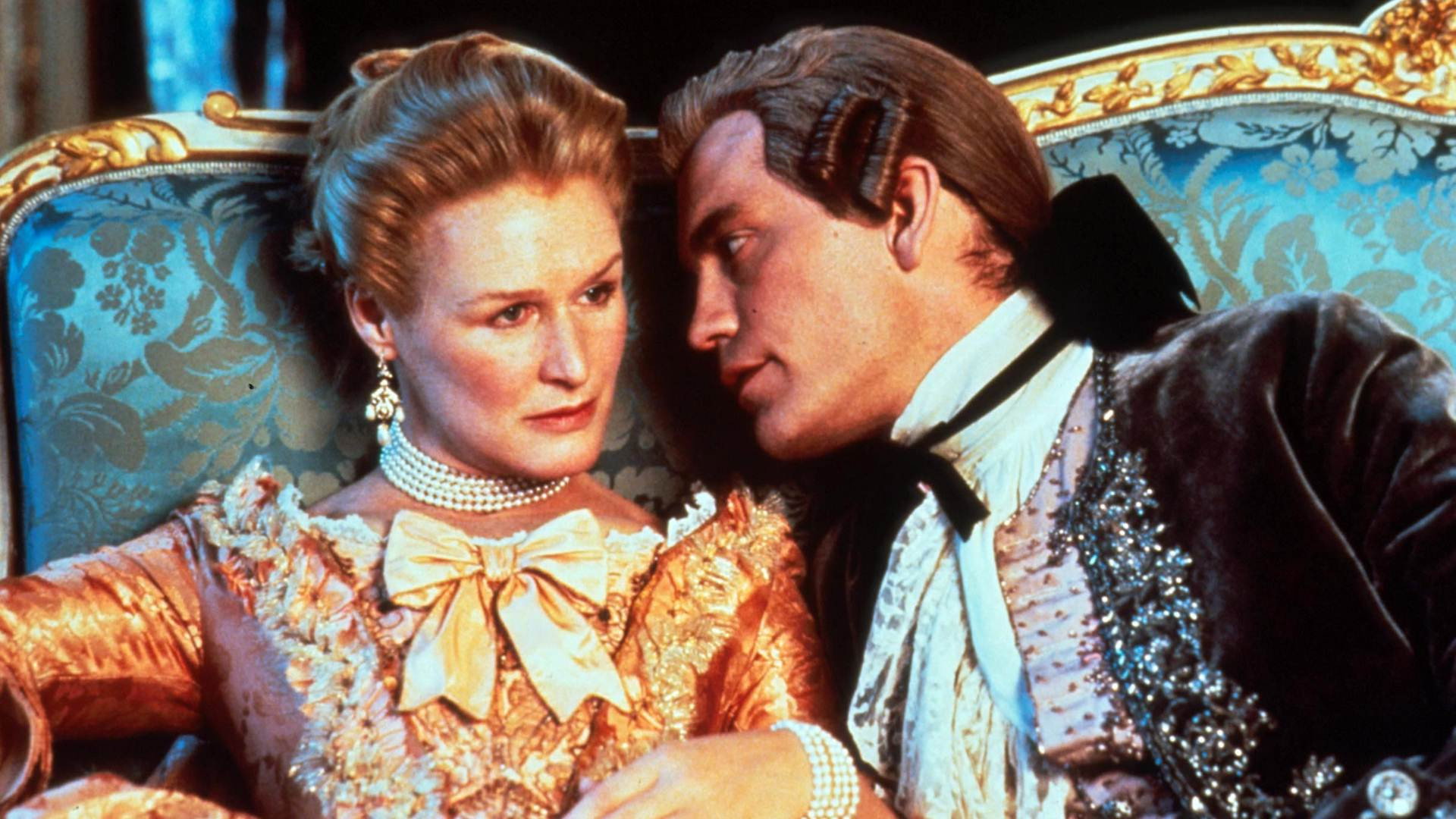
We warmly recommend Stephen Frears’s drama of calculated seduction, led by a merciless Glenn Close and a deeply affecting Michelle Pfeiffer. A few exchanges are stiff enough to make the characters seem over-rehearsed.
Dangerous Liaisons is an excellent film about people who regard another person’s happiness as something available for their use. Stephen Frears keeps us close to the aristocratic scheming, making the pleasure of watching these people increasingly uncomfortable. Christopher Hampton’s screenplay, drawn from Choderlos de Laclos’s novel, gives them the language to make almost any appetite sound reasonable. The seductions matter because sexual attraction is tangled up with the wish to control how other people behave, and the conversations seldom let us forget it.
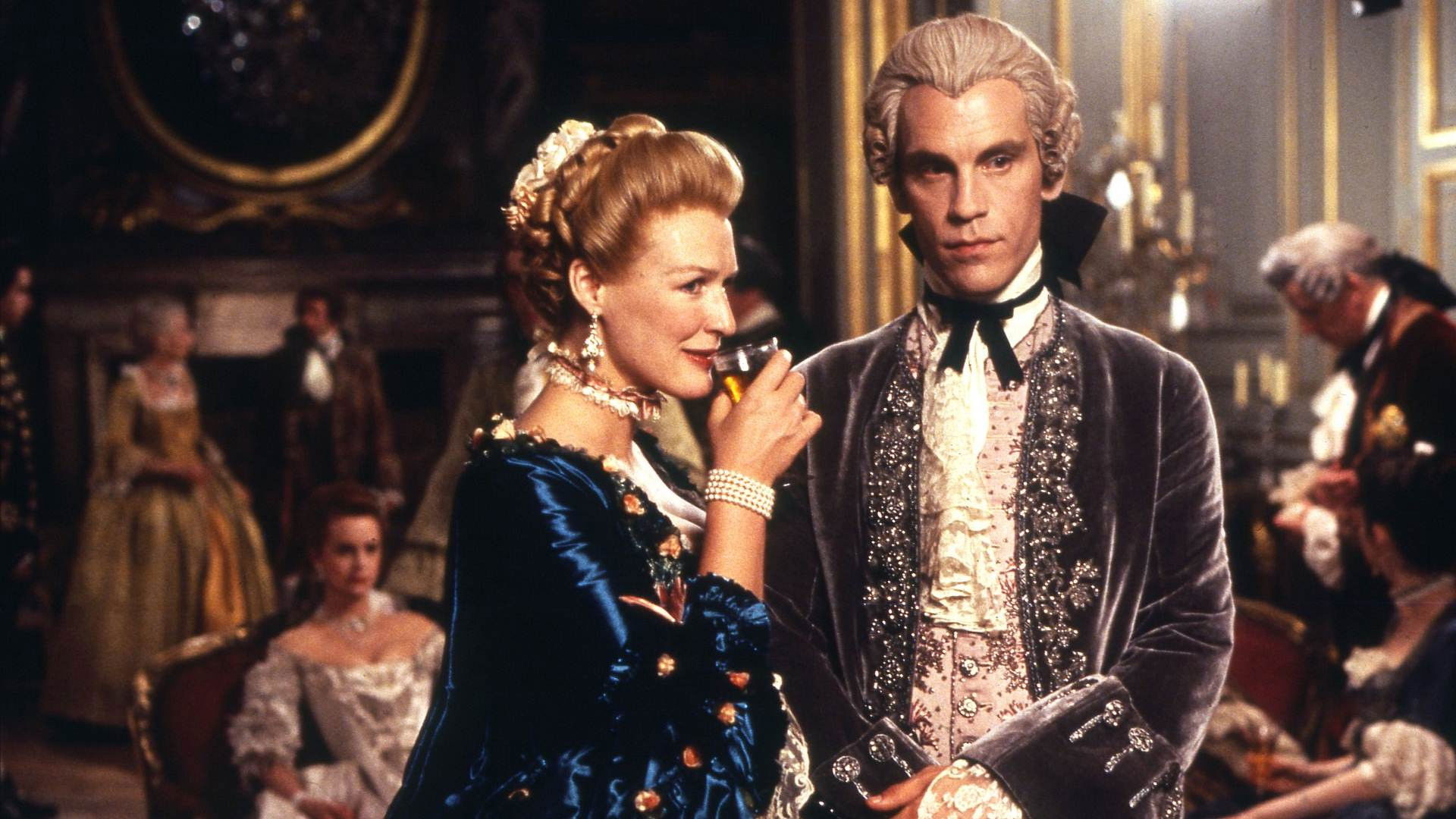
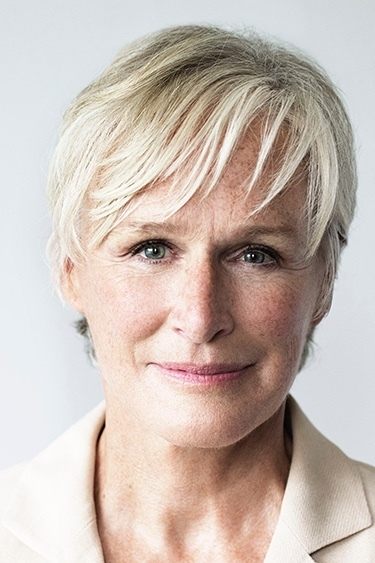
Glenn Close’s Merteuil is the chief reason to stay alert. Close makes calculation look effortless: there is no need to underline a threat when simple attention can make another person feel so thoroughly inspected. We watch the composure, the precision with which she seems to choose what can be allowed into her expression, and the enjoyment of having understood someone else’s weakness. The control in her face keeps the longer exchanges alive.
John Malkovich is less consistently persuasive as Valmont. His knowing delivery sometimes advertises the manipulation so plainly that we begin wondering why anybody listens to him, though the confidence with which he expects a hearing is part of the character’s unpleasantness. He is absorbing beside Close, where their mutual understanding makes the conversation feel especially unsafe for anyone else involved. But there are stretches when his performance needs more charm to make the seductions convincing, and self-satisfaction has to do the work instead.
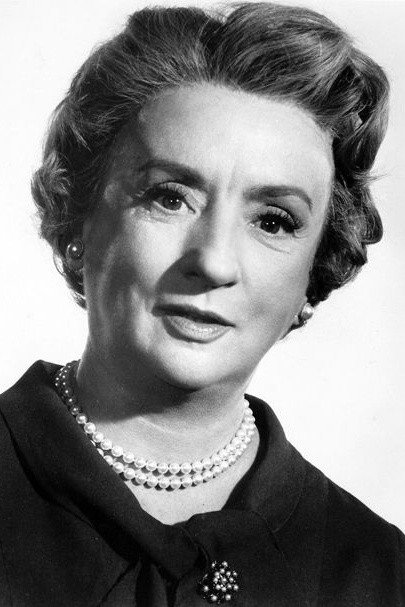
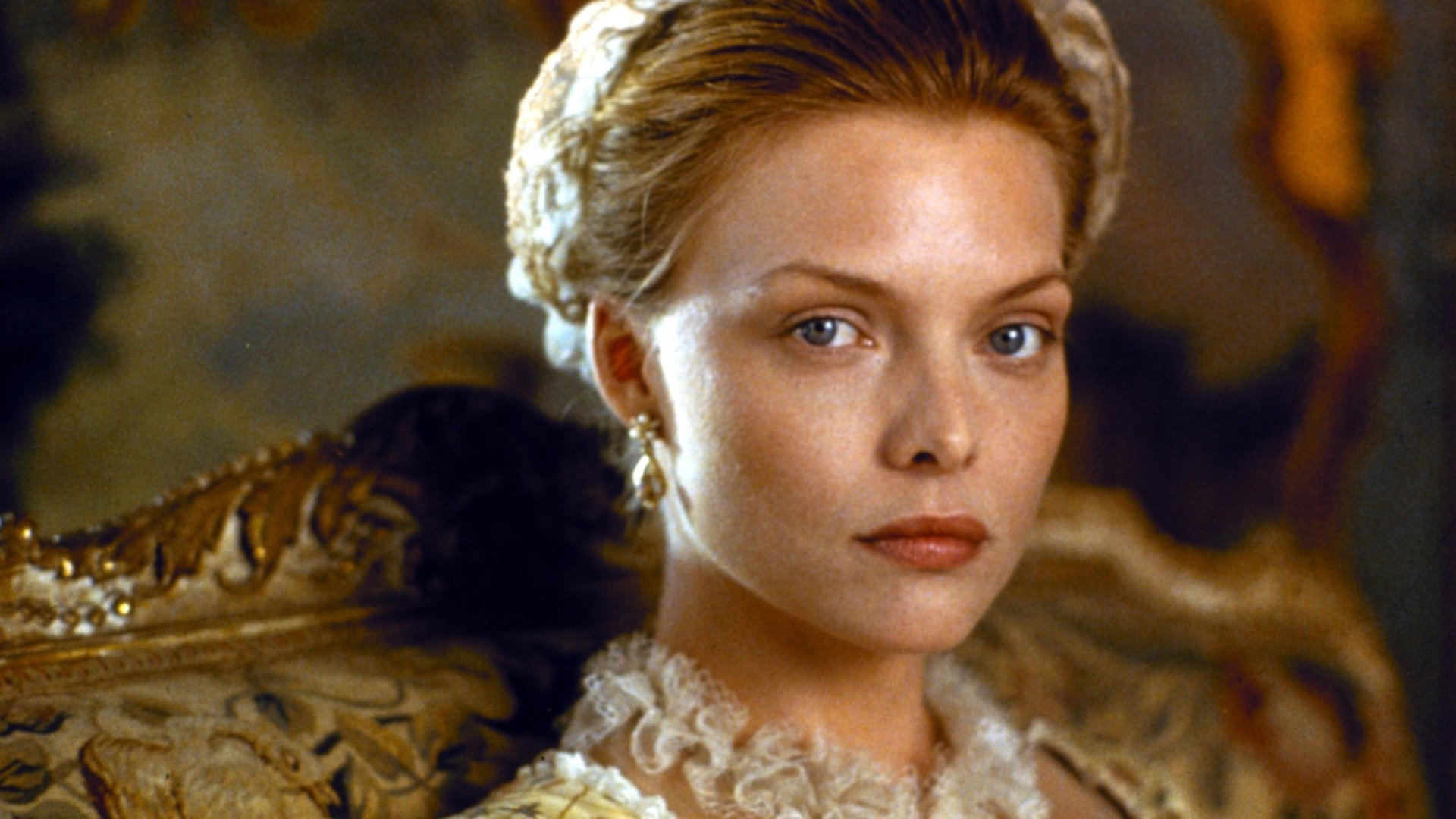
Michelle Pfeiffer makes Tourvel’s virtue believable by giving it thought and effort. We were more upset than we expected by her vulnerability. The effort in Pfeiffer’s face, as Tourvel tries to preserve her composure under that calculating attention, makes the seductions feel cruel even while the dialogue remains entertaining. She gives us someone whose feelings matter without asking us to congratulate ourselves for noticing, and the film needs her whenever its cleverness threatens to become too agreeable.
Philippe Rousselot’s photography gives the indoor intrigue a richness that makes the company look worth joining. The attractiveness of the rooms matters, because we can understand the temptation to remain among people who behave this badly. James Acheson’s costumes reinforce that concern with appearances; dressing properly seems part of the effort to stay in control. The production design is persuasive for the same reason, although Frears occasionally arranges the actors so carefully that the rooms begin to feel like sets.
Mick Audsley’s editing gives the flashbacks an ease of movement that some of the dialogue scenes lack. The cutting helps keep the film from settling into a succession of carefully presented verbal contests, each awaiting its decisive remark. George Fenton’s score adds to the polish, its elegance pleasingly uncomfortable beside the spite of the conversations. Frears’s restraint usually serves the actors, but a few exchanges need less reverence for the wording and a little more freedom in the staging.
Within costume drama, this is a particularly good account of how much damage can be done under cover of polite conversation. We understand the attraction of the company without needing to share its appetites. The patches of stiffness matter less when Pfeiffer makes clear how much an apparently civil exchange can demand of someone trying to behave well. Choose it for Close and Pfeiffer, and do not expect the romance to provide much comfort.