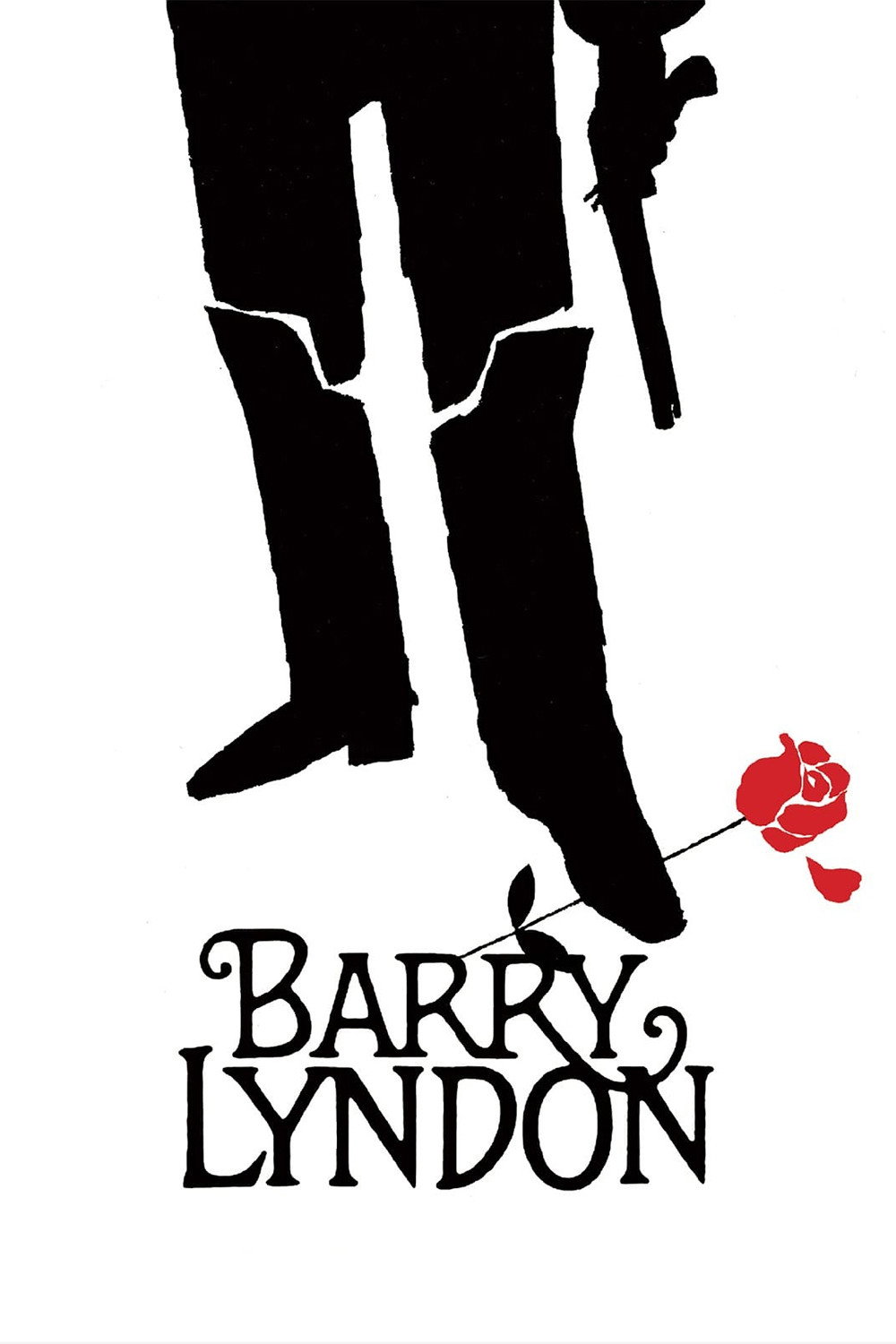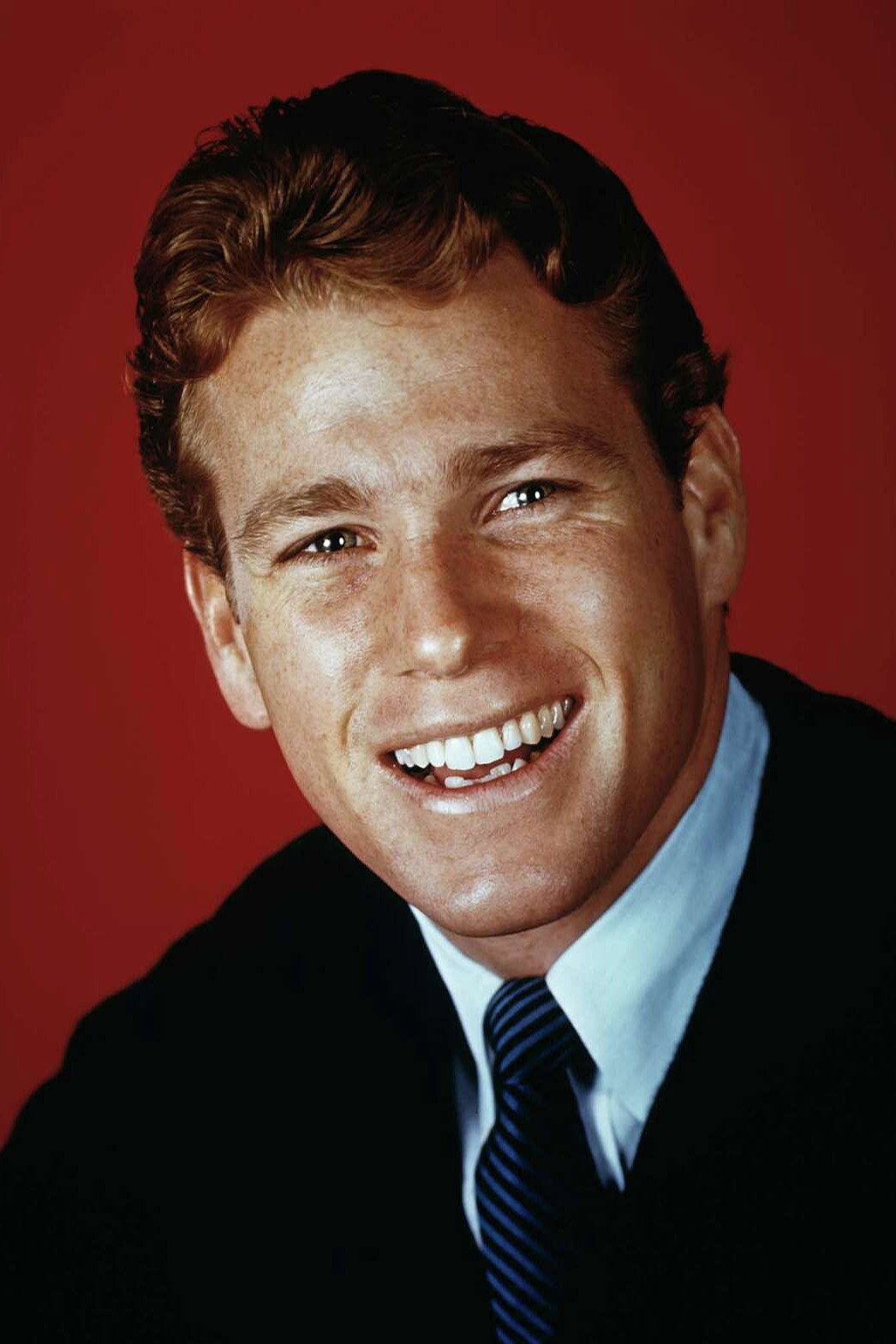
Ryan O'Neal was most persuasive when directors trusted his restraint and comic timing. We rate him for the cool distance of Barry Lyndon and the lightness that Peter Bogdanovich put to work in comedy.
Fi1m perspective
In Barry Lyndon (1975), Ryan O'Neal does not try to make a shallow opportunist seem more complicated than he is. He keeps the performance restrained, letting us watch Barry without insisting that we sympathise. We were surprised by how firmly he held our attention, precisely because he does so little to solicit it. This is the O'Neal we rate most highly, an actor whose coolness becomes useful when a director knows what to do with it.
The early work was in television, including Peyton Place (1964–69), before Love Story (1970) gave him his romantic breakthrough opposite Ali MacGraw. The clean-cut looks were an obvious advantage, but they do not account for the comic timing. Peter Bogdanovich put that to work opposite Barbra Streisand in What's Up, Doc? (1972), then alongside Tatum O'Neal in Paper Moon (1973). These are useful films for anyone inclined to dismiss him as merely handsome. He could keep things light, and Bogdanovich understood the value of that.
Stanley Kubrick makes a more demanding use of his detachment in Barry Lyndon. John Alcott's candlelit images hold our attention alongside O'Neal's restraint; the leading man does not need to compete with them. Some critics judged him too contemporary for the period setting, and his performance initially met with a mixed reception. We do not share that objection: Barry's shallowness is a reason for keeping the acting spare, and O'Neal does not decorate it with unnecessary displays of feeling. A busier performance would not cure the stretches when the pace becomes tiring.
Walter Hill found another setting for that cool detachment in the noir of The Driver (1978). The later career lost momentum, with some roles attempting to revive his earlier appeal, though recurring television work such as Bones (2005–17) found a use for his reliability. For us, Kubrick and Bogdanovich remain the directors who made the clearest use of what he could do. For the fullest test of his restraint, start with Barry Lyndon, and allow the film its time.
Biography
Ryan O'Neal was an American actor. Born in Los Angeles, he trained as an amateur boxer before beginning his career in acting in 1960. In 1964 he was cast as Rodney Harrington in the ABC soap opera Peyton Place.
O'Neal achieved film stardom with the lead role in Love Story (1970), for which he received Academy Award and Golden Globe nominations. He went on to star in What's Up, Doc? (1972), Paper Moon (1973), Stanley Kubrick's Barry Lyndon (1975), A Bridge Too Far (1977) and The Driver (1978). From 2005 to 2017 he had a recurring role as Max Keenan in the Fox series Bones.