Sergio Leone’s Western is worth all 166 minutes, even when its plotting grows needlessly tangled. The faces, the pauses and Ennio Morricone’s music give its violence a dread that few films sustain.
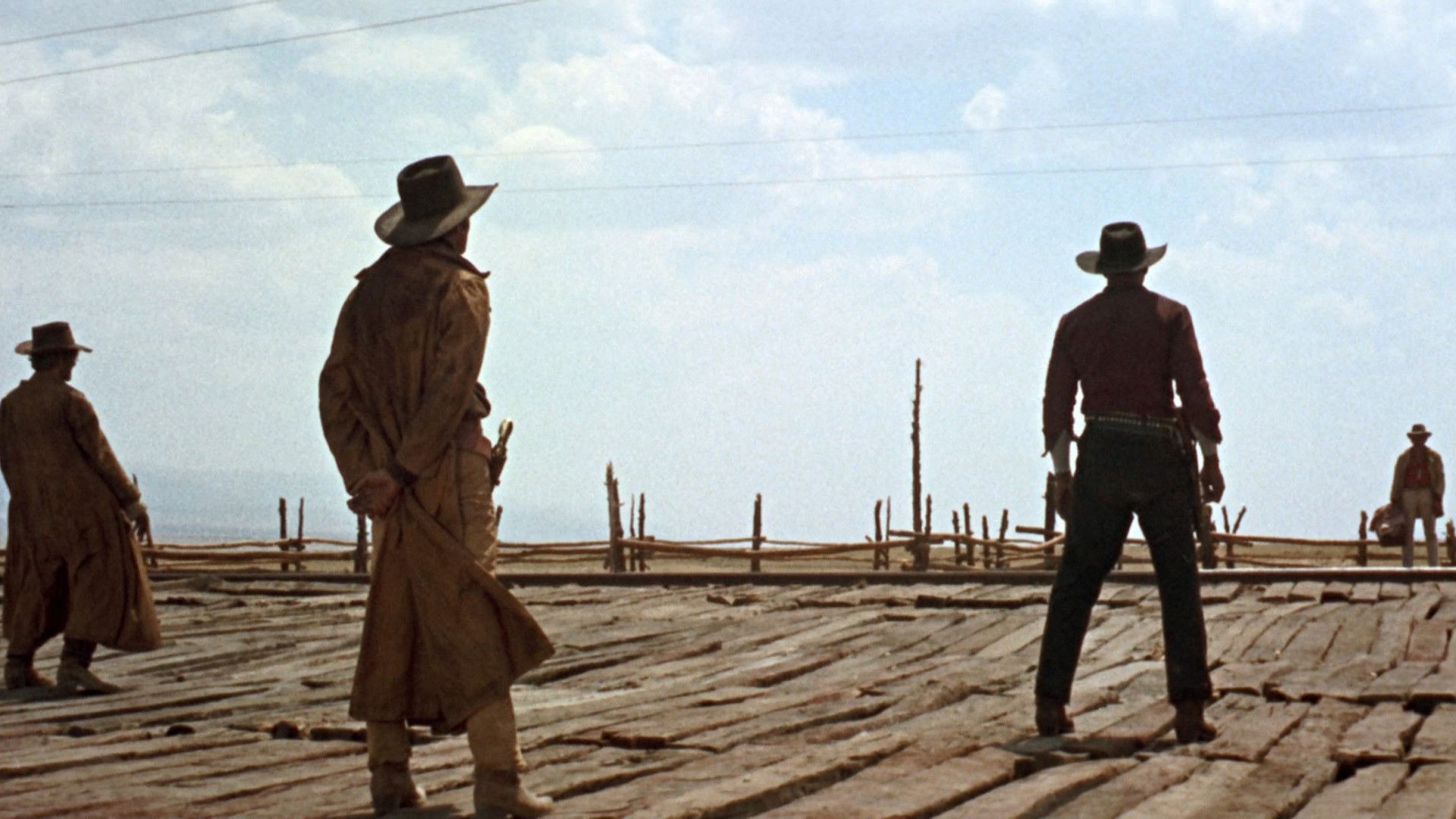
Once Upon a Time in the West asks us to wait, study a face and consider how much damage a man might do before he moves. Sergio Leone’s Western earns that attention, and we would recommend it even to someone who usually avoids the genre. The railway promises wealth, while greed and revenge bring four principal characters into conflict. At 166 minutes, it gives the changing frontier weight beyond the immediate prospect of another gunfight. Its tangled plotting is the one persistent irritation.
The opening gives a wind-wheel and everyday noises an uncomfortable amount of our attention. We became tense simply listening to that wheel, because the waiting leaves so much time to imagine the violence that might follow. Leone does not rush to relieve the discomfort, and Nino Baragli’s editing makes the length of the pauses feel deliberate. It is an unusually confident way to begin a Western, asking us to attend to small sounds before giving us much reason to trust anyone.
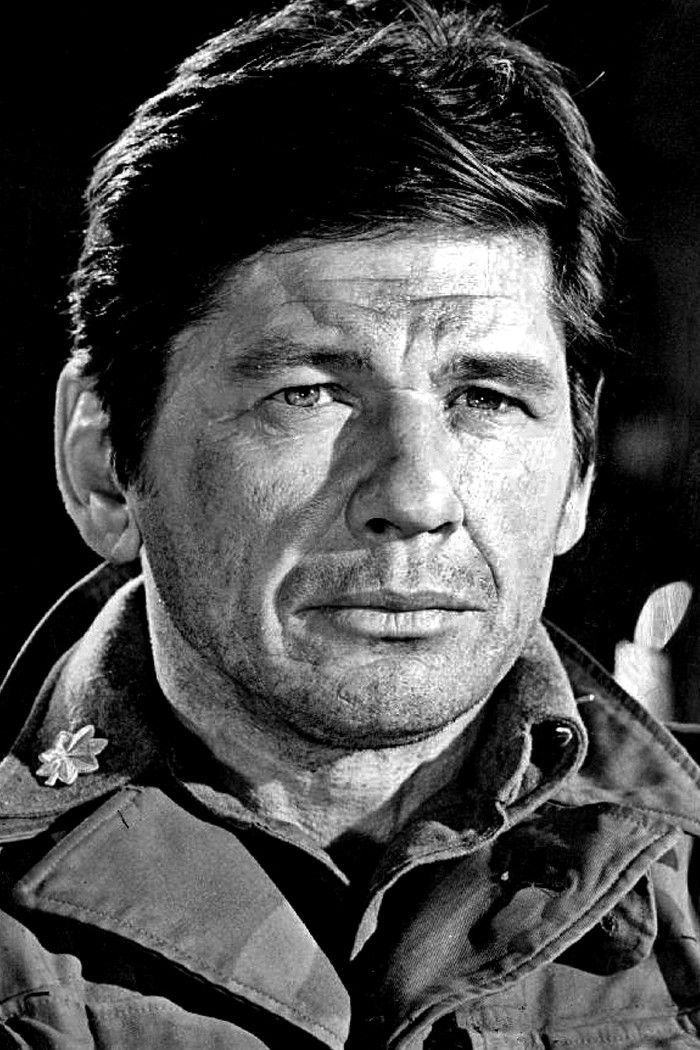
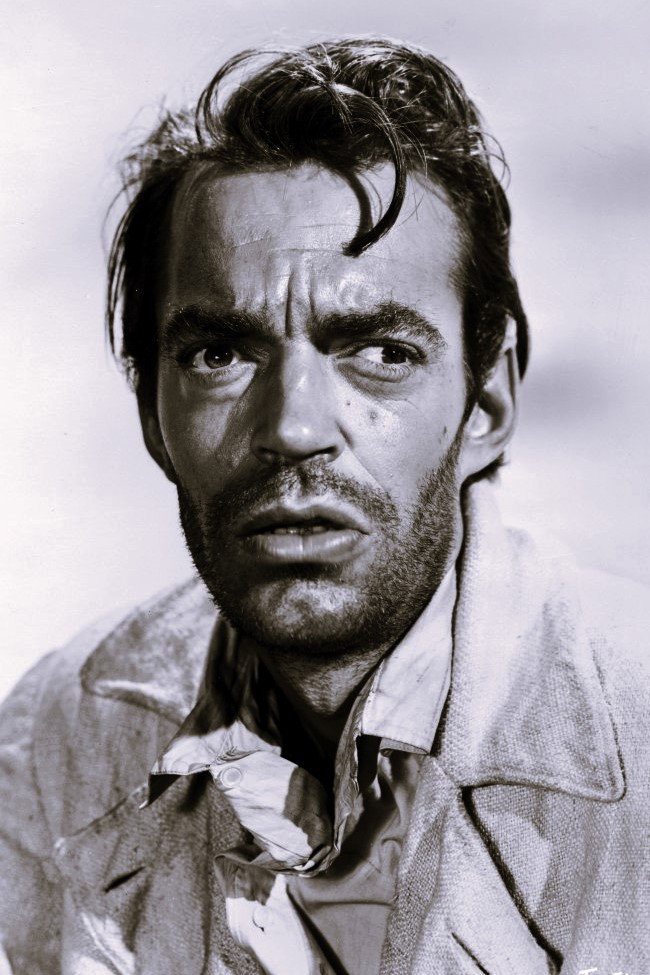
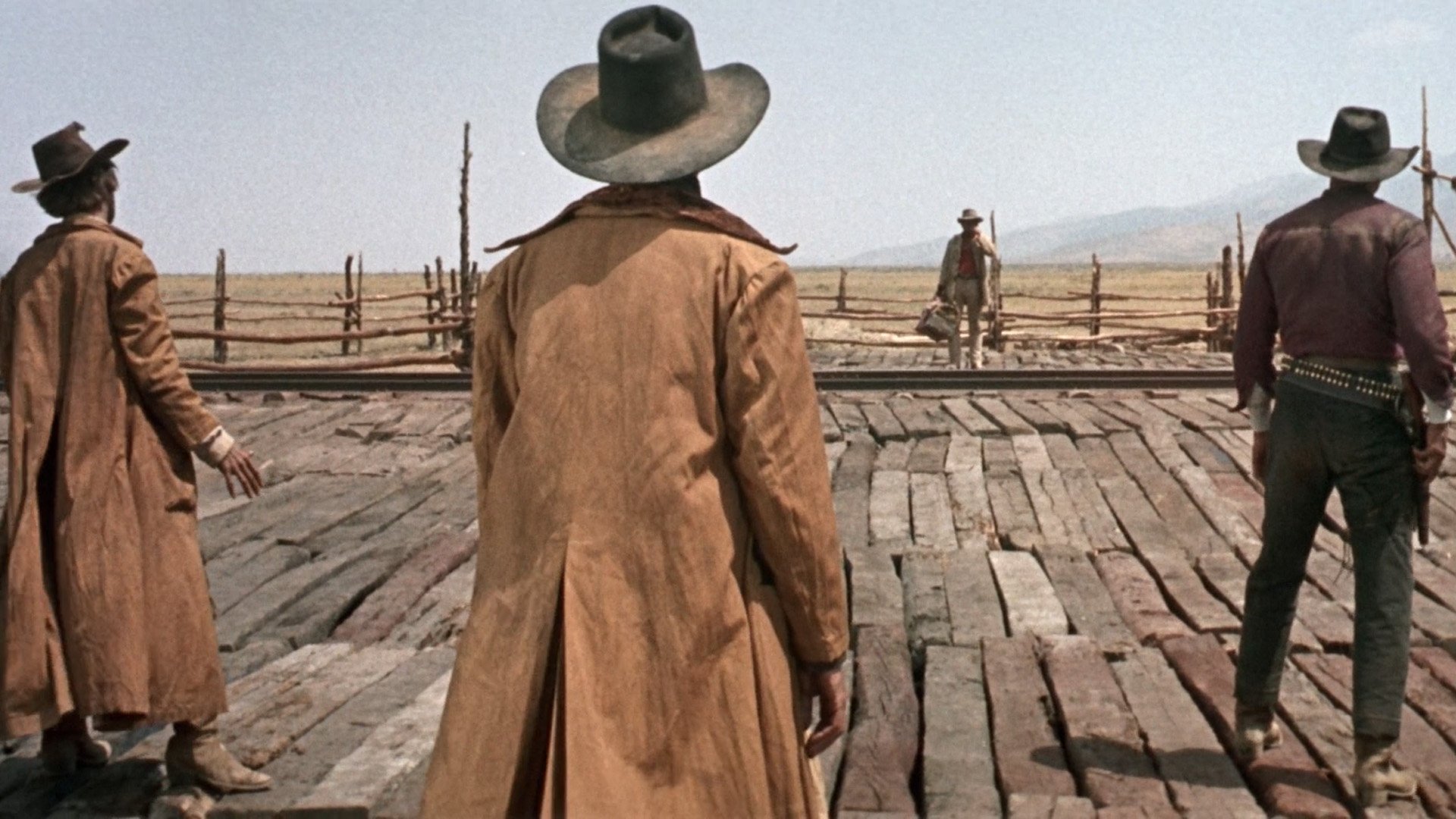
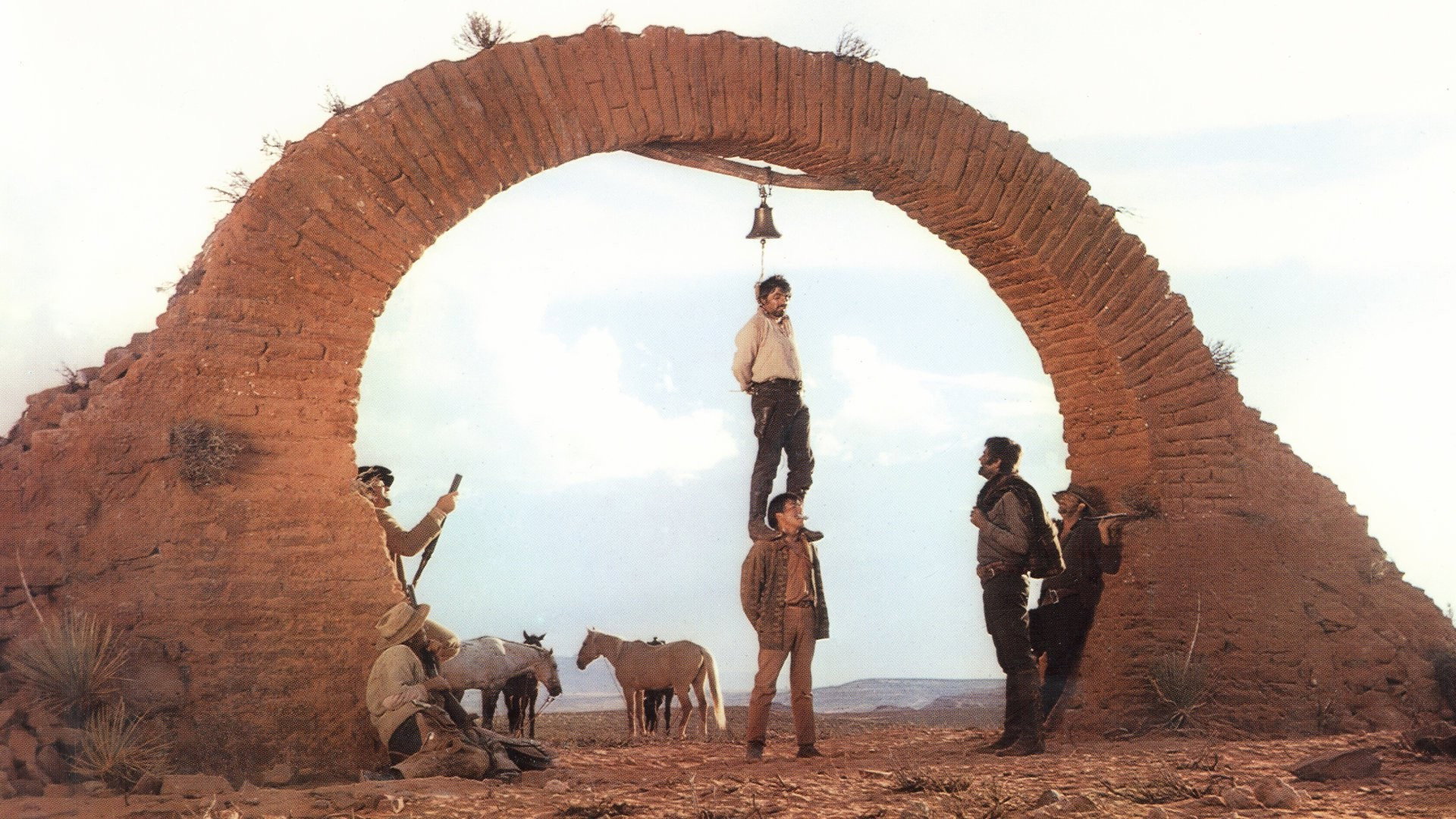
Tonino Delli Colli’s widescreen photography gives faces an almost intrusive prominence. We have time to examine the creases and sweat, looking for some warning of what these people might do next. Carlo Simi’s production design gives the railway enough presence to make the pursuit of money credible beside all these enormous faces. The wider views matter because they remind us that the men filling the frame do not own everything beyond it.
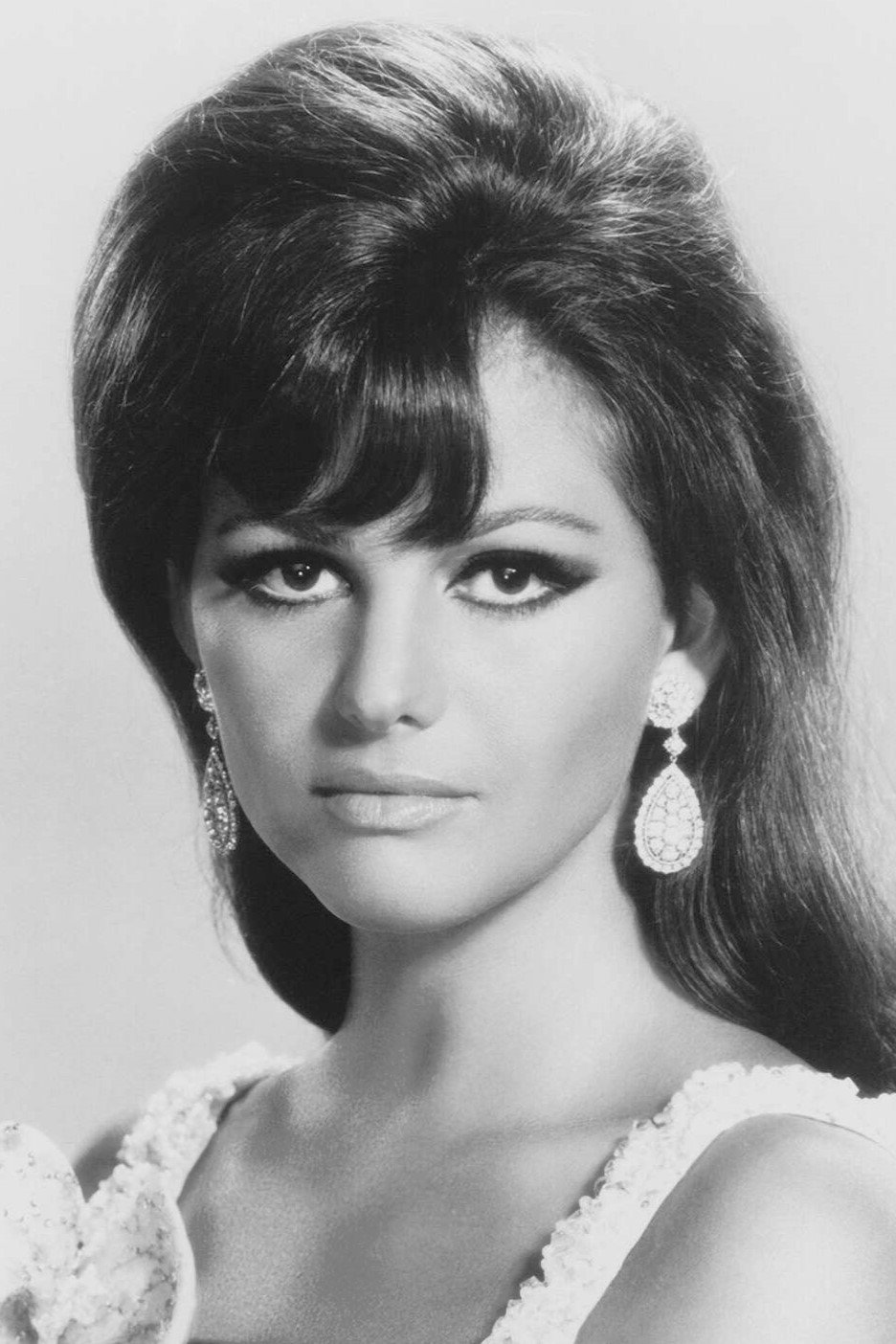
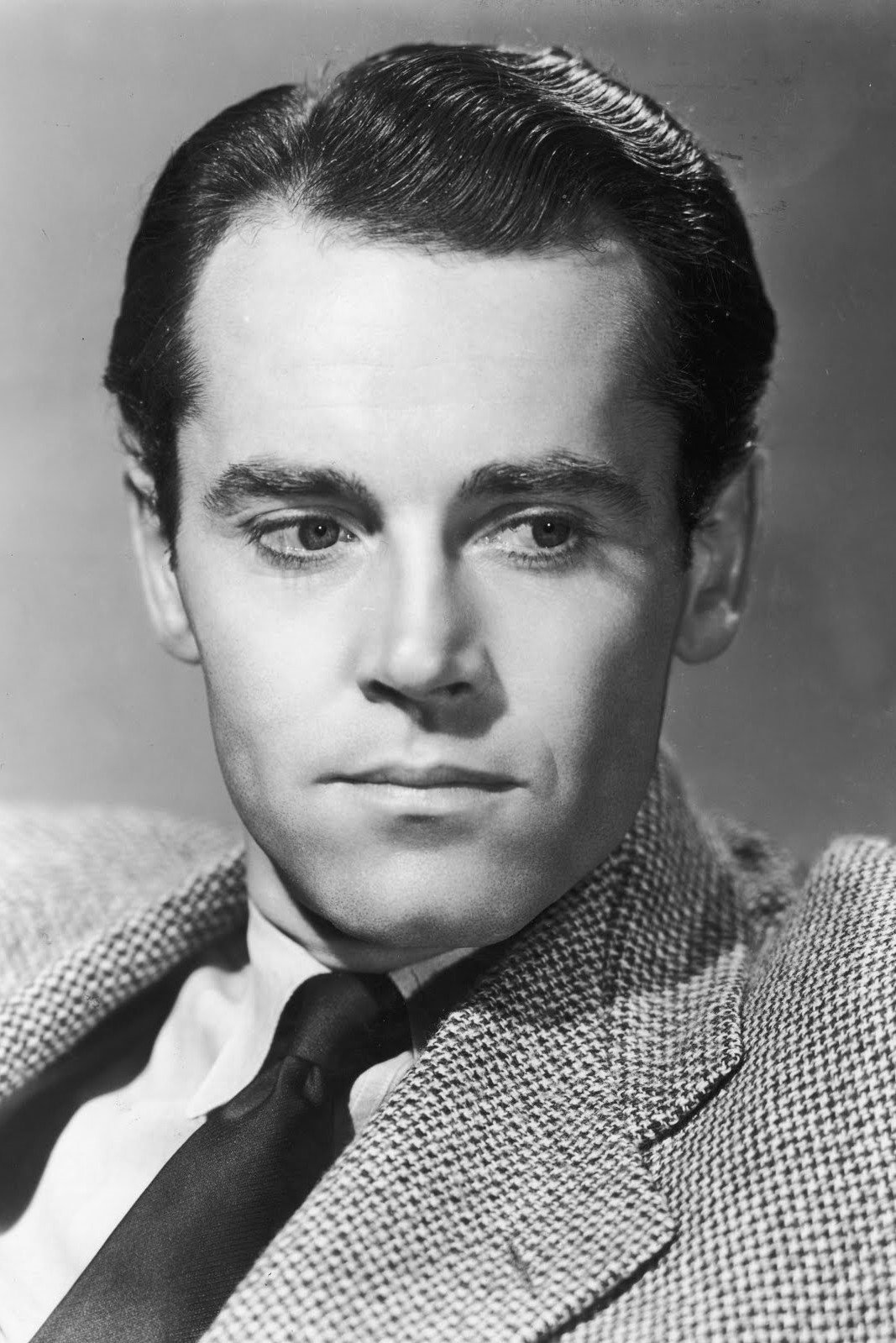
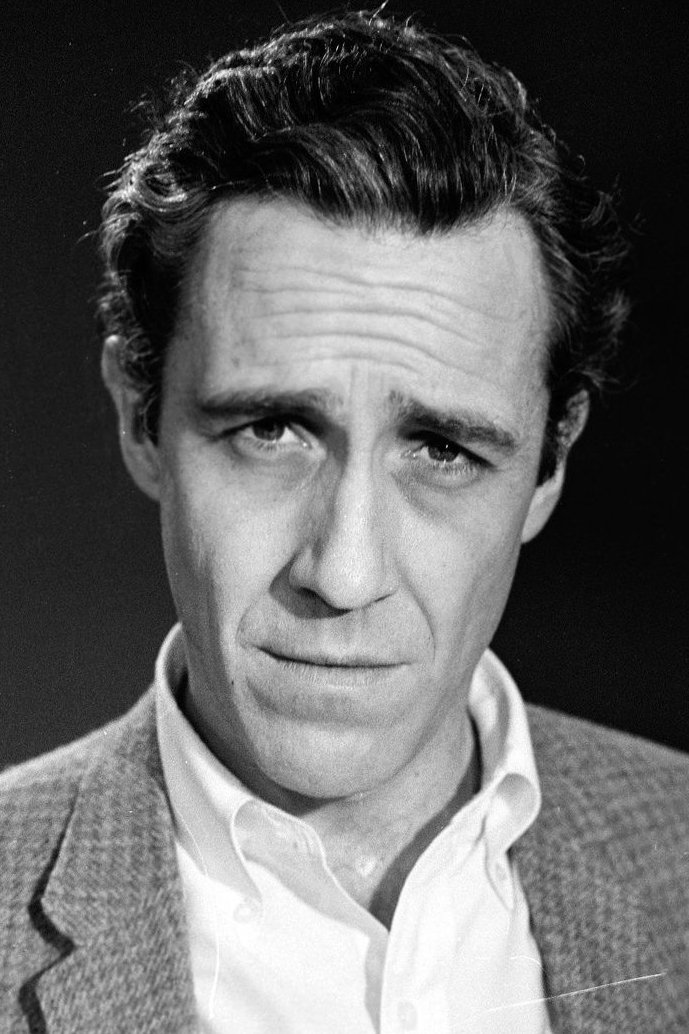
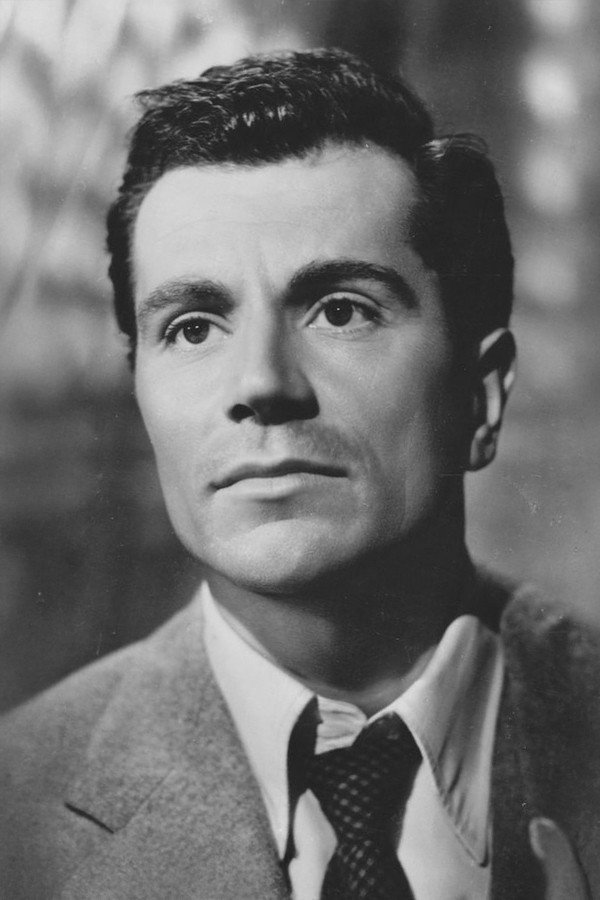
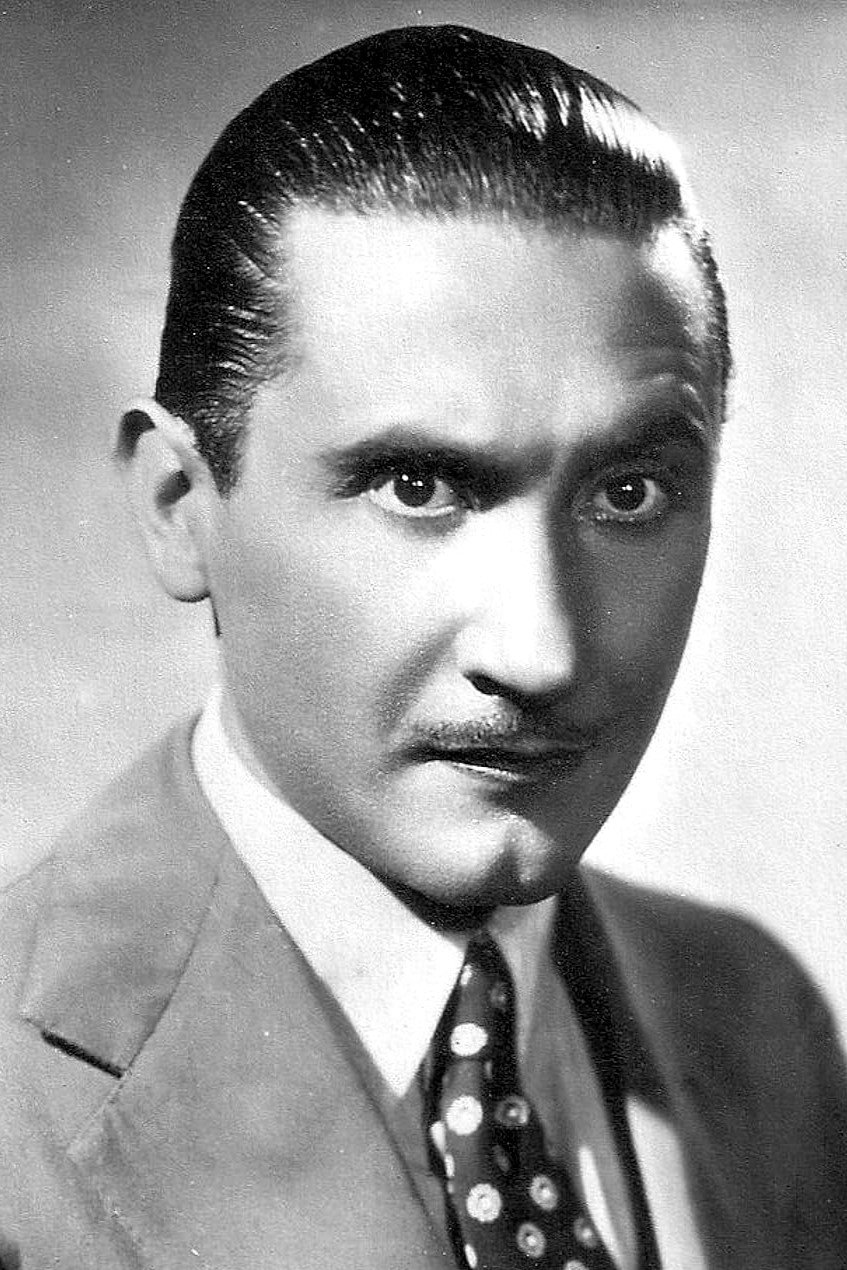
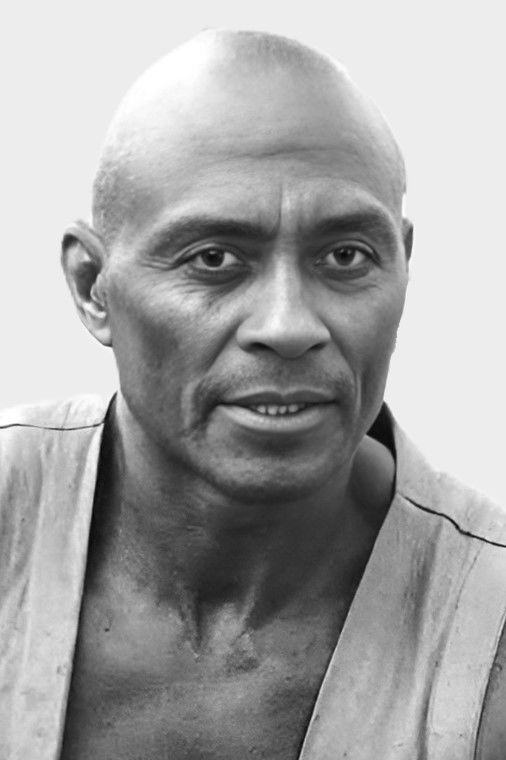
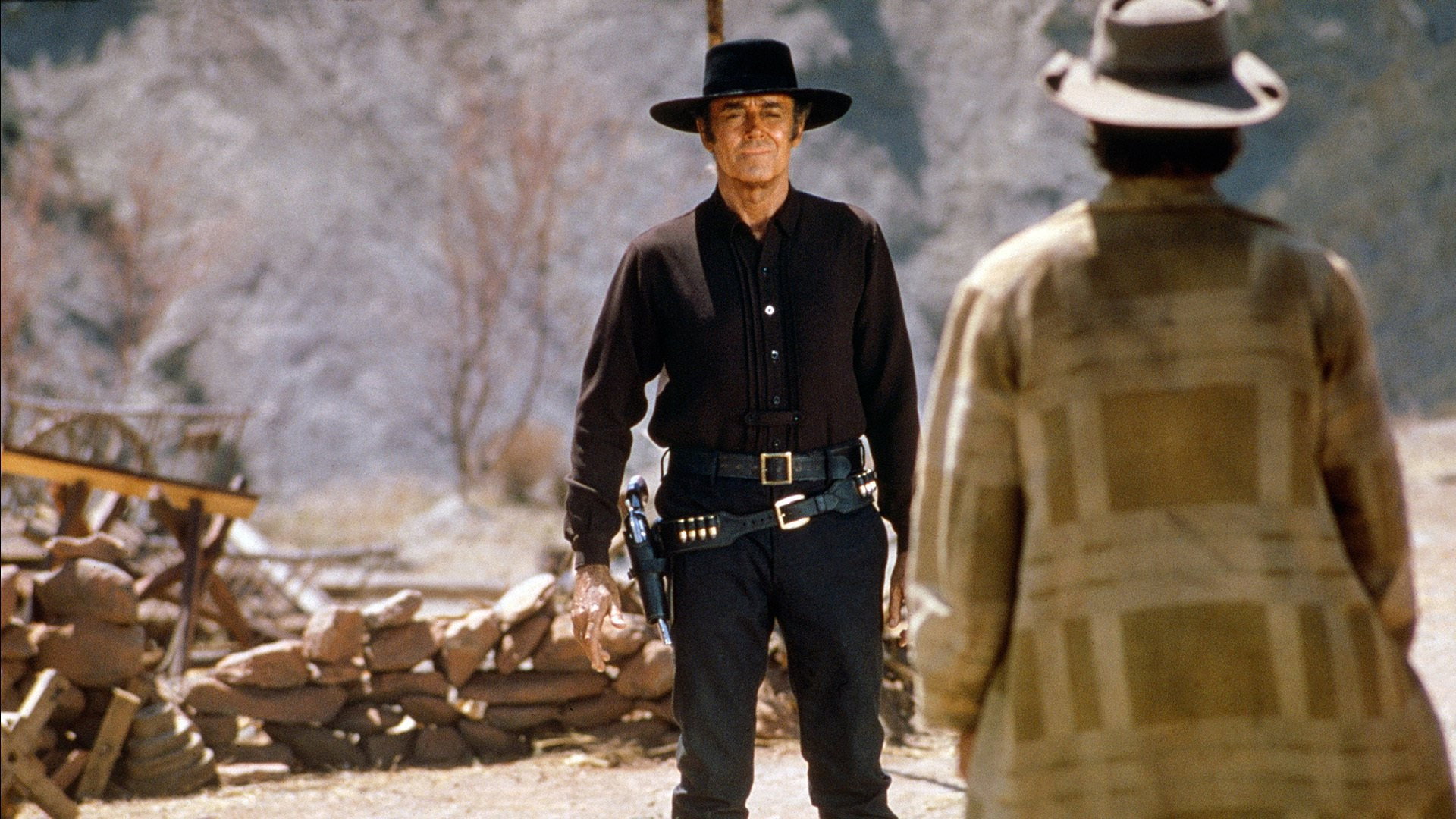
Henry Fonda’s Frank is frightening because he looks so settled in his villainy. His composure is more disturbing than any strenuous display of menace would have been. Charles Bronson gives Harmonica a stillness that makes even a small change of expression worth watching. Jason Robards brings welcome roughness to Cheyenne, while Claudia Cardinale gives Jill enough strength to remain central among men who take their own importance for granted. Cardinale is essential to our interest in what happens to this place.
Ennio Morricone’s score is eerie without making every moment sound equally threatening. The harmonica is especially unsettling, and its prominence encourages us to listen as closely as we look. Music this forceful could easily make the performances seem small. Here its sustained unease suits actors who can command attention while scarcely appearing to move.
The reservation is that not every delay has the opening’s purpose. Leone and Sergio Donati’s screenplay lets the plotting become unnecessarily opaque, and some stretches ask us to remember motives when we would rather be watching the people. Baragli cannot make every pause equally charged; at times the film seems too pleased with the prospect of a confrontation to get on with it. A little less complication would have made the struggle over wealth easier to grasp.
Leone’s affection for the Western’s familiar confrontations is plain, but he also makes the arrival of commercial power feel troubling. These men can dominate a close-up without seeming capable of controlling what the railway will bring. The film asks for more patience than most Westerns, and occasionally more than it needs. Give it an uninterrupted evening, with the sound clear enough to hear the wind-wheel; the opening deserves your attention from the start.