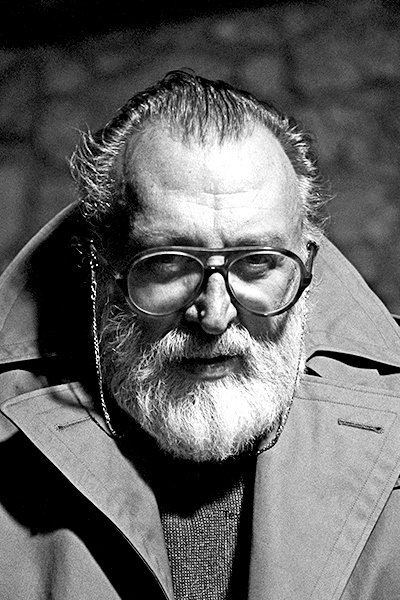
Sergio Leone builds Westerns around selfish men and long, carefully staged confrontations. We prize their suspense and grubby humour, though he sometimes prolongs an encounter beyond the point when it has anything left to show us.
Fi1m perspective
A face fills the screen, then a long shot makes the people small again. Sergio Leone holds our attention by deciding how long we must look before anybody acts. His Westerns are worth the patience he asks of us. The pleasure starts well before anyone reaches for a gun.
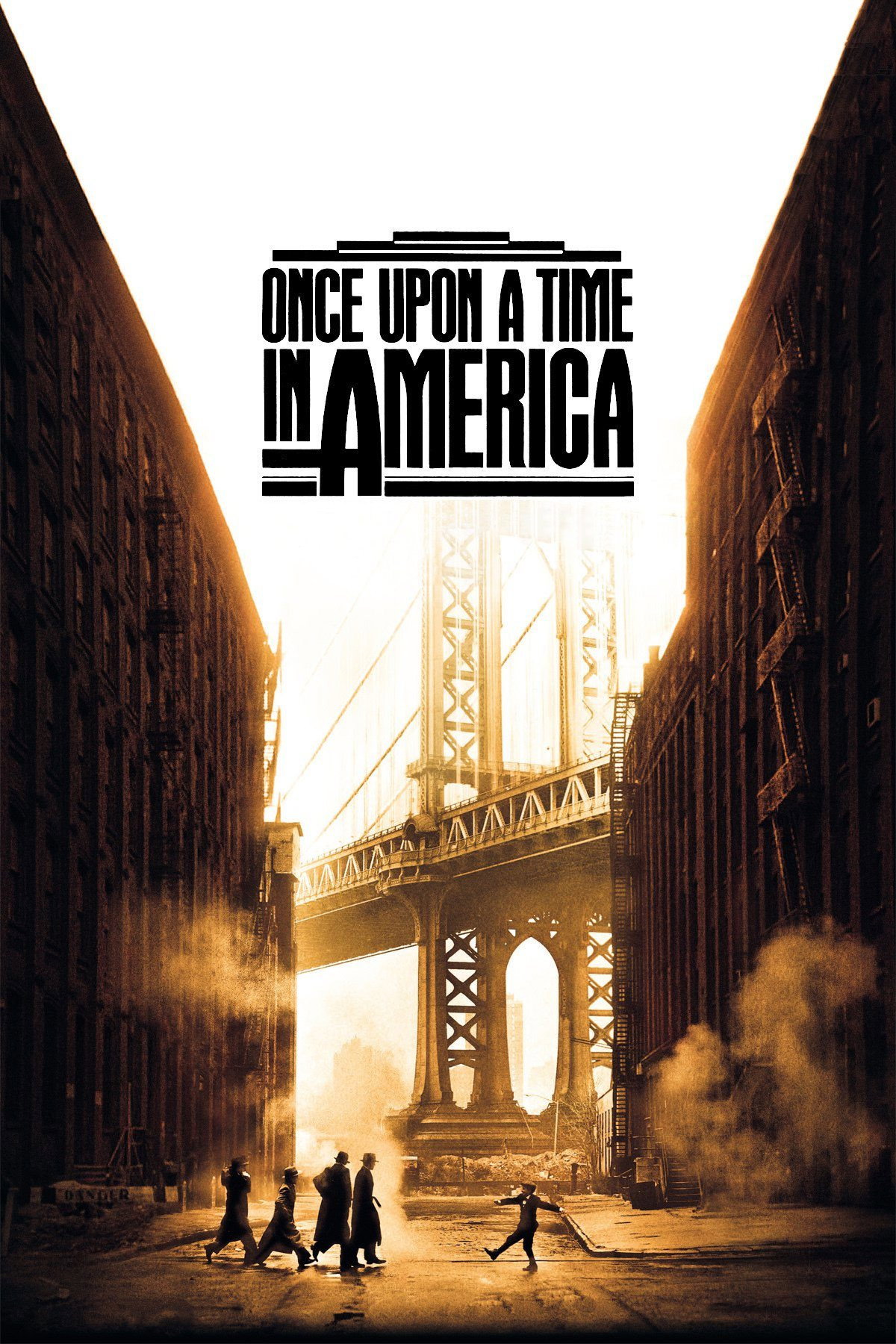
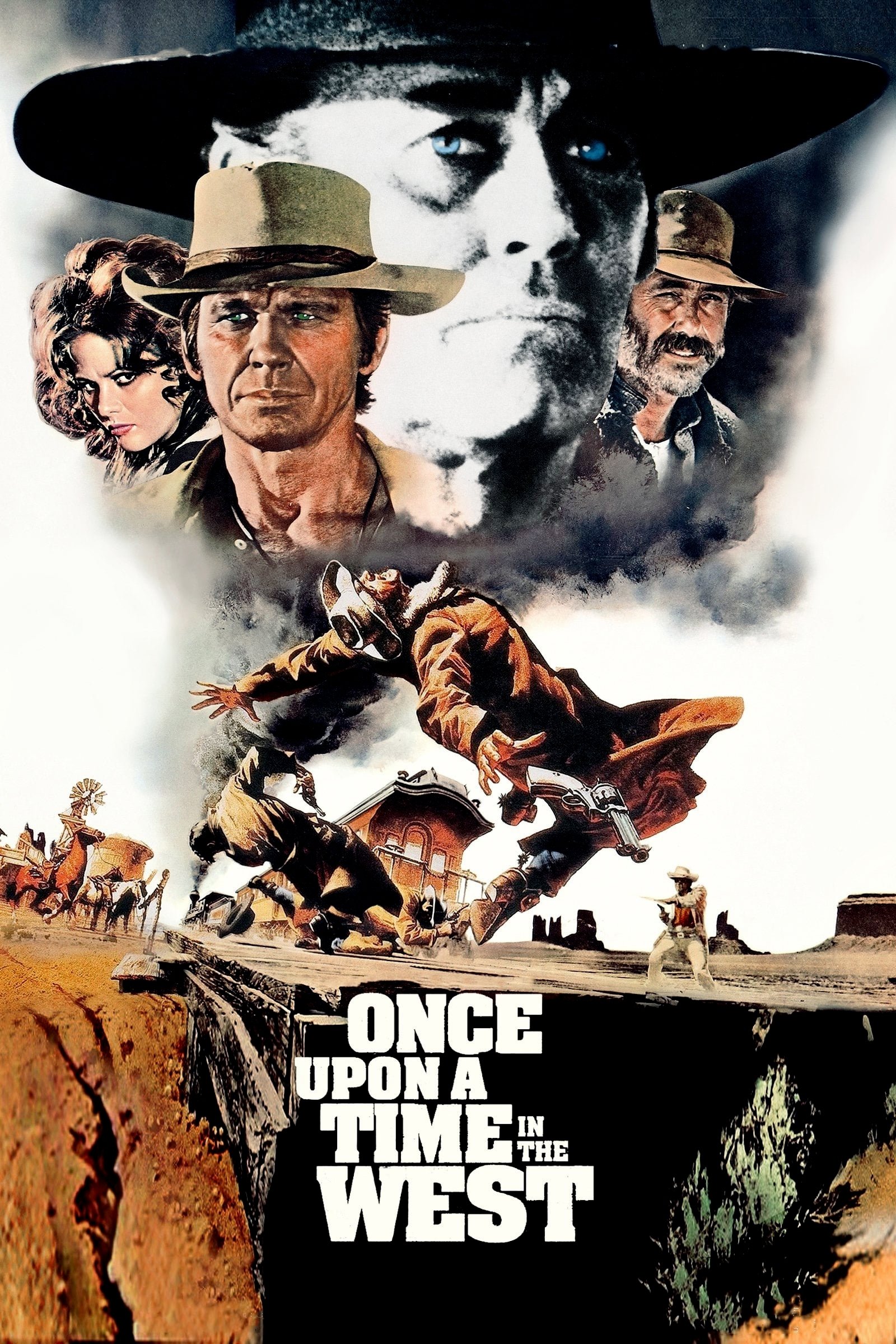
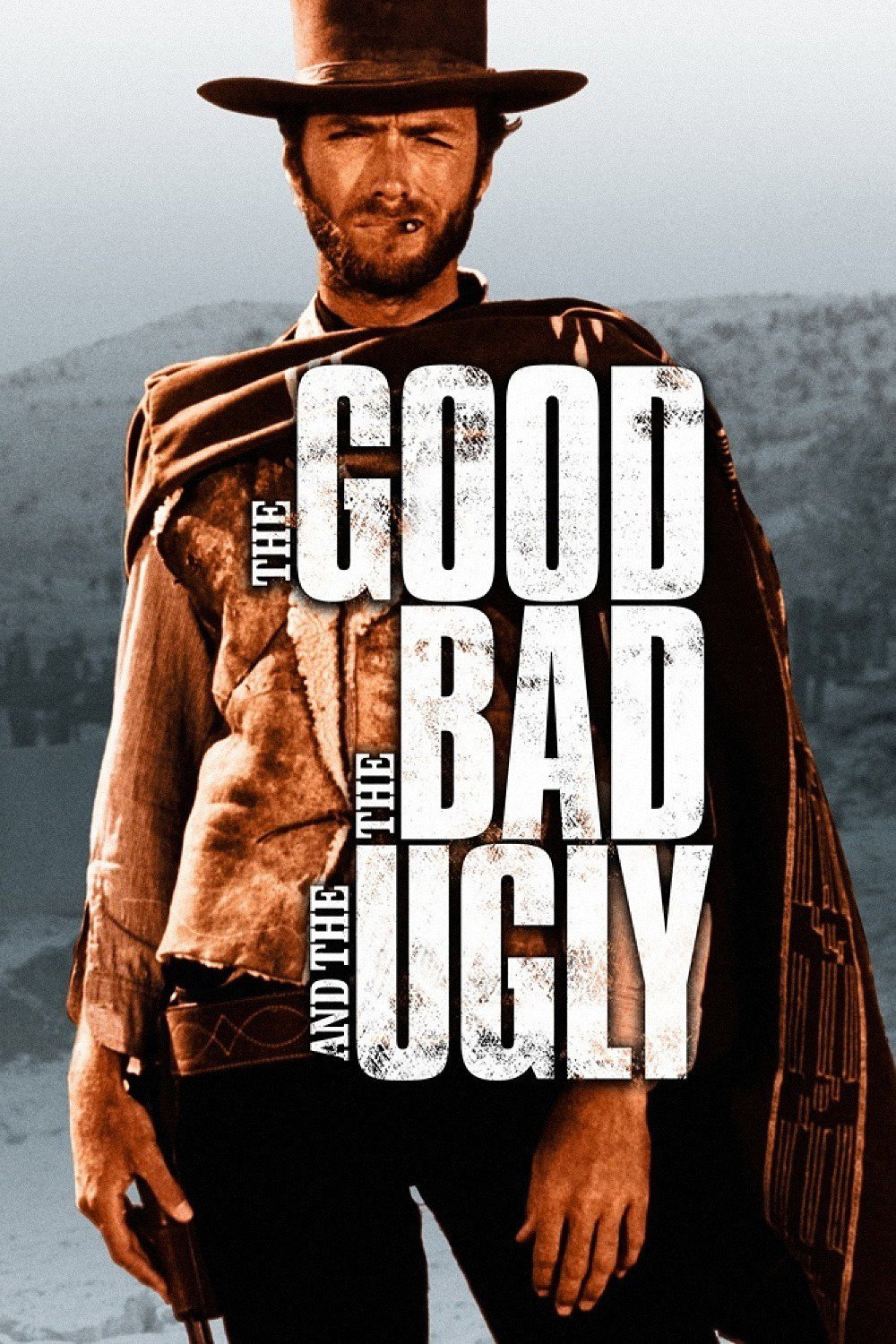
A Fistful of Dollars (1964) was the breakthrough that helped take the spaghetti Western to an international audience. By The Good, the Bad and the Ugly (1966), the third film in the Dollars trilogy, Leone could make a gold hunt sustain 161 minutes, though not every minute earns its place. Once Upon a Time in the West (1968) developed his extended visual storytelling further. After Duck, You Sucker (1971) came a long gap before the gangsters of Once Upon a Time in America (1984).
The gold hunters remain our clearest reason for recommending him. In The Good, the Bad and the Ugly, nobody has to become decent to hold our attention, and Eli Wallach supplies much of the grubby humour. We were more moved than we expected when the suffering of the war interrupted the pleasure of watching criminals at work. Leone lets us enjoy their ingenuity without pretending that the world around them is having much fun.
Ennio Morricone's music is crucial: Leone allows it to be conspicuous, and its scale makes the violence more exciting than a description of the plot could suggest. Carlo Simi's production design and costumes keep the men convincing in their barren surroundings. That roughness matters when the confrontations become extravagantly theatrical. We can accept the display because the people still look as though they belong there.
He is less reliable about knowing when an encounter is finished. The middle of The Good, the Bad and the Ugly wanders, and his lingering over brutality sometimes makes its compassion harder to accept. These are real irritations in a film we would still recommend to someone with no particular interest in Westerns. Start there, and allow him more of the evening than three men looking for gold strictly require.
Biography
Sergio Leone was an Italian film director, producer and screenwriter. Born in Rome on 3 January 1929, he was the son of a film industry pioneer and an actress. He began his career in the late 1940s as an assistant director on Italian and American productions filming in Italy, later working as a second-unit director and screenwriter.
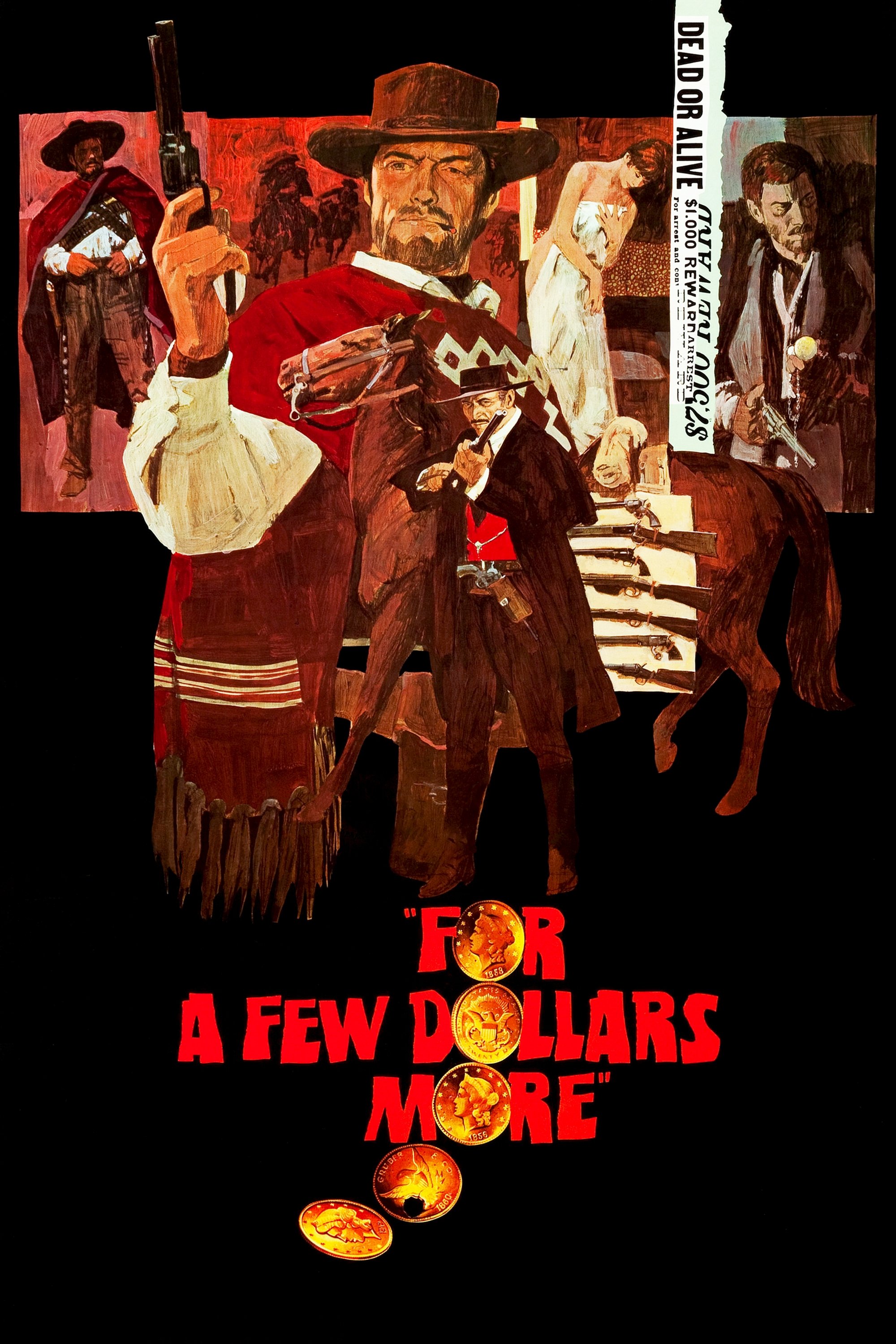
Leone directed The Colossus of Rhodes (1961). He is credited as a pioneer of the spaghetti western genre with A Fistful of Dollars (1964), For a Few Dollars More (1965) and The Good, the Bad and the Ugly (1966). His other films include Once Upon a Time in the West (1968), Duck, You Sucker (1971) and Once Upon a Time in America (1984). He died in Rome on 30 April 1989.