Sergio Leone’s crime drama is absorbing and deeply sad, with Robert De Niro and Ennio Morricone giving it much of its feeling. The plotting can be arbitrary, and we wish Leone were less fond of his gangsters.
Once Upon a Time in America asks us to spend a long time considering men we might prefer to dismiss. Sergio Leone follows the friendship of two New York gangsters across decades, allowing recollection and regret to slow the progress of their criminal story. The result is absorbing and often moving, though the plotting can be arbitrary and the affection for these men excessive. Leone wants us to feel the weight of the years they have spent together.
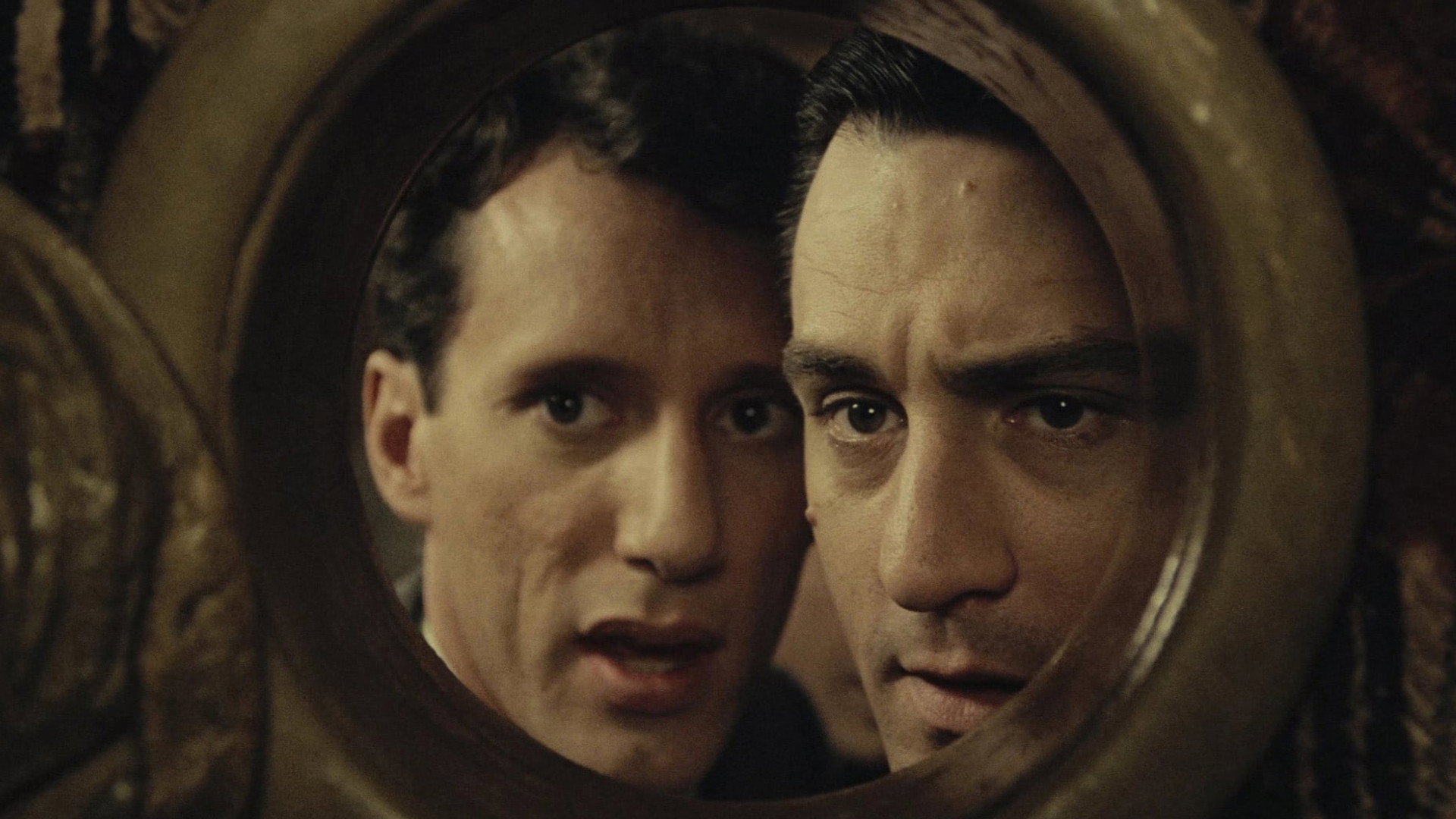
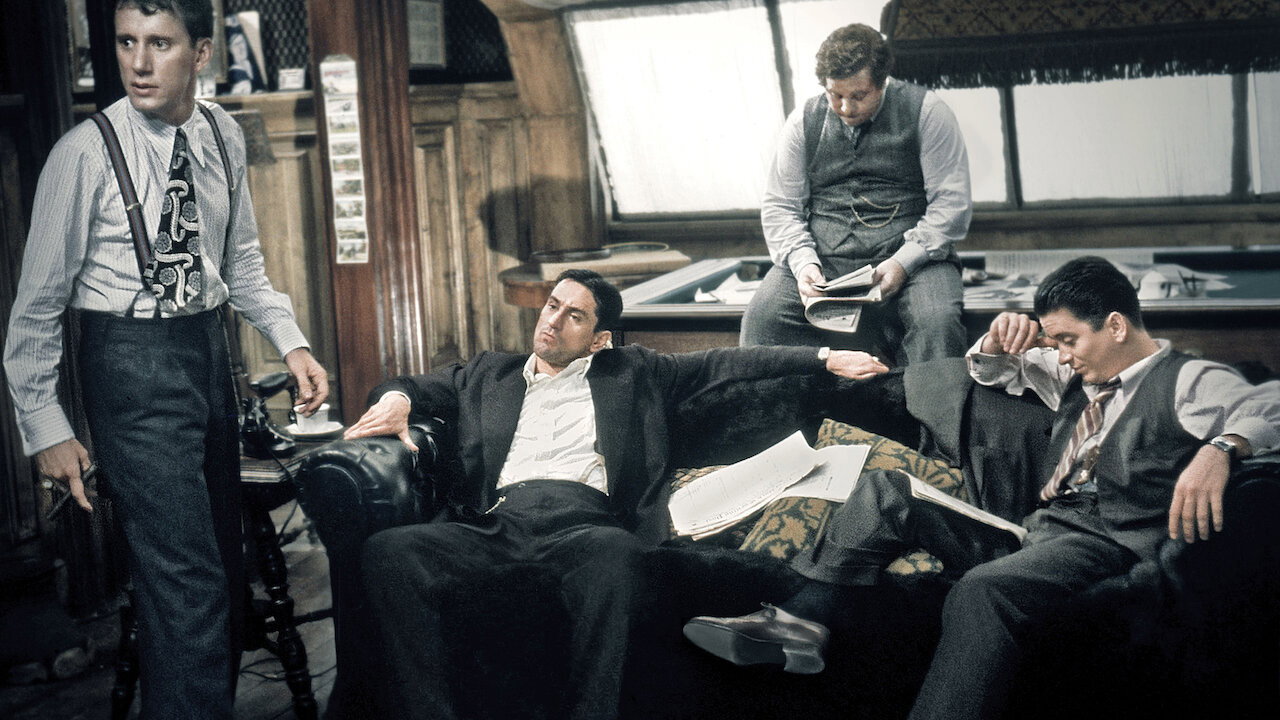
Robert De Niro gives that ambition its strongest support as Noodles. His performance makes regret feel like something a man has lived with for years, and we keep watching him even when there is little reason to hope he has learnt anything. James Woods brings an abrasive force to their friendship that keeps it from settling into comfortable reminiscence. These are substantial performances, and they make the bond between the men worth following through the story’s less convincing turns.
Nino Baragli’s editing gives the shifts through time an emotional purpose: an earlier period can change how we judge a man we thought we understood. The connections are more satisfying than some of the individual incidents, which do not always seem to follow convincingly from one another. We grew anxious at the recurring telephone ring, because each repetition made the prospect of an answer feel increasingly dreadful. We wanted the ringing to stop.
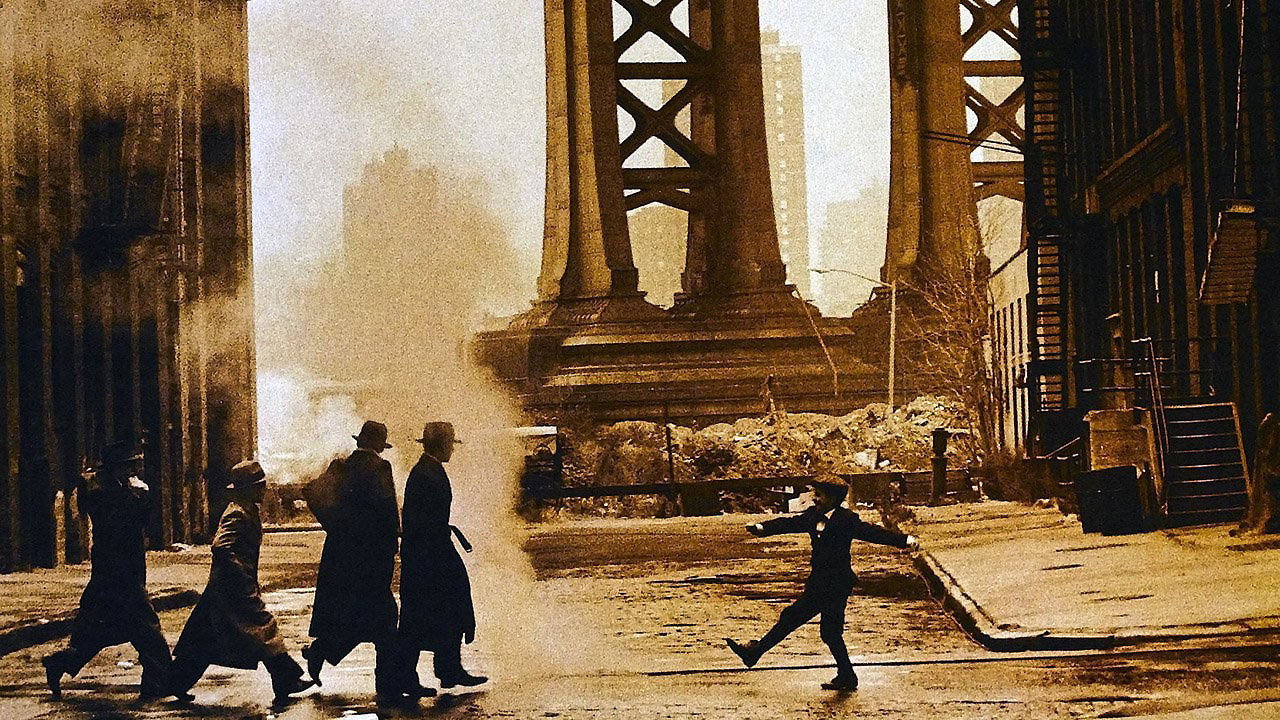
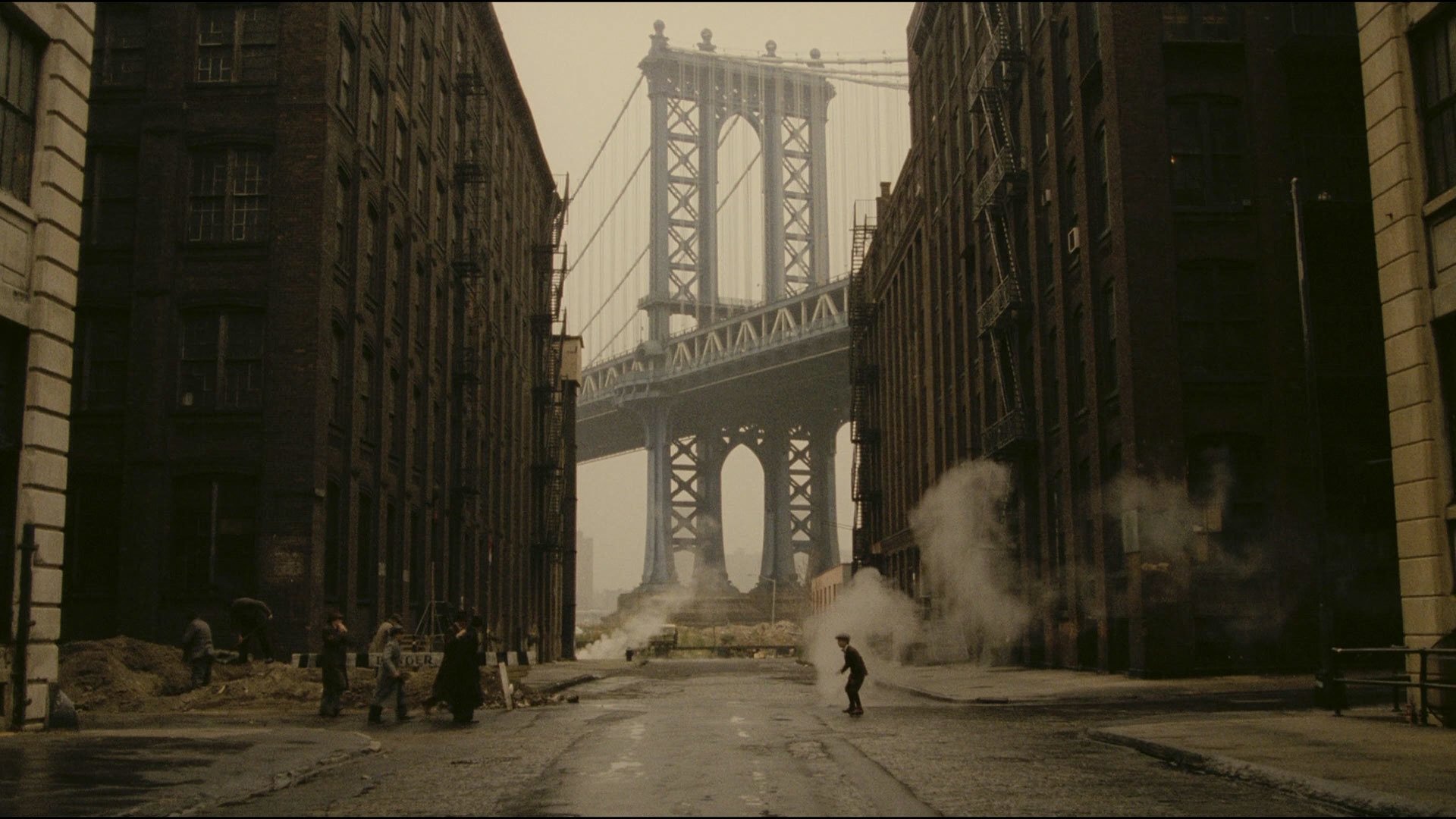
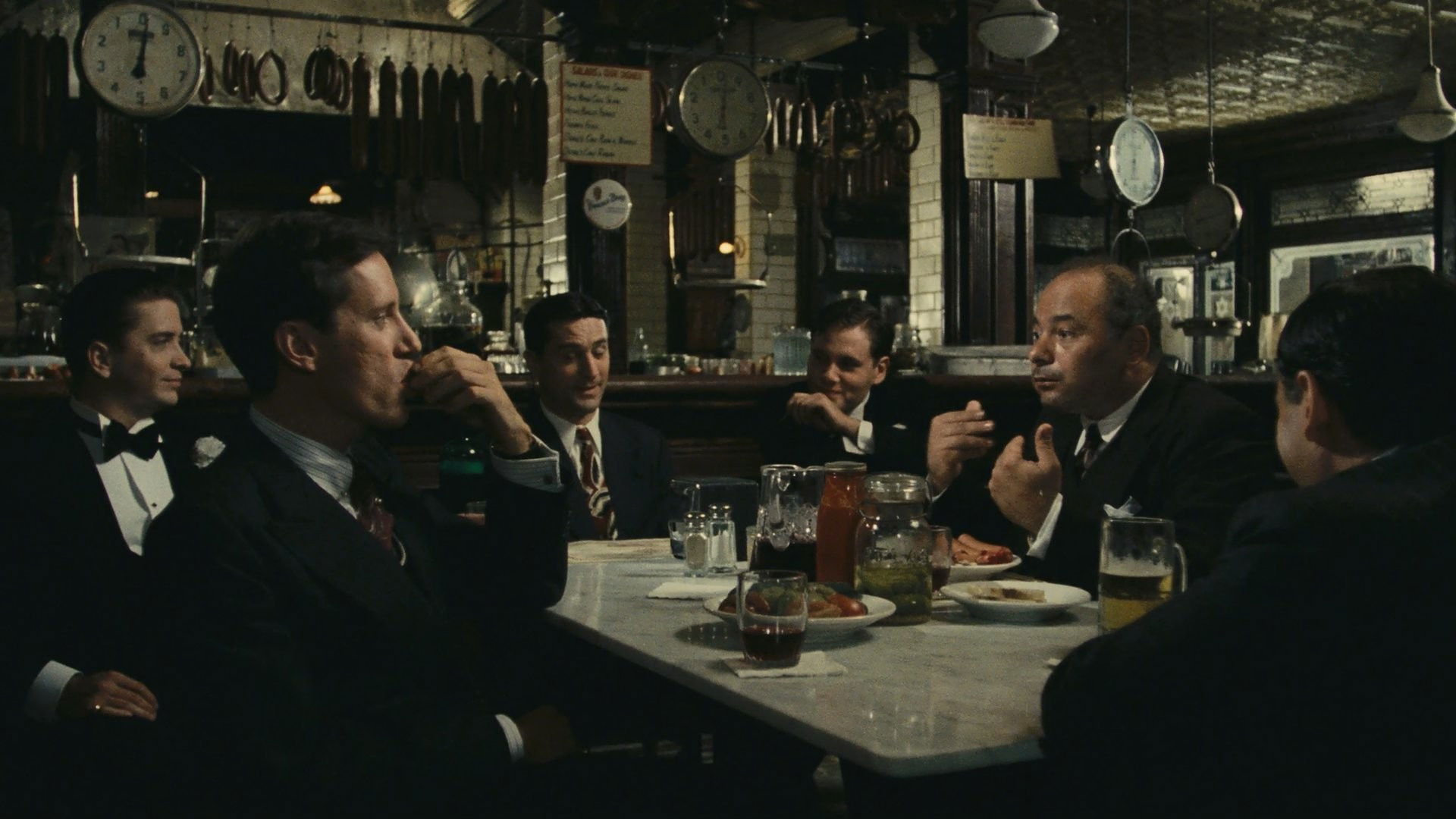
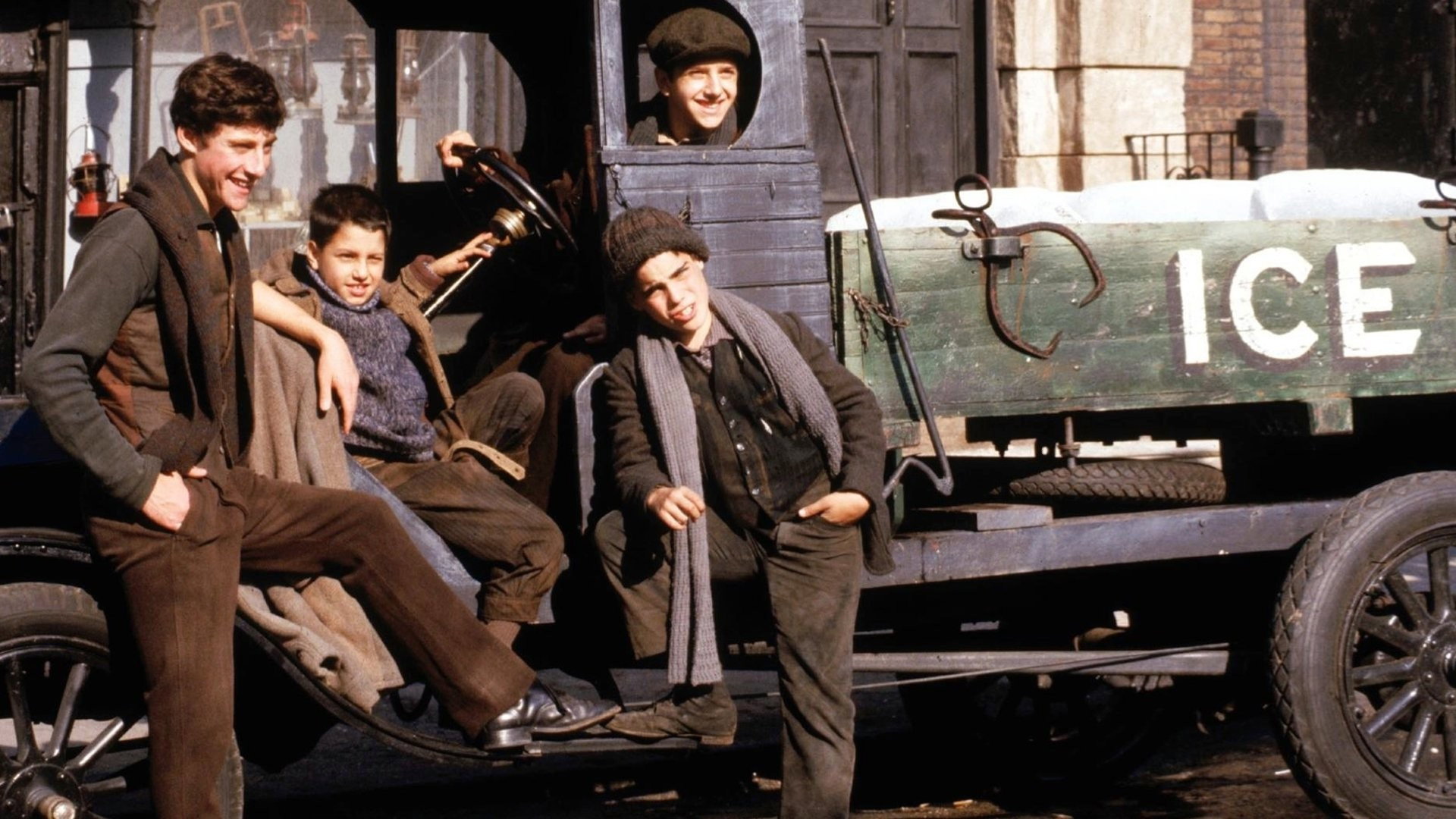
Giovanni Natalucci’s production design makes the reconstructed period world feel solid, and the care is worth looking at in its own right. Tonino Delli Colli’s photography and Leone’s measured camera movement let us take in those settings instead of treating them as background to the next criminal transaction. The formality suits these theatrical gangsters. Some of the more intimate passages feel too carefully arranged, however, and we become conscious of the staging when we ought to be watching the actors.
Ennio Morricone’s score is the other reason the film can hold us through its uncertain plotting. Its sorrow makes the long friendship feel painfully difficult to relinquish, lending weight even to passages where the men themselves offer little to admire. There are moments when it supplies more feeling than the writing has earned. Mostly, though, we are glad Leone gives it so much room.
That does not excuse the film’s fondness for its gangsters. Leone and his fellow screenwriters can make their disappointments seem more important than the harm they do, and the characters do not always have the depth to sustain such attention. Within the crime genre, the emphasis on a friendship weathered by time is welcome, even when it loosens the storytelling. In a few passages, the insistence on their suffering becomes wearying.
We recommend a quiet evening, with no expectation of a brisk gangster story. There will be stretches when the plot tests that patience, but De Niro and Woods deserve the attention. Put the phone in another room.