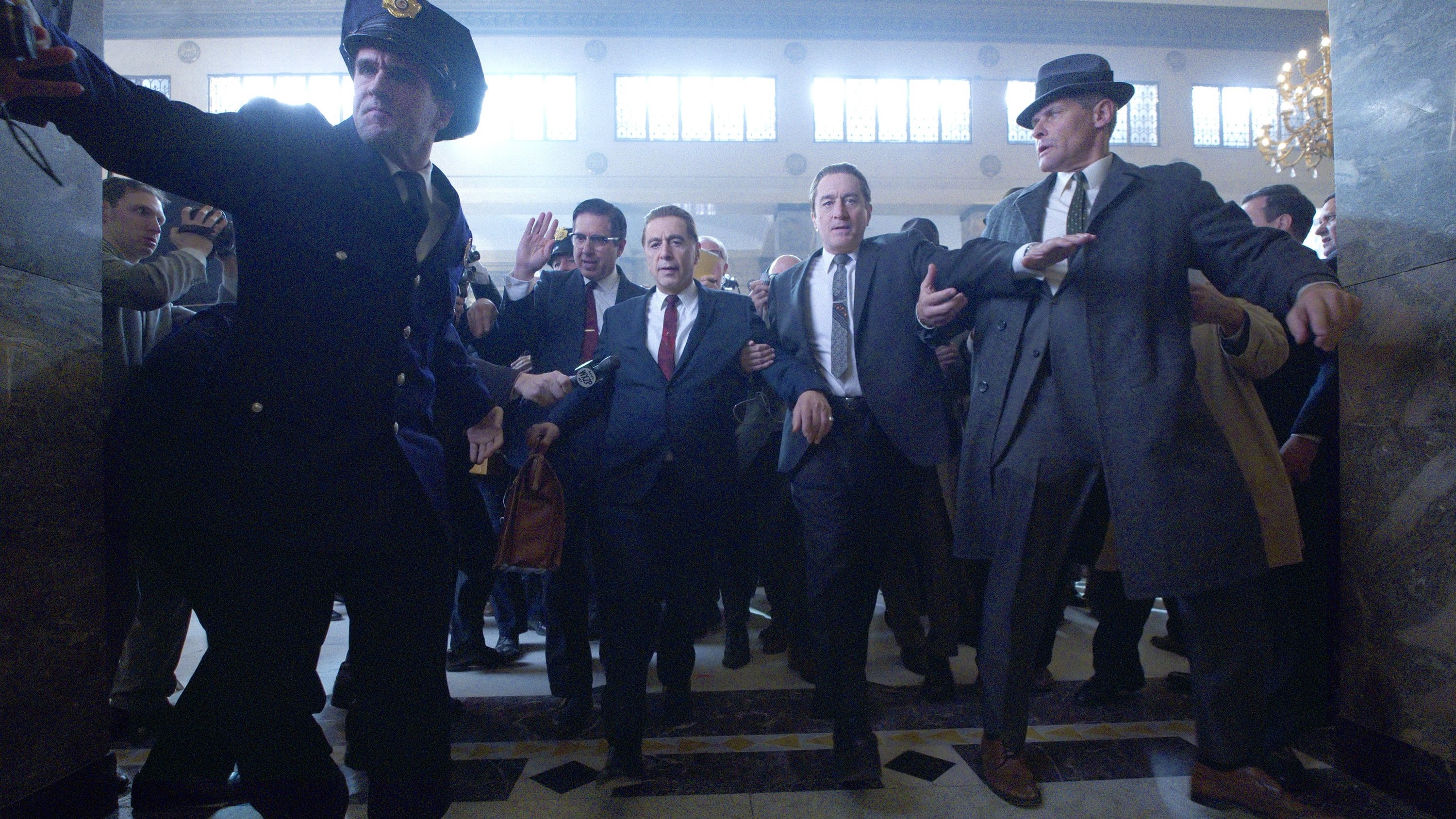
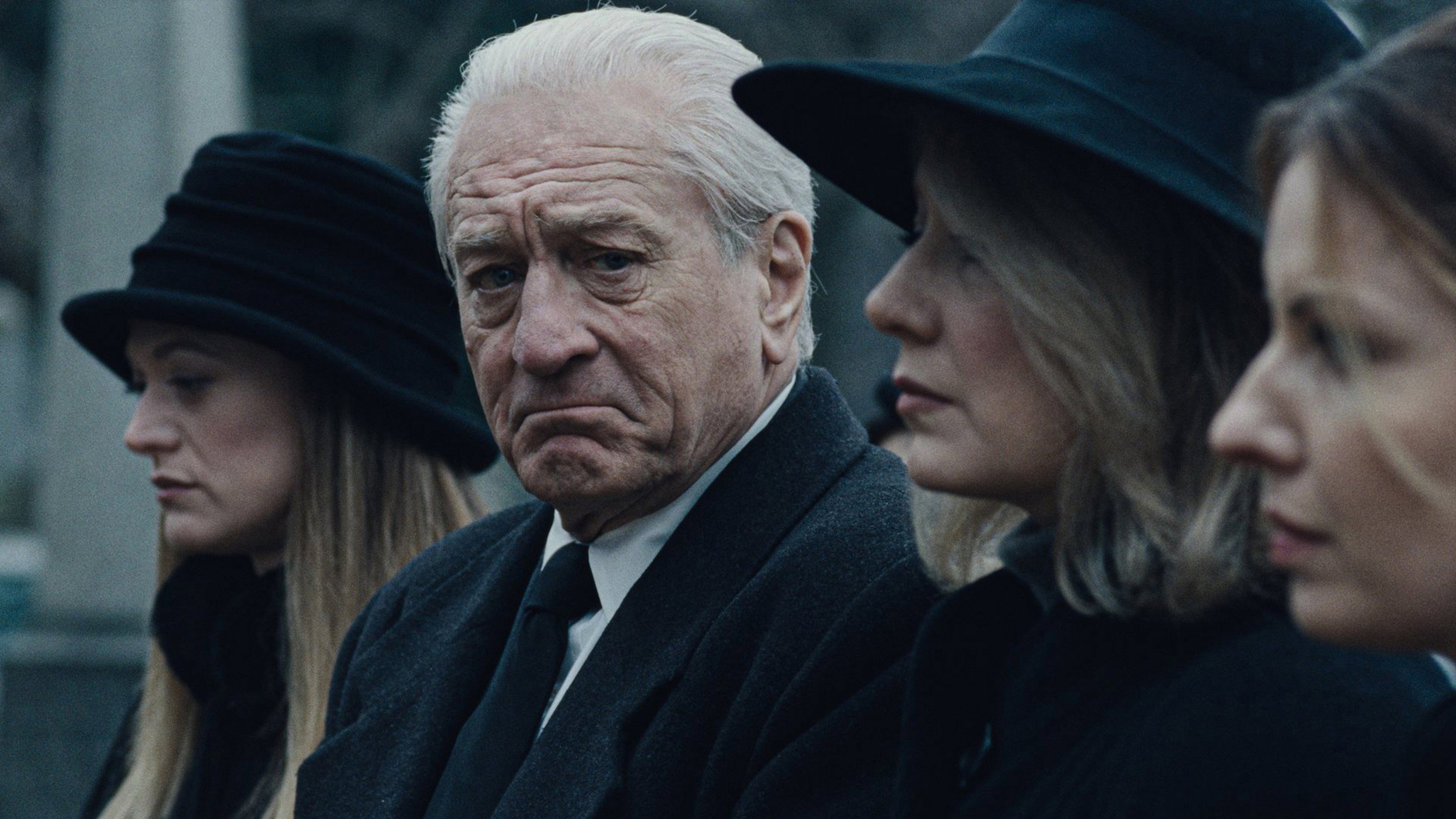
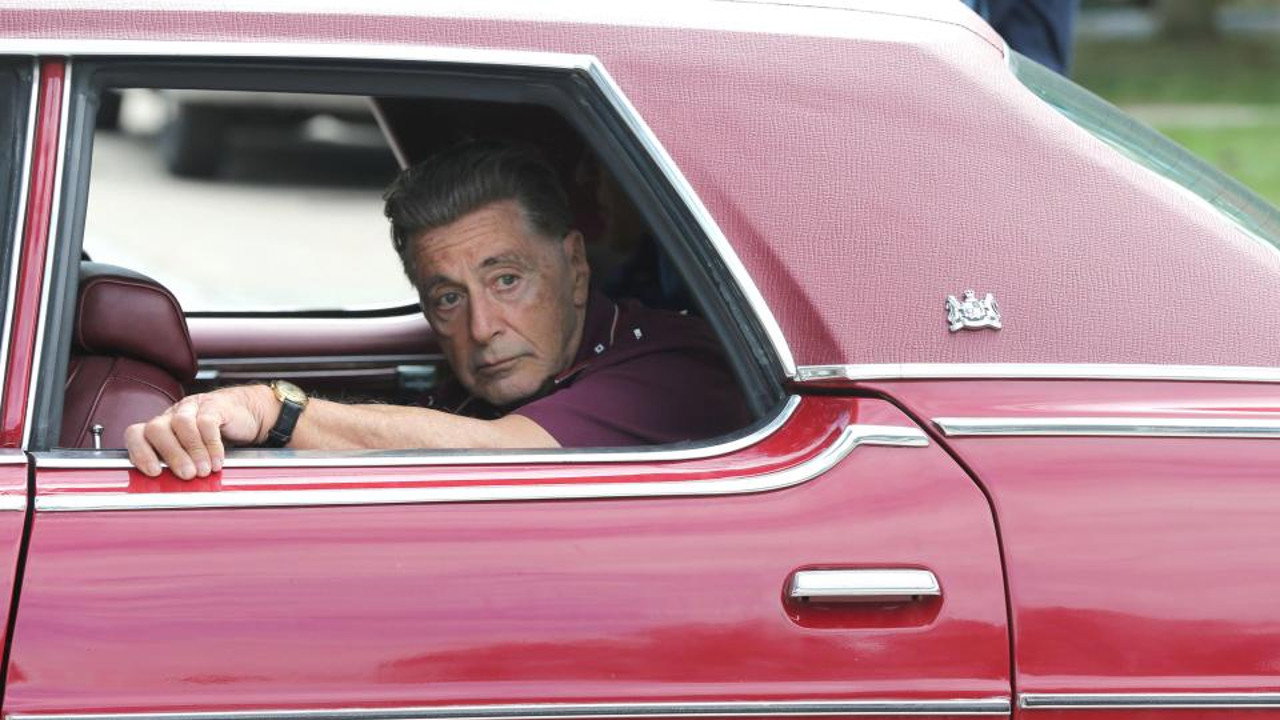
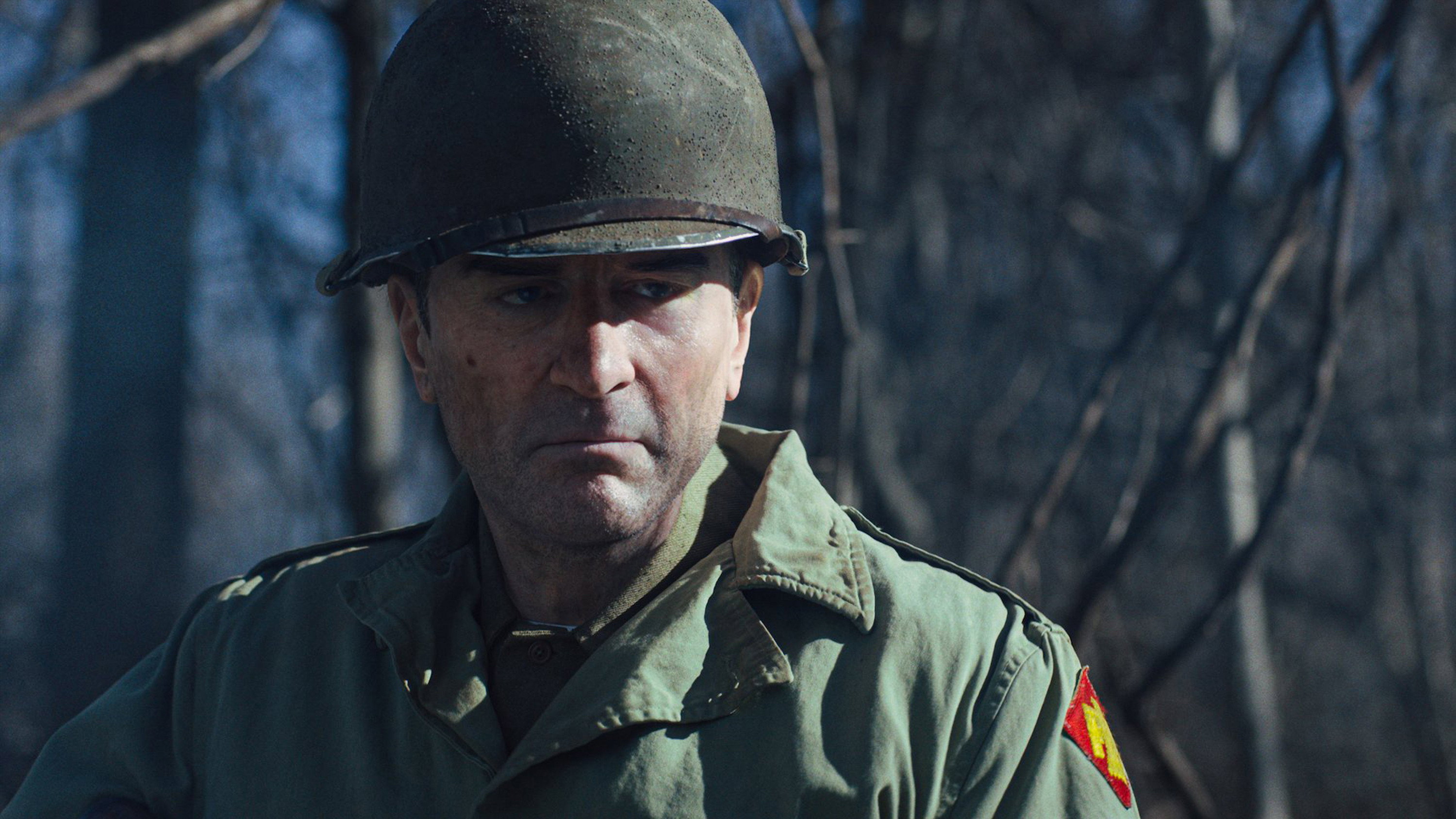
Martin Scorsese makes a patient, troubling crime drama about men accustomed to treating violence as work. The length occasionally tests us and the digital faces distract, but the performances justify a long evening.
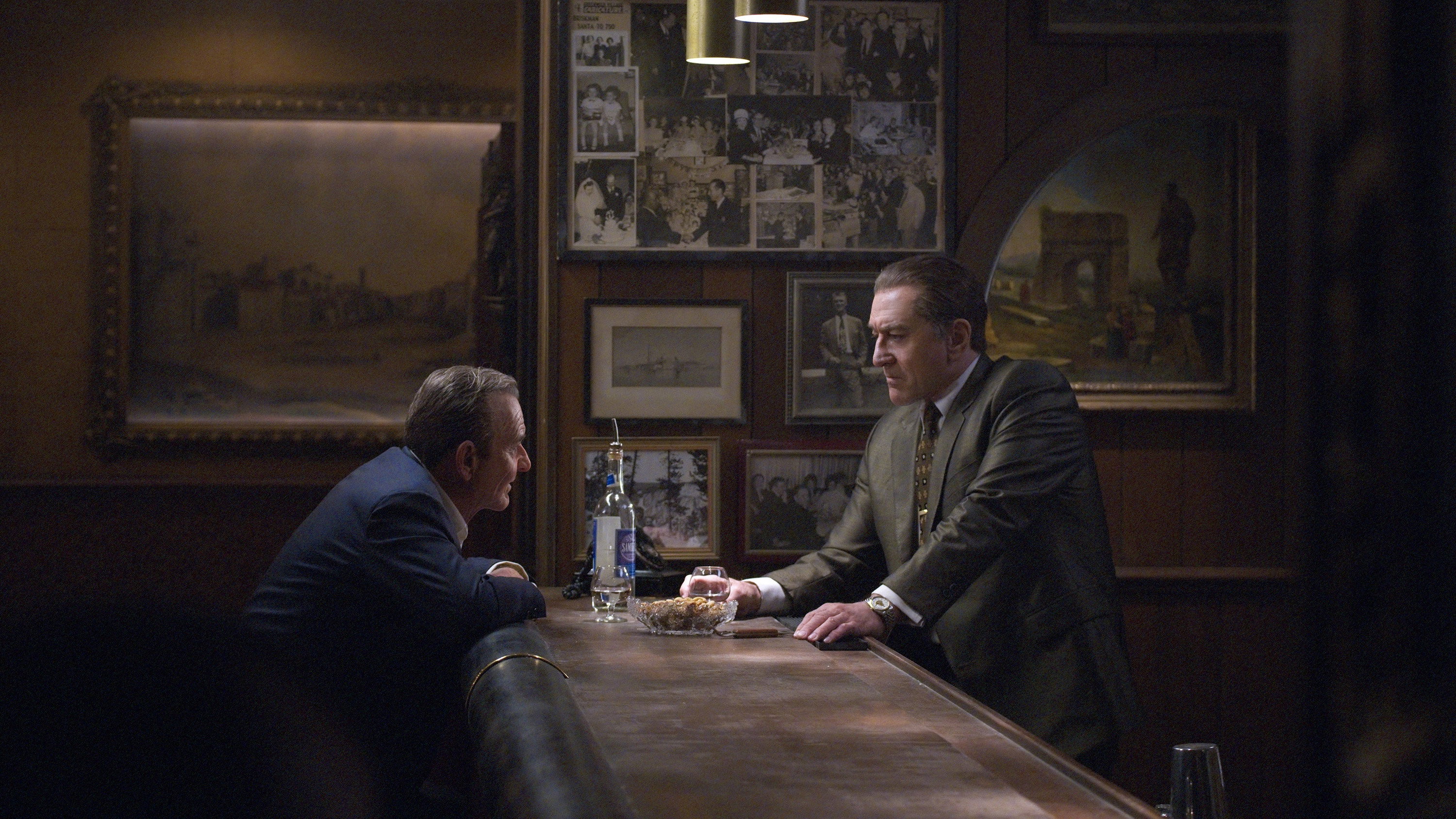
The Irishman is a patient, troubling crime film, and we recommend it with a warning about the time it asks for. Across 209 minutes, Martin Scorsese watches men conduct violent business with the habits and assumptions of working life. The interest lies in how easily they make their arrangements, and how poorly equipped they seem to discuss guilt. We do not need to find these men sympathetic to become absorbed in the effort they put into avoiding that subject.
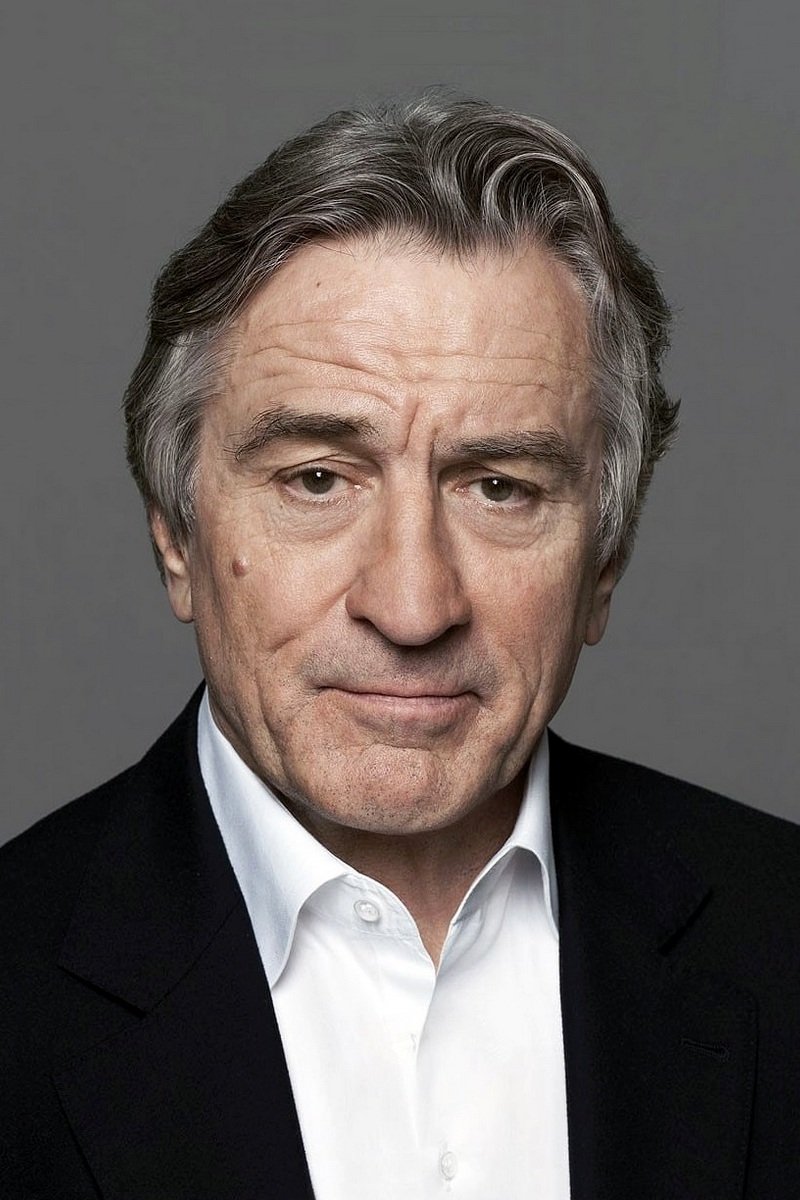
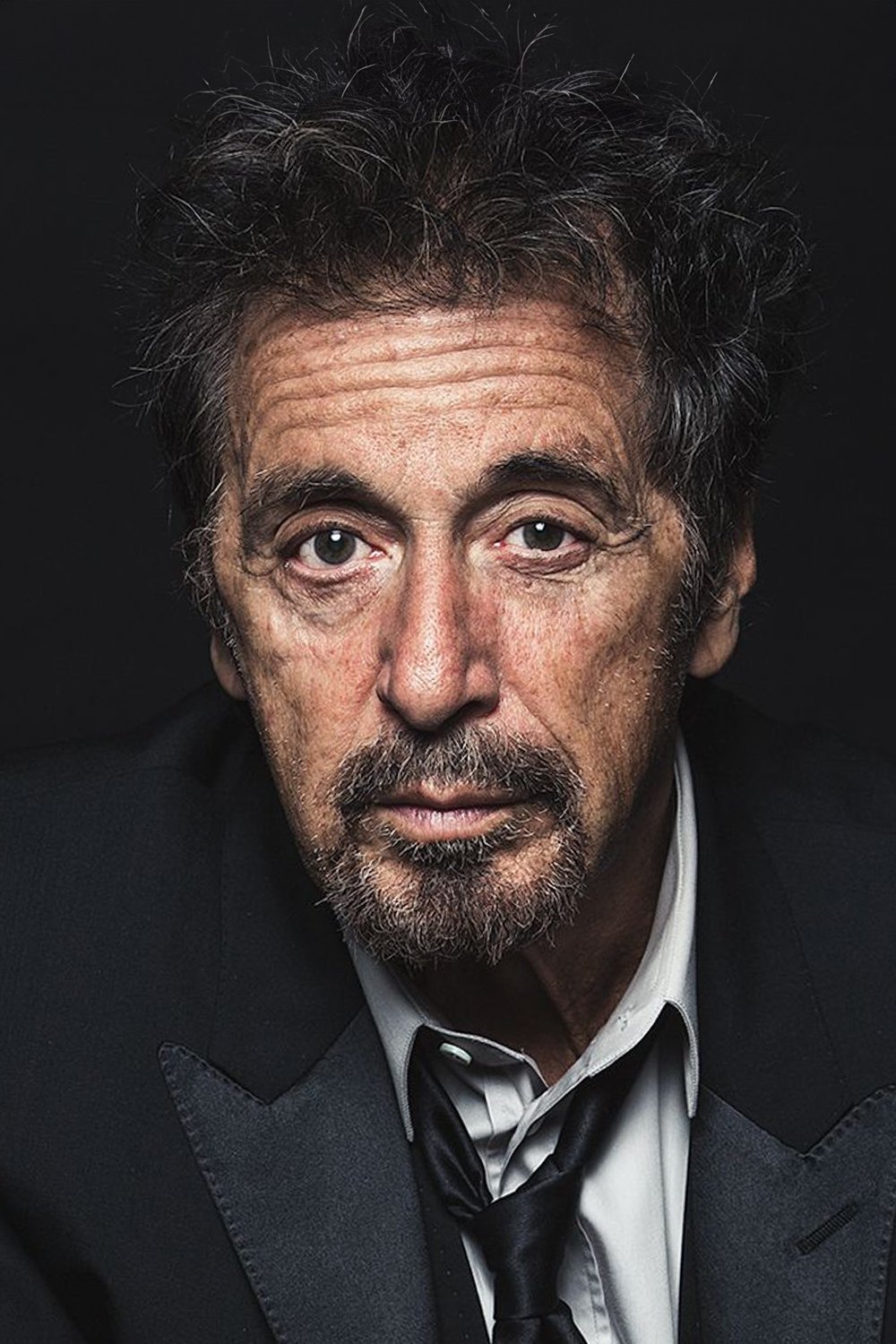
Robert De Niro plays Frank Sheeran with a reserve that can initially look like a shortage of things to express. Look longer and the performance becomes troubling: Frank’s apparent dependability gives us little confidence that he has considered what being dependable requires. Al Pacino gives Jimmy Hoffa the expansive energy the film needs, pushing against all that guarded conversation. He is entertaining company, but the force of the performance also makes compromise seem difficult.
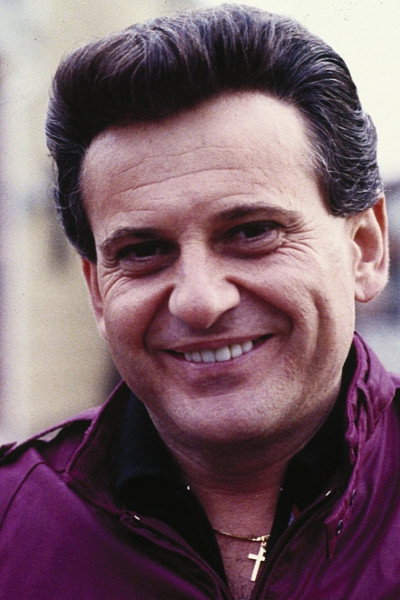
Joe Pesci is the reason to keep watching even when the surrounding business becomes dense. His Russell Bufalino speaks quietly, and the lack of visible effort makes the authority more convincing. We were unsettled by that quietness, because he makes it difficult to imagine a safe way of disagreeing with him. Steven Zaillian’s screenplay gives friendship and loyalty enough attention to make us wary of both words; the actors make us hear the obligations attached to them.
Rodrigo Prieto gives the tracking shots an unhurried movement that suits men accustomed to being listened to. We have time to watch a performance rather than simply register an entrance. Bob Shaw’s production design supplies convincing period surroundings, and sensibly allows the faces to remain the attraction. Robbie Robertson’s music supports the sombre mood without encouraging us to find these people grand or admirable.
Thelma Schoonmaker’s editing deserves much of the credit for keeping the conversations alive across such a length. The film can slow down without losing our attention, particularly when it gives the central actors time to respond to one another. Some digressions are harder to defend, and the procedural material occasionally makes us impatient to return to the relationships. At those points, the running time begins to feel like an indulgence.
The digital de-ageing is the more persistent distraction. Its unevenness encourages us to inspect faces when we should be attending to what they express, an awkward cost in a film so dependent on withheld reactions. The performances survive it, although the effort to make age disappear can seem unnecessary when age is so much of the film’s subject. We would rather spend those moments concentrating on the actors, whose smallest changes of expression reward attention.
The gangster film often rewards patience with another burst of excitement, and this one’s quieter pace asks for a different kind of attention. Martin Scorsese is interested in the limitations of men who know how to conduct business and struggle to examine themselves. The humour and the pleasure of the acting make that difficult company worth keeping. Give it an uninterrupted evening, provided the prospect of long conversations between dangerous men sounds more promising than another shoot-out.