Film review

A Prophet

2009 · Directed by Jacques Audiard · 2h 35m · MPA R

In a sentenceWe would be more reassured if this prison were worse at teaching crime

CrimeDrama

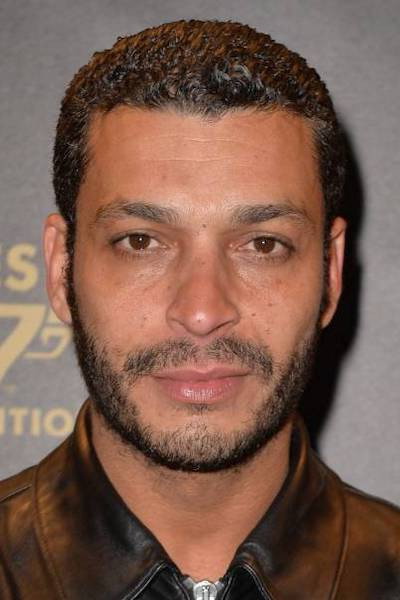
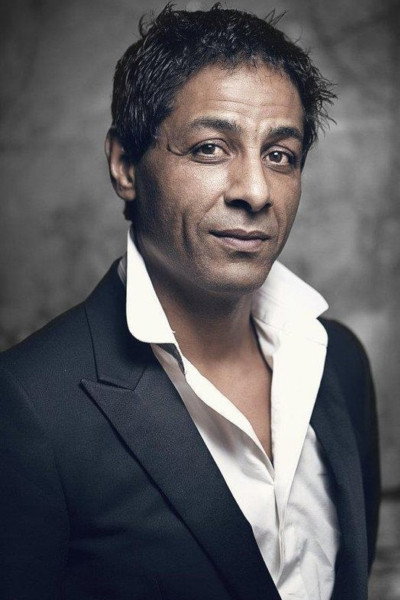
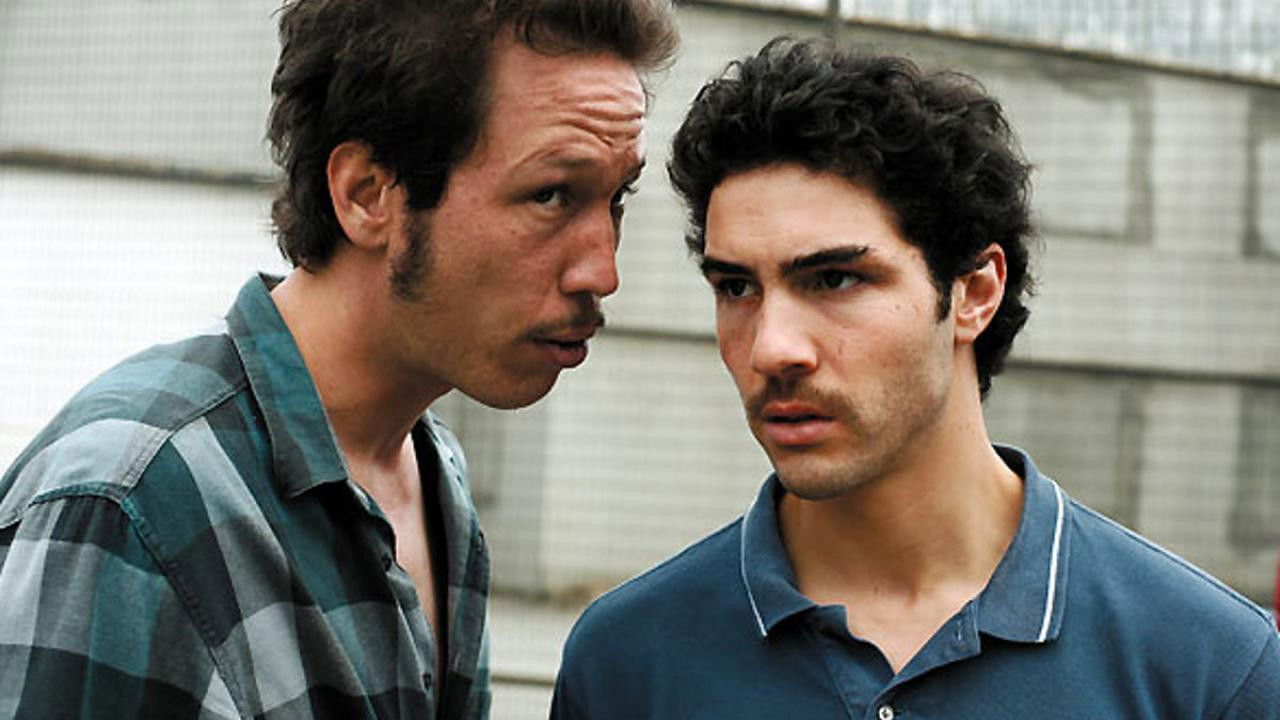
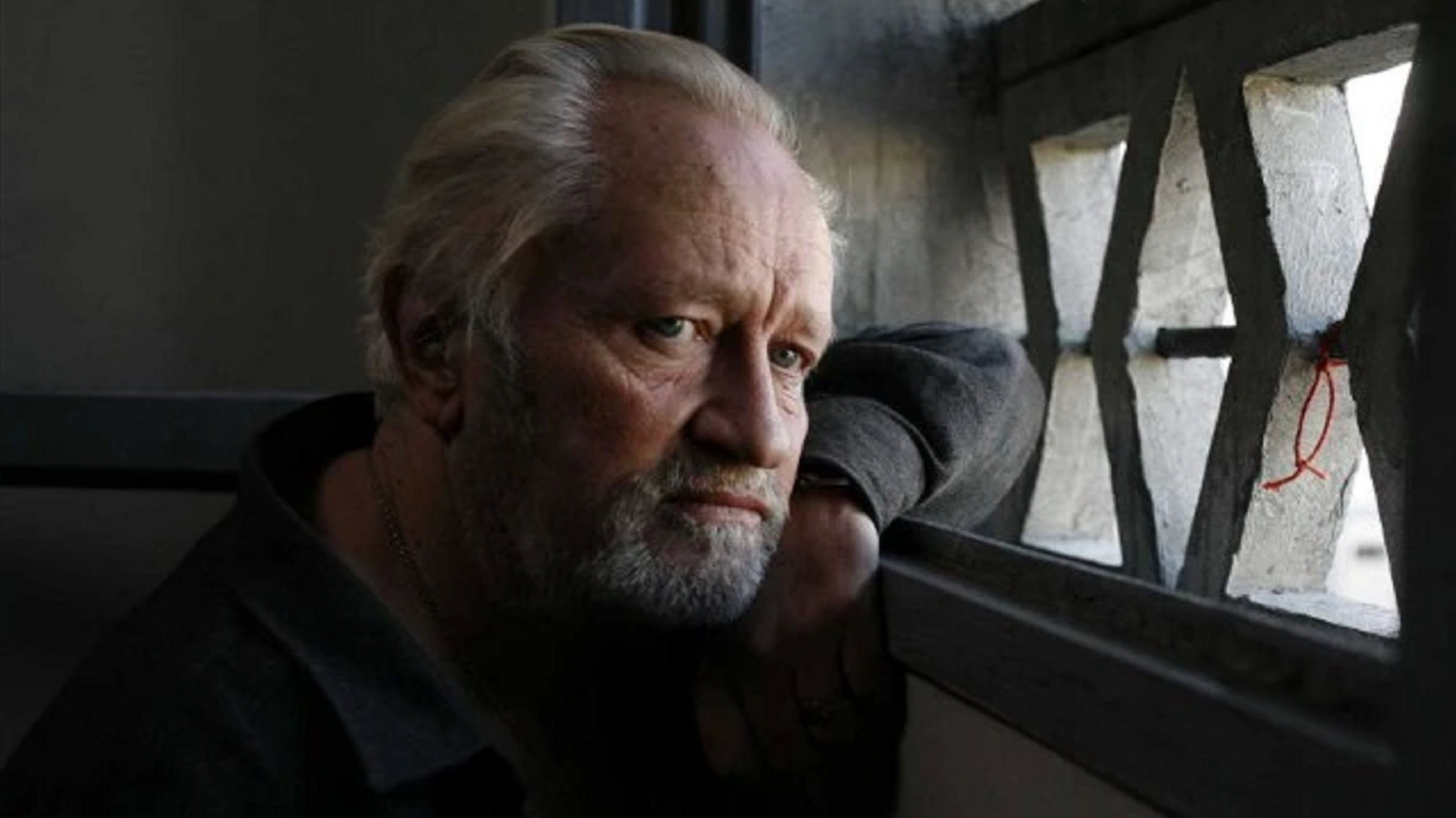
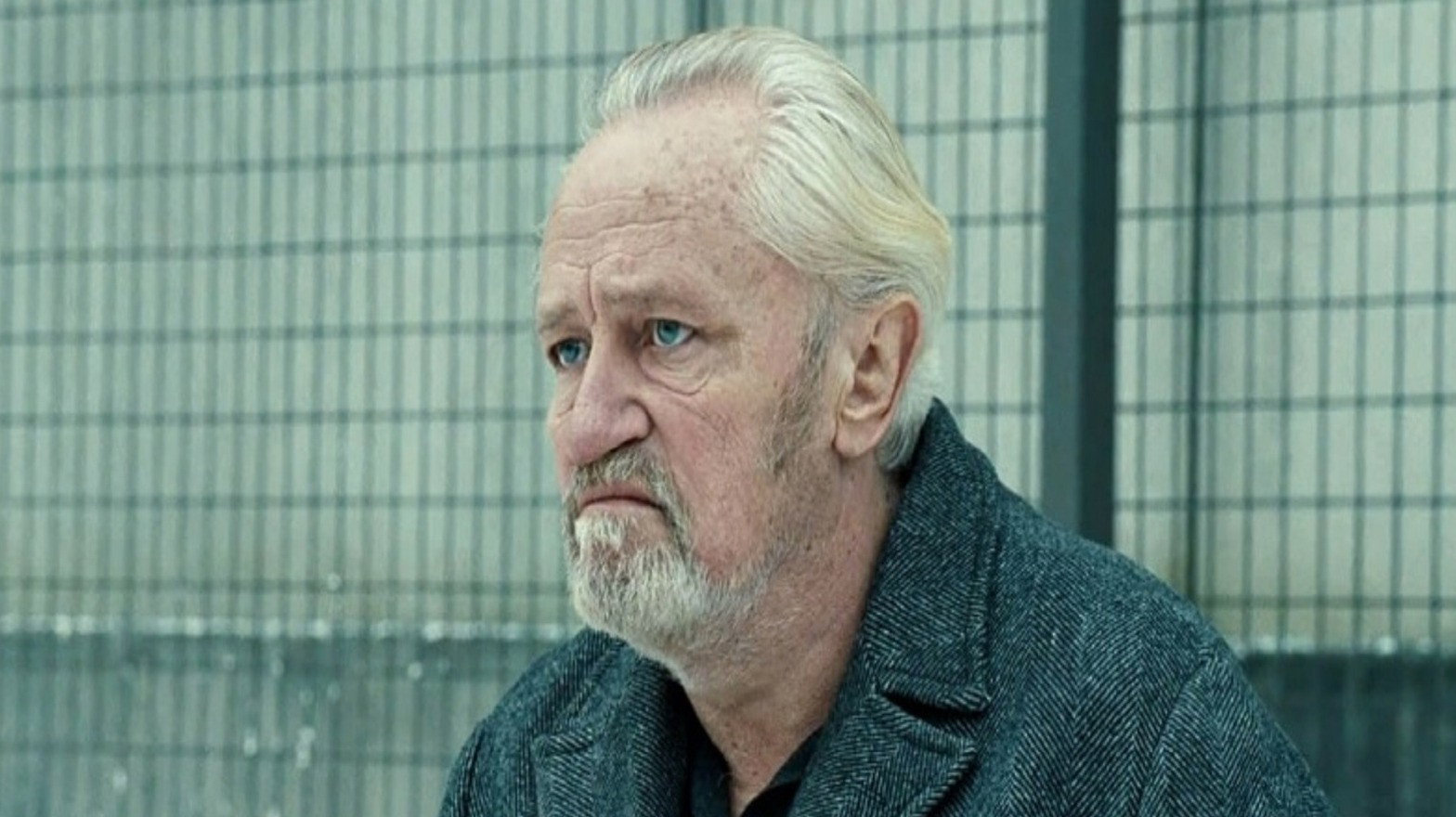
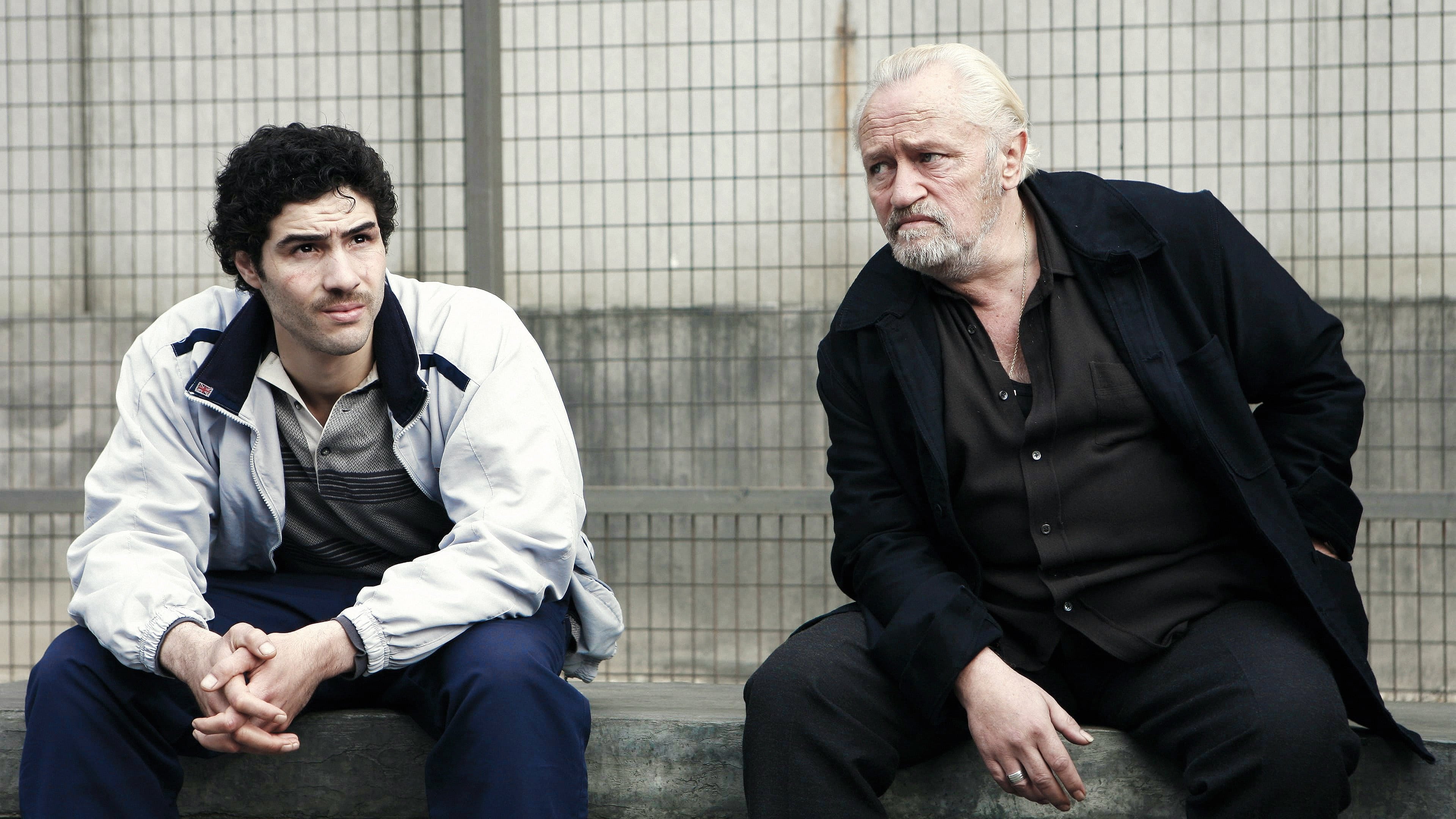
Young French-Arab inmate Malik El Djebena (Tahar Rahim) enters a prison governed by rival gangs and shifting allegiances. As an outsider, he has to work out who holds power and what survival requires of him. Violence and calculation shape an education in organised crime, with each alliance carrying risks. Jacques Audiard directs this crime drama, whose cast includes Niels Arestrup as César Luciani, Adel Bencherif as Ryad and Hichem Yacoubi as Reyeb. The story stays close to Malik as he learns the rules of an institution with a criminal hierarchy of its own.

Plays from YouTube when you press play; nothing loads from them until then.

Fi1m review

Jacques Audiard’s prison drama is gripping, brutal and unusually attentive to how power works. Tahar Rahim makes Malik’s education convincing, even when the plotting becomes a little too tidy.

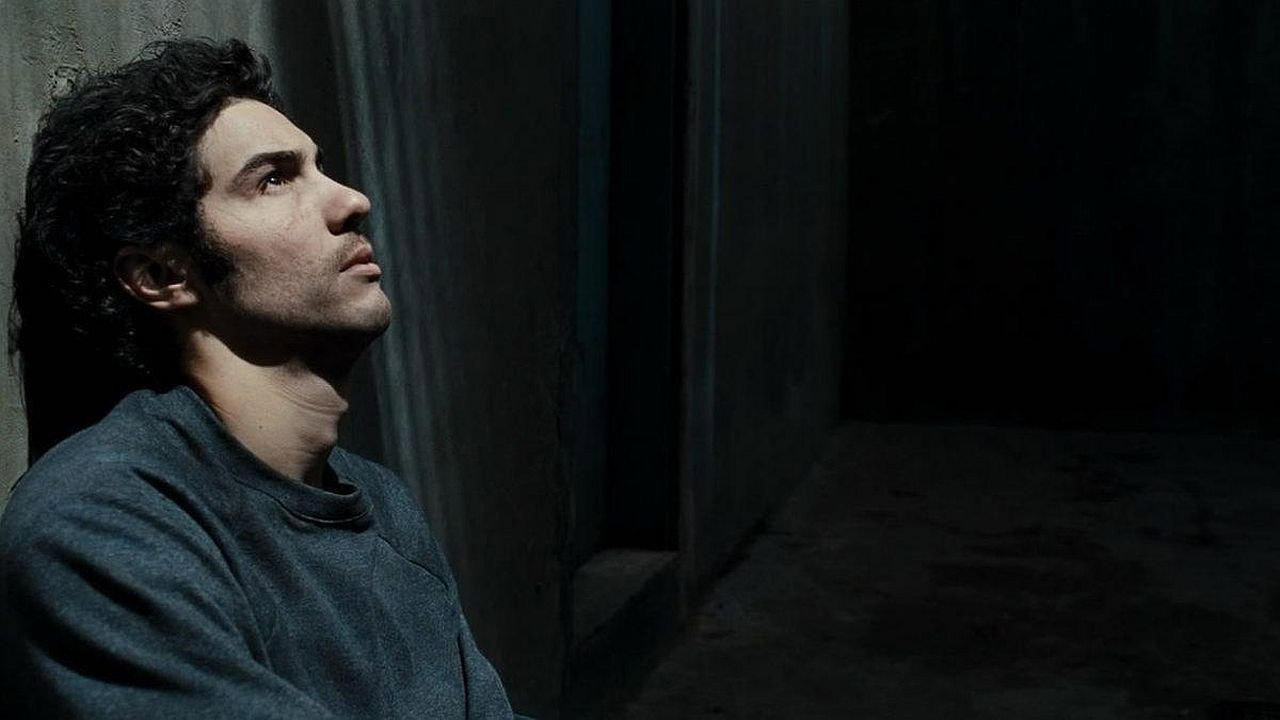
Jacques Audiard’s A Prophet is a gripping prison drama that earns most of its 155 minutes. The young French-Arab inmate Malik El Djebena, played by Tahar Rahim, arrives as an outsider in a hierarchy he has to learn quickly. Audiard takes his education in organised crime seriously, giving the business of alliances as much attention as the violence. We understand the attraction of becoming competent at something when incompetence is dangerous. The film makes that an uncomfortable feeling to have about a criminal’s progress.

Rahim is the chief reason it works. He makes Malik’s growing resourcefulness believable without asking us to mistake survival for innocence. The cunning feels acquired under pressure, and there is enough vulnerability in the performance to keep us aware of what makes that pressure effective. We become interested in how Malik reads the people around him, which helps us follow the shifting allegiances. Niels Arestrup is forceful as César Luciani, but Rahim remains the person we watch most closely.

Stéphane Fontaine’s cinematography gives the confinement an unpleasant immediacy, while Michel Barthélémy’s production design makes the prison convincing as a place where people have to live. The physical surroundings matter because this is a story about who can control them. We were horrified by the close-quarters violence: there is too little room for the distance that usually makes screen brutality bearable. Audiard makes us feel the difficulty and terror of it. The attention to prison life keeps that violence from becoming an occasional attraction between stretches of plot.

Juliette Welfling’s editing is crucial to keeping the complicated allegiances legible. We have to follow Malik’s changing understanding of the prison as well as the people within it, and the film rarely lets that work become homework. Its patience is useful. The accumulation of institutional detail gives the criminal politics weight, so a change in someone’s position can hold our attention without another violent encounter. For a long crime film, it has a firm sense of what deserves our time.

The screenplay, by Audiard and Thomas Bidegain, is less persuasive when the workings of the plot become too easy to recognise. Some developments feel arranged to demonstrate Malik’s progress, and we begin to anticipate what a passage is doing before it has finished. That is a limited complaint, but it matters in a film otherwise so alert to awkward particulars. Rahim keeps the progression credible. We would have welcomed a little more of the messiness that makes the prison itself convincing.

The poetic passages are also uneven. Their presence makes sense: relentless realism can become a habit as limiting as any other, and Audiard wants access to more than the practical facts of Malik’s situation. Alexandre Desplat’s score contributes to their heightened mood, which we find less compelling than the tension generated by the actors. The film is already rich in feeling. It does not always need the extra emphasis.

Those reservations do not diminish the hold of the central performance or the care taken over this criminal education. Prison dramas often depend on our wanting someone to get out; here we are kept busy worrying about what Malik is learning inside. The familiar gangster story remains recognisable, but Audiard gives the daily negotiation of power enough detail to make it worth following again. See it for Rahim, and be prepared for violence that gives us no comfortable place to watch from.

Critical consensus AI synthesised

83
Positive
13
Mixed
1
Negative
0

Most critics respond warmly to A Prophet, praising its tense prison setting, detailed account of criminal power and Tahar Rahim’s performance. The reviews repeatedly single out his convincing portrayal of a young inmate learning to survive through observation, alliances and violence. Audiard’s direction also draws broad approval for making the routines and hierarchies of prison life absorbing, while allowing the crime story to carry a wider examination of French society without losing its pace.

The reservations concern how securely its realism sits alongside its more poetic passages, and how much invention the familiar gangster framework permits. Variety finds some plotting mechanical, while The Hollywood Reporter notes tonal clashes and excessive length. The clearest dissent comes from /Film, which admires the craft and Rahim but finds the story formulaic and its depth overstated; most critics regard the institutional detail and personal transformation as enough to distinguish it.

Little White Lies
21 January 2010 · 3/5/5 · Dan Brightmore
100

The critic hails the film as a modern gangster classic that combines the epic scope of The Godfather with raw brutality, immersing viewers in a shifting prison hierarchy and feudal power system. Rahim's transformative performance as the underdog who rises through cunning and violence is singled out as breathtaking and convincing.

Read the full review →
The AV Club
25 February 2010 · A- · Noel Murray
90

Distinguishes itself through meticulous attention to the mechanics of prison life and the protagonist's coming-of-age as a criminal. A well-told, absorbing pulp story that is exciting and poetic, comparable to a Gallic Goodfellas.

Read the full review →
The Guardian
21 January 2010 · Peter Bradshaw
90*

The critic finds it a blisteringly powerful and gripping prison-gangster picture that establishes itself as a modern classic from the opening frames. He singles out the confident, intentional direction and the lead performance by newcomer Tahar Rahim as particularly compelling.

Read the full review →
Film Comment
1 January 2010 · Amy Taubin
85*

The review praises the film's gripping organized-crime thriller elements and Tahar Rahim's standout performance as the resourceful antihero Malik. It highlights Audiard's distinctive blend of lyricism, violence, and detailed institutional depiction.

Read the full review →
IndieWire
25 February 2010 · robbiefreeling
80*

Examines Malik's rise in the prison underworld as a stranger navigating alliances and power. Highlights Audiard's focus on the protagonist's personal transformation and the film's blend of realism and style.

Read the full review →
Screen Daily
21 May 2009 · festival review
80*

The critic praises Audiard's unimpeachable command in extending his range with this violent, gripping prison drama that succeeds as both hard-edged social realism and compelling genre entertainment. The detailed depiction of prison life, organized crime politics and the young inmate's rise through the ranks is highlighted as immensely detailed and cynically matter-of-fact.

Read the full review →

Cast

Stills

Awards

Goya Award for Best European Film, 2011

Nominated
Goya Award for Best European Film

International Cinephile Society Award for Best Director, 2011

Won
International Cinephile Society Award for Best Director

International Cinephile Society Award for Best Film, 2011

Won
International Cinephile Society Award for Best Film

International Cinephile Society Award for Best Supporting Actor, 2011

Won
International Cinephile Society Award for Best Supporting Actor

Polish Academy Award for Best European Film, 2011

Nominated
Polish Academy Award for Best European Film

Academy Awards, 2010

Nominated
Best International Feature Film

BAFTA Film Awards, 2010

Won
Best Film Not in the English Language

BIFA for Best Foreign Independent Film, 2010

Won
BIFA for Best Foreign Independent Film

César Award for Best Actor, 2010

Won
César Award for Best Actor

César Award for Best Cinematography, 2010

Won
César Award for Best Cinematography

César Award for Best Costume Design, 2010

Nominated
César Award for Best Costume Design

César Award for Best Director, 2010

Won
César Award for Best Director

César Award for Best Editing, 2010

Won
César Award for Best Editing

César Award for Best Film, 2010

Won
César Award for Best Film

César Award for Best Male Revelation, 2010

Won
César Award for Best Male Revelation

César Award for Best Music Written for a Film, 2010

Nominated
César Award for Best Music Written for a Film

César Award for Best Original Screenplay, 2010

Won
César Award for Best Original Screenplay

César Award for Best Production Design, 2010

Won
César Award for Best Production Design

César Award for Best Sound, 2010

Nominated
César Award for Best Sound

César Award for Best Supporting Actor, 2010

Won
César Award for Best Supporting Actor

David di Donatello for Best European Film, 2010

Nominated
David di Donatello for Best European Film

Independent Spirit Awards, 2010

Nominated
Best Foreign Film

International Submission to the Academy Awards, 2010

Nominated
International Submission to the Academy Awards

National Society of Film Critics Award for Best Foreign Language Film, 2010

Nominated
National Society of Film Critics Award for Best Foreign Language Film

Cannes Film Festival, 2009

Won
Cannes Film Festival Grand Prix

European Film Academy Prix d'Excellence, 2009

Won
European Film Academy Prix d'Excellence

European Film Award for Best Actor, 2009

Won
European Film Award for Best Actor

European Film Award for Best Cinematographer, 2009

Nominated
European Film Award for Best Cinematographer

European Film Award for Best Director, 2009

Nominated
European Film Award for Best Director

European Film Award for Best Film, 2009

Nominated
European Film Award for Best Film

European Film Award for Best Screenwriter, 2009

Nominated
European Film Award for Best Screenwriter

Golden Globes, 2009

Nominated
Best Non-English Language Film

Louis Delluc Prize, 2009

Won
Louis Delluc Prize

National Board of Review Award for Best Foreign Language Film, 2009

Won
National Board of Review Award for Best Foreign Language Film

If you liked this, try…

Le Trou poster

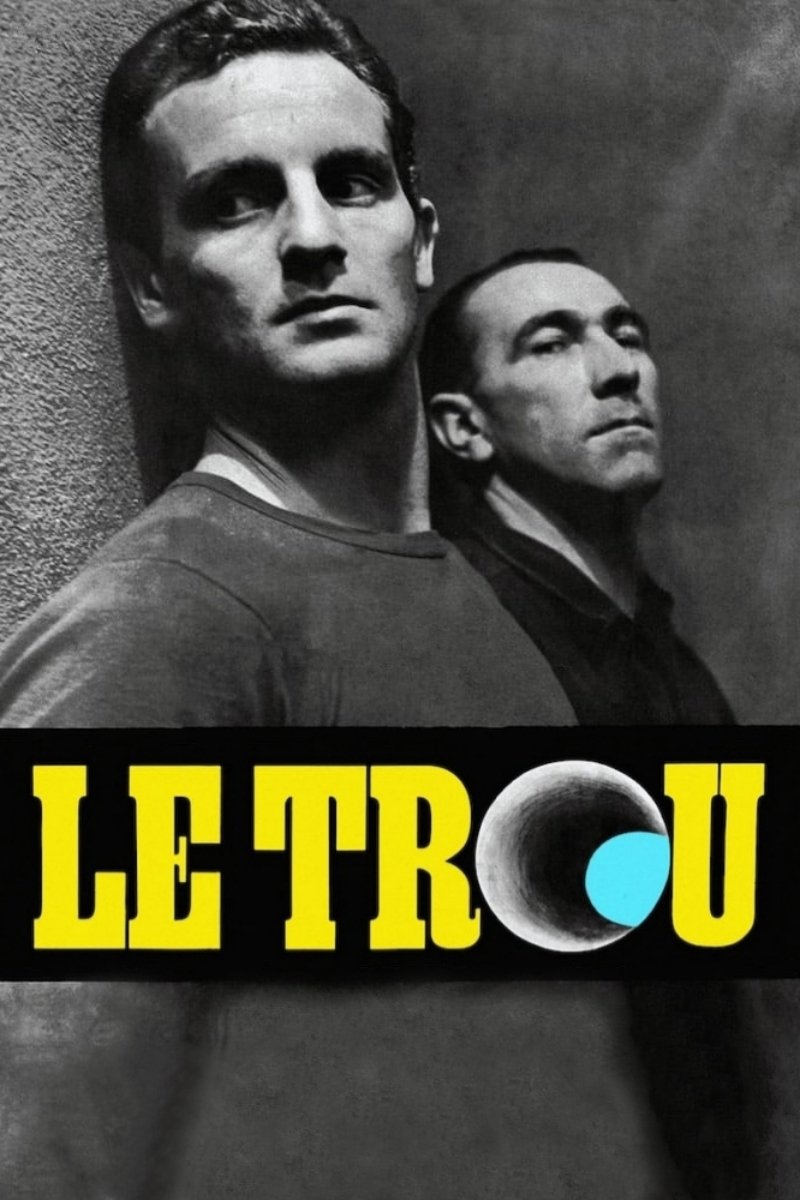
Le Trou

1960 · For prison suspense built from patient observation and the practicalities of escape

Pixote poster

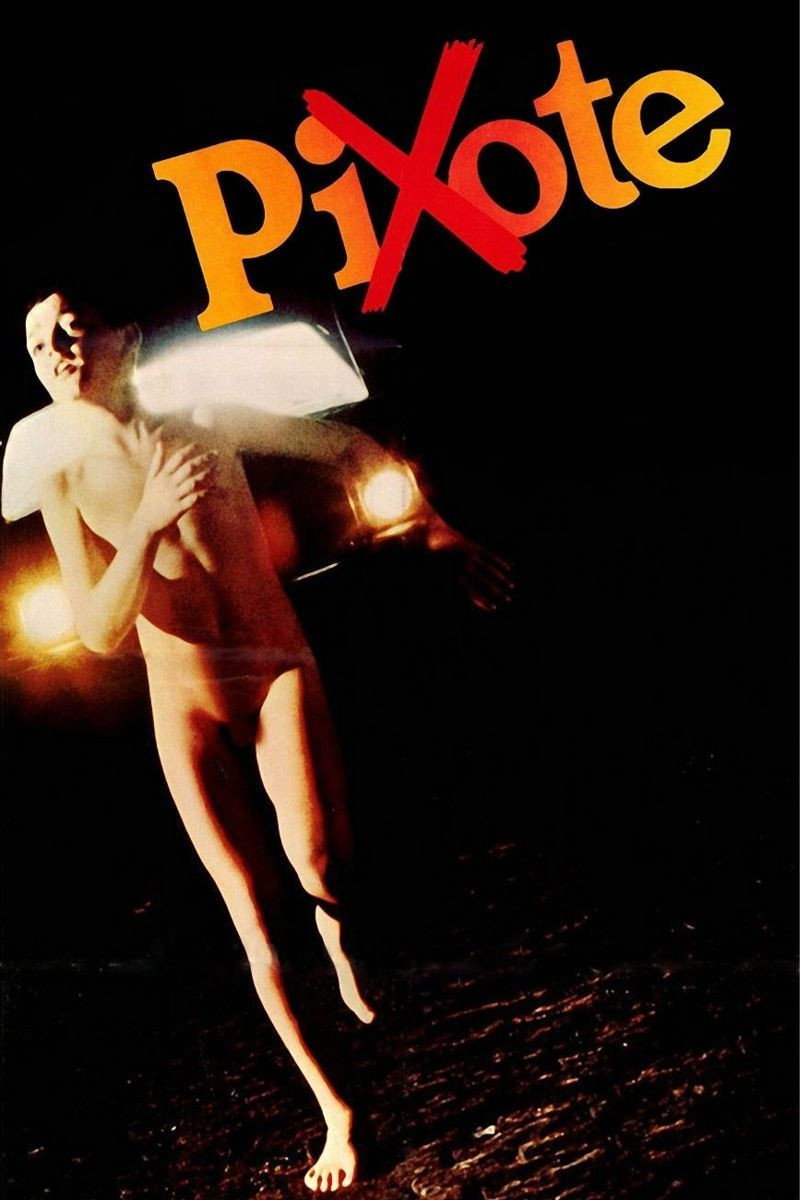
Pixote

1980 · Another harsh account of a young person’s education in crime and survival

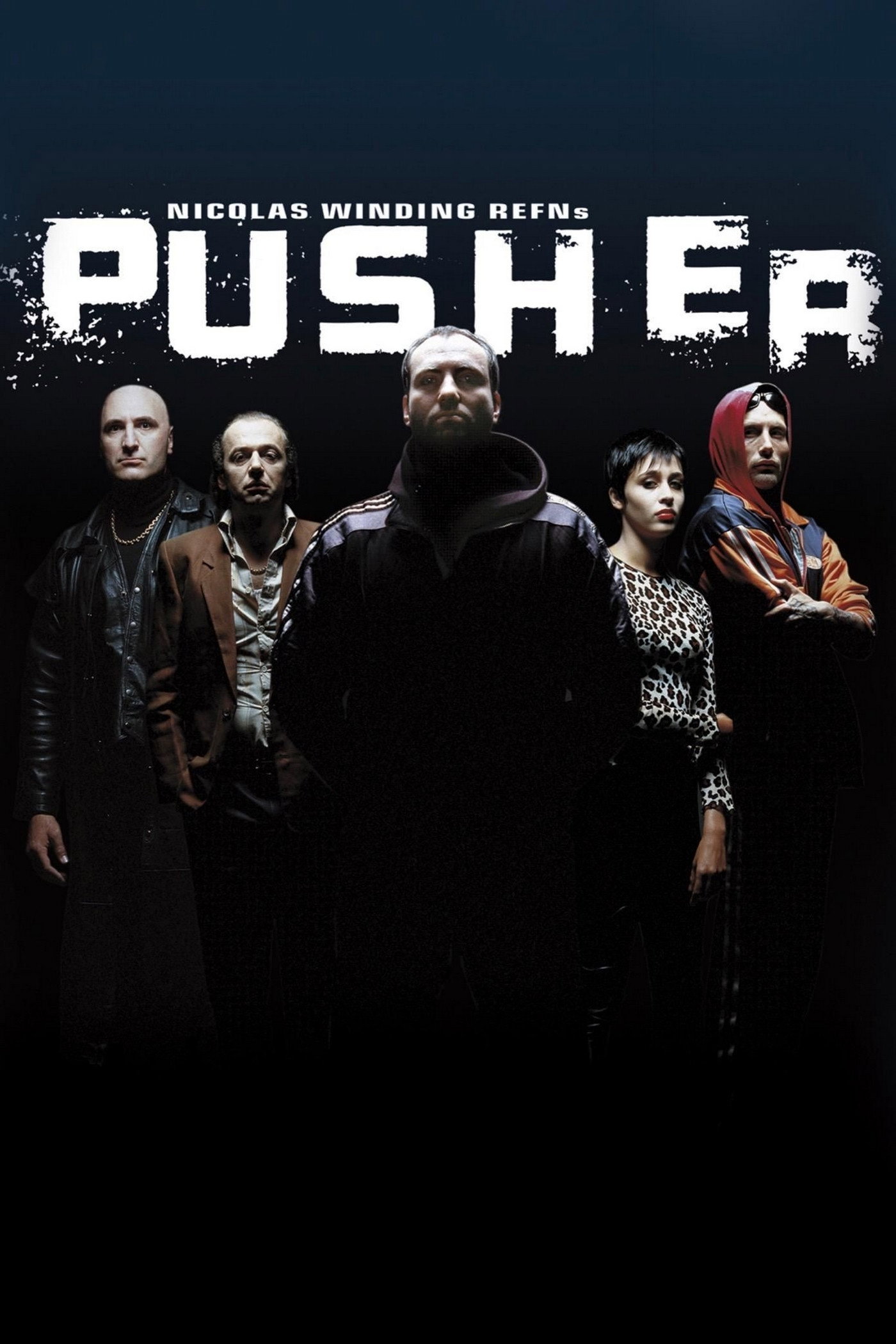
Pusher poster

Pusher

1996 · For close attention to criminal work, mounting debts and narrowing options

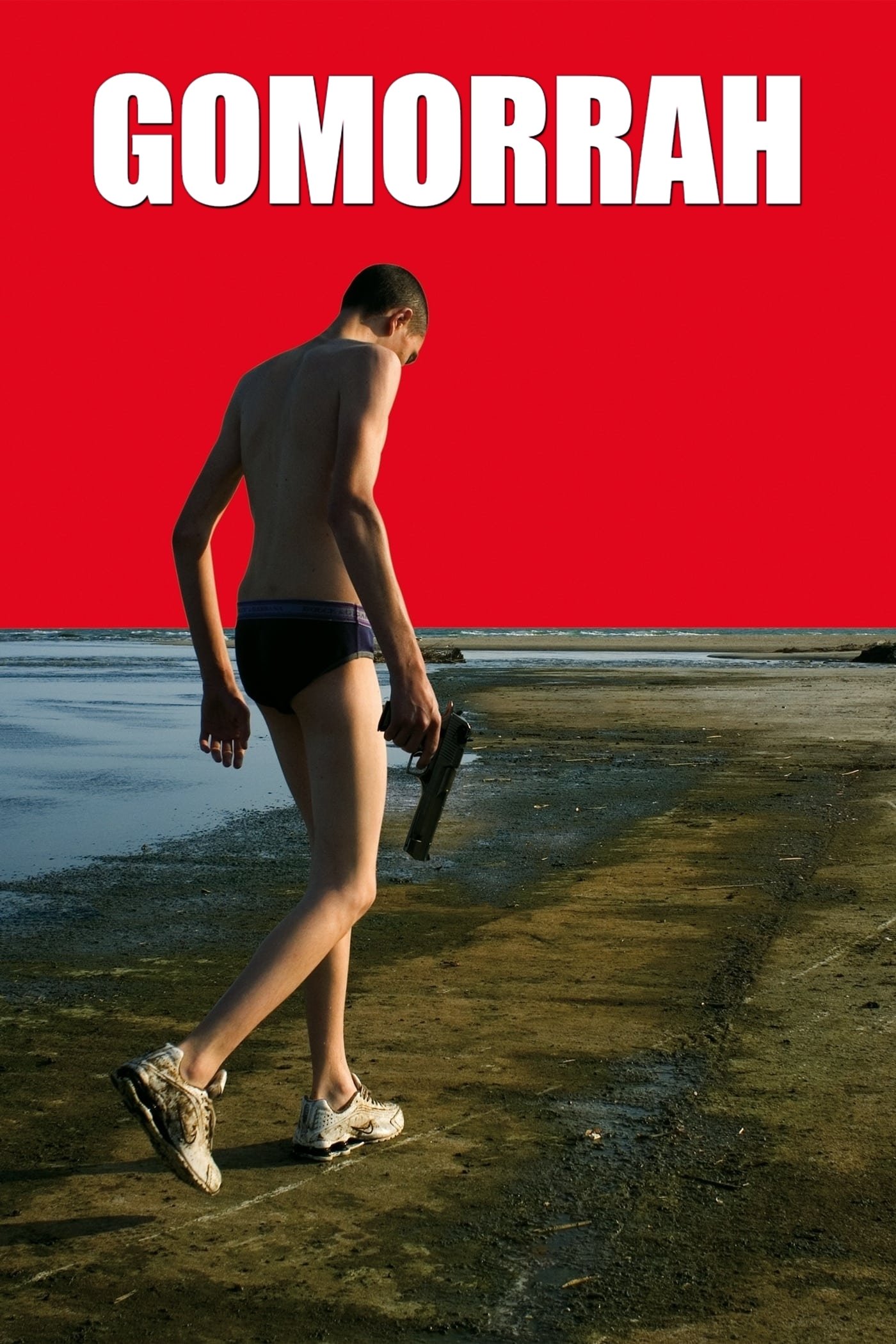
Gomorrah poster84

Gomorrah

2008 · For organised crime shown through daily routines, local loyalties and limited choices

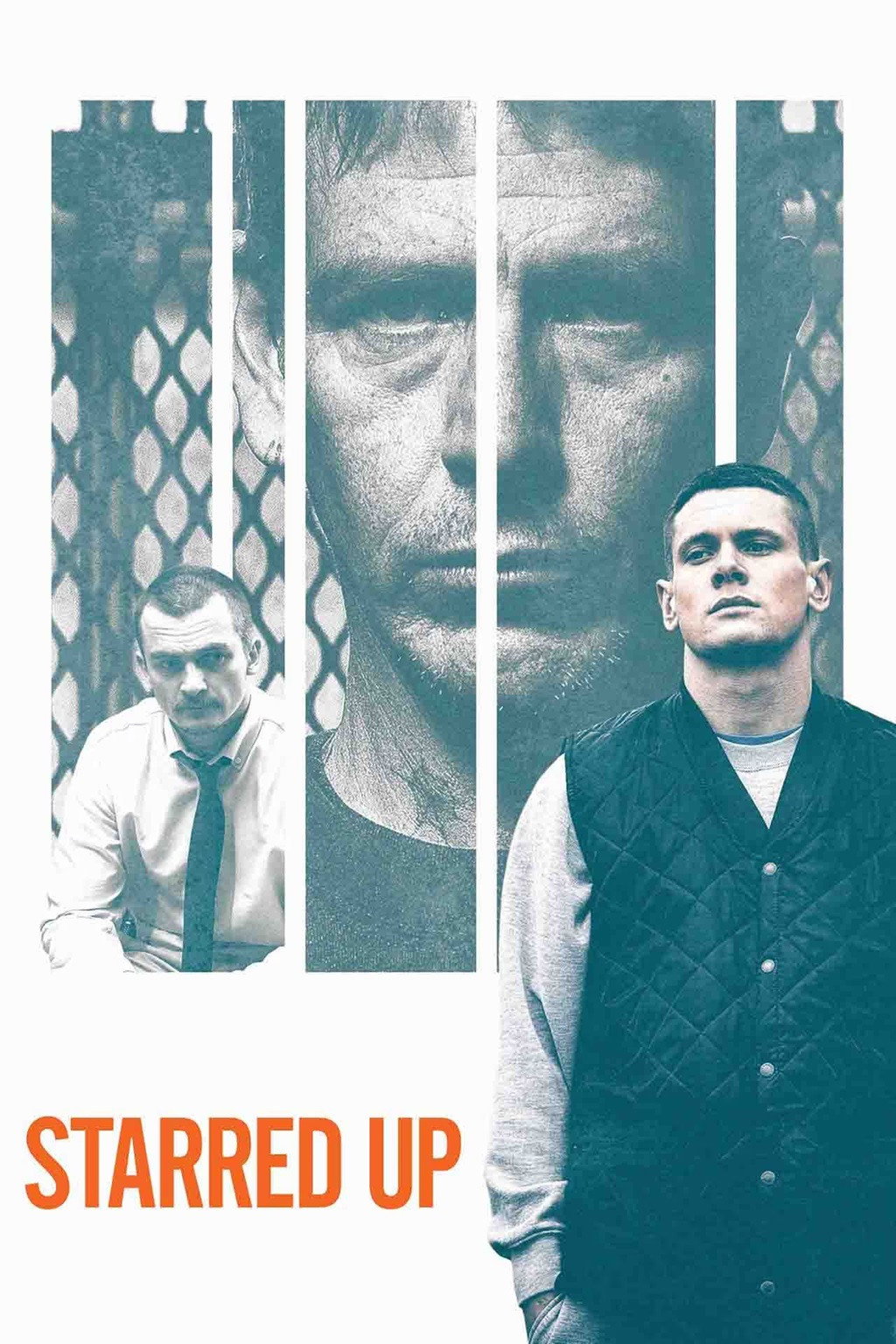
Starred Up poster

Starred Up

2013 · For a prison drama equally alert to violence, hierarchy and male vulnerability