A tense, humane prison drama that is well worth the discomfort. Jack O’Connell and Ben Mendelsohn keep its family story convincing, even when the plotting grows a little too helpful and the writing presses harder than it needs to.
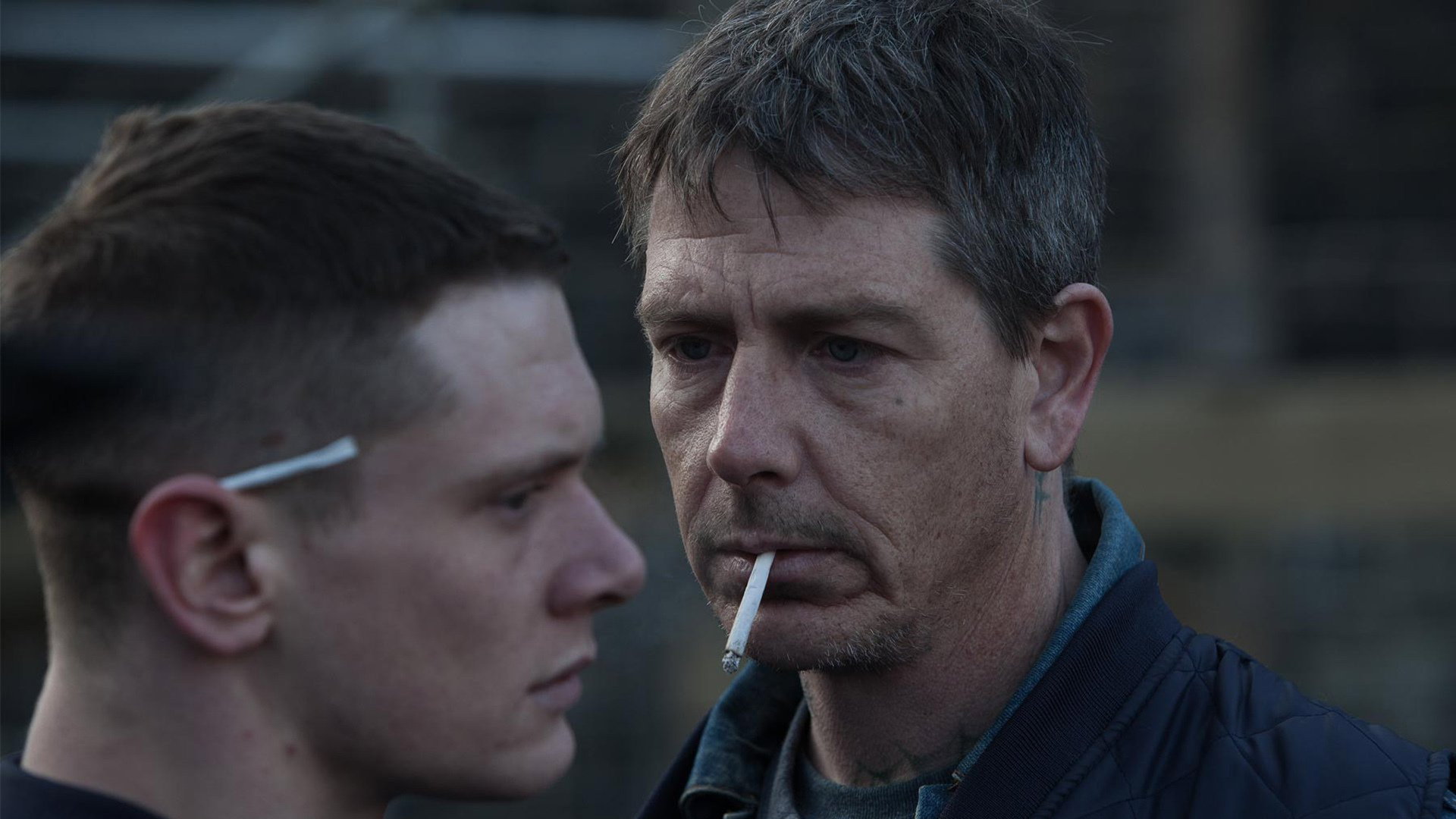
Starred Up is a frightening, compassionate prison drama, and we recommend it despite the familiar plotting that begins to crowd its people. Director David Mackenzie makes Eric Love’s violence difficult to watch without asking us to stop looking at the young man responsible for it. The presence of his father, Neville Love, means that a confrontation can carry years of resentment before either man has explained himself. That gives the film something more involving than the usual business of establishing who can hurt whom.
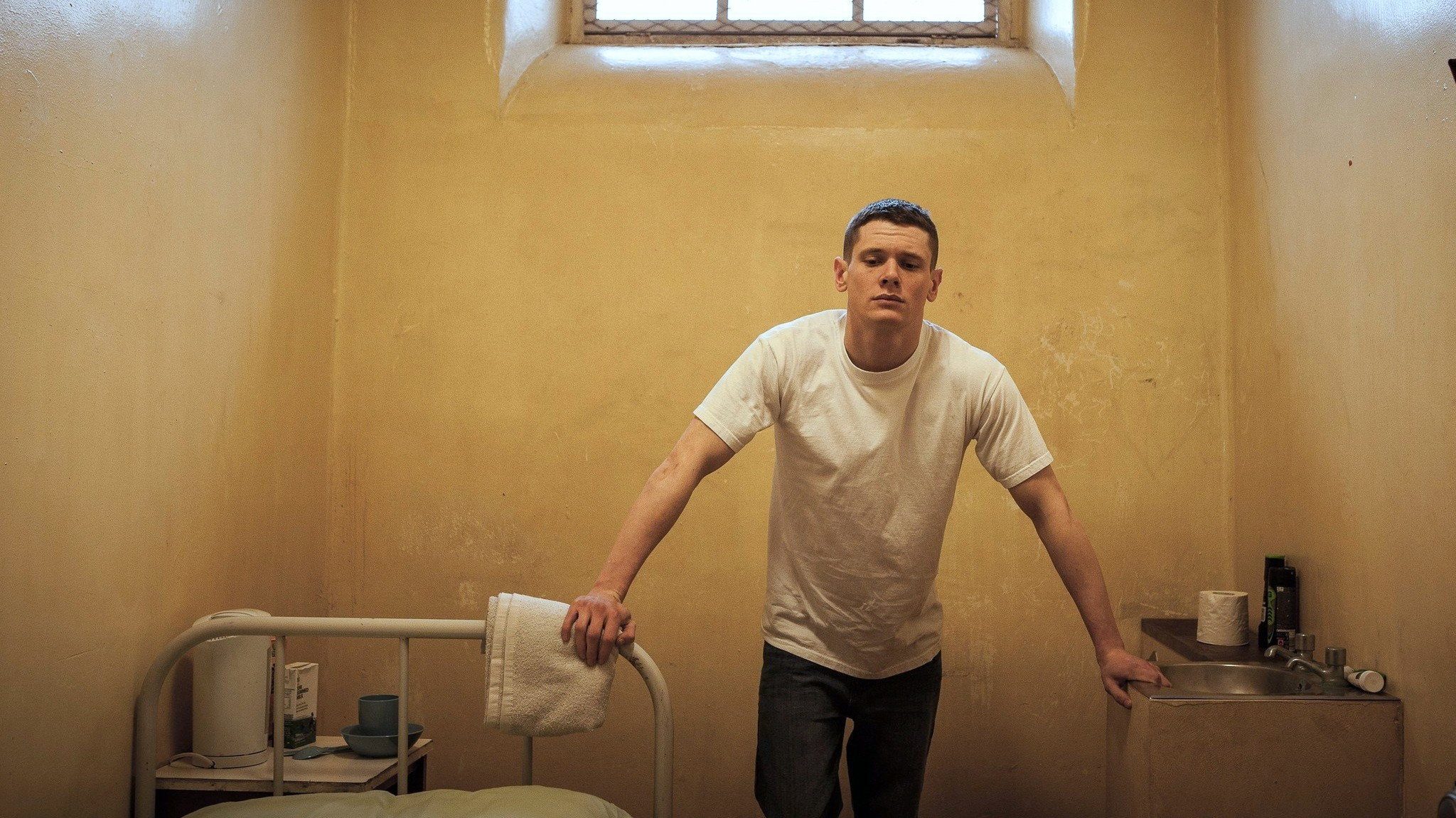
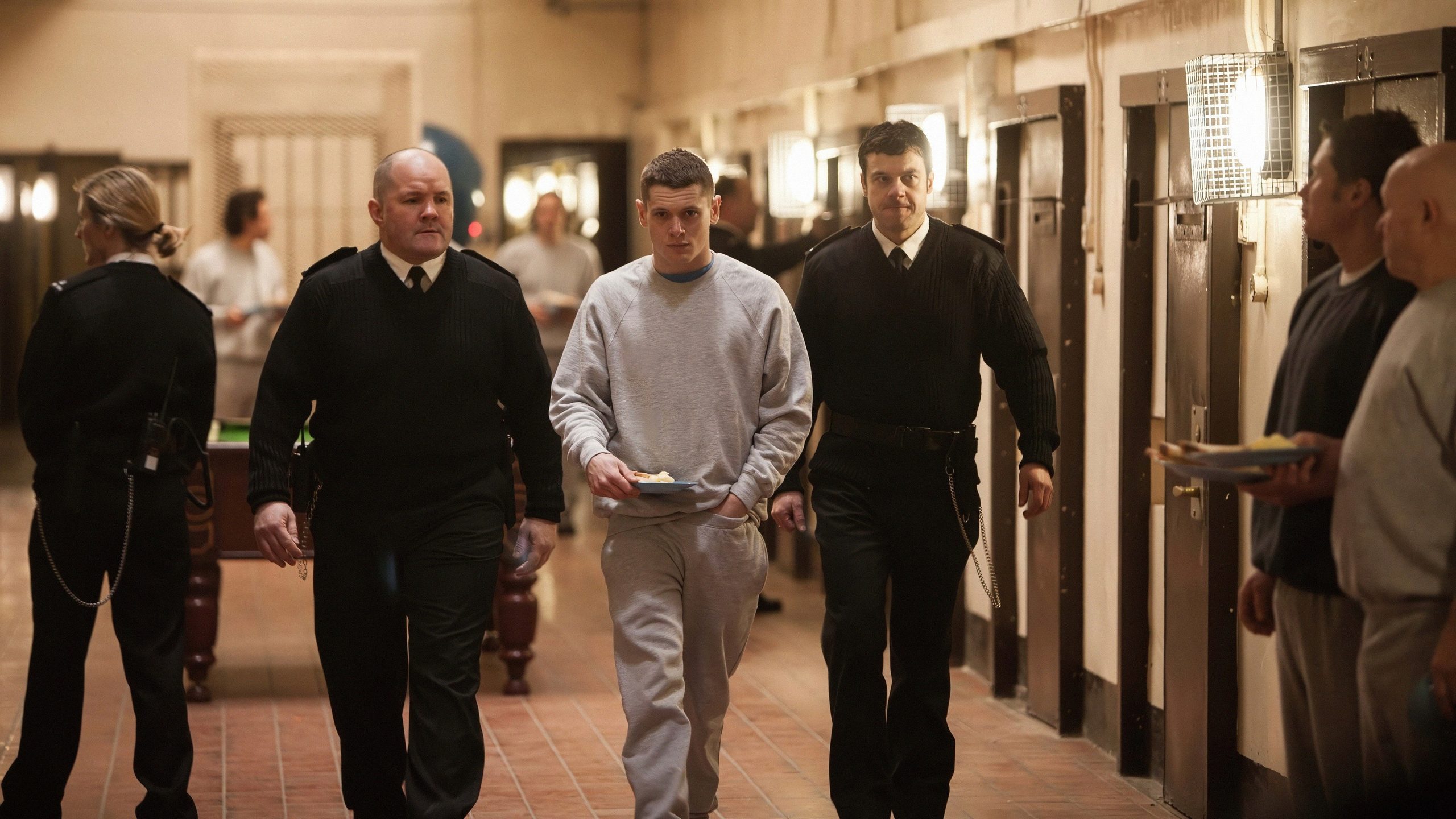
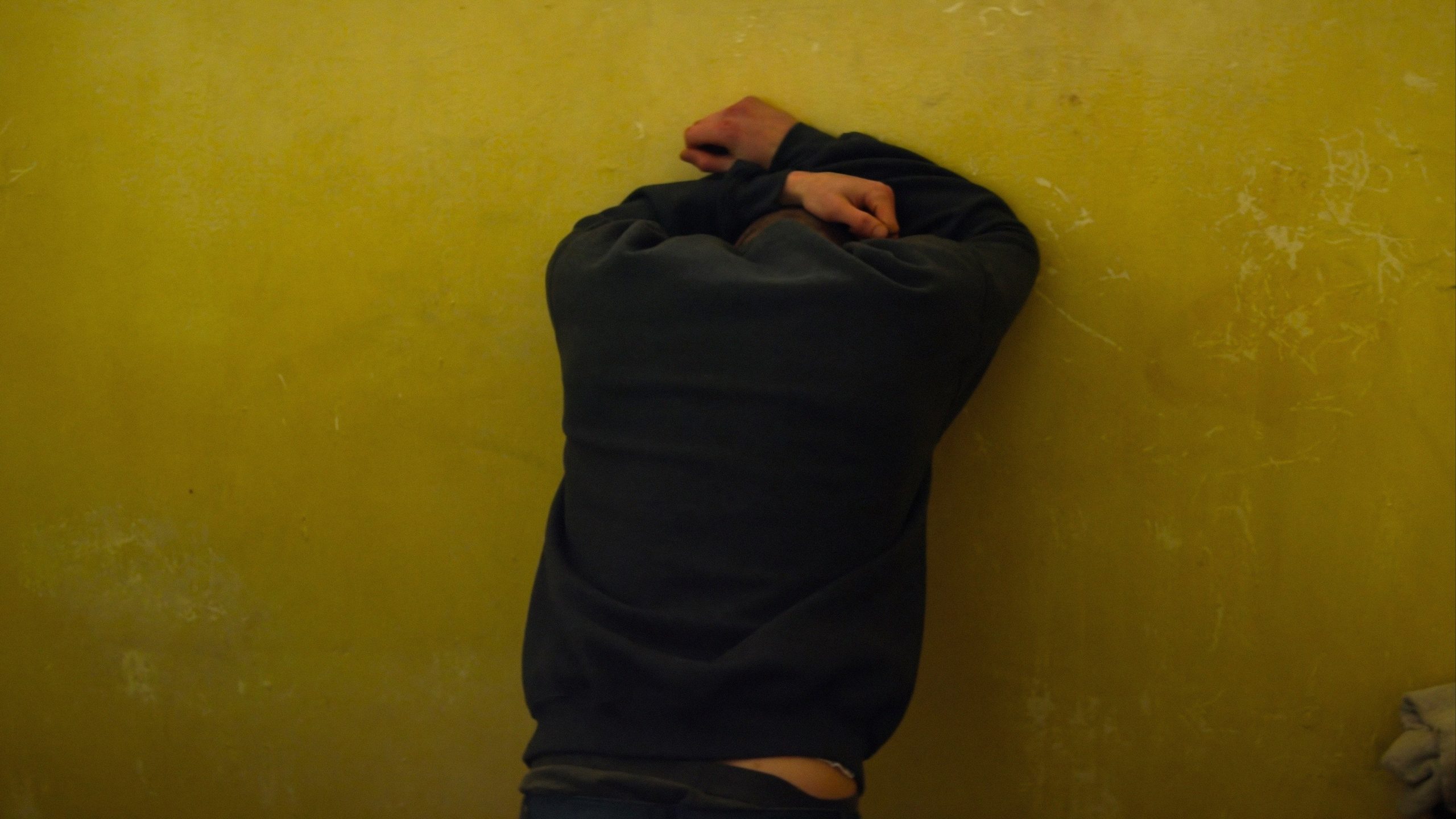
Jack O’Connell plays Eric as someone who has made being dangerous his most dependable defence. We were frightened by the speed with which he turns a confrontation into violence. What makes the performance so good is that the hurt remains visible without softening the threat: he can seem painfully young while making us fear for anyone near him. The film does not need to explain his whole history for us to understand how much effort goes into making himself unapproachable.
Ben Mendelsohn gives Neville a different, more practised sort of aggression. His attempts to act as a father keep getting mixed up with his need to control his son, and he makes that confusion unpleasantly credible. There is care here, but it comes with instructions Eric has little reason to welcome. Jonathan Asser’s screenplay is strongest when it lets these men talk at cross-purposes, with the father’s claim to authority made awkward by the fact that he is a fellow prisoner.
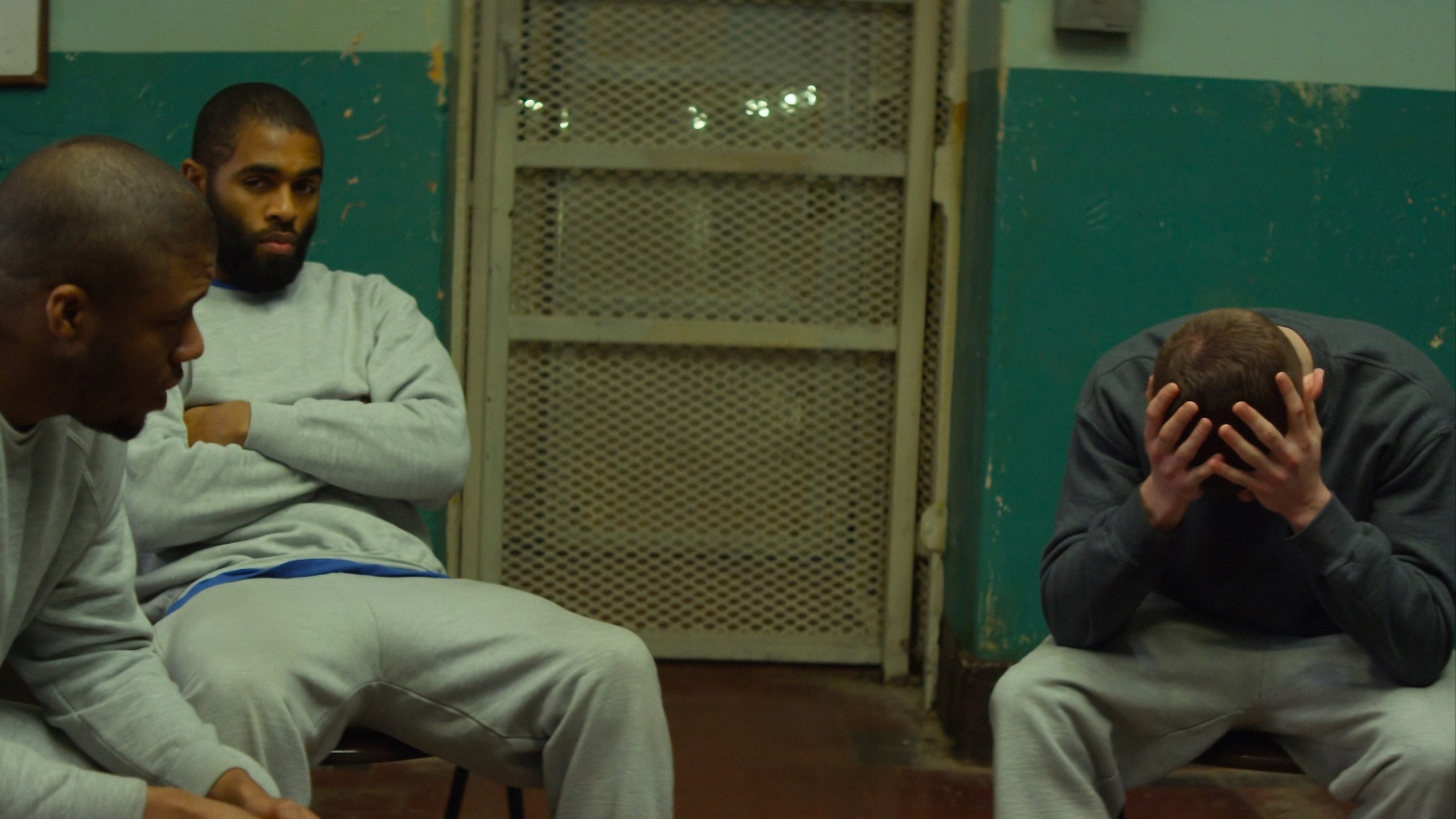
The anger-management sessions are the most absorbing passages because talking itself feels risky. Rupert Friend, as Oliver Baumer, has the difficult task of making an attempt to help credible in a film that has already given aggression such force. He avoids the reassuring manner that would turn the sessions into a break from the prison around them. Listening, answering and allowing another man to finish become difficult things to do, and David Mackenzie gives those difficulties the attention a prison thriller usually reserves for a fight.
Michael McDonough’s handheld photography keeps us close enough to the men to register a change in temper, while leaving the prison comprehensible as a place. Production designer Tom McCullagh gives it a convincing, functional plainness; nothing looks arranged to make the surroundings more picturesque. Editors Nick Emerson and Jake Roberts keep the confrontations legible and the movement between violence and conversation brisk without making the quieter material feel disposable. We can follow what is happening and still feel trapped among people whose next move is hard to predict.
The reservations concern the writing rather than the commitment of anyone performing it. Jonathan Asser sometimes makes the family drama too explicit, and the plotting becomes more convenient than these difficult people deserve. We begin to notice how firmly the story is being arranged to draw a response, after so much of it has depended on behaviour that feels unplanned. The dialogue can also be hard to catch, though smoothing out the prison slang would cost the film something we would miss.
We would not choose Starred Up for a restful evening, even with its taut 106-minute running time. Its interest in rehabilitation gives the violence a purpose beyond testing how much punishment we can sit through. Watch it when you can give the quieter exchanges as much attention as the fights.