Brie Larson gives this foster-home drama a convincing mixture of competence and hurt. We recommend it warmly for the performances and the humour, with a reservation about a script that sometimes arranges suffering too neatly.
Short Term 12 is a compassionate, often funny drama that we recommend despite some over-tidy plotting. Writer-director Destin Daniel Cretton follows Grace Howard, a young supervisor at a short-term foster care facility, as her own troubles increasingly affect her work. She is supposed to support the residents without becoming their friend. Cretton takes that professional boundary seriously, then considers how difficult it is to maintain when the carers are struggling too.
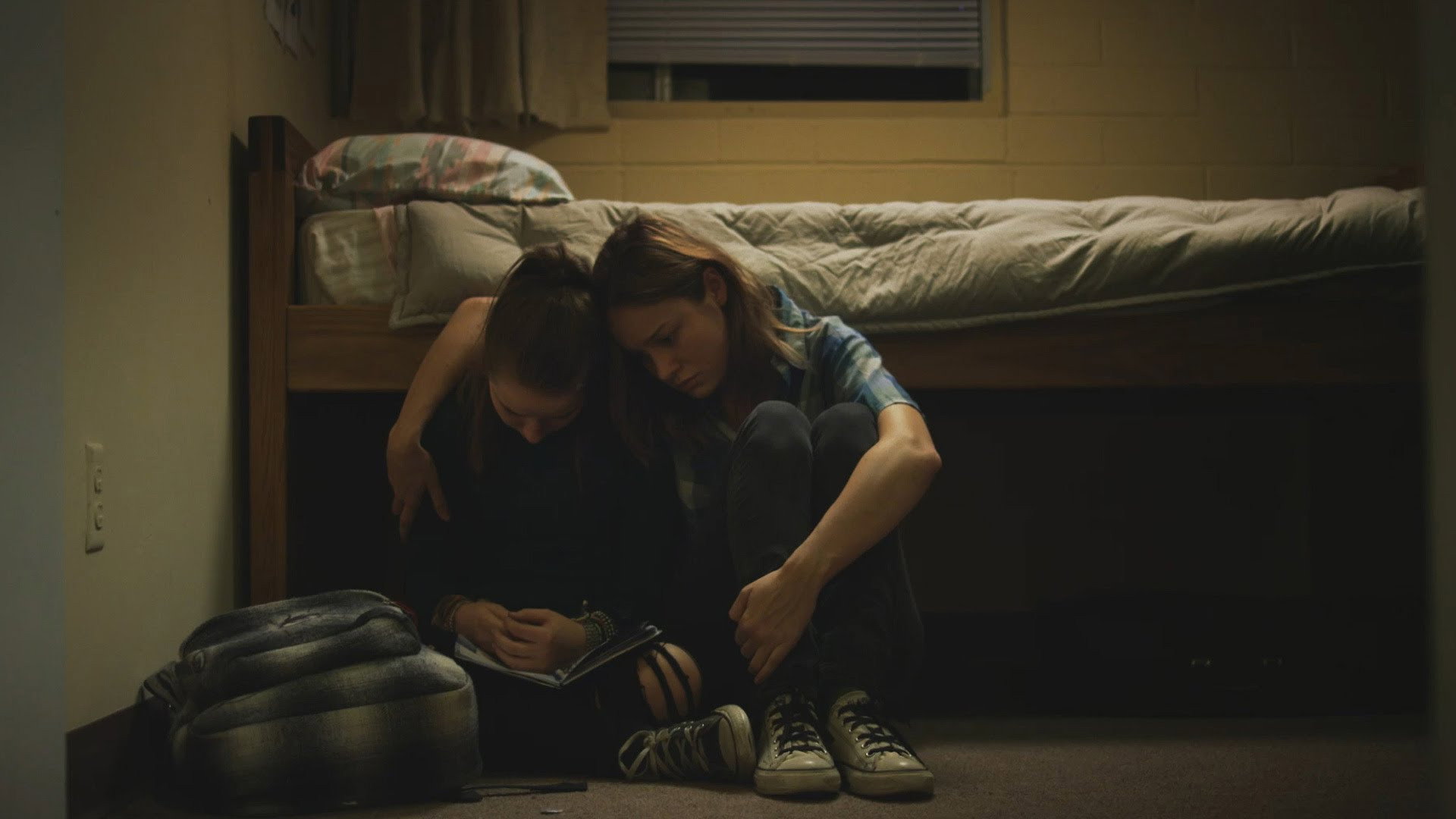
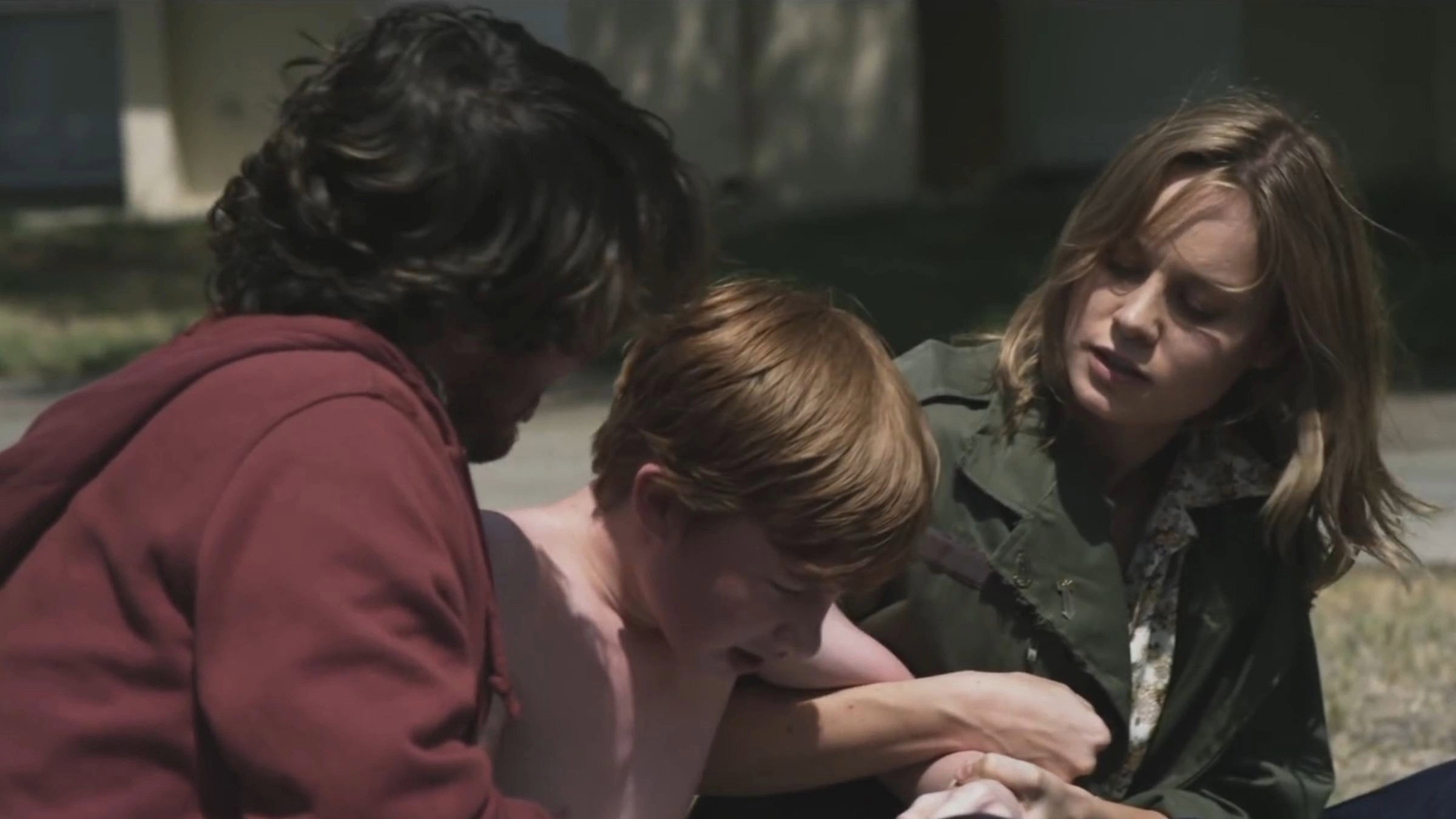
Brie Larson makes Grace’s competence convincing without pretending that competence means she is all right. Her performance holds the supervisor and the troubled young woman together, so we do not feel we are watching an actor switch between two separate character descriptions. We were moved by how hard Larson makes Grace work to stay composed around the teenagers. That effort gives the scenes their force: she has other people’s distress to attend to, and cannot make every difficult moment about herself.
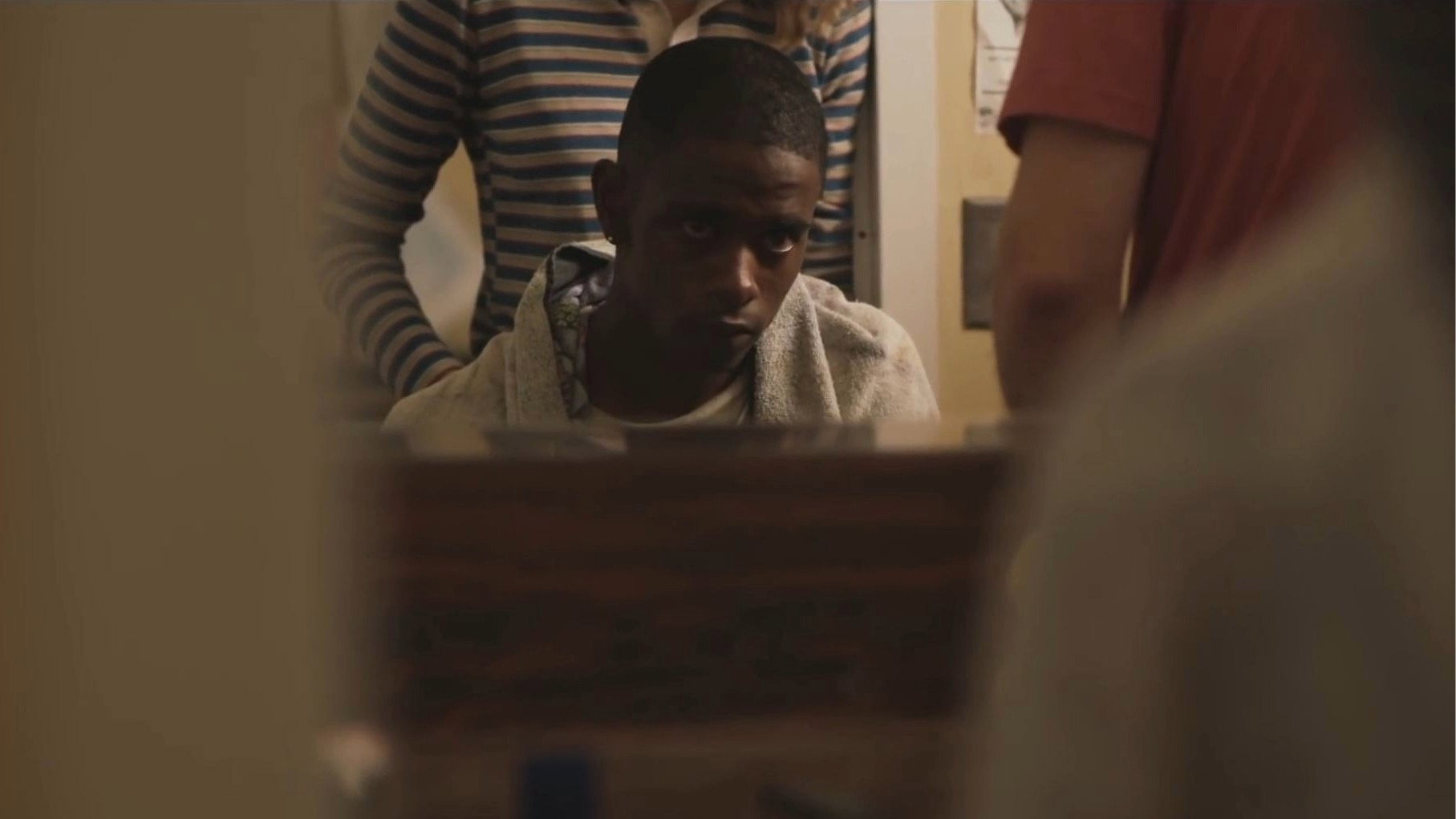
The ensemble gives Larson something to respond to besides suffering. John Gallagher Jr. as Mason, Kaitlyn Dever as Jayden Cole and LaKeith Stanfield as Marcus give the other characters enough presence to keep Grace from dominating every encounter. The younger performers are particularly good at resisting the sweet, grateful manner this kind of drama can encourage. Cretton’s banter lets humour belong to the people doing the work and living in the home, without making their pain into a joke.
Brett Pawlak’s cinematography stays close enough to the people for that mixture of humour and hurt to register without much explanation. The unpolished look suits a place where staff and residents have more pressing concerns than appearing composed. Rachel Myers’s production design supports the same impression of an ordinary workplace, and that ordinariness is valuable. The surroundings do not distract from the daily dealings between staff and residents.
Nat Sanders’s editing is strongest in the shifts between staff humour and distress, keeping the changes clear without making the jokes feel like compulsory relief. At 96 minutes, the film has room for an ensemble without lingering over each character’s importance. Joel P. West’s music is less necessary to its effect, and occasionally feels like encouragement we do not need. The cast have already done enough to make us care; those passages would have been stronger with less music.
The larger reservation concerns Cretton’s script, which sometimes makes the connections between the carers’ troubles and the residents’ troubles too convenient. We can understand why these people recognise something of themselves in one another, but the plotting occasionally seems determined to prove it. When that happens, their difficulties start to feel selected for the effect they will have on Grace. The performances remain persuasive through these stretches, although we would have preferred the writing to leave a little more room for experiences that do not line up.
Within the familiar drama about an adult helping troubled young people, Cretton makes the daily responsibility of caring feel worth watching in itself. Grace is not required to become endlessly wise before she can be useful to someone else. That gives Larson room to play a person whose difficulties do not cancel out her abilities, and gives the film a reason to exist beyond delivering another lesson in kindness. Allow a little quiet after it finishes.