Film review

Leave No Trace

2018 · Directed by Debra Granik · 1h 49m · MPA PG

In a sentenceLiving in the woods gets complicated when your daughter discovers she rather likes people

Drama

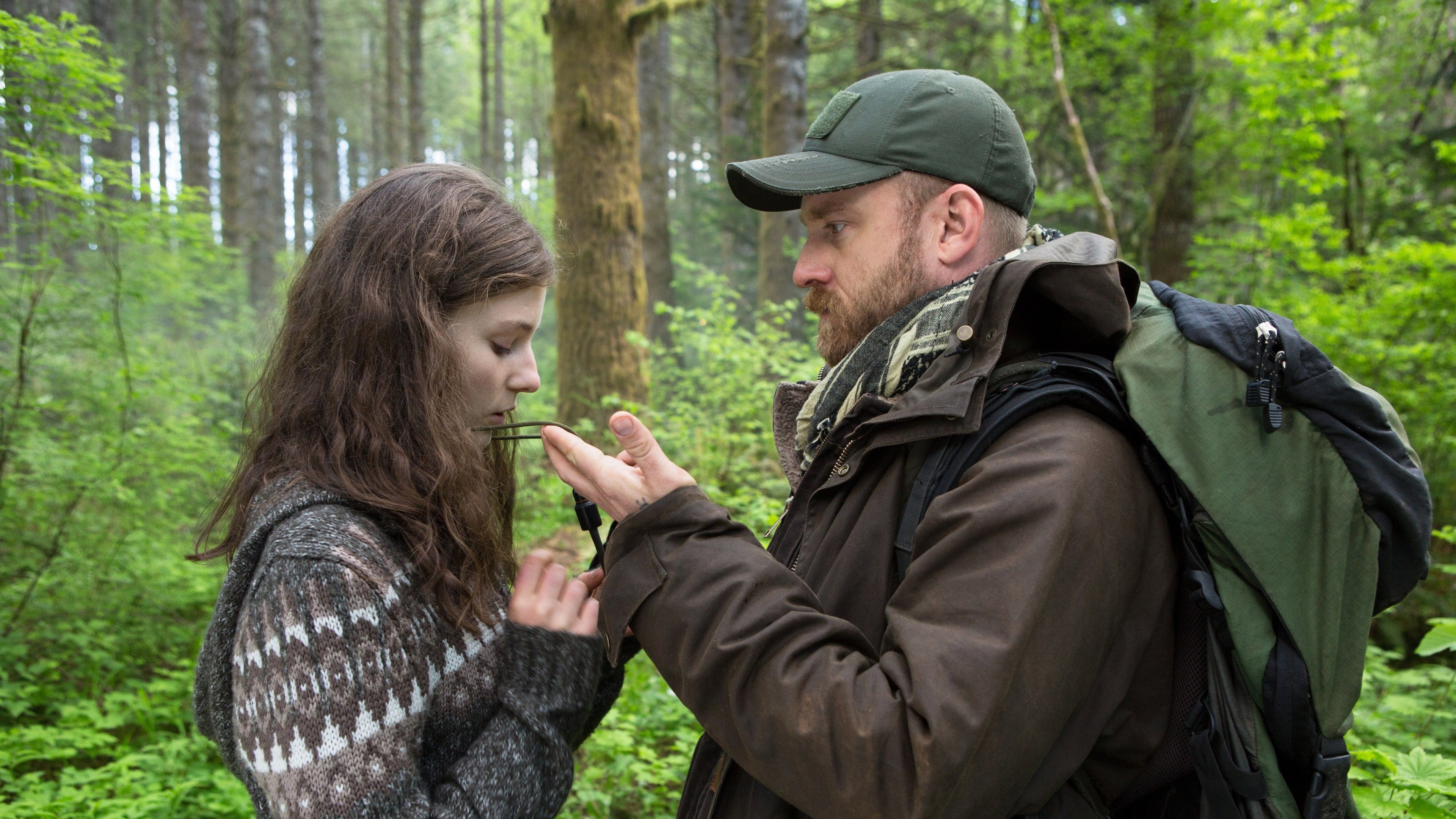
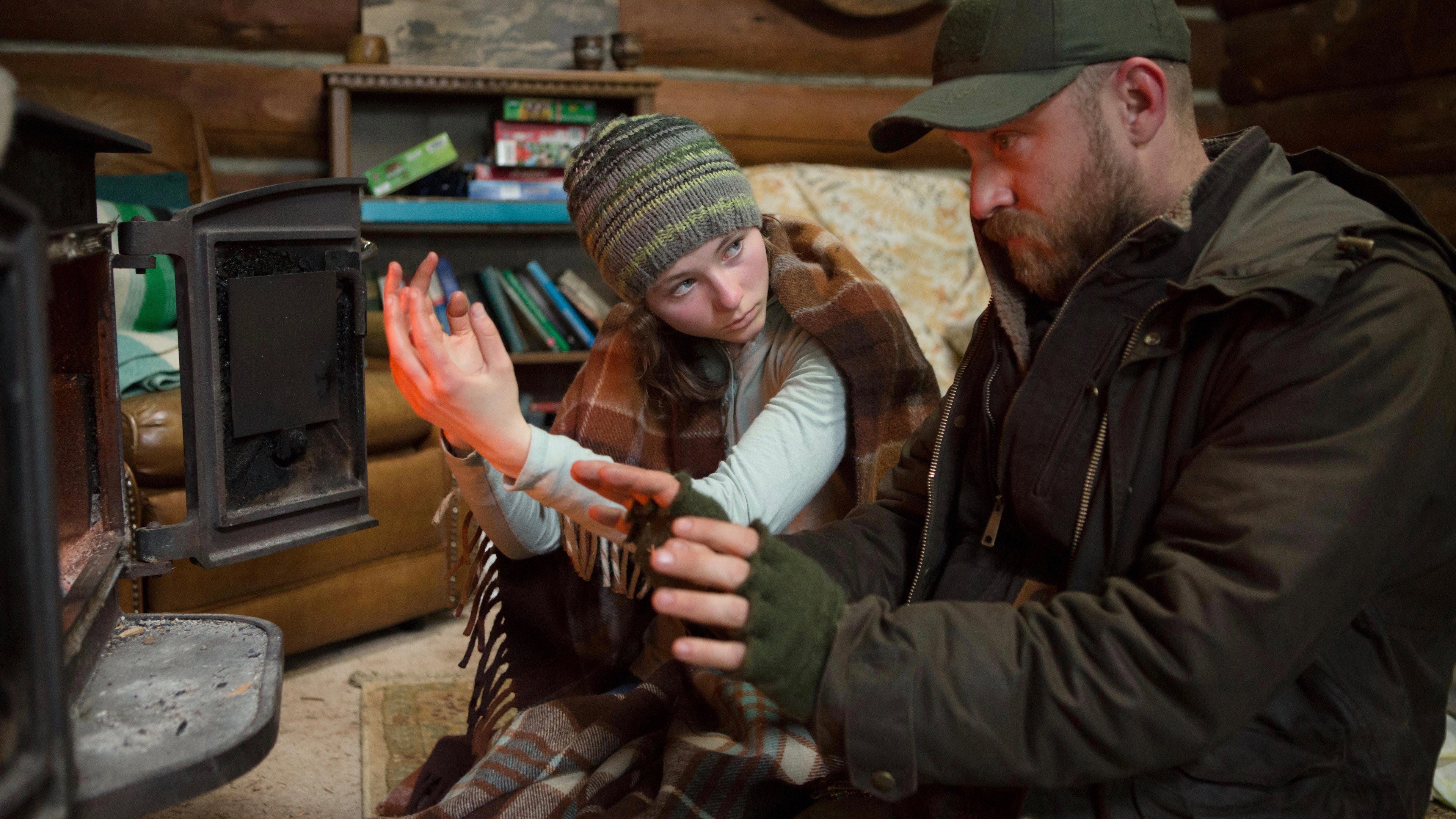
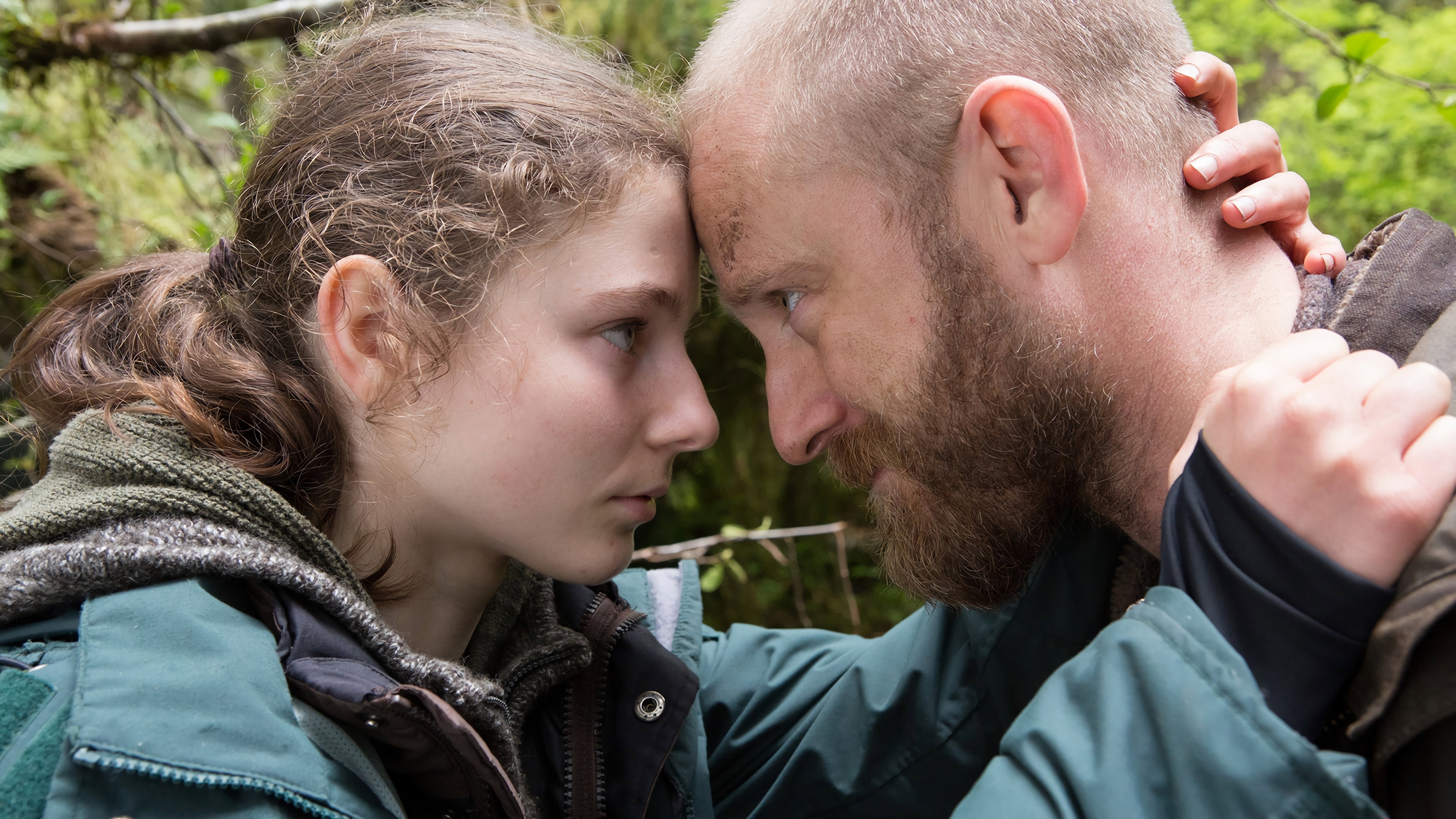
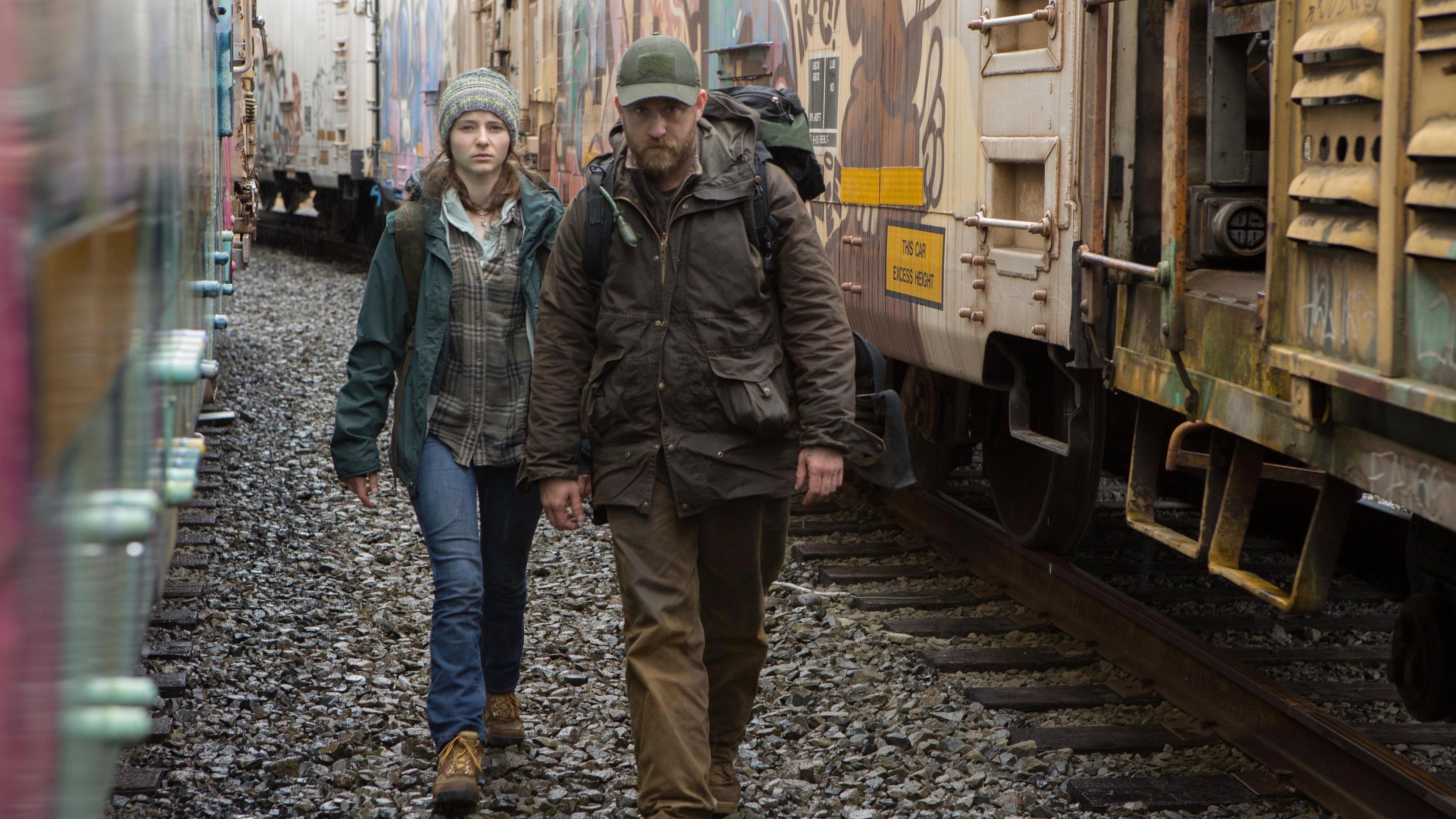
In the Oregon woods, army veteran Will (Ben Foster) and his daughter Tom (Thomasin McKenzie) live off-grid in a public park. Their days follow the routines of forest life, and Will wants to keep their dealings with other people to a minimum. Encounters with the authorities, and with Jean (Dana Millican), interrupt that arrangement and raise the prospect of a more settled life. Tom is accustomed to following her father’s lead, but she is also curious about the people beyond their woodland home. Staying together means working out whose needs their life in the woods actually serves.

Plays from YouTube when you press play; nothing loads from them until then.

Fi1m review

Debra Granik’s father-and-daughter drama is patient, compassionate and deeply affecting, with Thomasin McKenzie and Ben Foster making its small exchanges matter. A few stretches linger too long, but the relationship holds our attention.

Leave No Trace is a tender, absorbing drama, with a little too much patience for its own silences. Debra Granik takes the daily tasks of a father and daughter living off-grid seriously enough for us to understand why their life suits them. She also keeps us alert to the possibility that the daughter might want something else. The screenplay, co-written with Anne Rosellini, allows that difference to become apparent without making either character deliver a position statement.

Thomasin McKenzie plays Tom with a competence that makes the relationship convincing before its difficulties become clear. In the forest routines, she seems accustomed to working alongside Will, played by Ben Foster, and quietly confident of her place there. We were moved by how ordinary their closeness felt. The practised business of living together gives their affection something solid, and her curiosity about other people never looks like a sudden personality change.

Ben Foster keeps Will’s unease close to the surface without turning every exchange into an announcement of distress. His reserve can be difficult to read, but it makes sense for a man whose contact with society is so strained. Debra Granik gives his experience as a veteran weight without resorting to combat scenes to account for him. There is room to care about him and still worry about the life he has chosen for his daughter.

Michael McDonough’s cinematography gives the woodland enough attention for its attraction to make sense, without making an escape there look easy. The forest is a place to live and work, and the images keep that practical concern in view. Chad Keith’s production design is similarly attentive to lives sustained with limited resources. The surroundings feel used by the characters, which helps the film avoid making their hardship into something for us to admire from a comfortable distance.

Jane Rizzo’s editing allows those routines to establish a rhythm before the dealings with authority disturb it. The disruption has weight because we have had time to settle into their company. Dickon Hinchliffe’s music leaves the performances enough space, and does not make every hesitation sound momentous. We are trusted to pay attention to the small differences between what the father and daughter want.

The restraint does become wearing in places. Once Will’s difficulty with other people is clear, some of the film’s continued watchfulness yields little that is new. The writing occasionally depends on the actors to make another withheld response feel necessary, and even these performances cannot do that indefinitely. A firmer cut would have helped the middle without requiring a louder or more conventional drama.

For a story about people outside ordinary society, the film is refreshingly reluctant to make everyone they encounter a threat. Debra Granik’s interest in kindness keeps the drama from becoming a series of tests administered by unpleasant strangers. It makes Tom’s interest in a wider life persuasive, too: there might be something worth joining. Give it an evening when a quiet conversation can hold your attention; the actors deserve that much.

Critical consensus AI synthesised

84
Positive
19
Mixed
0
Negative
0

The consensus is strongly positive, with praise centred on Debra Granik’s compassionate direction and the performances of Ben Foster and Thomasin McKenzie. Most critics find the father-daughter drama moving without sentimentality, crediting its attention to forest routines and the practical difficulties of living outside society. McKenzie draws particular notice for conveying the daughter’s growing independence with quiet assurance. The reviews also value Granik’s refusal to romanticise off-grid life or simplify the pair’s encounters with authority.

The differences concern how well that restraint sustains the drama, rather than its empathy or acting. Variety admires McKenzie and the film’s visual environment but finds the story somewhat meandering and short on strong hooks. The Times offers a sharper reservation: the central performances convey intense inner lives, yet their lack of expression eventually becomes deadening. These objections sit within a broadly admiring response, with most critics finding emotional depth in the understatement.

Little White Lies
26 June 2018 · 4/5/5 · David Jenkins
100

The critic lauds Granik's tender portrayal of a father and daughter living off the grid, noting its empathetic depiction of the underclasses and emotional depth as one of the year's best.

Read the full review →
Slant Magazine
4 July 2018 · ★★★★/4 · Chuck Bowen
100

Granik is commended for refining a style of tranquil intensity with rapt, pared-down images and deep empathy. The review highlights the film's sobering vision as a respite from modern culture and its strong performances.

Read the full review →
Film Comment
29 June 2018 · Jonathan Romney
90*

The critic praises Granik's empathetic and tactile direction of an off-grid father-daughter story, noting its nuanced take on autonomy versus social integration and the standout naturalistic performances, especially from newcomer Thomasin McKenzie.

Read the full review →
Los Angeles Times
28 June 2018 · Kenneth Turan
90*

The critic calls the film a reminder that the movie world is better with Debra Granik in it, praising its sensitive and honest portrayal of a father and daughter living off the grid and the exceptional performances by Ben Foster and Thomasin Harcourt McKenzie. It highlights the film's emotional resonance and Granik's skill in avoiding narrative traps.

Read the full review →
The Hollywood Reporter
20 January 2018 · festival review · Jon Frosch
85*

The critic calls it an absorbing, delicately directed and acted father-daughter drama full of compassion. Granik is praised for her unsentimental humanism and the strong performances of Foster and McKenzie.

Read the full review →
Vulture
26 June 2018
85*

The review finds the film grim yet captivating, praising its mournful tone and extraordinary acting by Foster and McKenzie. Granik is lauded for her empathy toward the characters and exploration of their relationship.

Read the full review →

Cast

Stills

If you liked this, try…

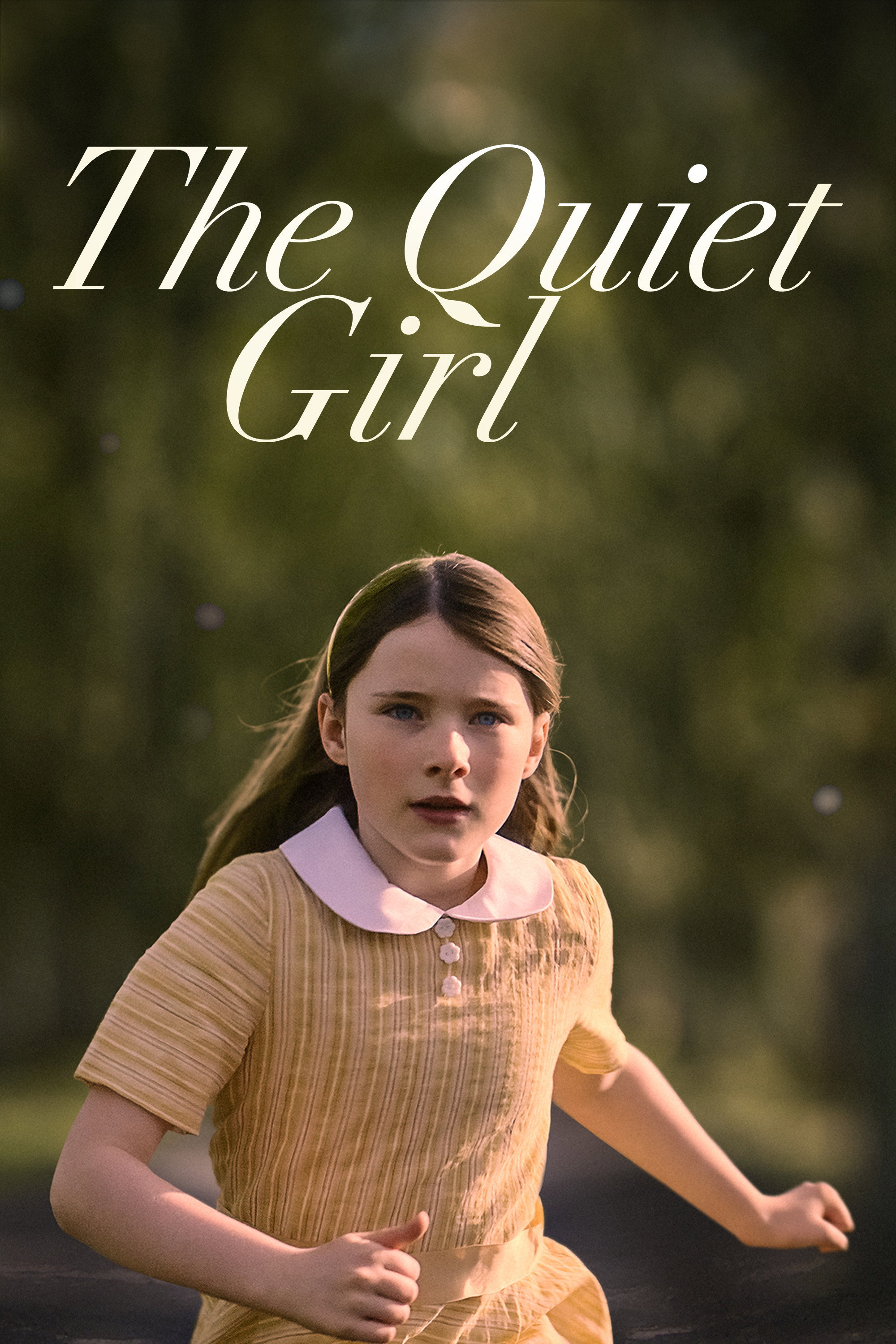
The Quiet Girl poster

The Quiet Girl

2022 · Another child’s growing sense of belonging, carried by small changes in behaviour.

Wendy and Lucy poster

Wendy and Lucy

2008 · Limited money and an animal companion make everyday decisions painfully difficult.

The Kid with a Bike poster

The Kid with a Bike

2011 · For a similarly unsentimental belief that care requires patience and practical effort.

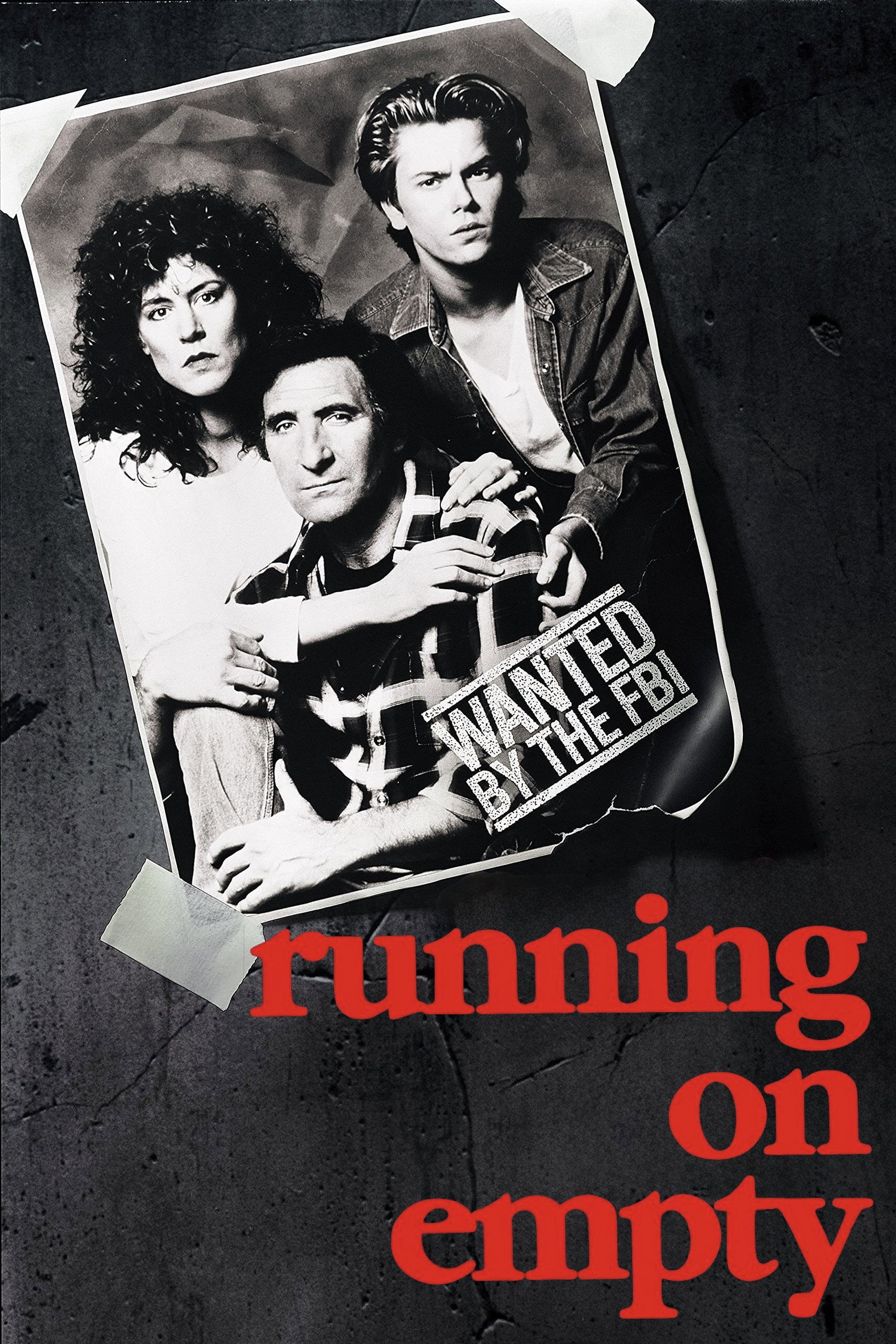
Running on Empty poster

Running on Empty

1988 · A family on the run faces a child’s need for a separate life.

The Spirit of the Beehive poster

The Spirit of the Beehive

1973 · A child’s watchful face carries adult troubles that nobody will properly explain.