David Michôd’s crime drama is tense, patient and well worth the discomfort. Ben Mendelsohn and Jacki Weaver make family loyalty frightening, though the second half lets the pace slacken.
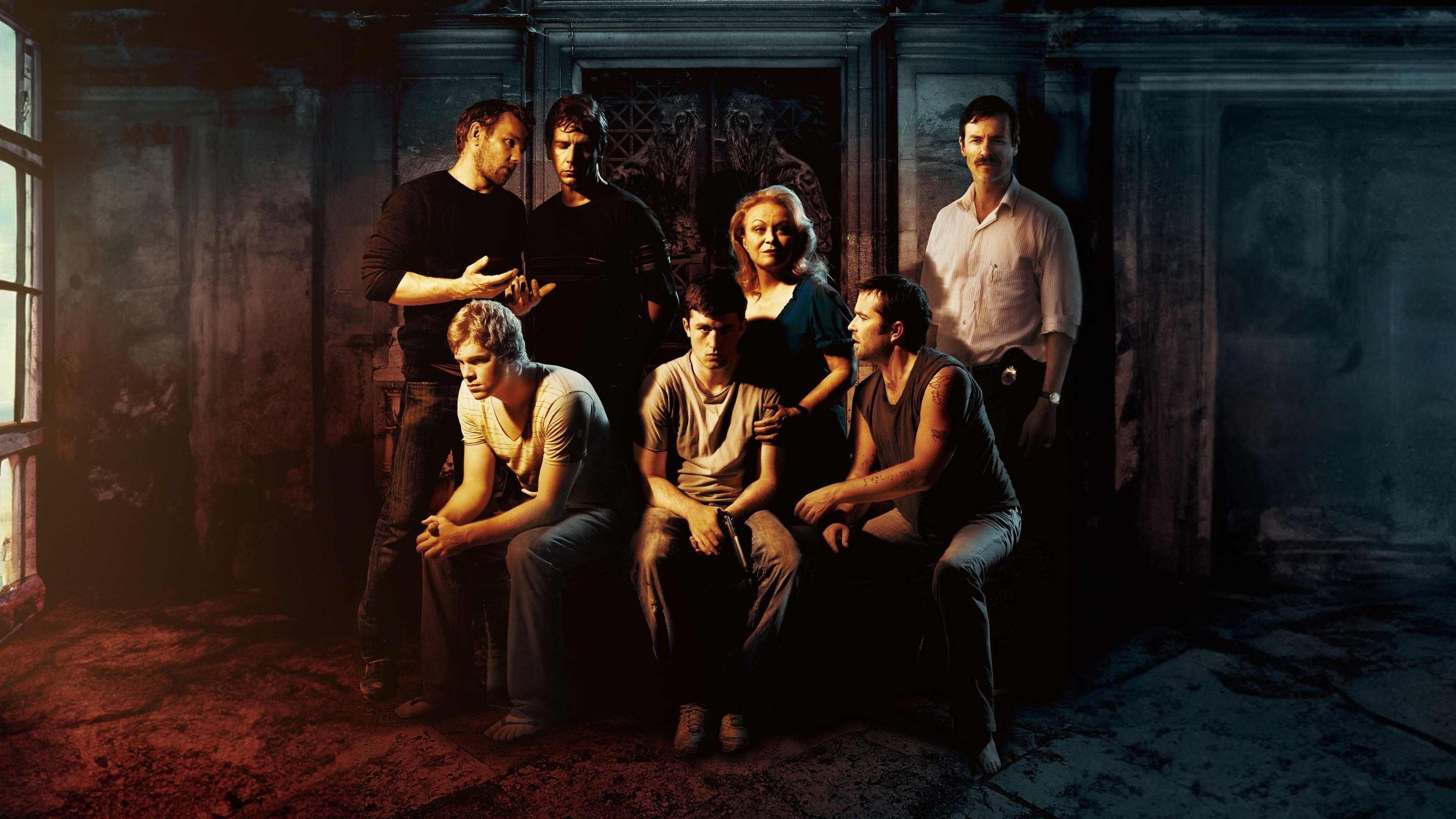
David Michôd’s Animal Kingdom is a crime drama in which joining a family gives a teenager little reason to feel safe. We recommend it: the performances are exact, and the violence has consequences beyond the immediate shock. Michôd, who also wrote the screenplay, follows Joshua ‘J’ Cody into a Melbourne criminal household whose members are increasingly suspicious of the people around them. The familiar gangster concerns of loyalty, power and survival become ugly domestic problems here, with no reassuring separation between home life and criminal business.
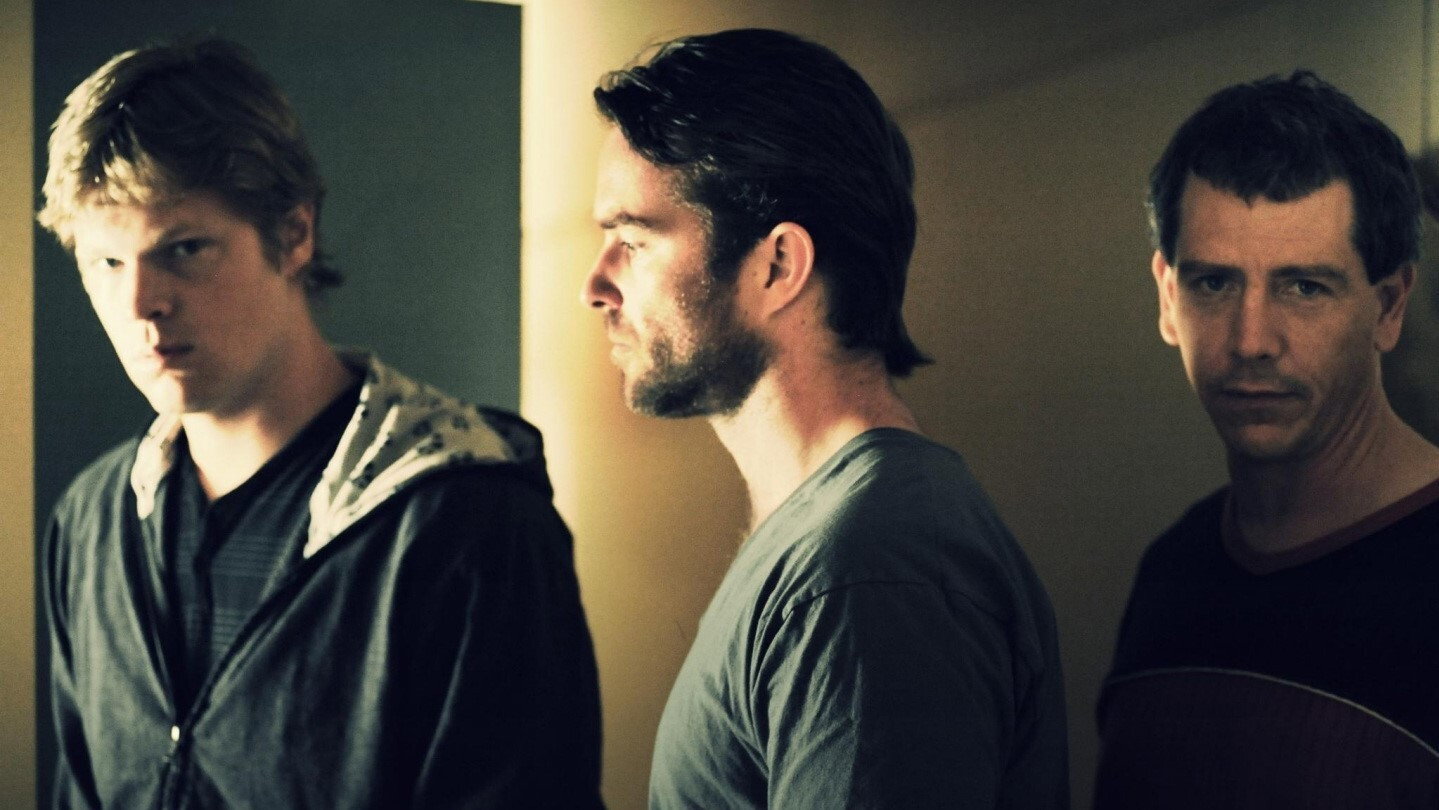
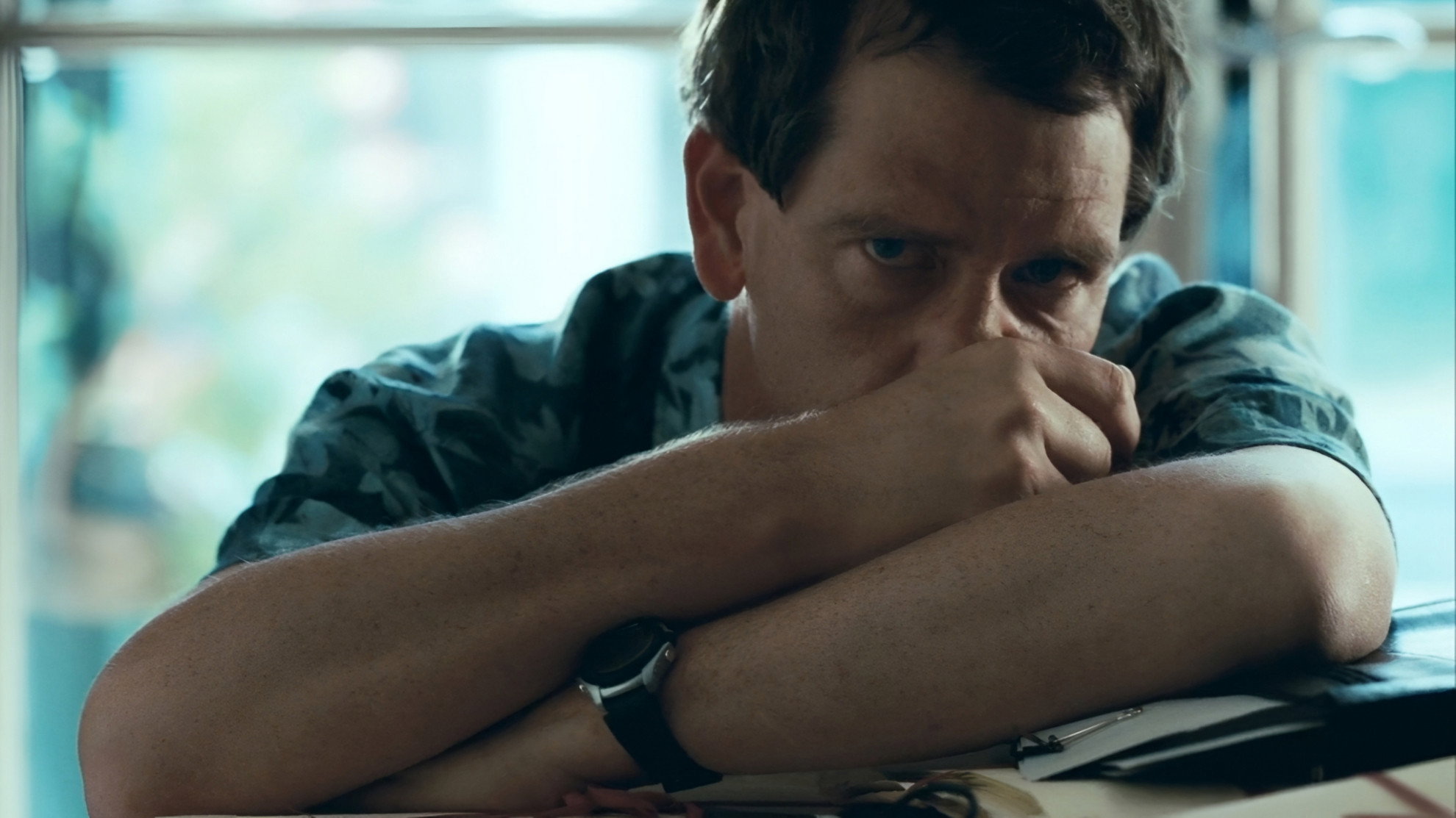
James Frecheville gives J a reserve that can be frustrating, particularly beside the more forceful actors playing his relatives. There are stretches when we want a clearer sense of what he is making of them, and the performance does not always provide it. Yet his lack of charm helps prevent this introduction to criminal life from becoming inviting. The teenager’s uncertainty keeps the family strange and difficult to read, even as we spend time in their company.
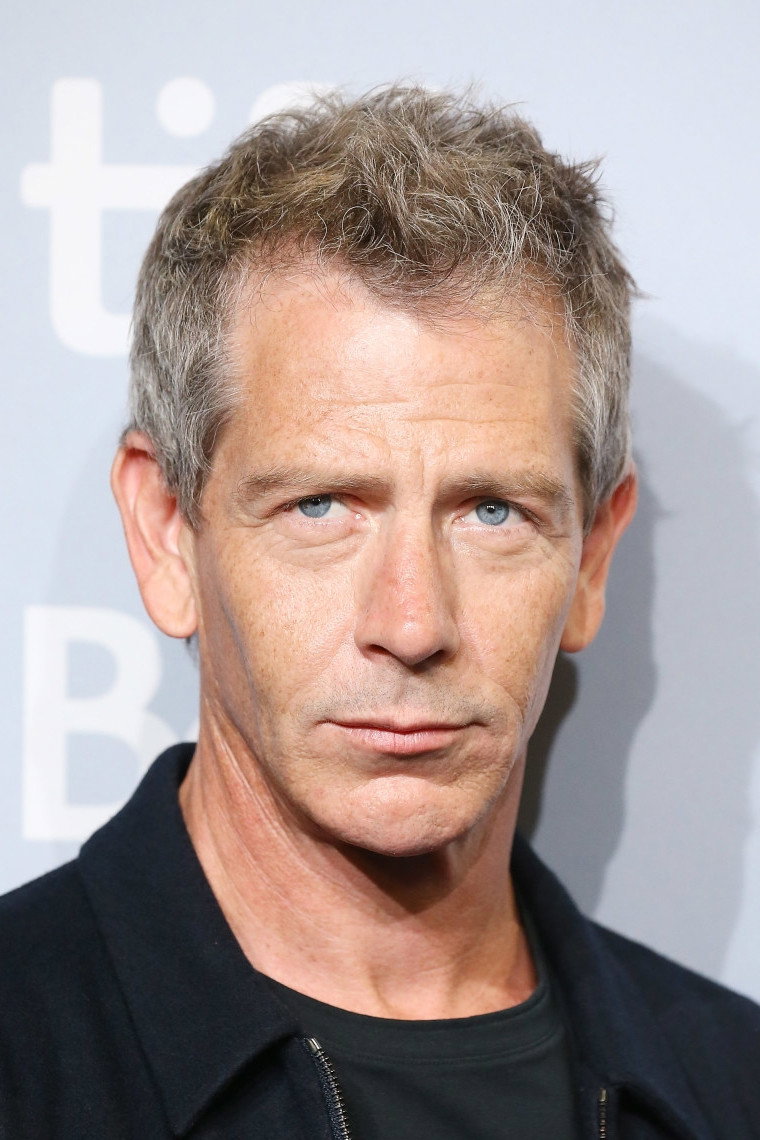
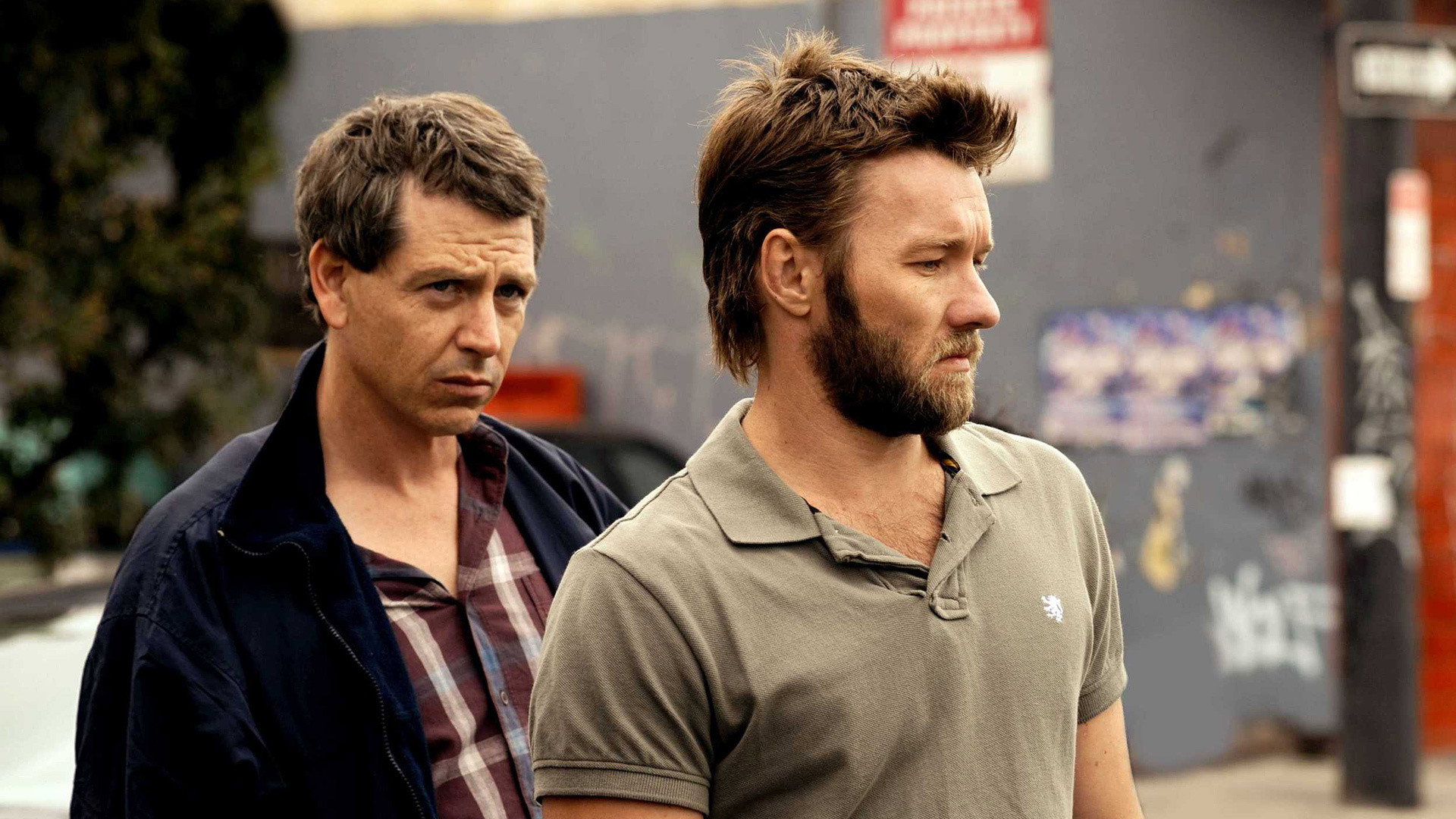
Ben Mendelsohn’s Andrew ‘Pope’ Cody is the chief reason that proximity feels so dangerous. We were frightened of him in the family home, because Mendelsohn makes his instability seem inseparable from the household’s ordinary life. Pope belongs here, and that is disturbing enough without presenting him as an exceptional villain. The performance gives us little opportunity to enjoy his company at a safe distance, as gangster films so often allow us to do.
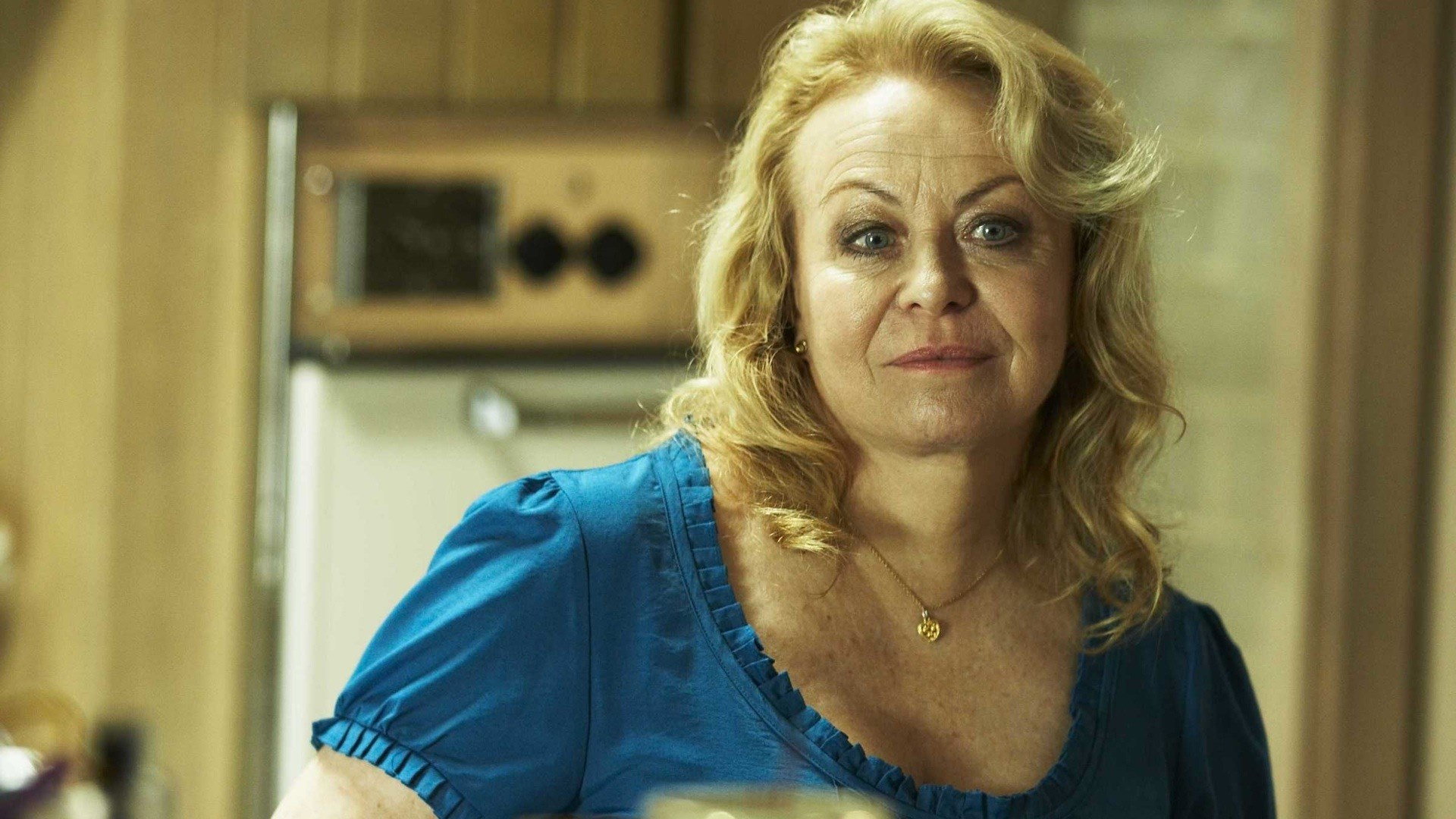
Jacki Weaver’s Janine ‘Smurf’ Cody makes the family loyalty equally alarming. As the matriarch presiding over her sons, she has an authority that might be reassuring in another sort of household; here, her ruthlessness makes it dangerous. Weaver makes Smurf credible as a mother, which prevents us from dismissing her as a monster with nothing to do with ordinary families. The ensemble’s strength is that these people seem used to one another, even when we can scarcely imagine tolerating them.
Adam Arkapaw’s cinematography keeps the domestic scenes oppressive, and Josephine Ford’s production design gives the family home a convincing ordinariness. It matters that this feels like somewhere people live, since a more extravagant criminal setting would let us keep a comfortable distance. The claustrophobia comes from having to share that space with people whose motives cannot be trusted. Arkapaw’s brooding treatment suits these scenes, keeping our attention on the discomfort of being indoors with the family.
Luke Doolan’s editing keeps the first half taut, giving the sudden violence a force that busier cutting might have diminished. Later, the pace slackens, and some of the brooding starts to feel like waiting for familiar crime-story business to resume. Antony Partos’s score deepens the unease, though there are moments when the music adds pressure to scenes that already have enough. These are matters of emphasis rather than fatal mistakes, but they make the second half less involving than the first.
Crime films can become too fond of their gangsters, and Michôd’s attention to family obligations helps him avoid that trap. He takes those ties seriously enough that the threat from within the household can sustain a film with relatively little action. The slower passages need patience, but they do not cancel the force of the performances. See it for Weaver and Mendelsohn, and expect the scenes at home to be among the hardest to bear.