Sergio Leone makes a gold hunt worth every long stare, with Eli Wallach supplying the grubby humour and Ennio Morricone the excitement. A wandering middle stretch tests our patience; the film more than earns it back.
The Good, the Bad and the Ugly is a superb Western, and we would recommend it even to someone usually unmoved by men with guns. Sergio Leone gives three fortune hunters a Civil War to get through, then allows their greed to occupy an unreasonable amount of our attention. The attraction is how thoroughly he understands their selfishness and how much amusement he finds in it. Nobody has to become respectable for the film to become absorbing. At 161 minutes, it does take longer than it needs.
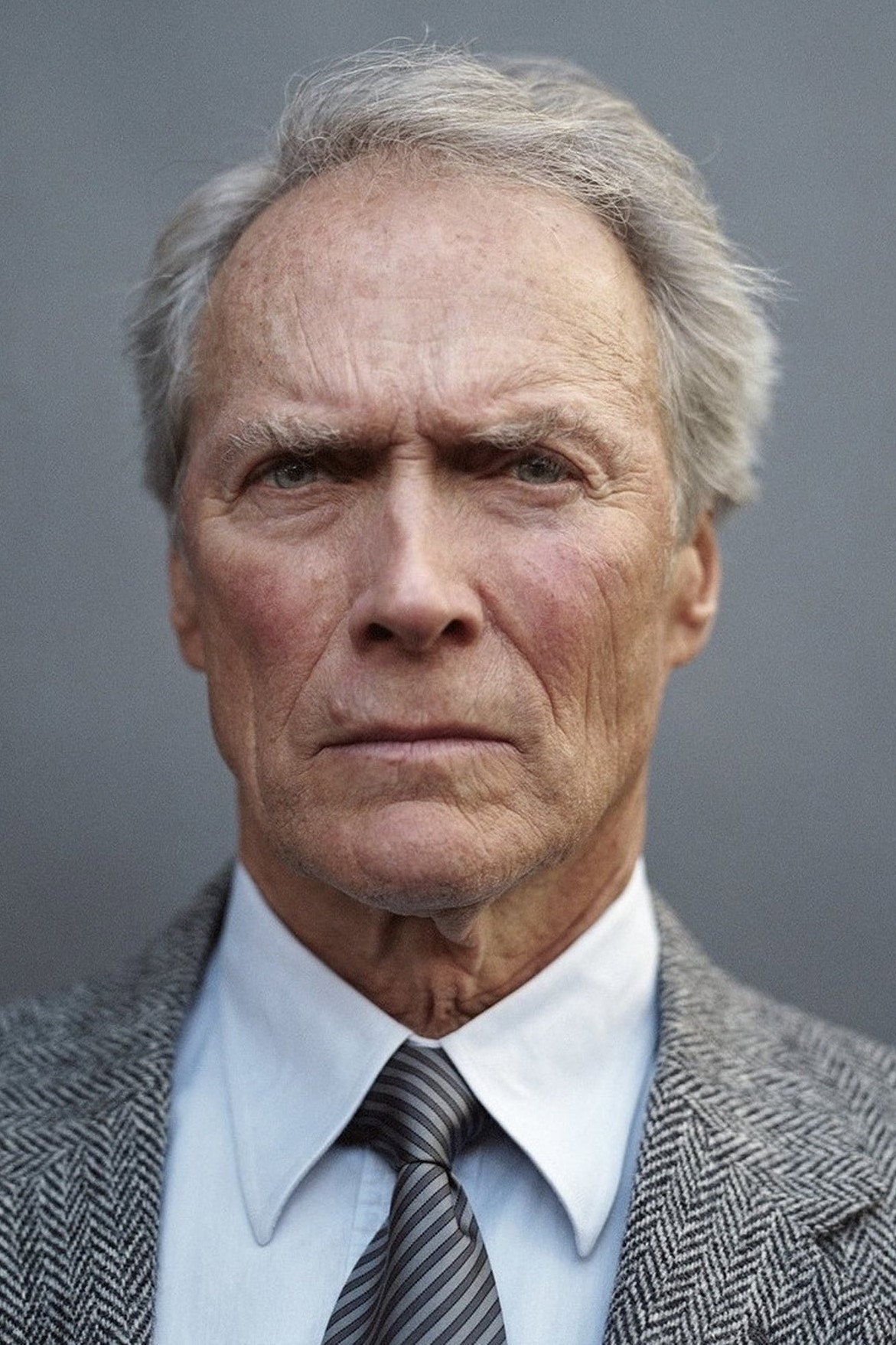
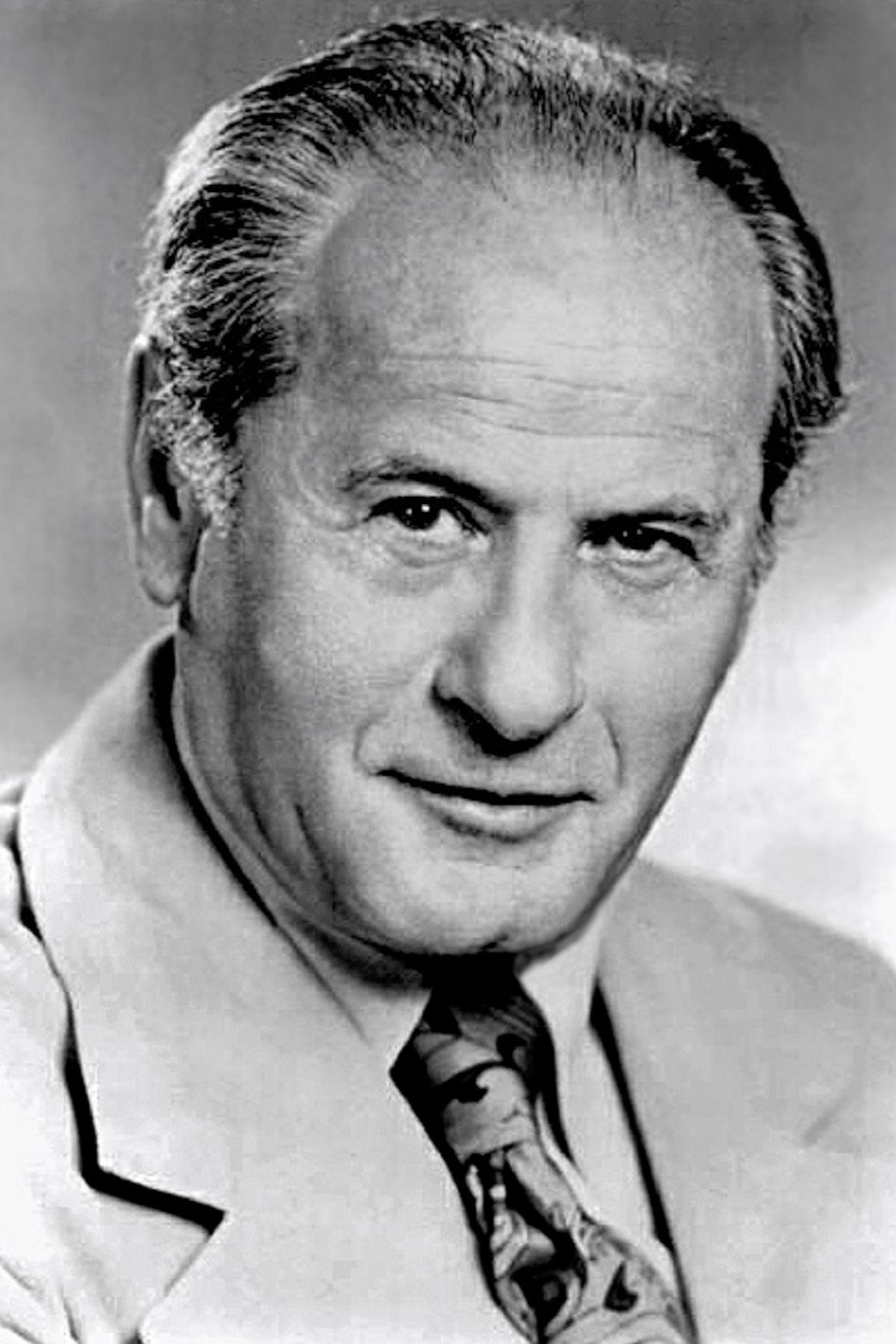
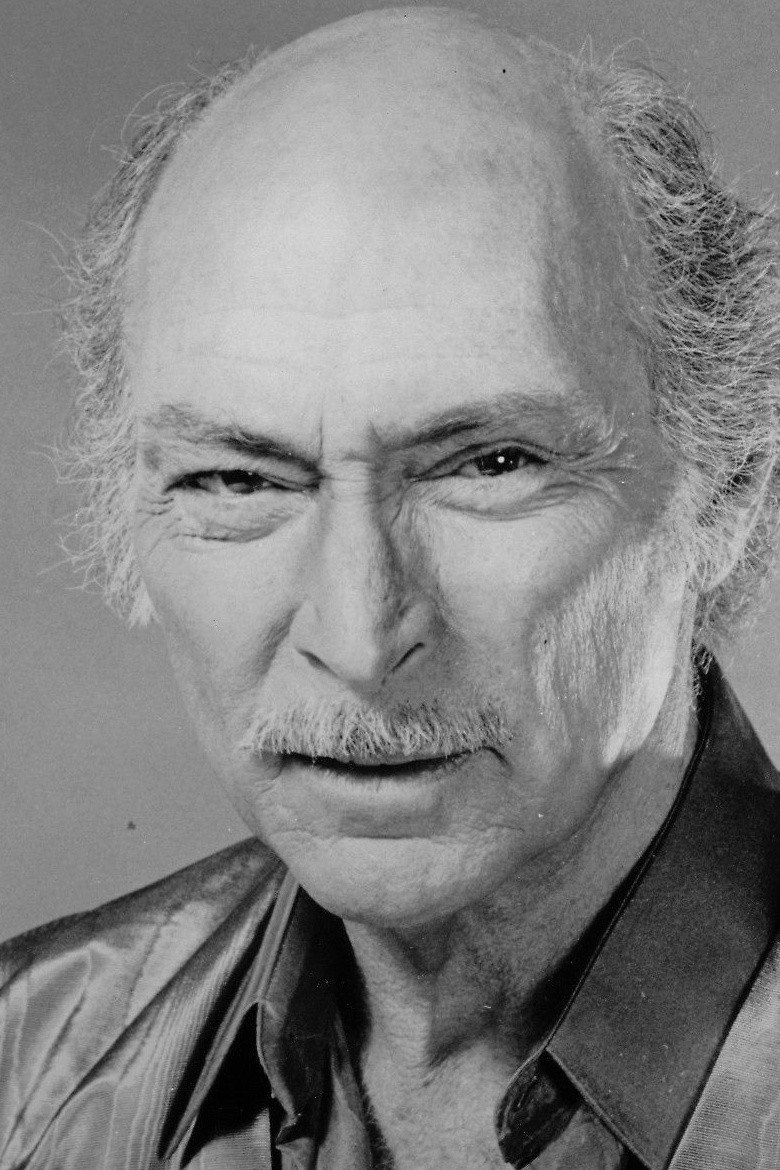
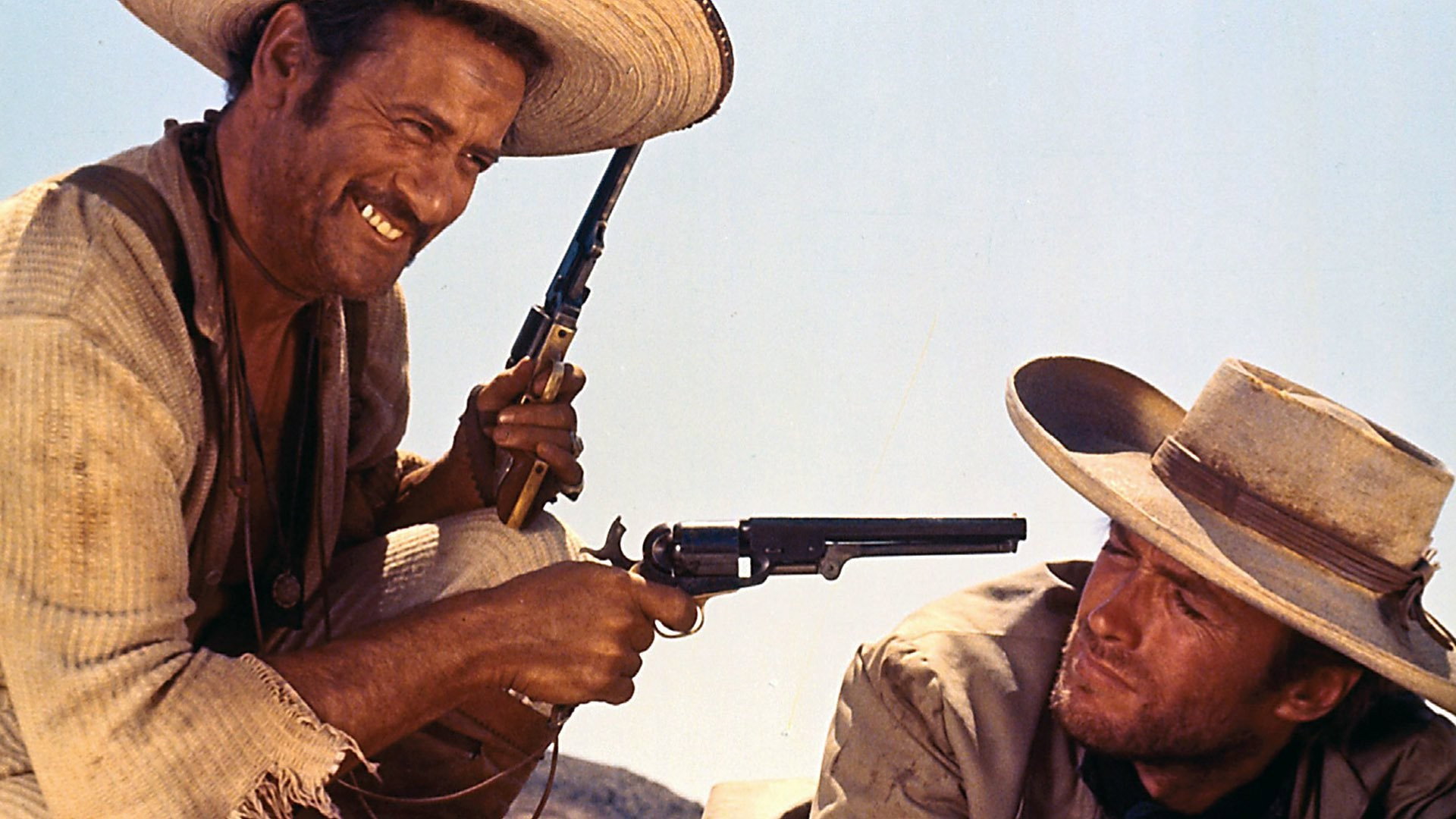
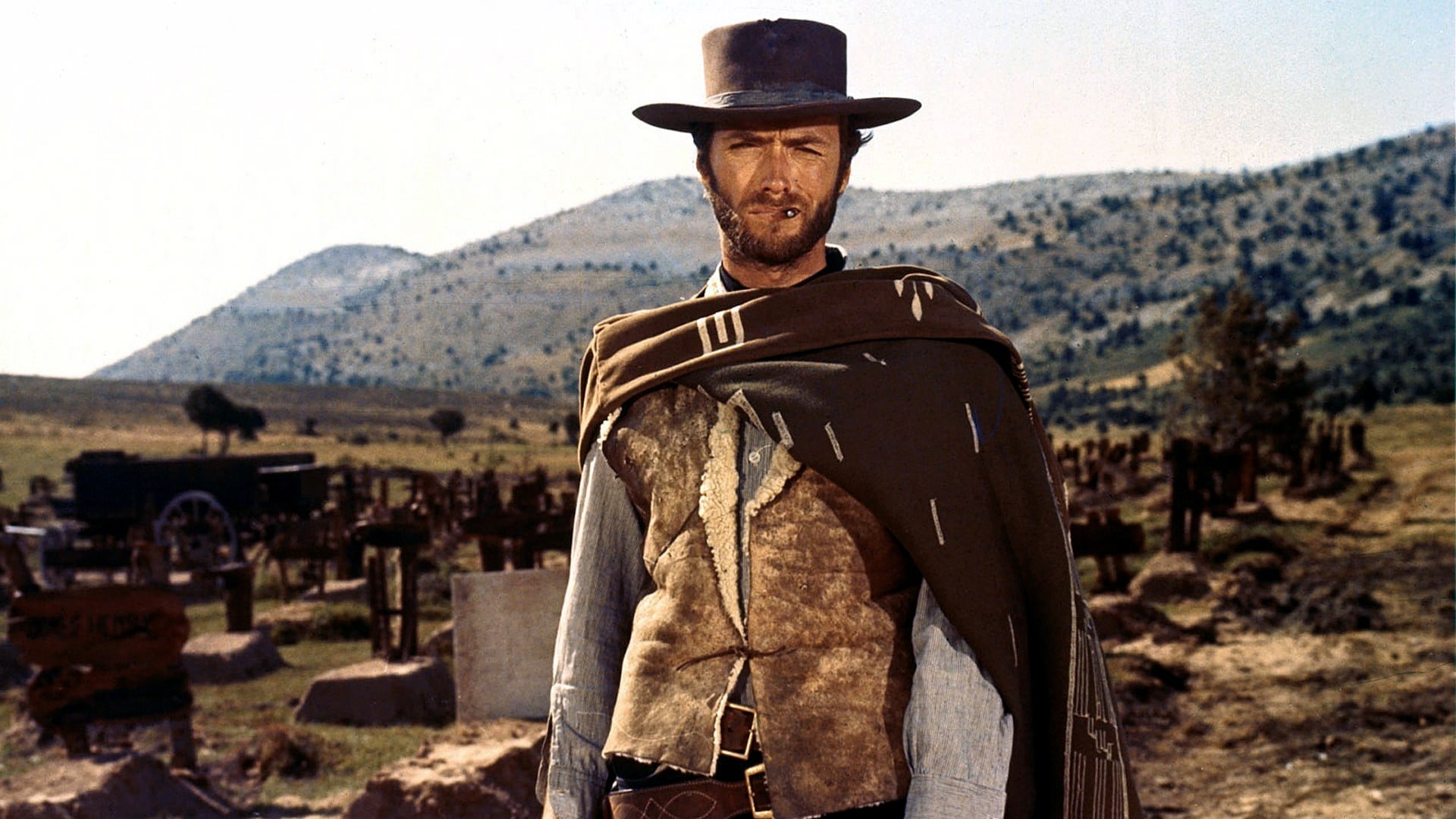
Eastwood plays Blondie with a restraint that makes every small change in his expression worth watching. Lee Van Cleef’s Angel Eyes has a more forbidding presence; his stillness seems to discourage questions. Between them, Eli Wallach’s Tuco Ramirez is a welcome disturbance, full of appetites and grievances the others would rather keep out of sight. Wallach lets us enjoy Tuco’s shamelessness while keeping his vulnerability in view. He is the strongest reason to care about where the hunt takes these men.
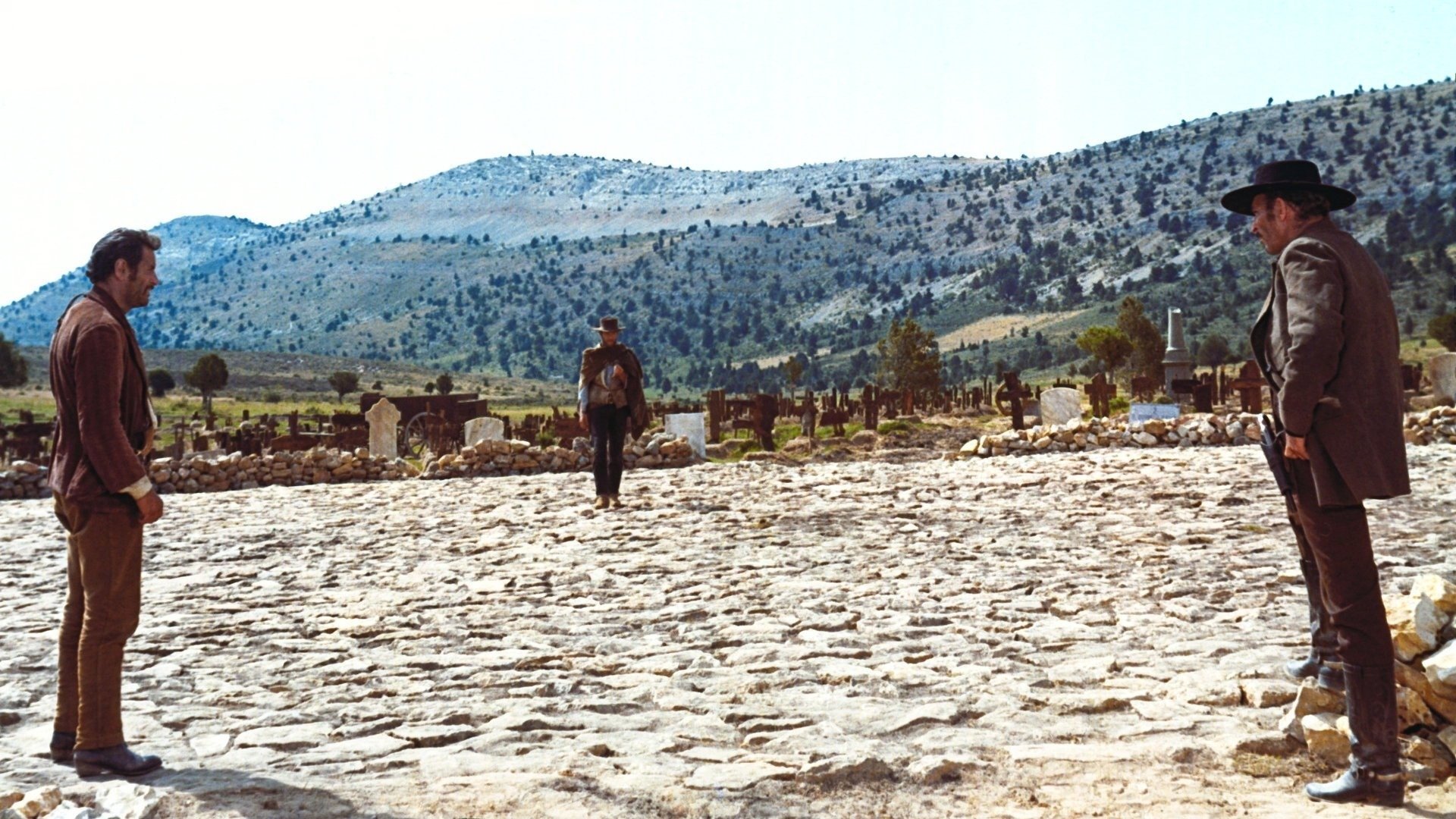
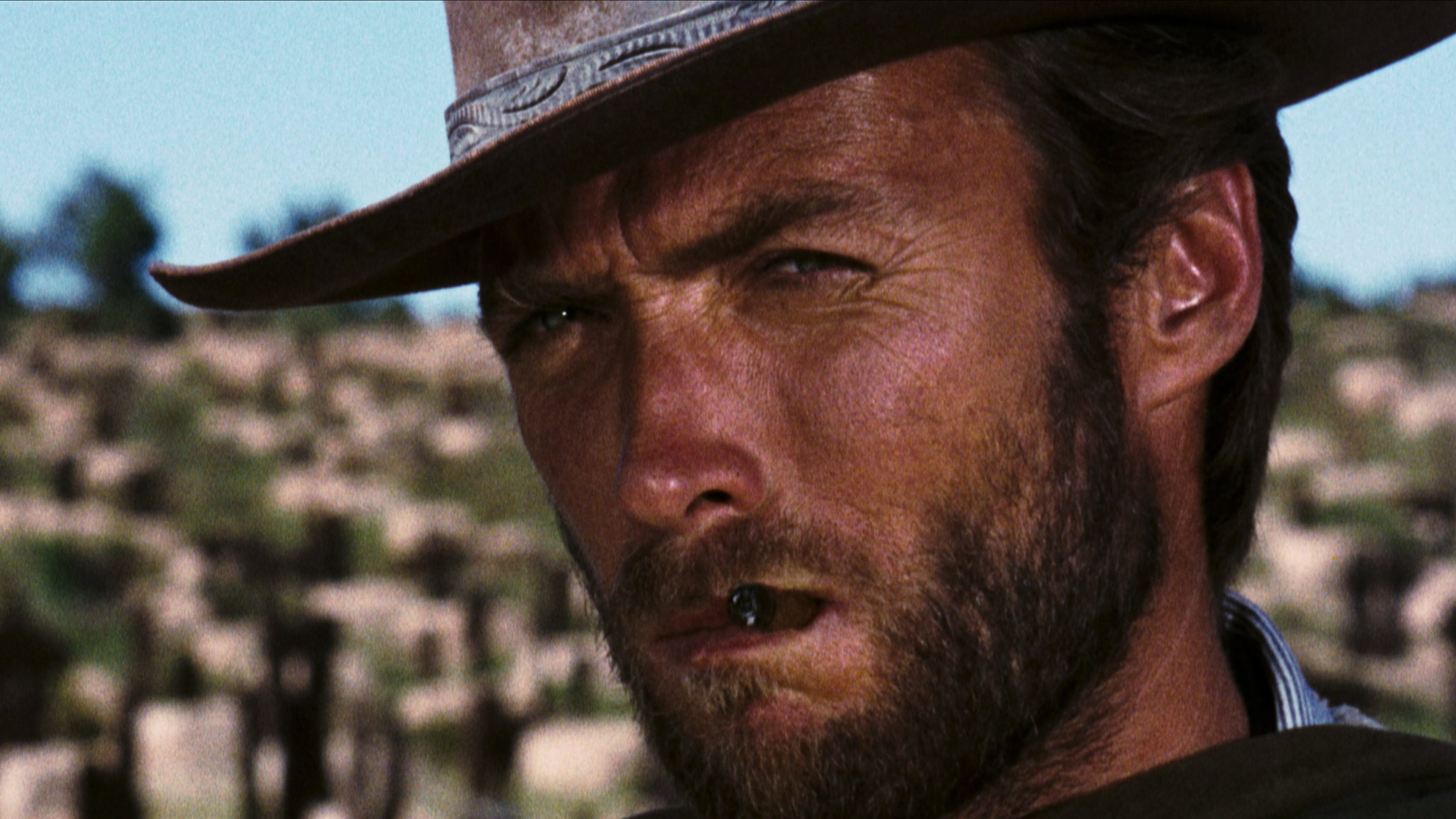
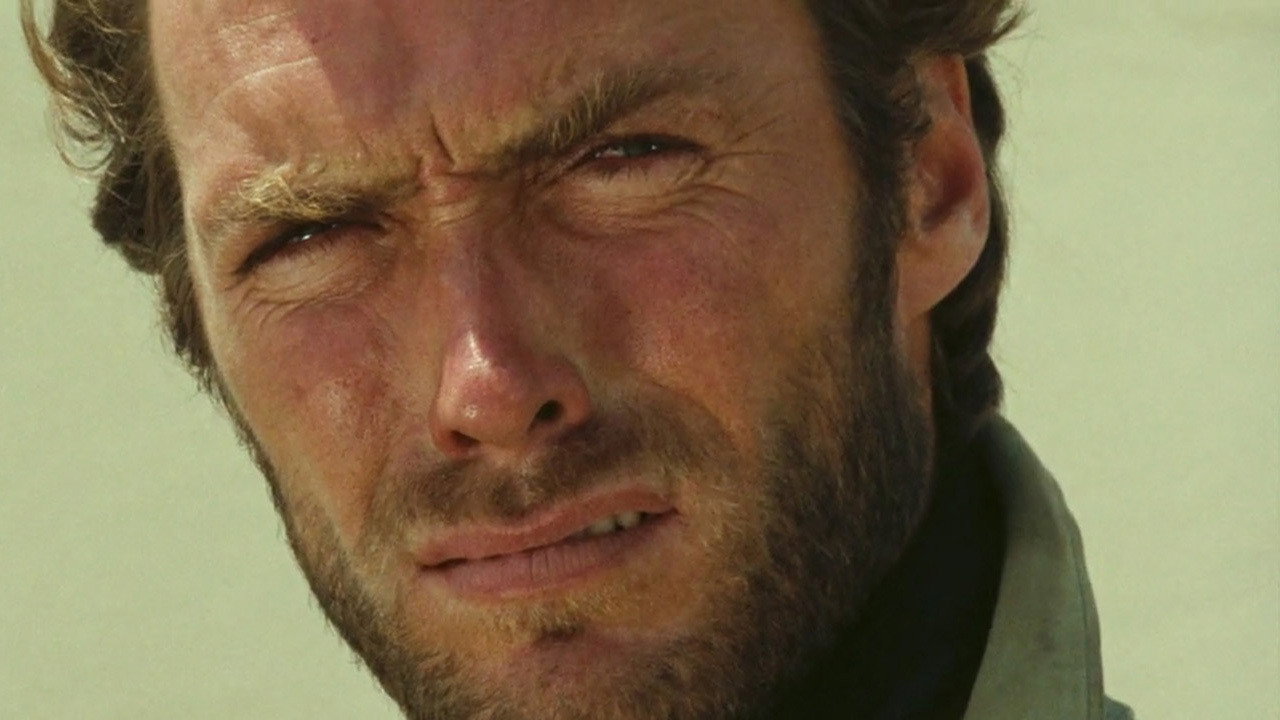
Tonino Delli Colli’s cinematography allows the open country to fill the frame, then comes close enough to make a face feel inescapable. The scale of the landscapes makes the close-ups feel almost rude, as though we ought to step back and give these men some space. We were gripped by those stares, because the framing makes a small movement seem capable of starting the violence. Editors Eugenio Alabiso and Nino Baragli prolong those pauses, making us wait for a movement before allowing the release of a gunshot. The gunfights benefit from all the looking that precedes them.
Ennio Morricone’s music is allowed to be as conspicuous as the men, and the film is much more exciting for it. It gives the violence a scale that the gold hunt, described on paper, could scarcely justify. Carlo Simi’s production design and costumes make the film’s roughness convincing, even when Leone is being extravagantly theatrical. The men look as if they belong in these barren surroundings, which gives the elaborate confrontations some much-needed weight.
The war matters because Leone allows suffering to interrupt the fun of watching criminals at work. He can enjoy the ingenuity of violent men and still be appalled by a conflict that makes such men seem ordinary. The anti-war passages give the film a compassion its title hardly promises, though the relish with which some cruelty is staged can make that compassion harder to accept. At times Leone lingers over brutality after we have understood what he wants us to feel.
The greater weakness is the length. Leone is so good at building individual encounters that he seems reluctant to leave any of them behind, and the middle stretch loses some forward pressure. The screenplay, credited to Agenore Incrocci, Furio Scarpelli, Luciano Vincenzoni and Leone, has a simple pursuit to sustain through all these detours. Some are rich enough to justify the time; others make us conscious of how much further there is to go.
Leone’s Western makes little room for the comfort of a dependable hero. That can take some getting used to, especially when the cruelty stops being funny. We would recommend it well beyond the usual Western audience, provided the appetite for rough humour and prolonged menace is there. Give it an uninterrupted evening, with the phone out of reach.