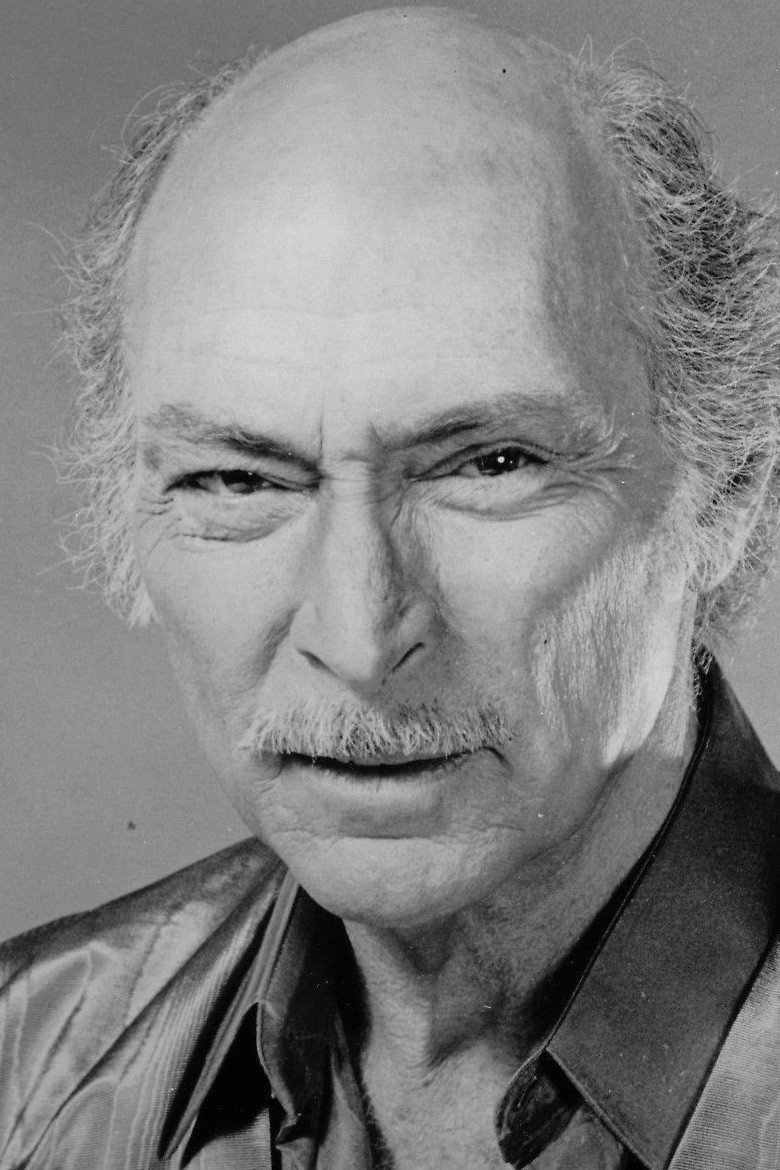
Lee Van Cleef made intimidation look unhurried: a hard stare, a still body, no need to explain himself. We rate him highest with Sergio Leone, who knew when to let him stand still.
Fi1m perspective
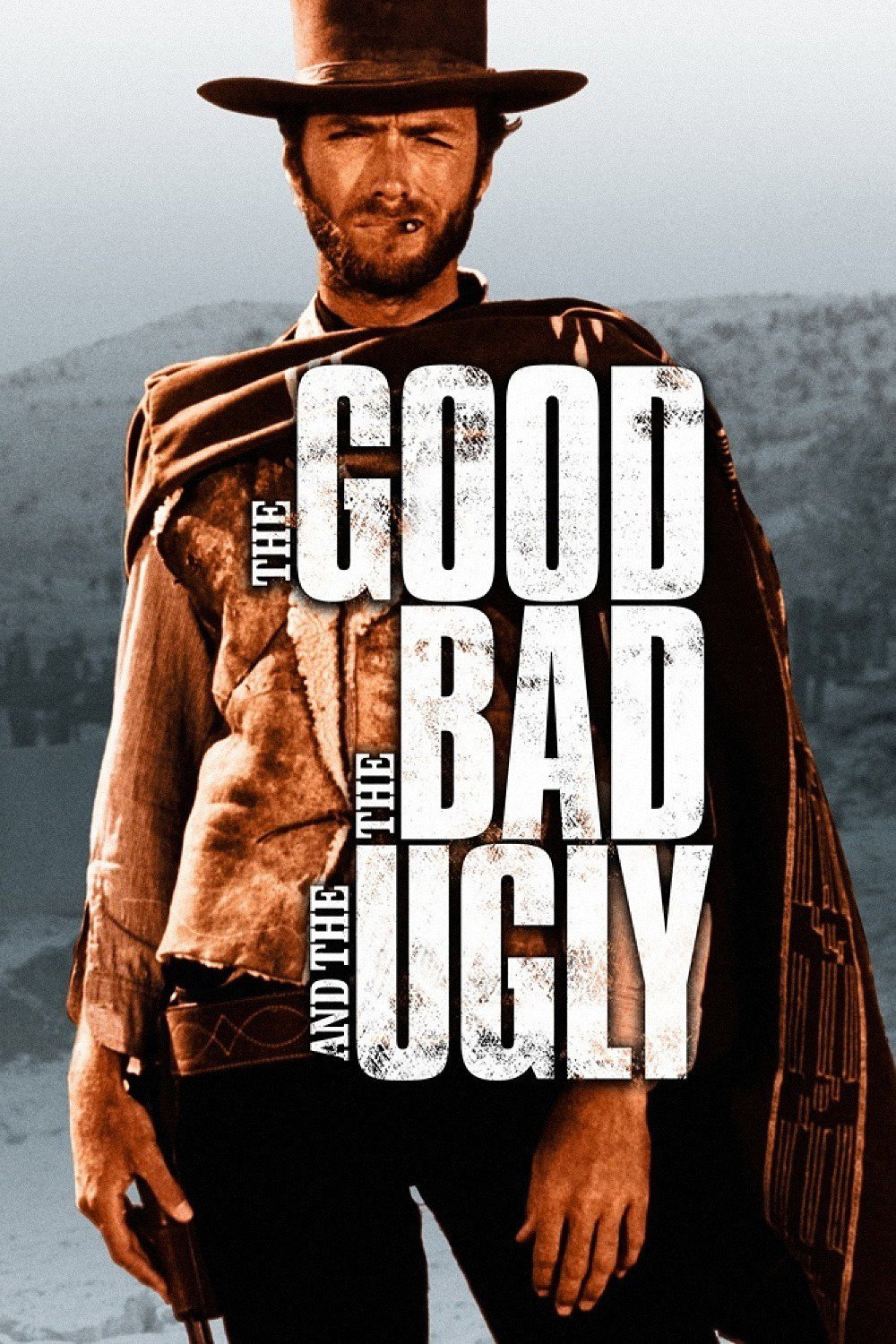
Lee Van Cleef’s Angel Eyes holds still in The Good, the Bad and the Ugly (1966), and asking him a question looks unwise. We were uneasy watching him because he gives so little away while remaining so plainly threatening. There is no need for a speech to establish what sort of man this is. Sergio Leone gives that forbidding presence room, and Van Cleef is one reason we recommend a film whose wandering middle stretch still tests our patience.
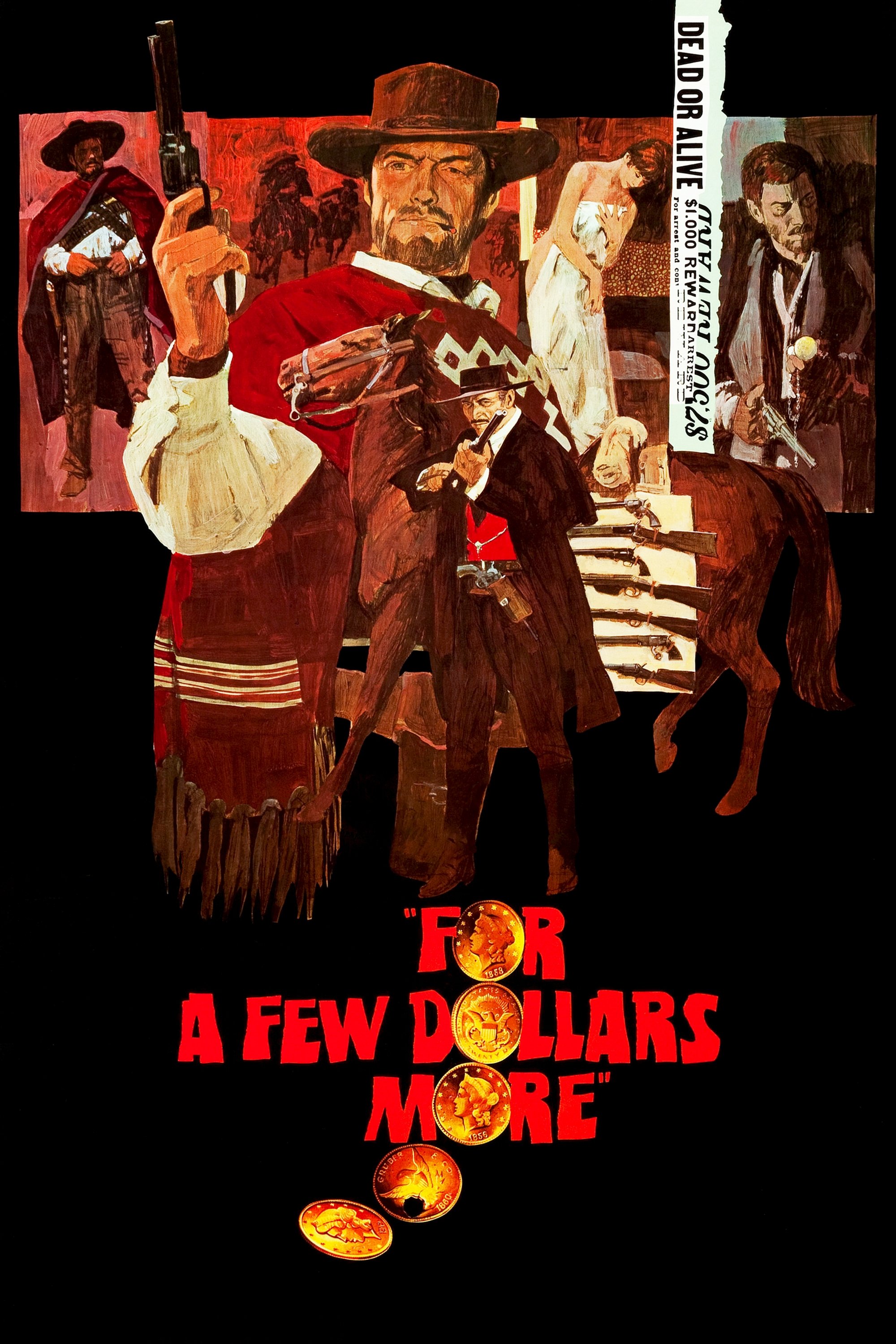
His first film part, the non-speaking Jack Colby in High Noon (1952), had already made use of his ability to intimidate without dialogue. Villains in Westerns and crime films followed through the 1950s and early 1960s, before Leone cast him as Colonel Douglas Mortimer opposite Eastwood in For a Few Dollars More (1965). That co-starring role revived his career and opened the way to leading parts such as Ryan in Death Rides a Horse (1967). That shift was welcome: his intimidating looks did not require him to play the same villain indefinitely.
In The Good, the Bad and the Ugly, his severity also makes the other actors more interesting to watch. Eastwood’s Blondie is restrained too, but small changes in his expression invite attention; Van Cleef makes Angel Eyes harder to approach. Eli Wallach’s Tuco supplies the appetites, grievances and shamelessness that neither of the other men cares to display. We care most about Tuco, whose vulnerability Wallach keeps visible even when he is behaving badly. Van Cleef does not give us that warmth, nor would it help this particular performance.
His later films became less reliable, and a recognisable presence could only do so much for them. We would not turn that decline into a judgement on every performance, but nor would we recommend a film simply because his name is on it. Leone remains the place to start. Give The Good, the Bad and the Ugly the time it asks for, and watch how little Van Cleef needs to do.
Biography
Lee Van Cleef was an American actor. Born Clarence LeRoy Van Cleef Jr. on 9 January 1925 in Somerville, New Jersey, he died on 16 December 1989 in Oxnard, California.
He began his career with a supporting role in High Noon (1952) and appeared in numerous Westerns and other films over the following decade. In the mid-1960s, Sergio Leone cast him in leading roles in For a Few Dollars More (1965) and The Good, the Bad and the Ugly (1966).
Van Cleef went on to star in further Spaghetti Westerns including Death Rides a Horse (1967) and later appeared in films such as Escape from New York (1981). He worked in film and television for nearly 40 years.