Sergio Leone’s Western is funny, menacing and worth its leisurely pace, chiefly for Clint Eastwood and Lee Van Cleef. The loose story is a real limitation; the contest between its leads keeps us watching.
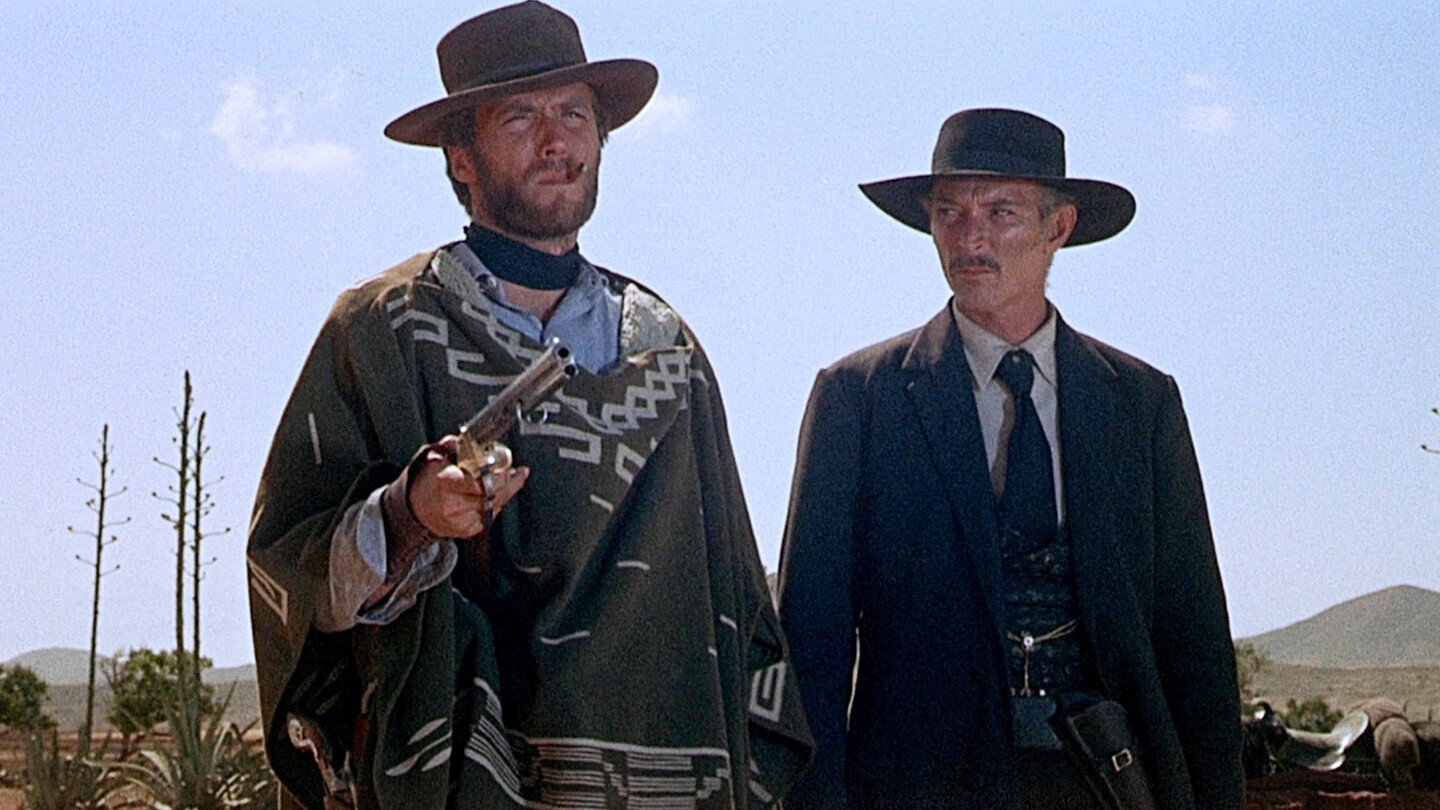
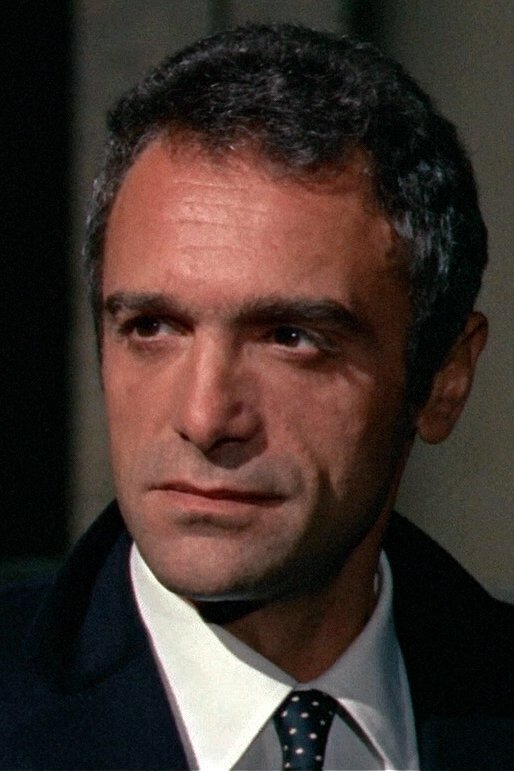
Sergio Leone’s For a Few Dollars More is a fine Western with a story that occasionally takes too long to get on with itself. The attraction is the time it spends on men deciding how much trouble another man might be. Clint Eastwood’s Manco and Lee Van Cleef’s Colonel Douglas Mortimer are bounty hunters pursuing El Indio, played by Gian Maria Volonté. Their rivalry makes that pursuit considerably more interesting than a simple hunt for a bandit.
Van Cleef supplies the resistance Eastwood needs: someone whose authority does not depend on being impressed by him. We cannot take Manco’s superiority for granted, and that uncertainty keeps the exchanges lively even when neither man seems inclined to hurry. Eastwood’s reserve is funny because Van Cleef can answer it without fuss. Both performances invite us to enjoy the calculation behind the calm, though Van Cleef gives us more to wonder about. The film benefits every time it lets the pair occupy our attention together.
The hat-shooting standoff makes a fair account of Leone’s priorities. A display of marksmanship becomes an absurdly elaborate way of refusing to back down, and he gives the joke time to grow. We laughed at how long these men were prepared to keep shooting hats just to avoid admitting defeat. Their vanity is as enjoyable as their accuracy. Stretching such business out could easily make it tiresome, but here the duration makes the rivalry funny.
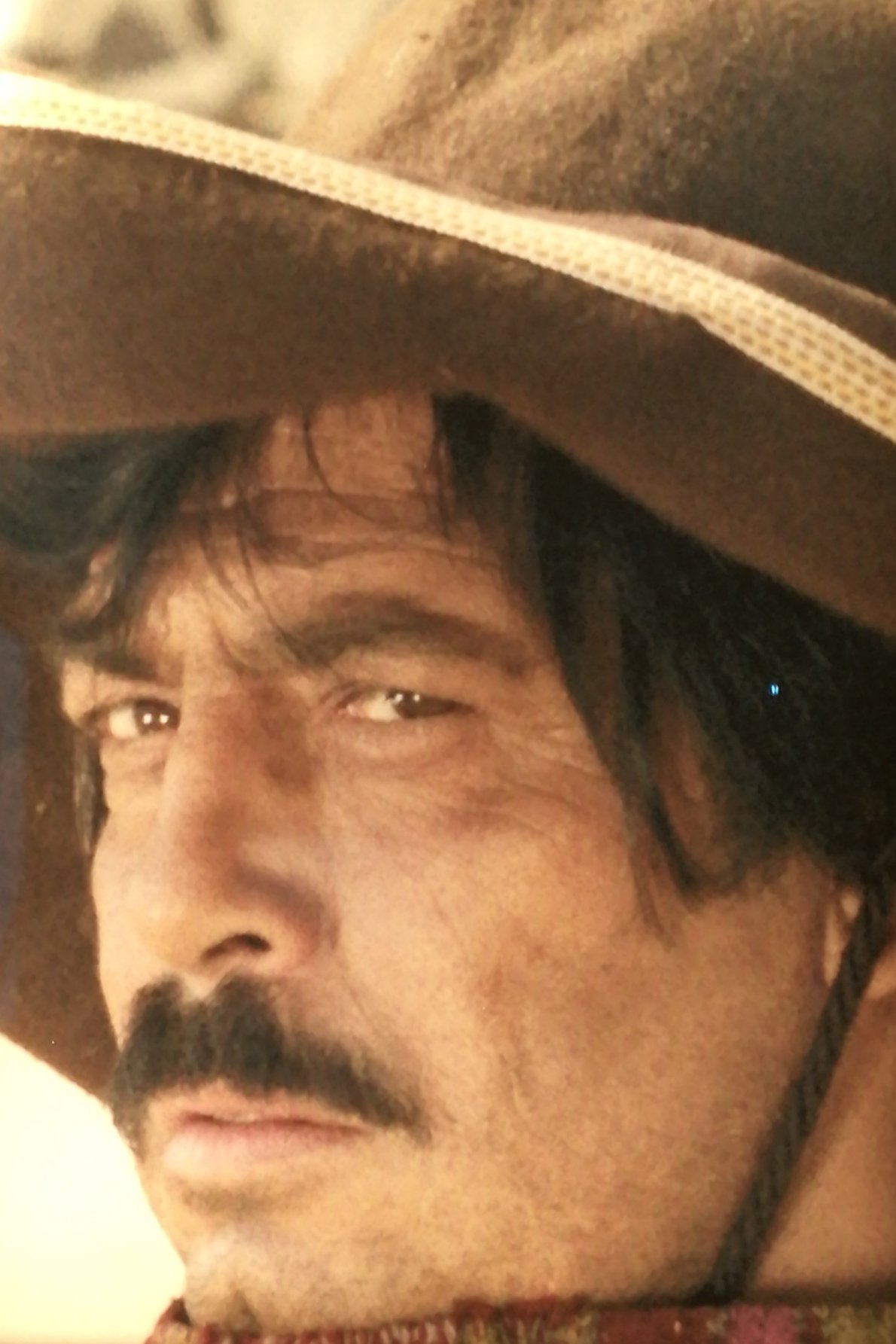
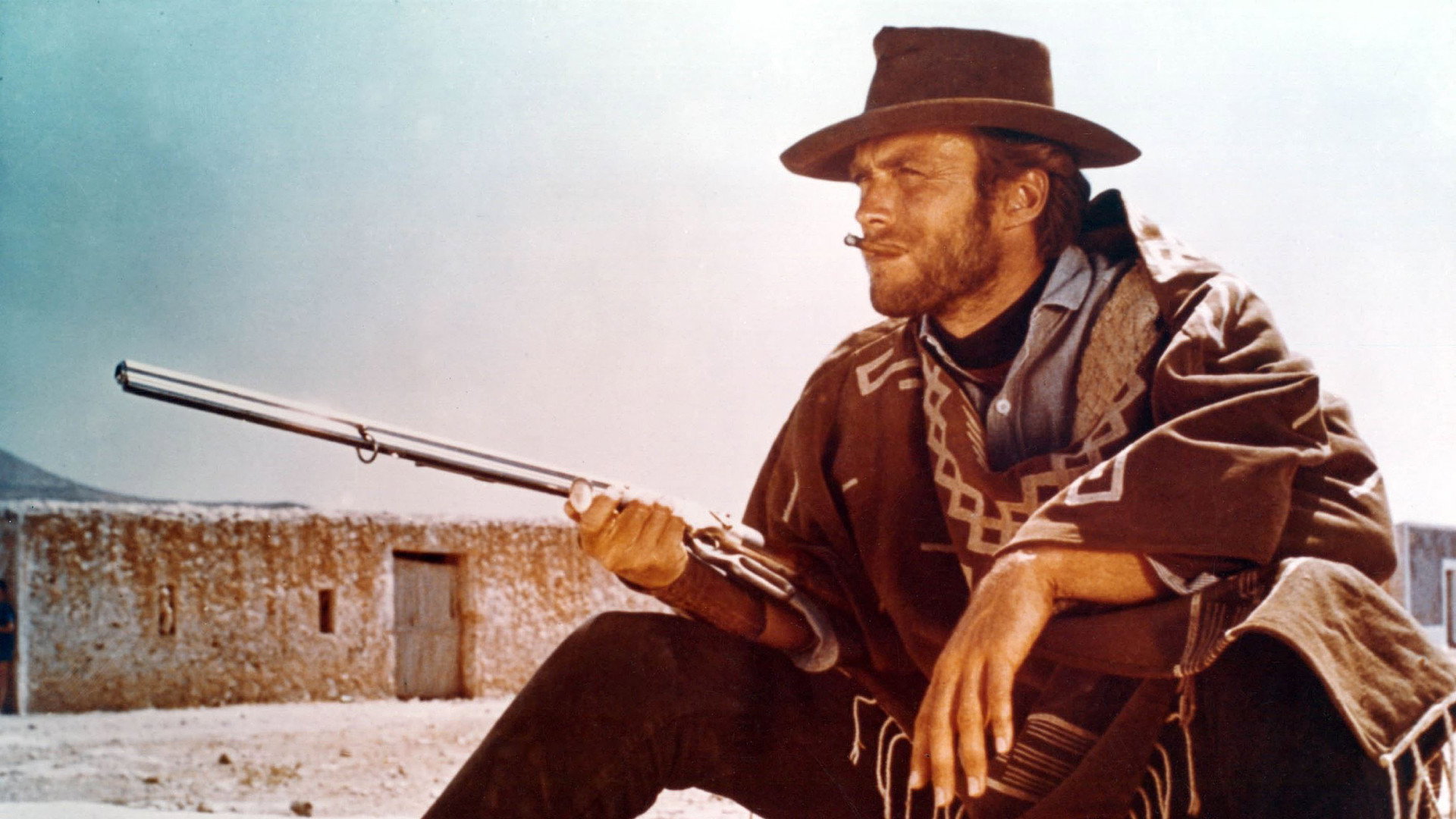
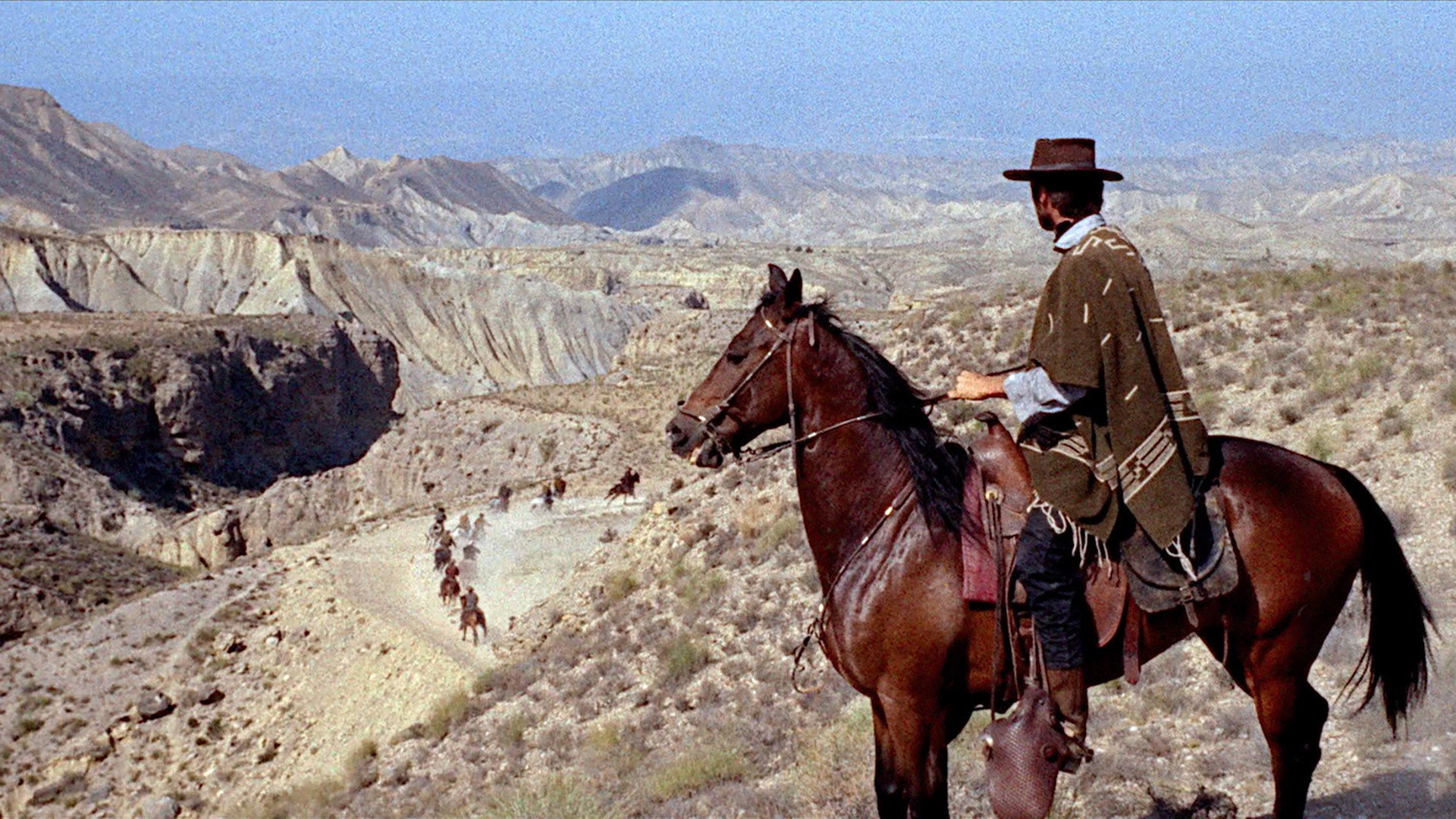
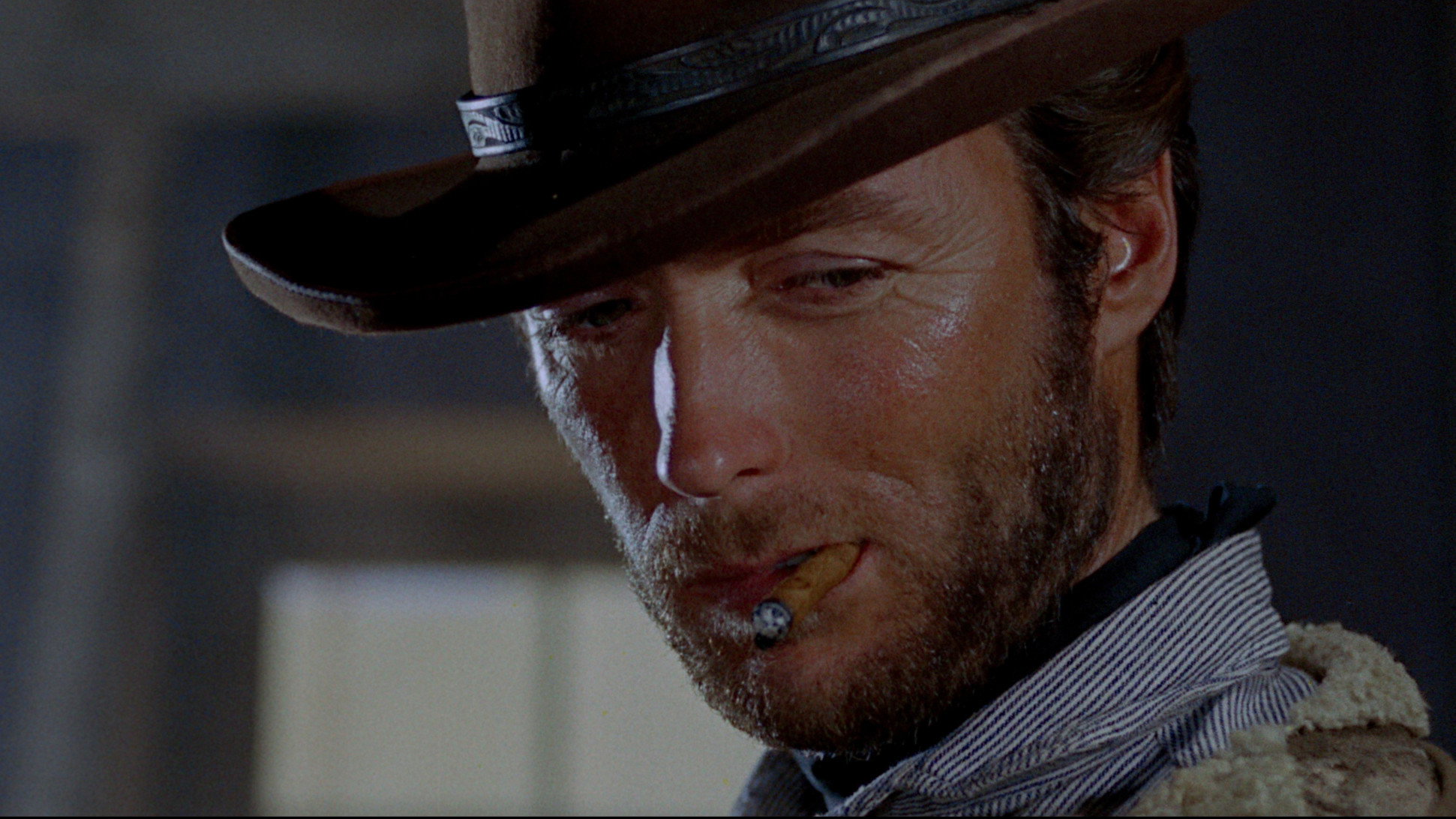
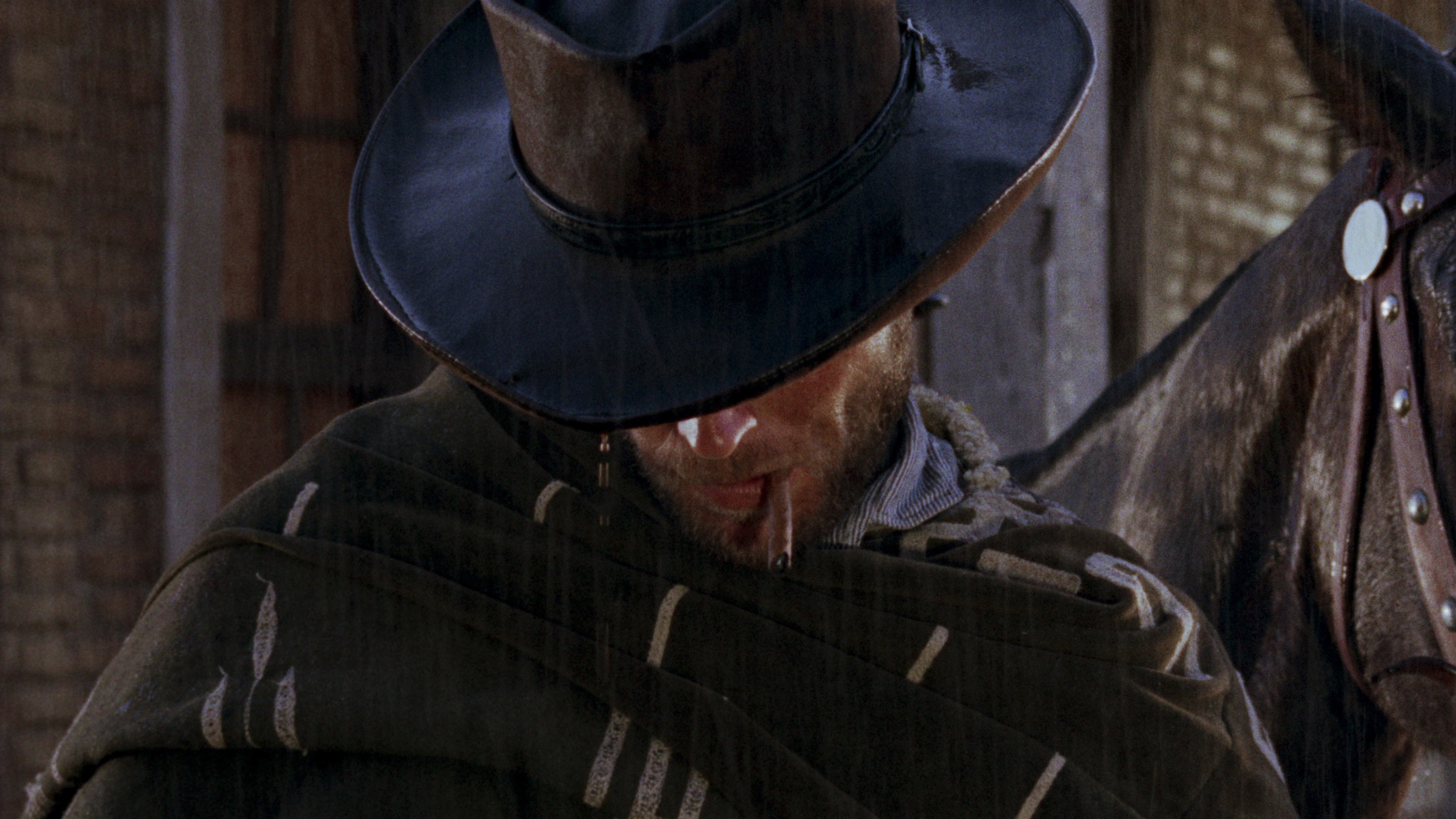
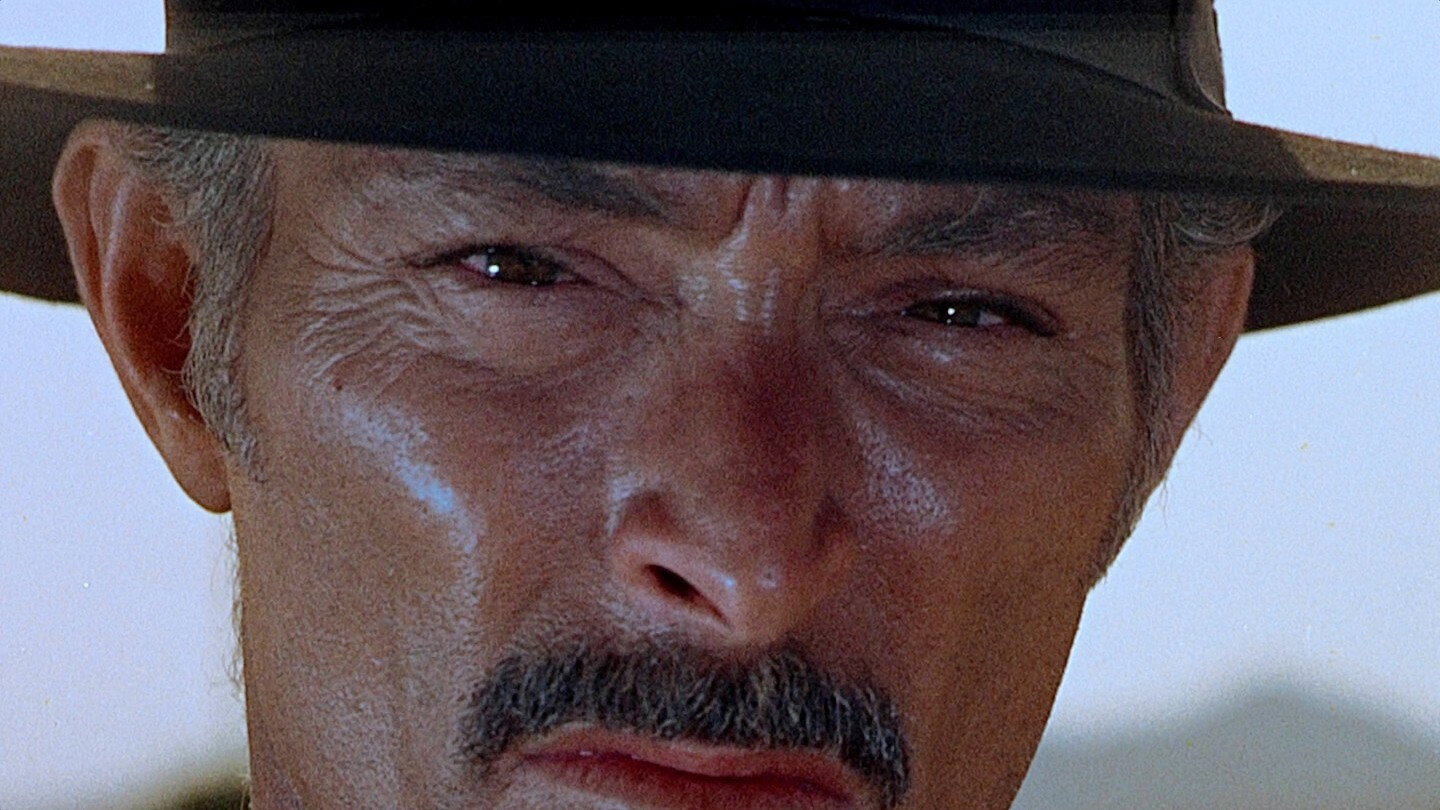
Massimo Dallamano’s widescreen framing gives these confrontations room, while the close-ups make the faces worth examining for signs of doubt. The sweat and roughness matter: polished heroes would look wrong in these images. Carlo Simi’s costume design helps the figures remain distinct amid all that competitive posing. Editors Giorgio Serrallonga and Eugenio Alabiso make the waiting readable, allowing us to weigh the men against each other rather than merely anticipate a gunshot. The cutting is most effective when a small detail can hold our attention without another piece of plot arriving.
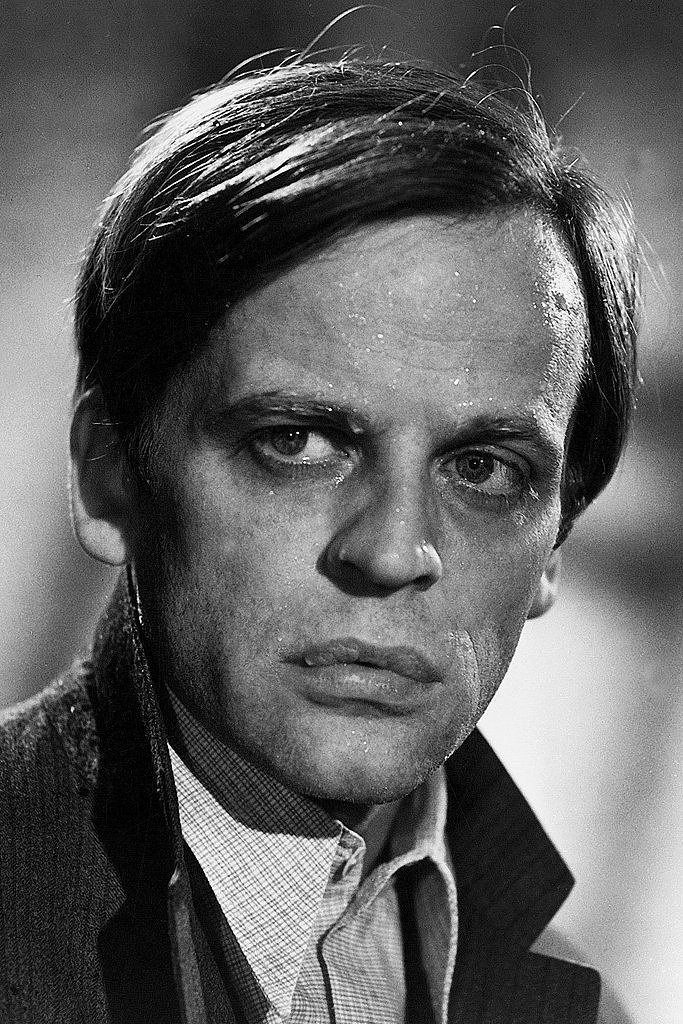
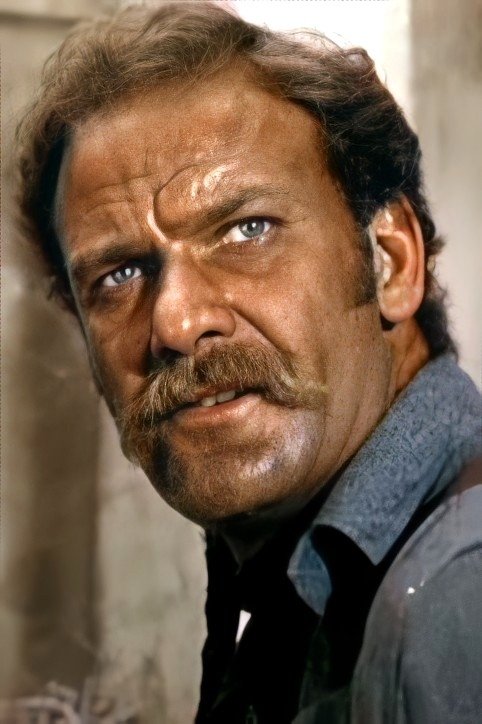
Ennio Morricone’s elaborate score is a good match for confrontations that have little interest in plausible behaviour. Its extravagance makes the prolonged threats feel important enough to justify the delay, and Leone is right to give it so much room. Volonté’s El Indio supplies a more openly threatening presence than either hunter, a welcome change after so much practised composure. Klaus Kinski, as Juan Wild, adds another face that commands attention before we have sorted out its importance. The supporting cast keeps the succession of encounters from becoming anonymous.
The weakness is the joining-up. Luciano Vincenzoni and Leone’s screenplay gives individual confrontations more weight than the movement between them, so the next encounter can seem more important than why anyone is having it. At 132 minutes, the film has stretches where patience gets less of a return. We would happily lose some of that connecting material, though not the pauses that let a contest become ridiculous or dangerous. Anyone waiting for the pursuit to acquire a brisk, steady rhythm is likely to grow restless.
As a Western, it gets unusual mileage from letting dangerous men look faintly ridiculous. The hunters’ readiness to compete over something as petty as a hat makes their company more enjoyable, without giving us much reason to consider them decent. We recommend it for the humour as much as the menace, with some tolerance required for the wandering story. Allow it the evening, but do not expect anyone to get straight to the point.