Roland Joffé’s historical drama has the scenery, music and conviction to hold us, but Robert Bolt’s script leaves its people underdeveloped. Jeremy Irons supplies some of the feeling the writing misses.
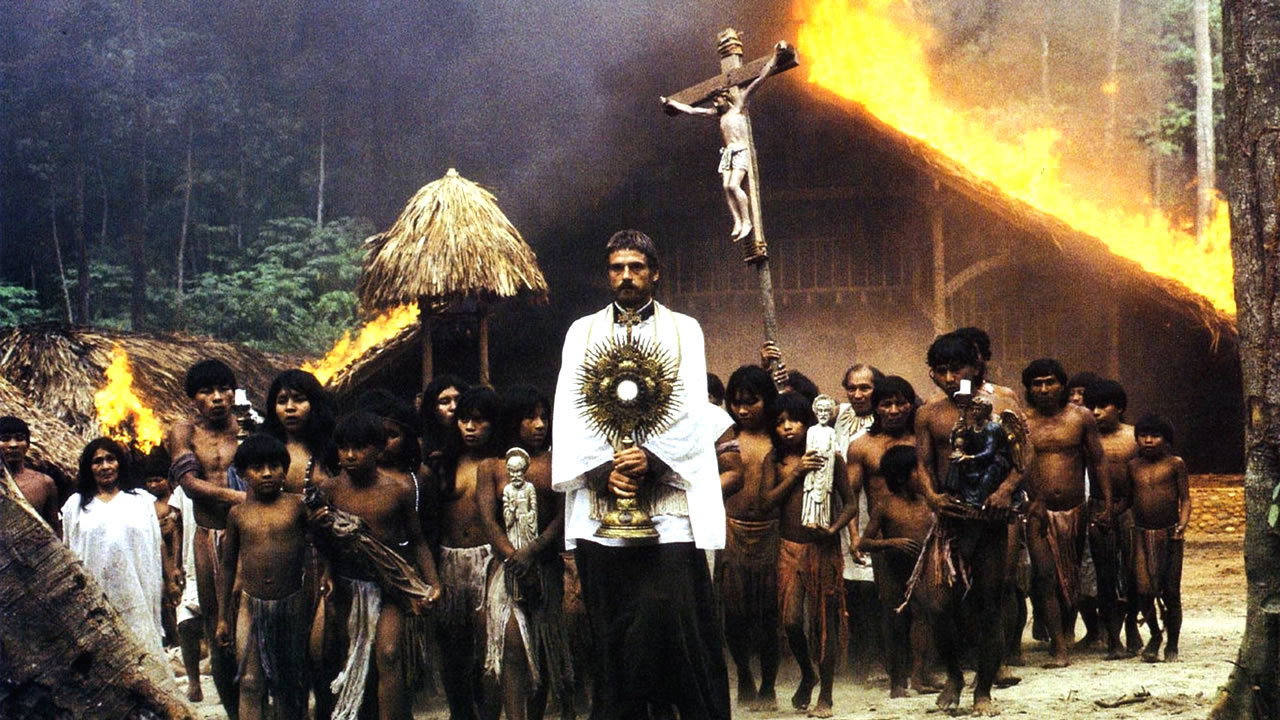
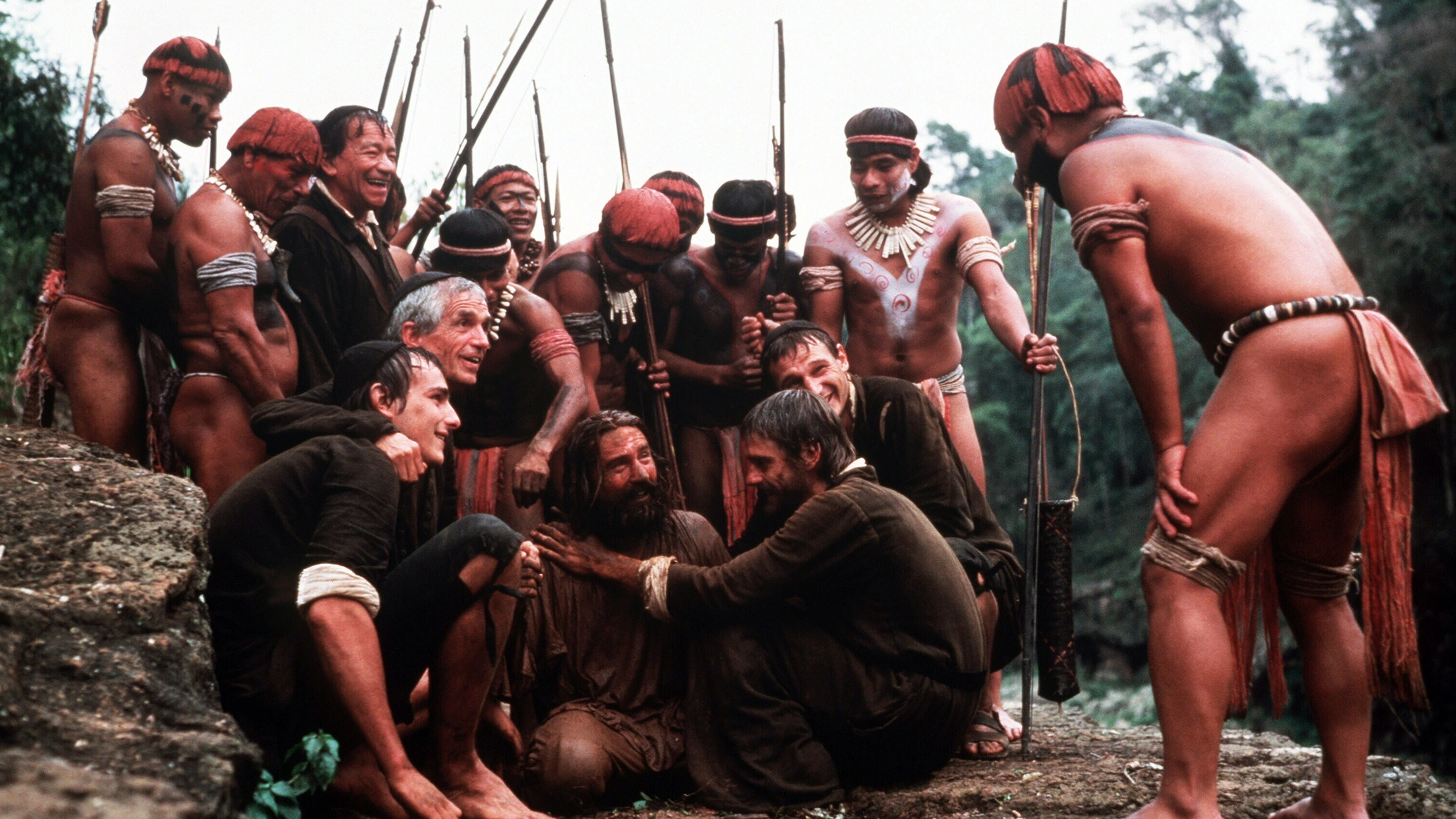
Roland Joffé’s The Mission is worth considering for its landscapes, its music and Jeremy Irons, with a substantial caveat about the writing. It wants to make faith, redemption and political power feel urgent, and it has the scale for that undertaking. Robert Bolt’s screenplay gives the competing convictions plenty of weight, but leaves the people carrying them insufficiently developed. We can see why these questions matter without becoming much involved in the lives through which the film asks them.
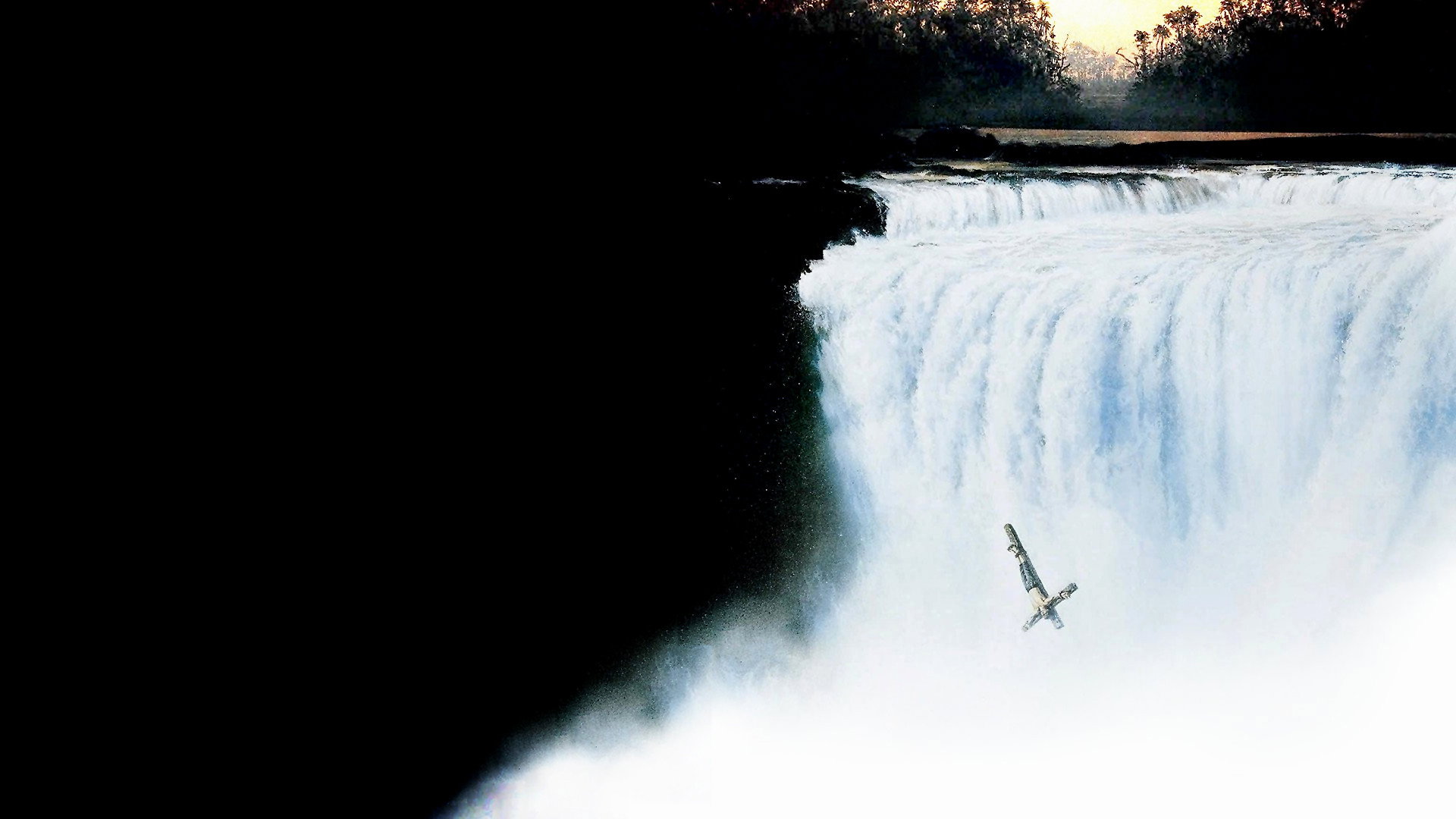
The opening gives us the film at its most direct: a crucified missionary at the Iguazu Falls. We were horrified by that small human figure against so much water. Chris Menges makes the difference in scale do the work; the setting offers no consolation for what is happening within it. Joffé needs no explanation here, because the image is enough to establish the cost of religious conviction. It also sets a level of immediacy that the subsequent drama struggles to sustain.
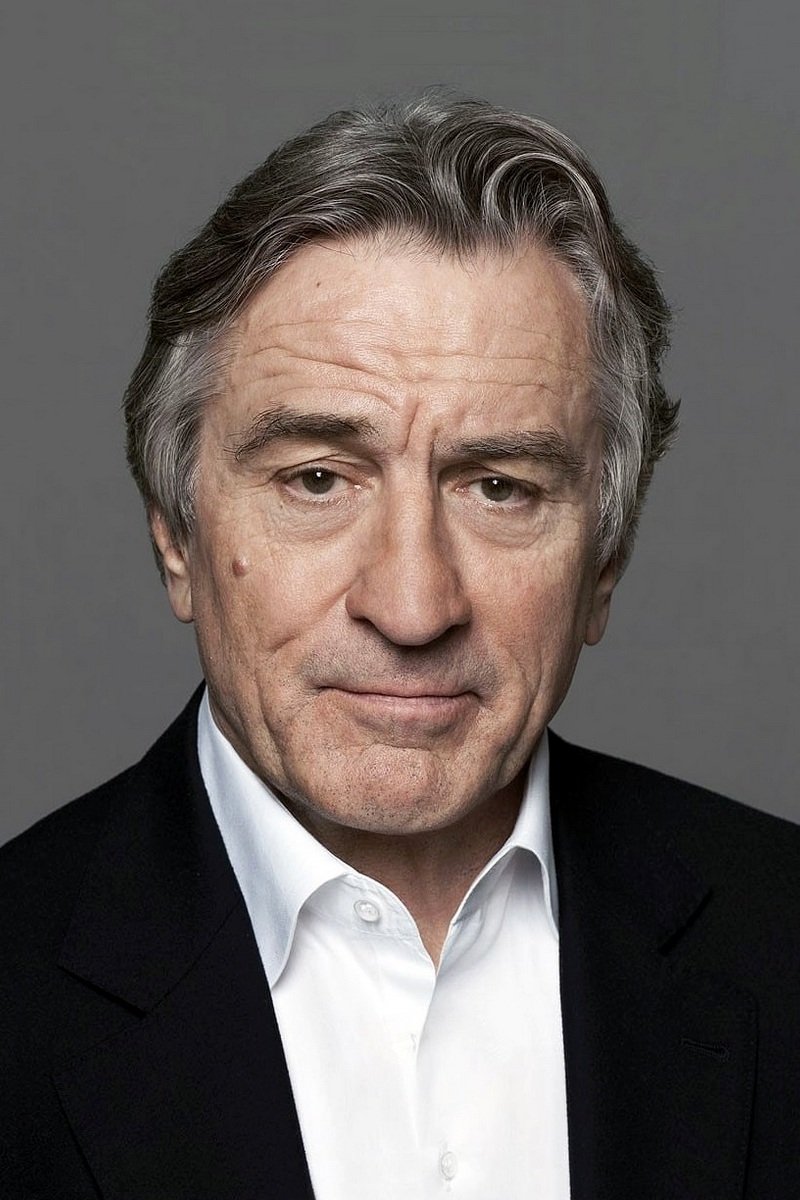
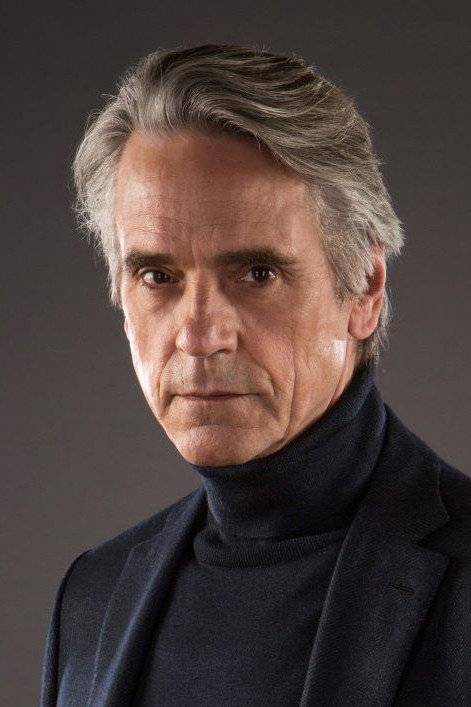
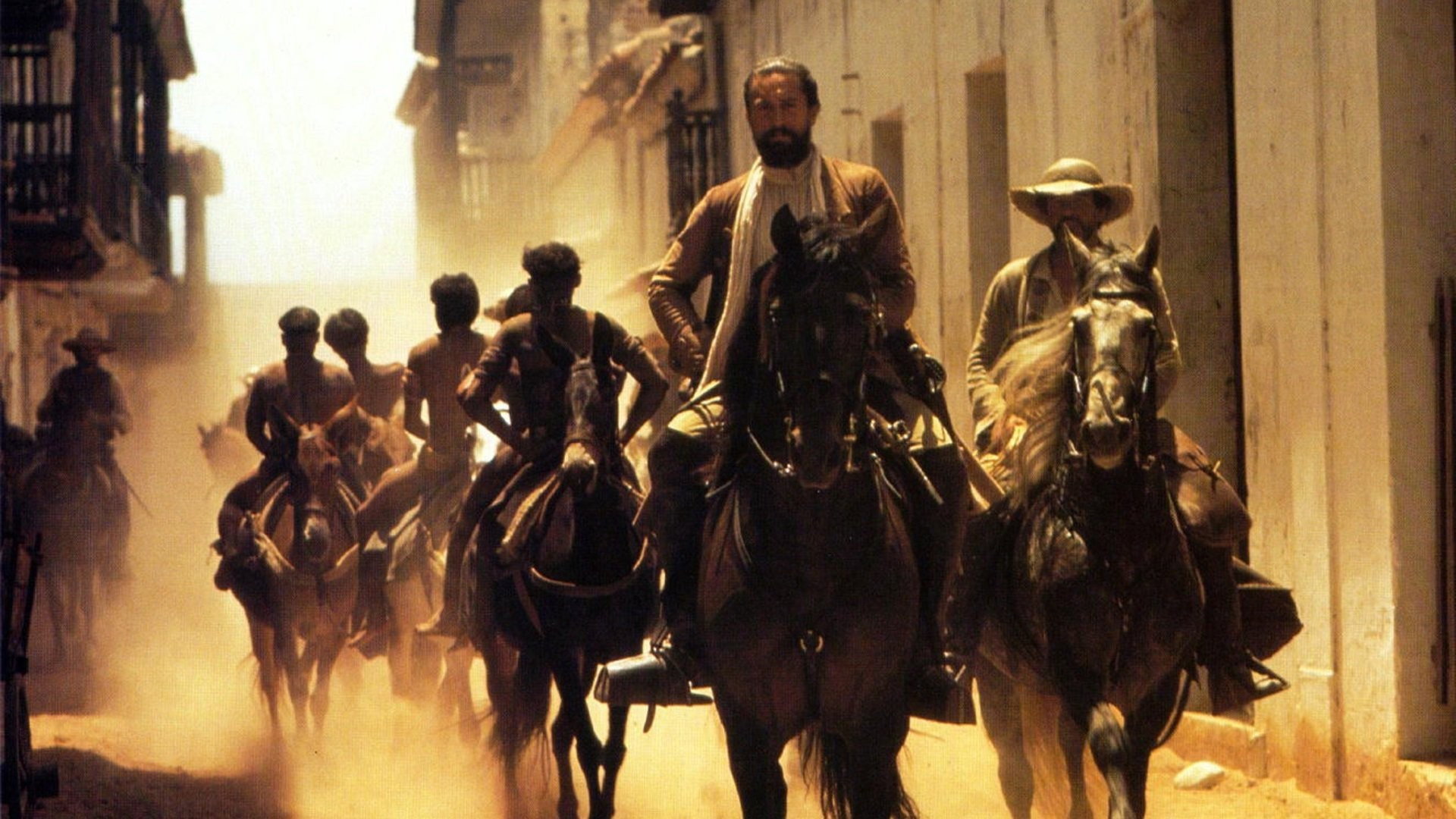
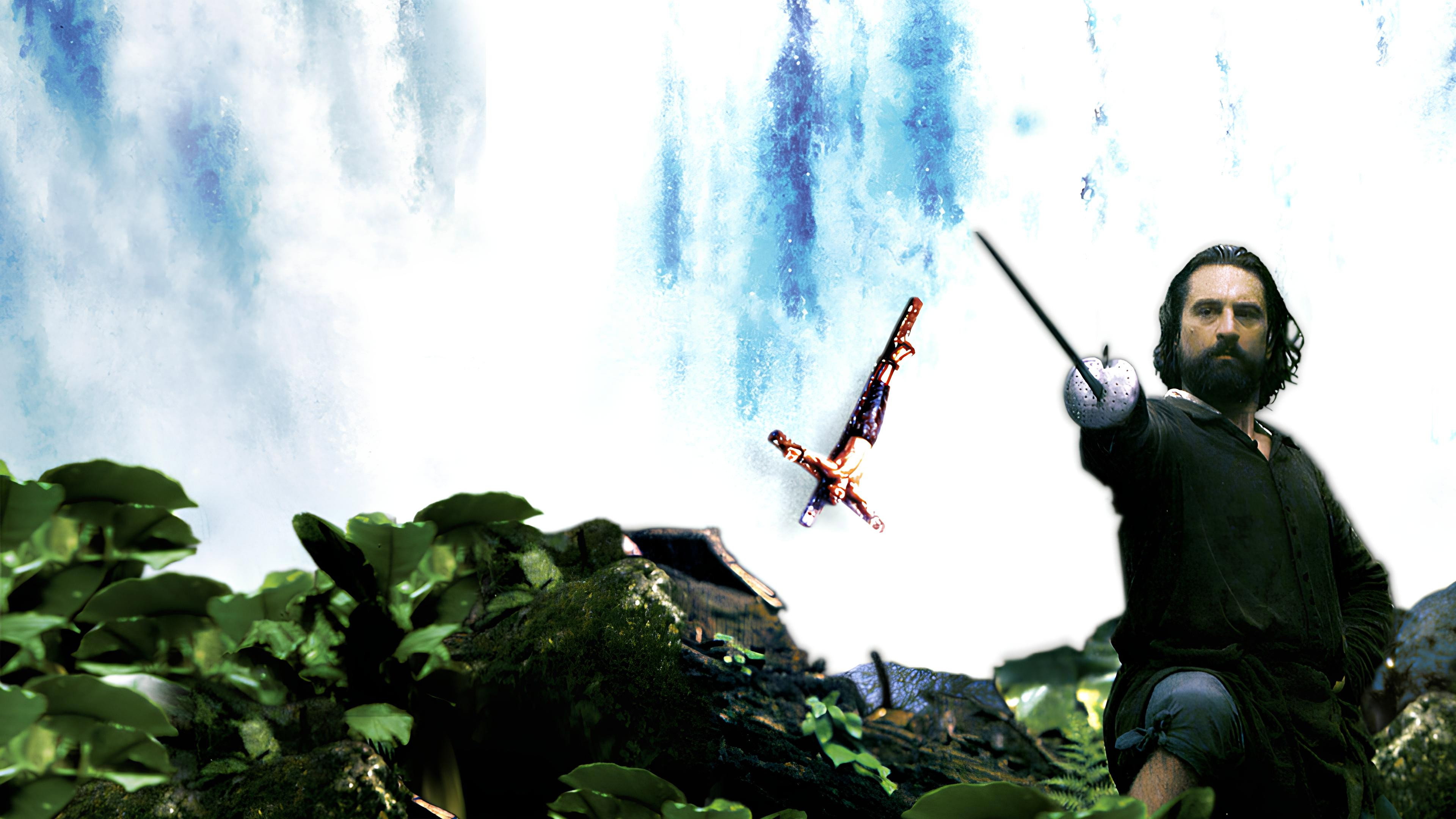
Irons, as Father Gabriel, comes closest to sustaining it. His performance has a quiet certainty that makes religious belief seem possible as a daily habit, not merely a position to defend. Robert De Niro gives Rodrigo Mendoza a forceful physical presence, but Bolt’s writing leaves too little room for uncertainty or contradiction. We understand the strength of these men’s convictions well before we feel we know them. Irons is particularly good at making that limited space seem sufficient.
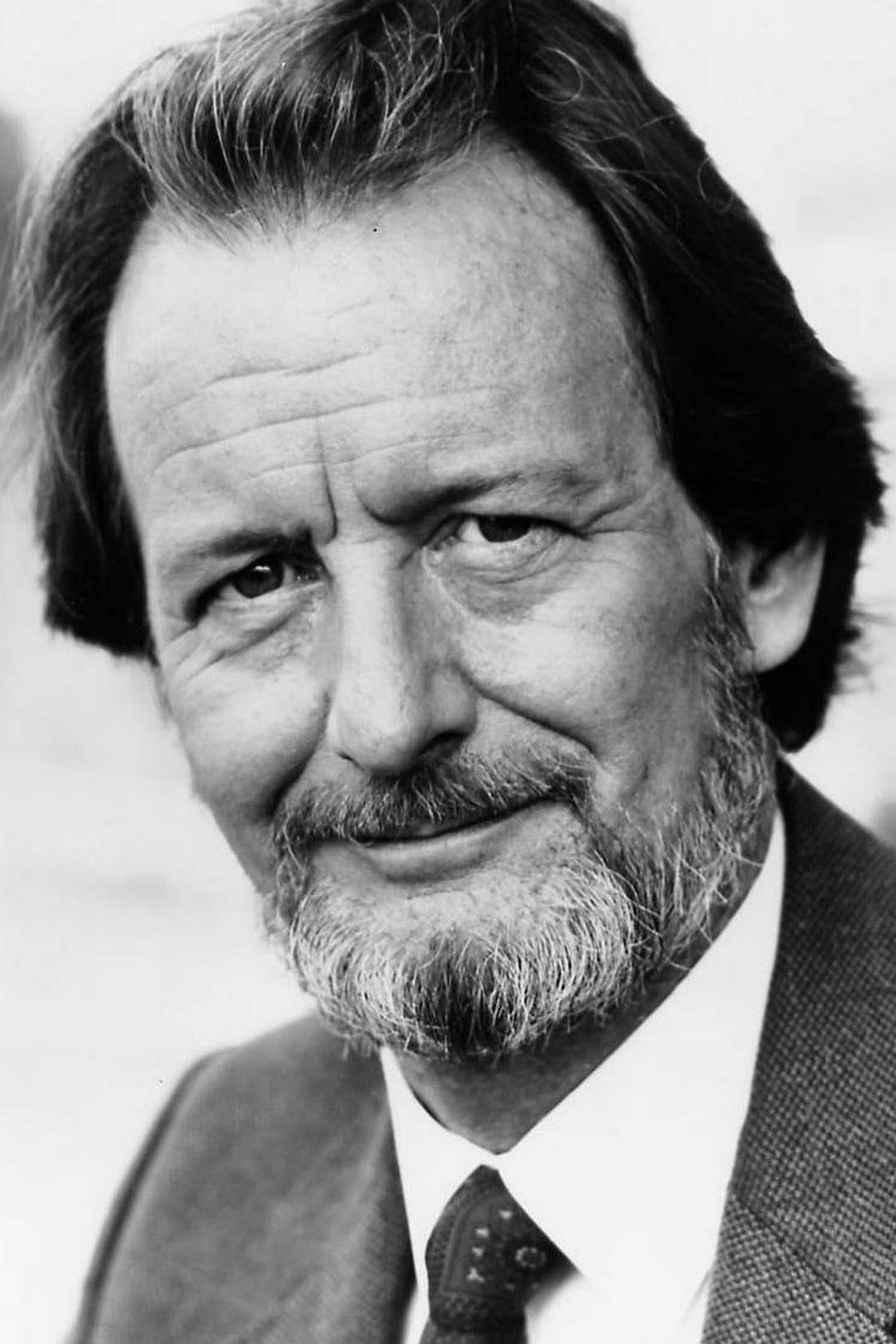
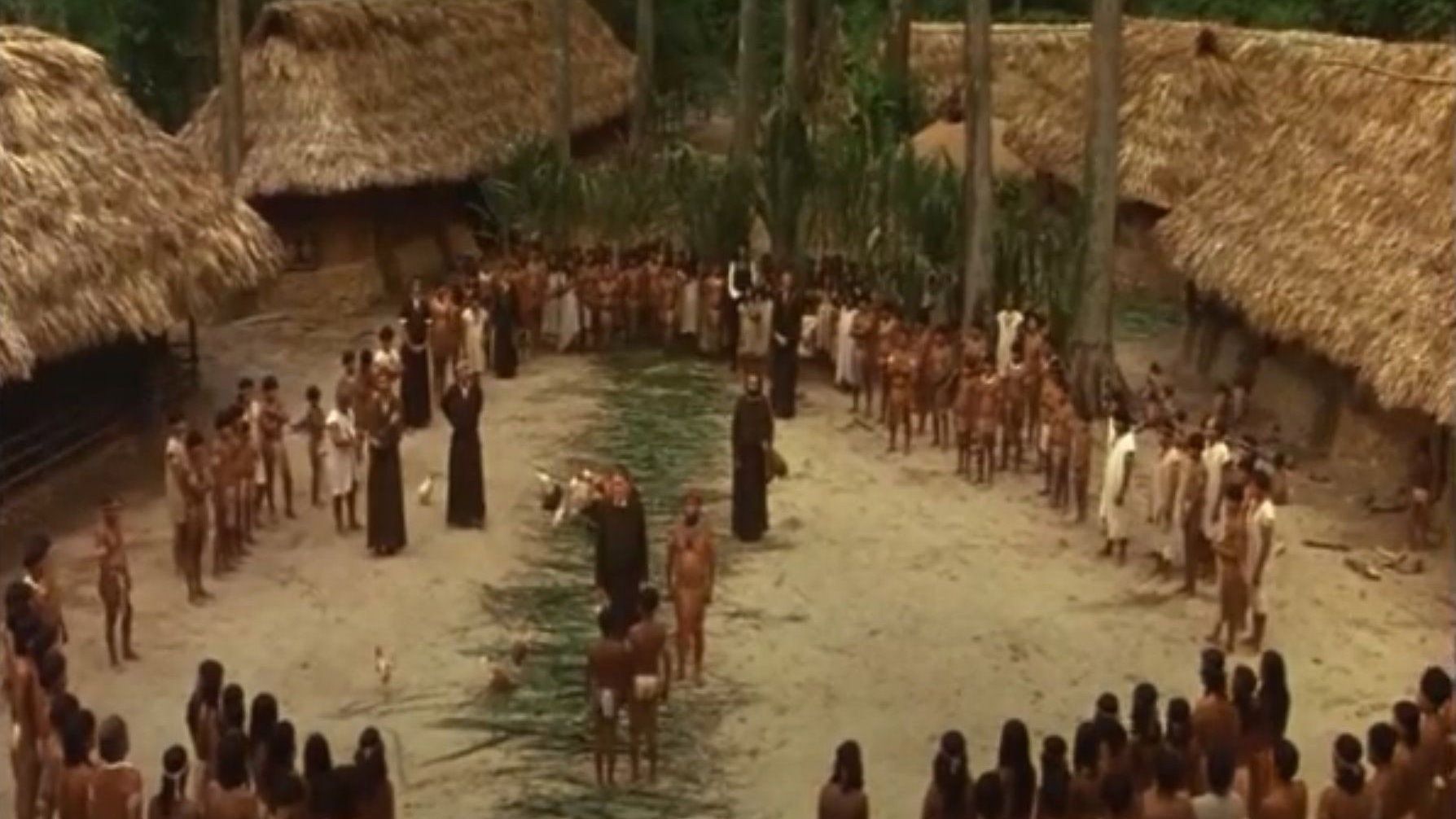
Ray McAnally gives Cardinal Altamirano enough individual presence to make the supporting cast worth attending to. He suggests that authority involves a person making decisions, which is something the larger drama can forget. Stuart Craig’s production design keeps the historical setting credible without distracting from the actors, though the falls are what we remember. The discrepancy matters because the film needs those people and their dealings to hold our attention once the landscape has done its work.
Ennio Morricone’s score is a considerable reason to stay. It gives the film’s religious feeling a warmth that the dialogue often lacks, and we found ourselves moved by it despite our reservations about the people. The music makes the solemnity easier to bear because it allows some tenderness into the picture. This is also where the film’s ambition seems most convincingly met: belief feels like something that might sustain a person through suffering.
Jim Clark’s editing is less reliable. The opening has a clean, frightening progression, while the later action becomes difficult to follow at precisely the moments when physical danger ought to make the moral dispute urgent. Joffé can stage an imposing image, but he and Clark do not always make clear how one piece of action connects to the next. A historical adventure needs that basic clarity, however serious its subject.
Those drawn to historical dramas about religious conviction will find enough here to justify the 125 minutes. We would be more cautious with anyone hoping the adventure will carry them through the theological questions. The film expects patience, and not every passage repays it. Choose it for an evening when the discussion afterwards is part of the attraction.