Xavier Beauvois’s account of Trappist monks in Algeria deciding whether to stay as the killing comes closer is slow, plain and quietly devastating. It lingers a little too lovingly on its own stillness, but Michael Lonsdale alone is worth the evening.
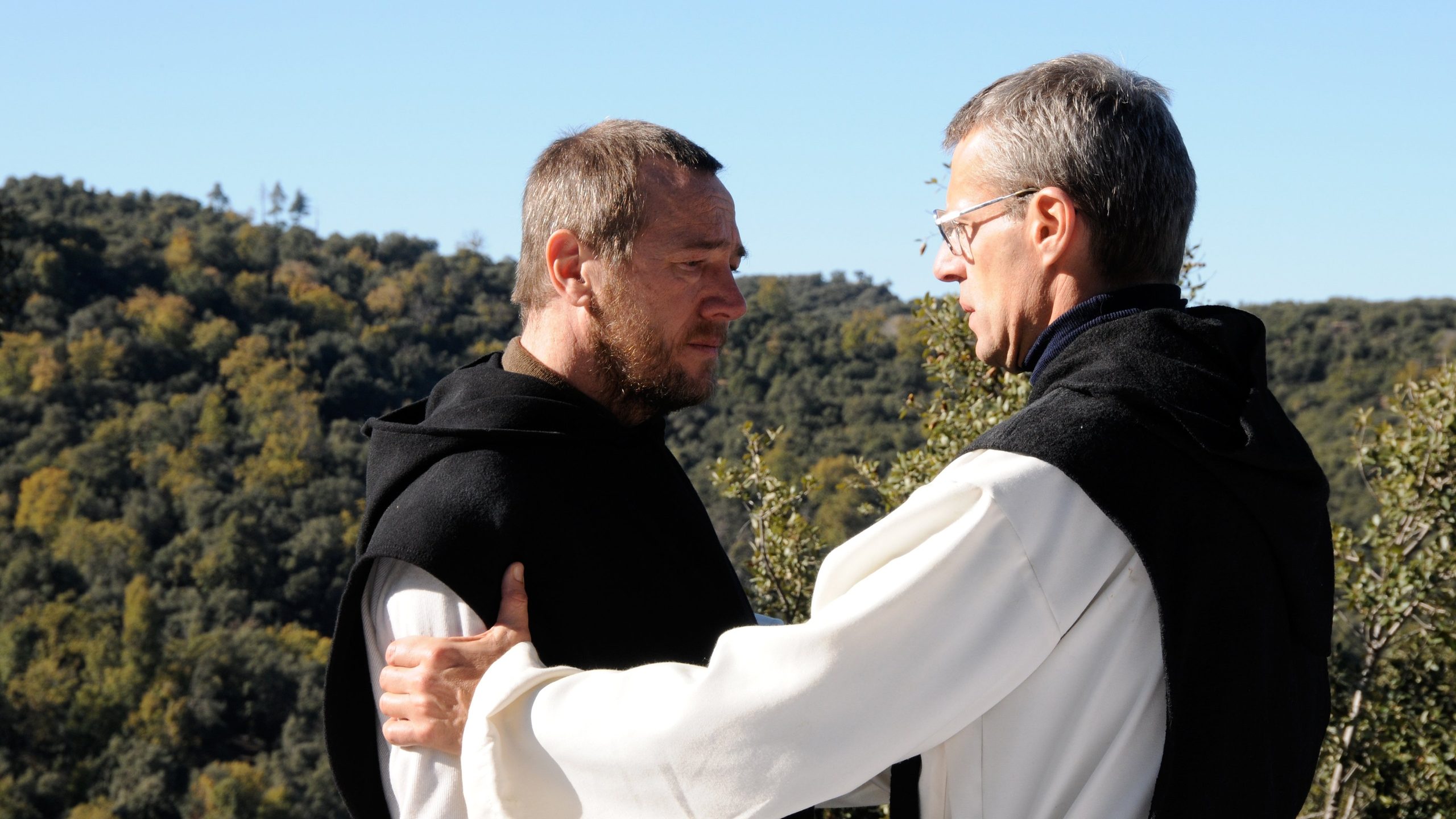
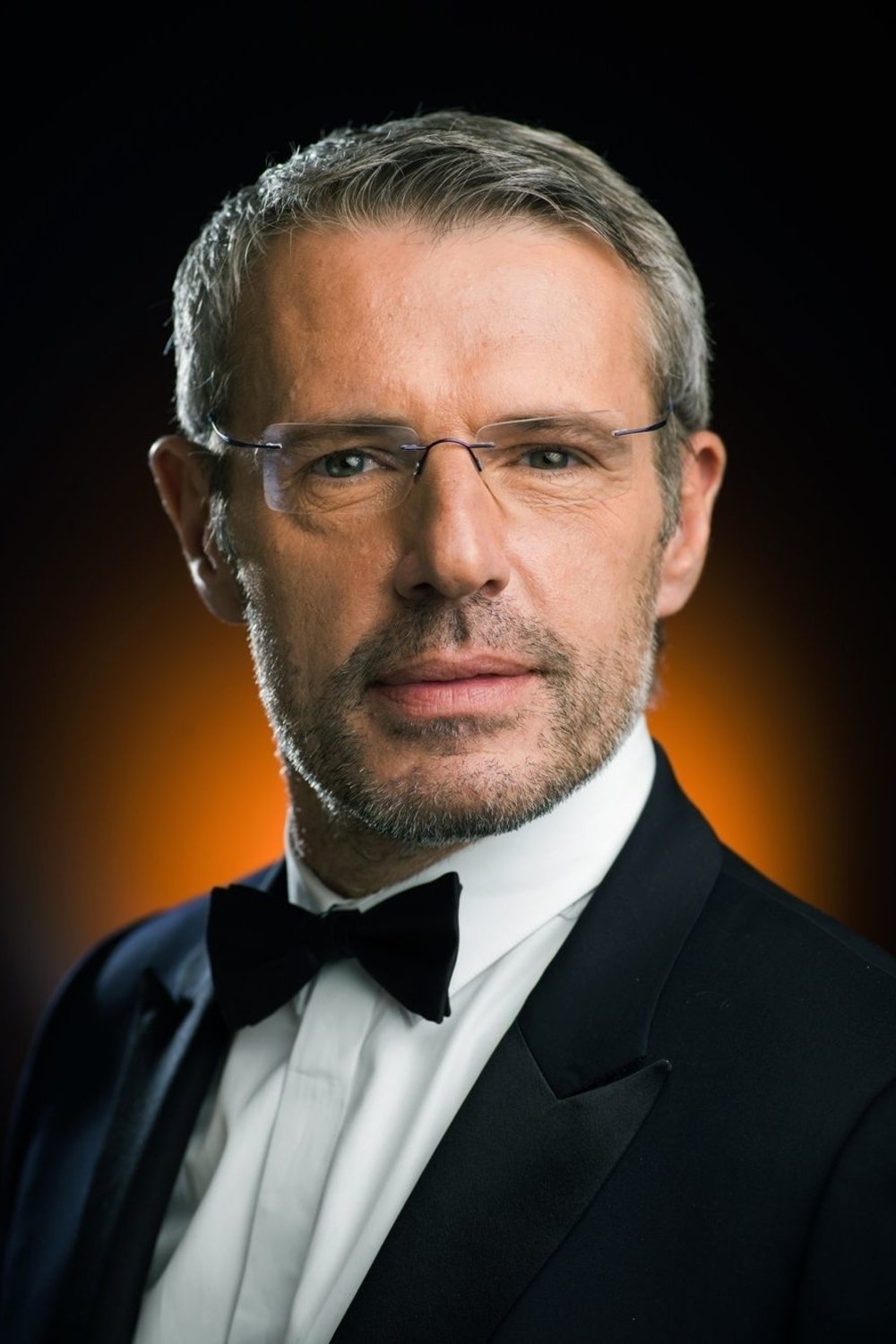
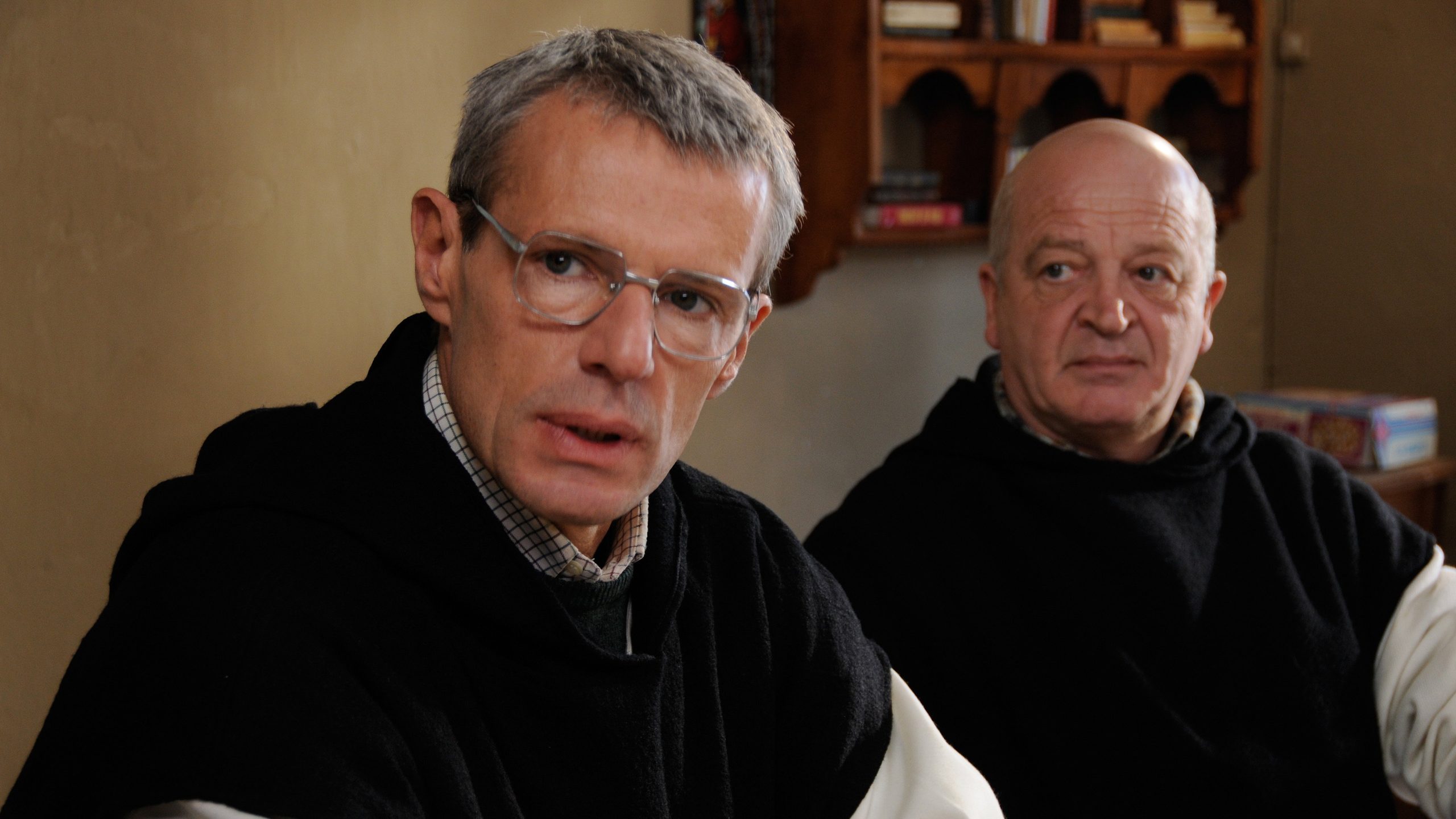
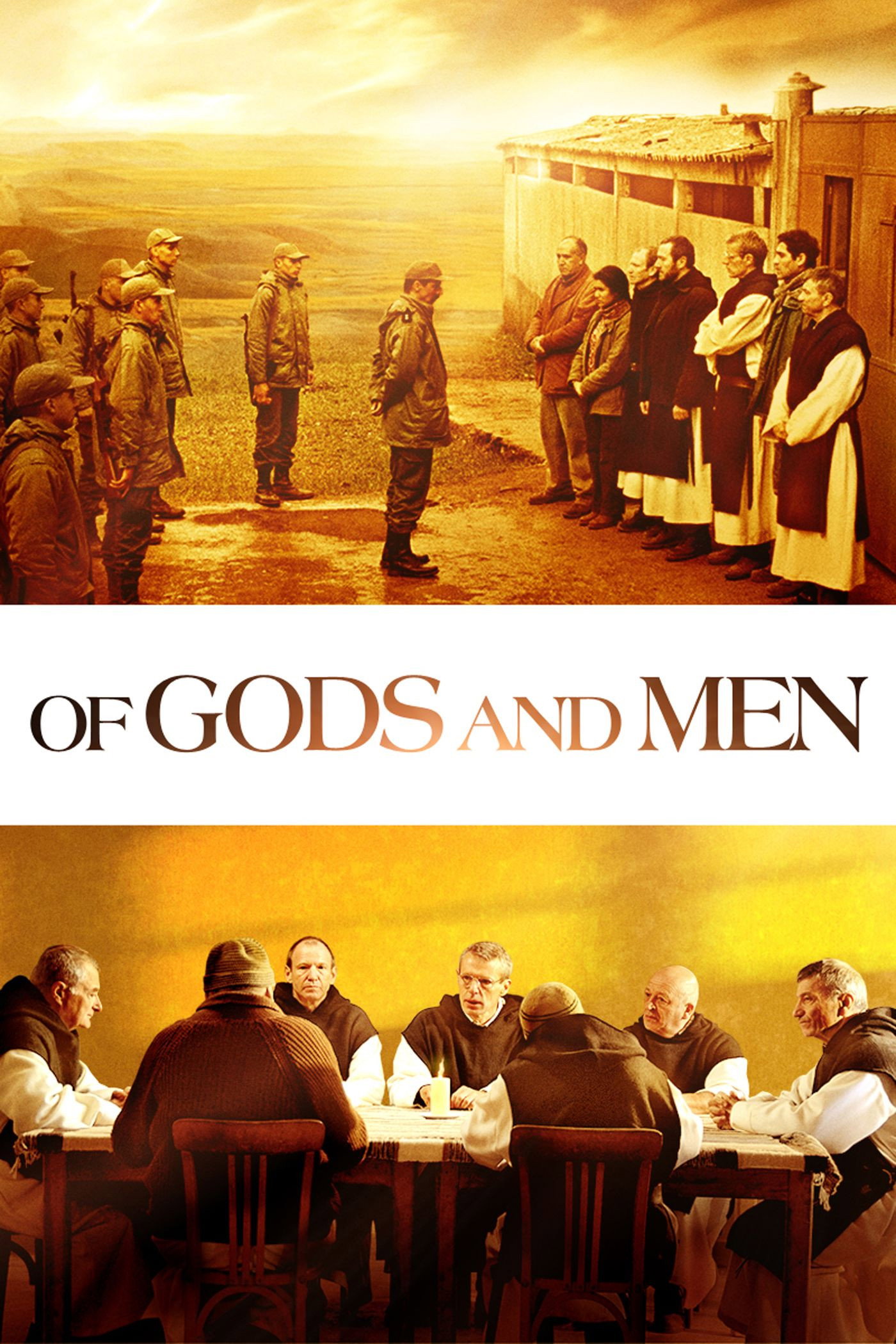
The monks of Of Gods and Men keep bees, grow vegetables, sell honey at the market and go to chapel a great deal. Xavier Beauvois spends the first half hour on this. Brother Luc (Michael Lonsdale) hands out tablets and second-hand shoes to a queue of villagers. The prior, Christian (Lambert Wilson), does the talking when anyone from outside comes to the gate. The film is based on the true story of a Trappist community in Algeria in the 1990s, and Beauvois wants us to know what is at risk before anyone picks up a gun.
It is a good film, better than good in stretches, and we would put it in front of anyone who can sit still for two hours. Beauvois, who wrote the script with Étienne Comar, has built the whole thing on one question, stay or go. It arrives when the killings by militants in the countryside come close to the village. The army offers to post soldiers at the monastery and Christian turns them down. The local official, Nouredine (Abdelhafid Metalsi), tells him to take his brothers home to France. Christian says they will stay, and he says it without asking anyone.
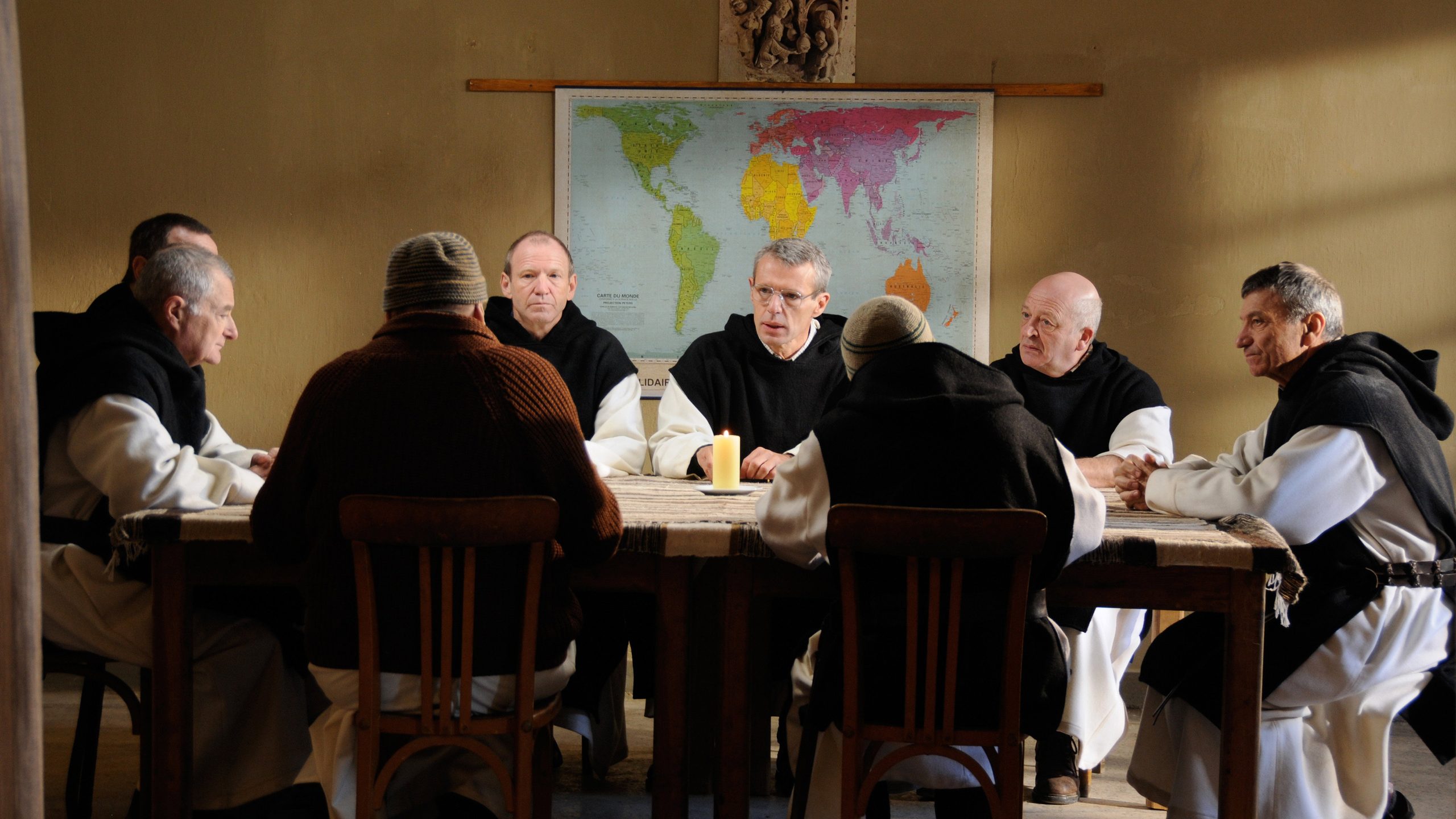
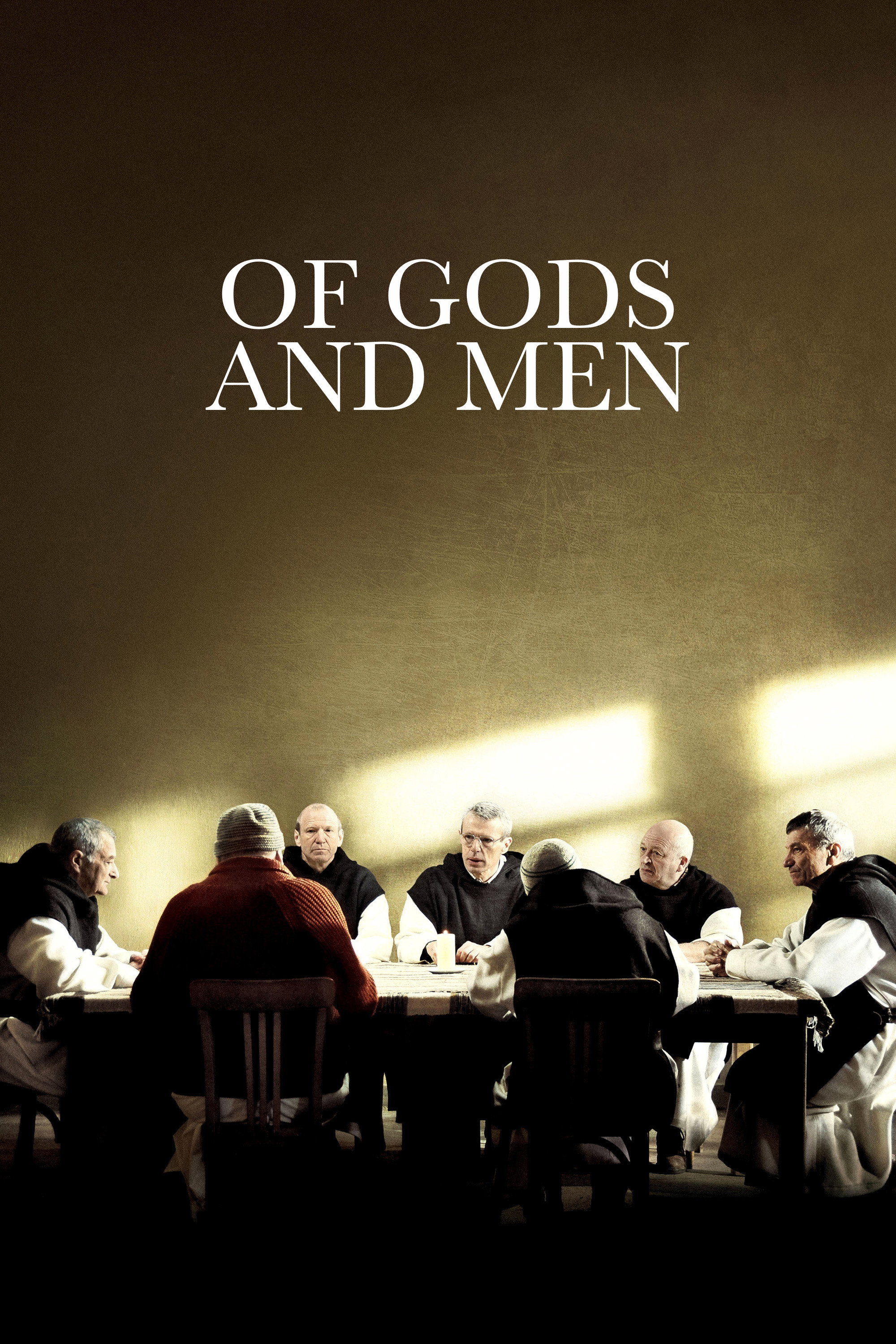
The argument around the chapter table is the spine of the film, and Marie-Julie Maille cuts it the way the monks live, without haste. The camera goes round one face at a time and each man gets the whole of his sentence. Paul (Jean-Marie Frin) wants to go. Célestin (Philippe Laudenbach) is frightened and says so. Amédée (Jacques Herlin), the oldest, came here to live and sees no reason to change that. Christophe (Olivier Rabourdin), the youngest, does not know. It is one of the few scenes of men deciding something where we believed the decision was still open.
Later there is a confrontation at the monastery gate, and we will not say who arrives or what they want. Christian handles it in the courtyard, on his own. Caroline Champetier shoots it in the flat blue of a winter afternoon with nothing on the soundtrack but boots on gravel, and our hands were cold by the end of it though nobody had been touched. Wilson plays Christian as a man braver than he is likeable, and this is the scene where that pays.
Michel Barthélémy’s monastery is whitewash, worn wood and one bare bulb to a room, and Marielle Robaut’s habits are the only white in a landscape of ochre and dust, so that in the wide shots the brothers look like chalk marks on a hillside. Mike Kourtzer is credited with the music, but most of what we hear is the men themselves singing plainchant, and Beauvois lets each hymn run its full length. The first two times this is beautiful. By the fourth we were wondering how much of the office was left.
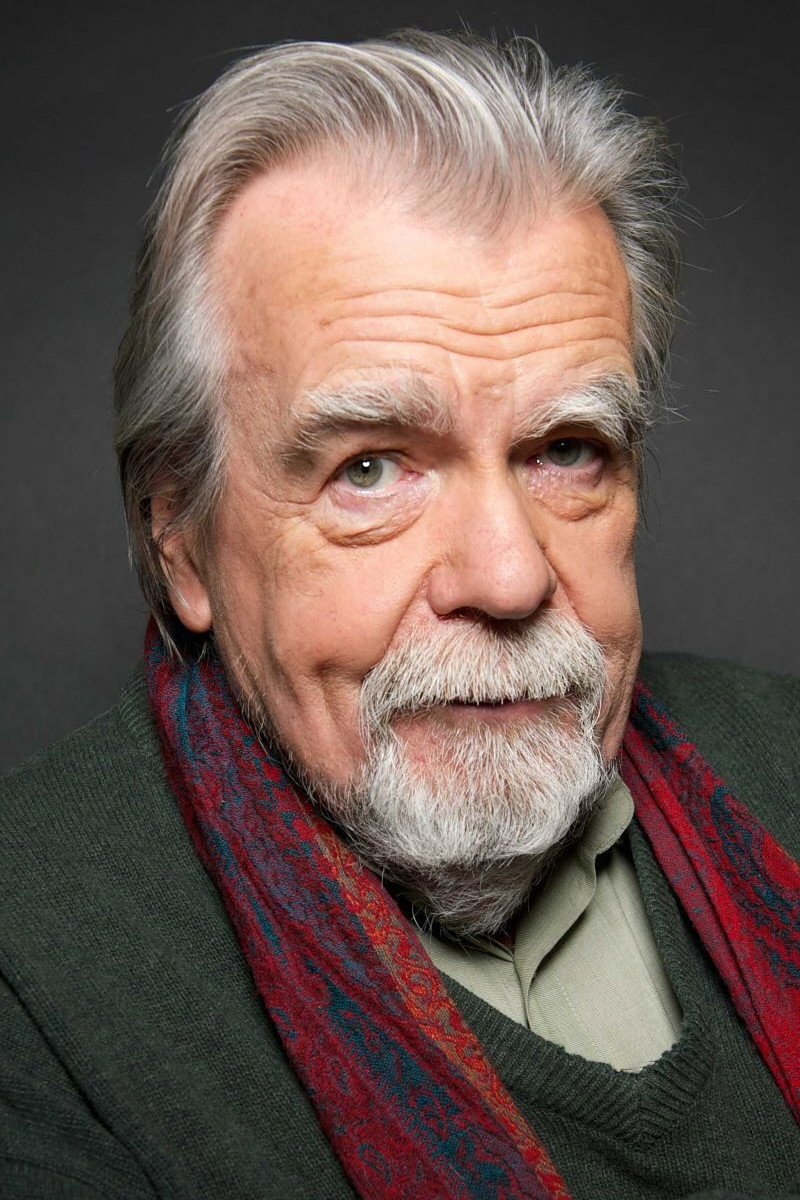
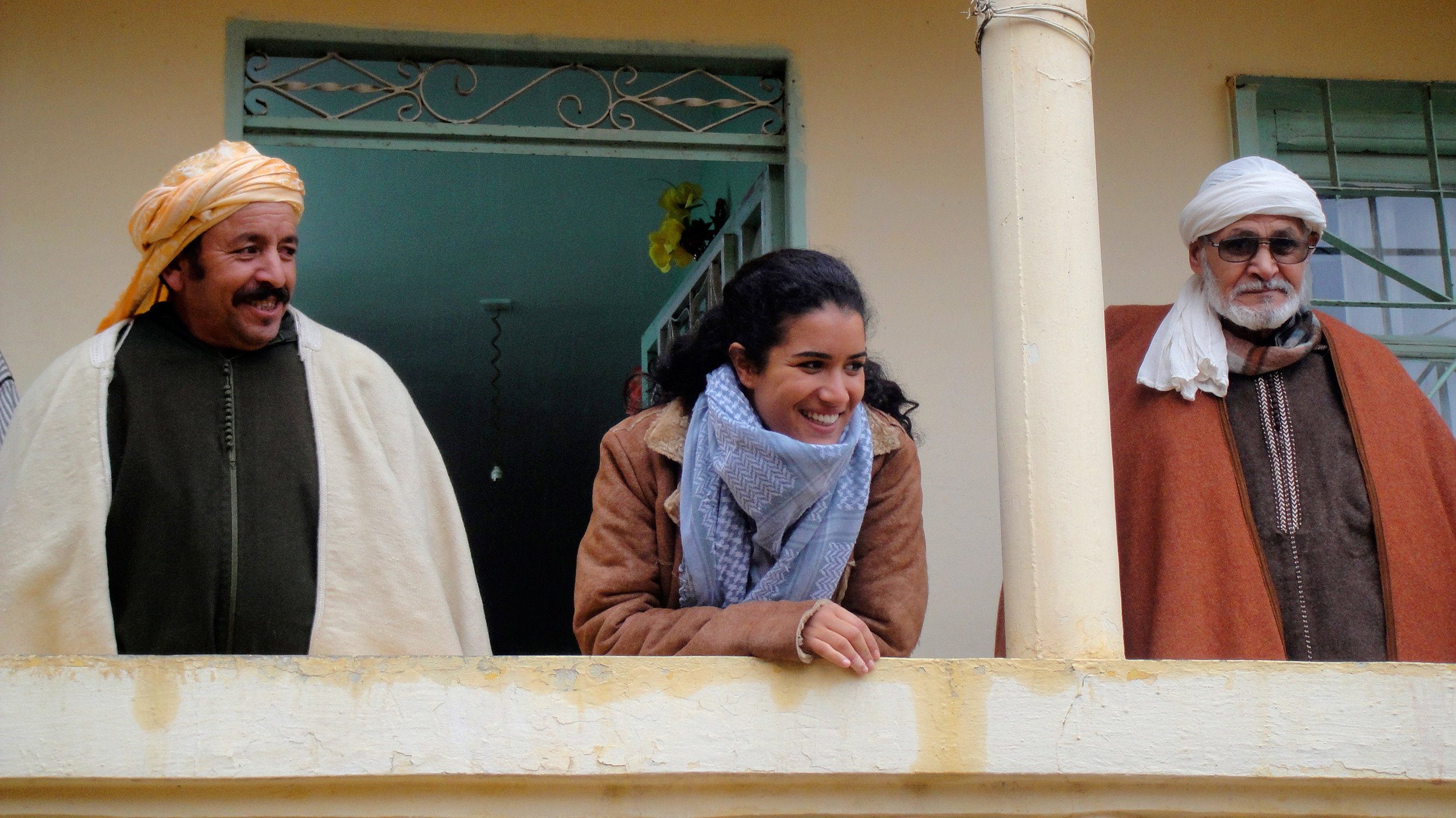
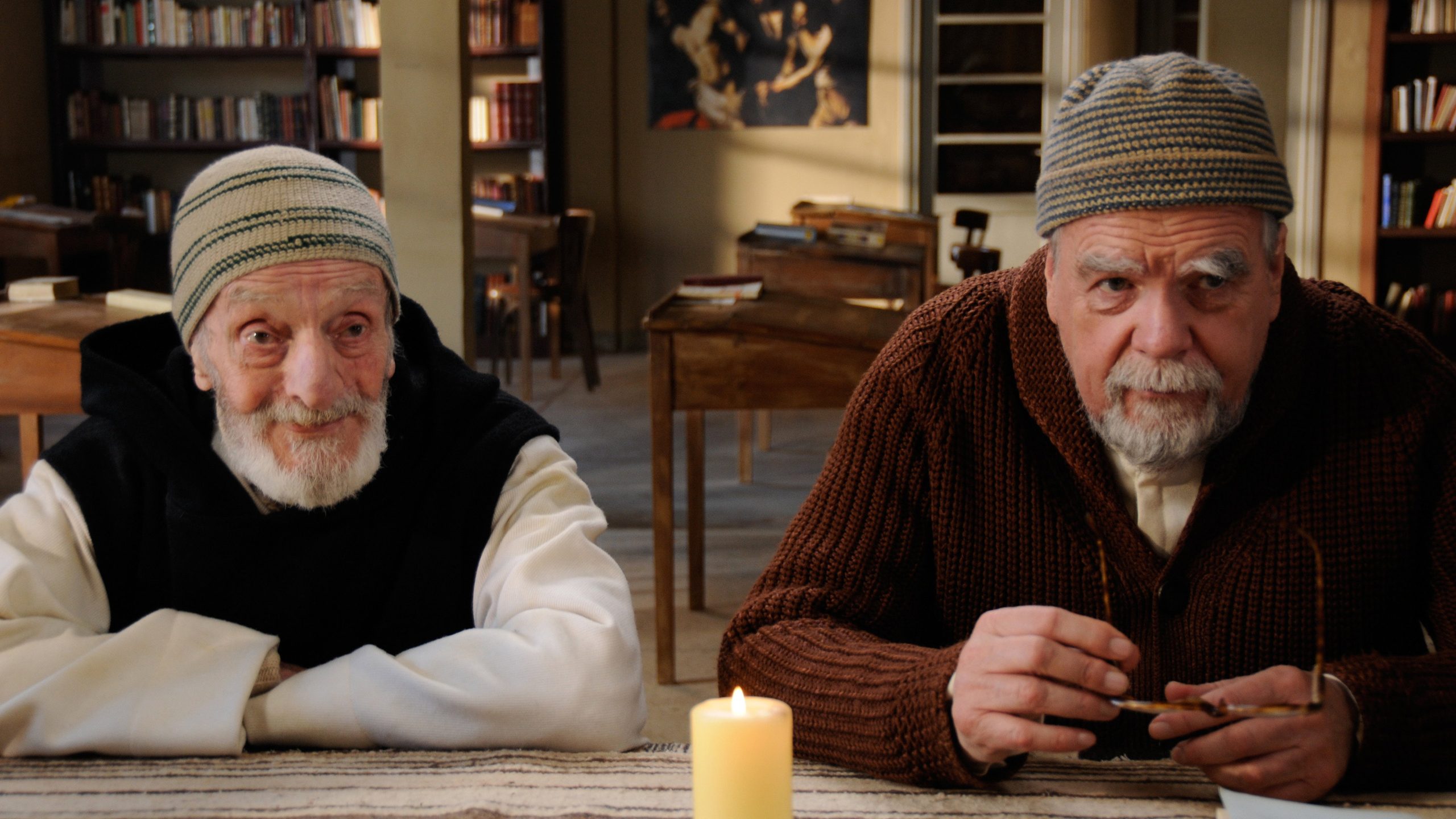
Lonsdale is the reason to see it. Luc is old, heavy, short of breath and entirely unafraid, and Lonsdale plays him as a man who did his worrying decades ago. A village girl, Rabbia (Sabrina Ouazani), asks him what it is like to be in love, and he tells her, from experience. It moved us more than anything in the chapel did. A late supper, scored to Tchaikovsky and singled out in most reviews, has Champetier’s camera going slowly from face to face and holding each one a beat past comfortable. We wept, and slightly resented being made to.
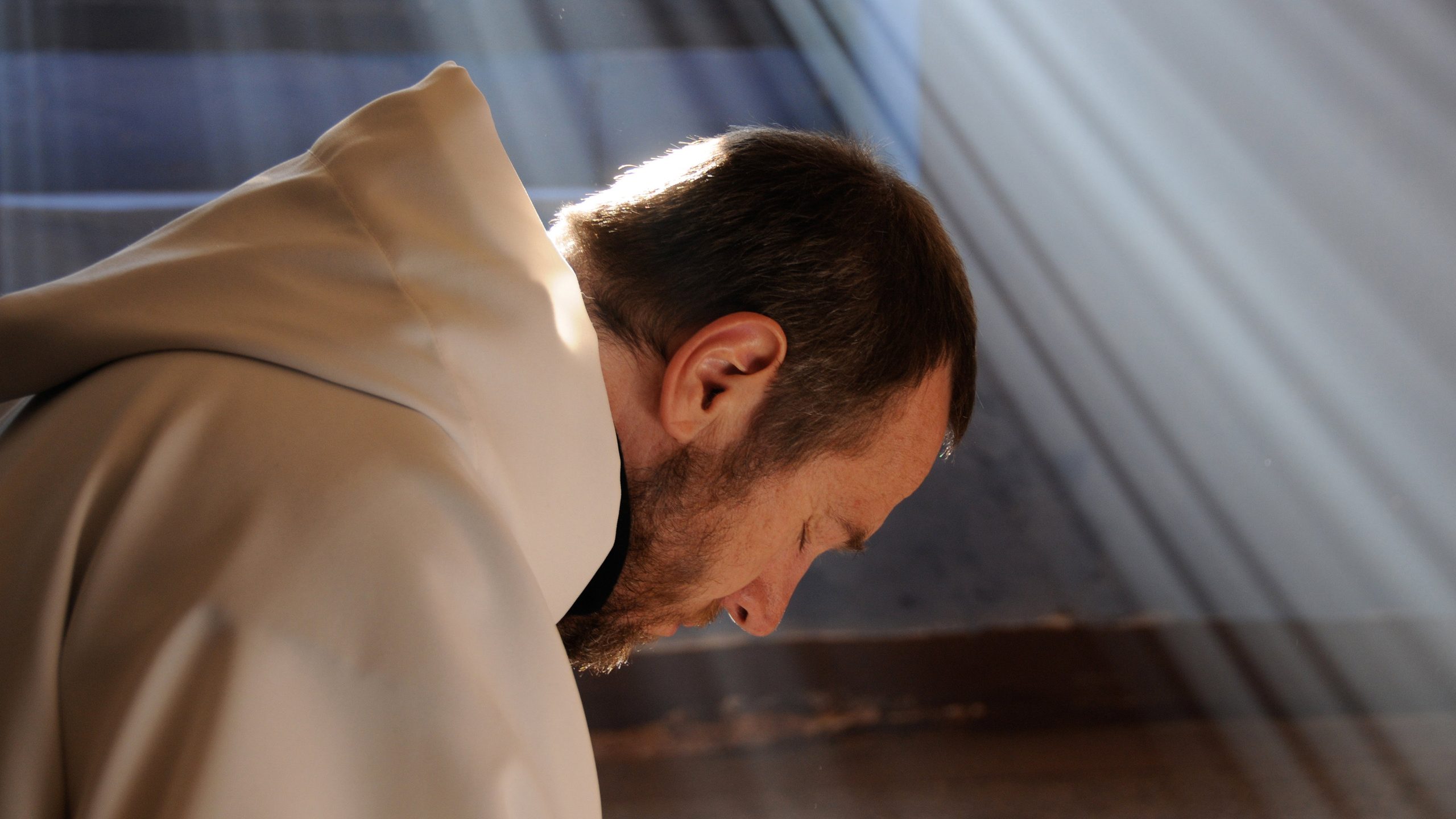
Christophe’s night of doubt, on his knees in the dark shouting at a God who does not answer, is the other scene where the film pushes instead of waiting. And the militants stay at the gate throughout, seen only as the monks see them, which is honest about where the camera stands but leaves the politics thin. Most critics have forgiven both, and on balance so have we.
The history is on the record and the film assumes you know it. We will say only that the last reel keeps its nerve and does not reach for the strings it could so easily have had. Watch it in one sitting with the phone in another room. It will not survive being paused.