Film review

Timbuktu

2014 · Directed by Abderrahmane Sissako · 1h 36m

In a sentenceEven the football has to pretend it isn’t there

DramaWar

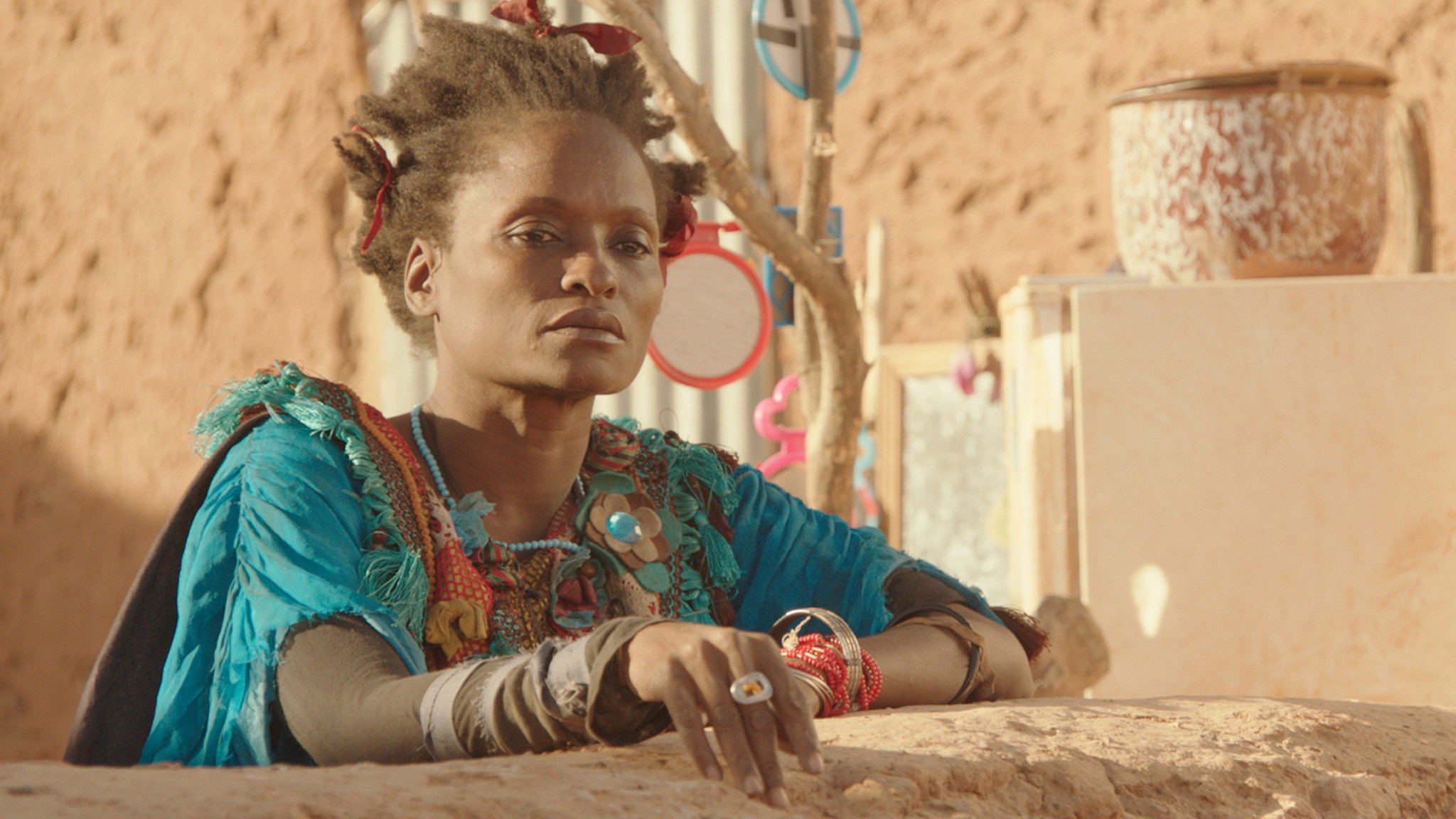
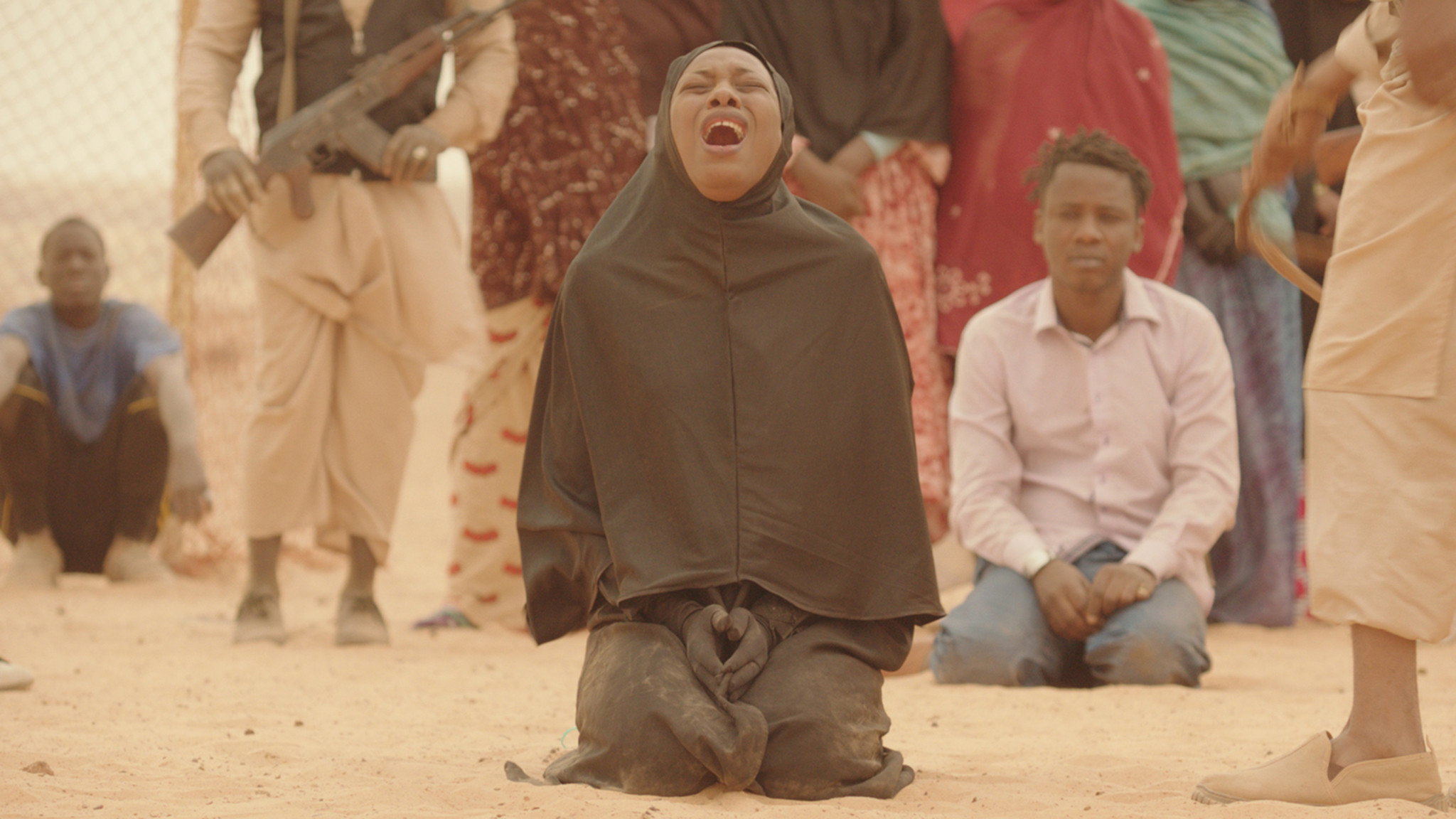
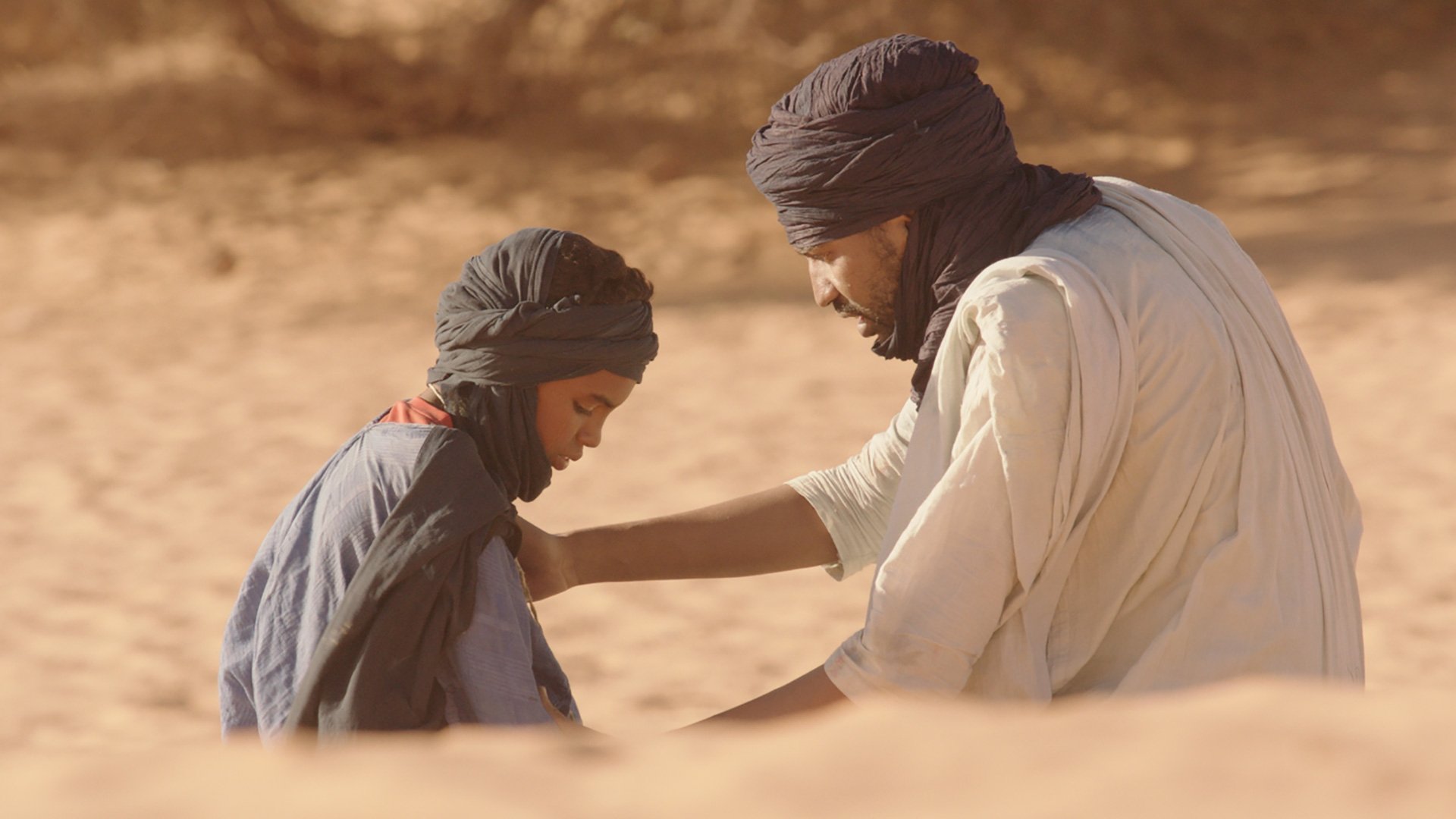
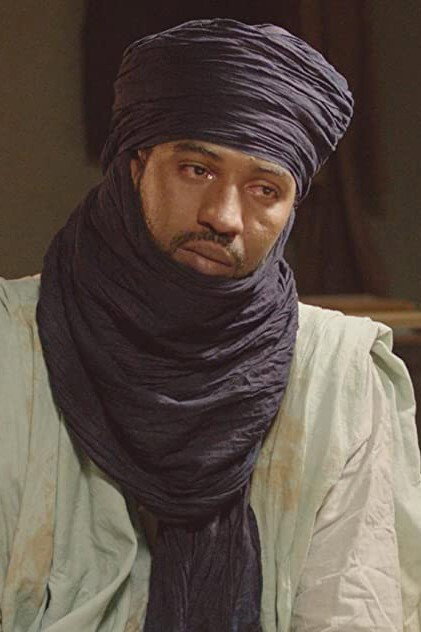
In Timbuktu, northern Mali, jihadist occupiers lay down rules for daily life. Kidane (Ibrahim Ahmed dit Pino), Satima (Toulou Kiki) and Toya (Layla Walet Mohamed) are a Muslim family trying to carry on while armed men impose their authority. Around them, residents face demands that reach into their ordinary pleasures and habits. The occupiers struggle with their own inconsistencies, but their orders still carry the threat of violence. As the family tries to preserve its peace, women elsewhere in the town challenge those giving orders and other residents find ways to resist.

Plays from YouTube when you press play; nothing loads from them until then.

Fi1m review

Abderrahmane Sissako’s Timbuktu finds humour in the men enforcing jihadist rule without making their violence easier to bear. Its scattered stories occasionally feel too brief, but the attention it gives ordinary people is deeply moving.

Timbuktu is a moving, sometimes funny film about people whose ordinary lives have become subject to armed men’s instructions. Abderrahmane Sissako gives the residents enough attention for each new restriction to feel like an intrusion into a life already being lived. We recommend it warmly, with a reservation about how quickly some of its stories are left behind. It asks us to notice what occupation does to a family, a game or a conversation, without making every person an example in a lecture.

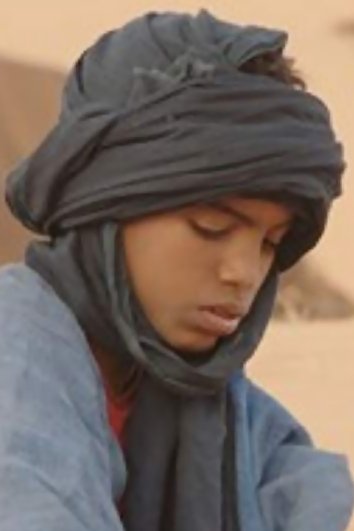
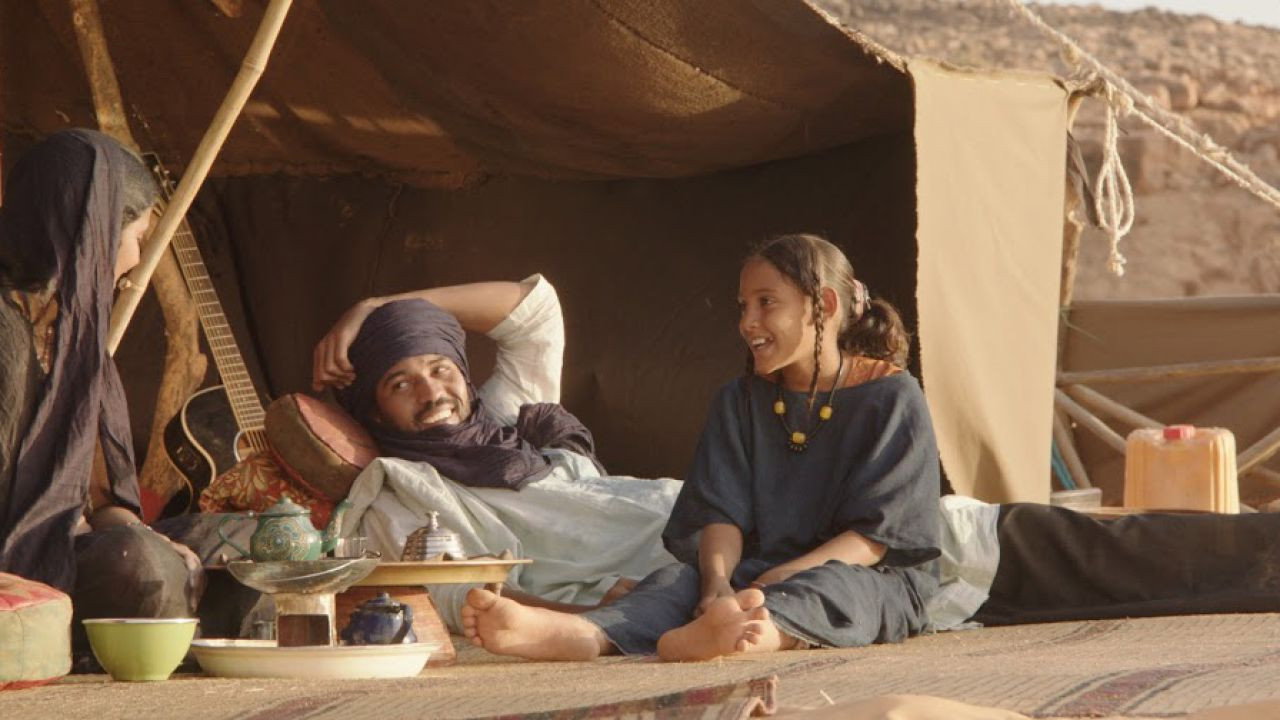
The family gives us somewhere to settle amid the movement through the town. Ibrahim Ahmed dit Pino as Kidane, Toulou Kiki as Satima and Layla Walet Mohamed as Toya make the wish to be left in peace feel sufficient; they do not need exceptional qualities to deserve our concern. Their performances have an ease that makes the armed men’s demands seem all the more alien. The director is good at letting a household matter before asking us to fear for it.

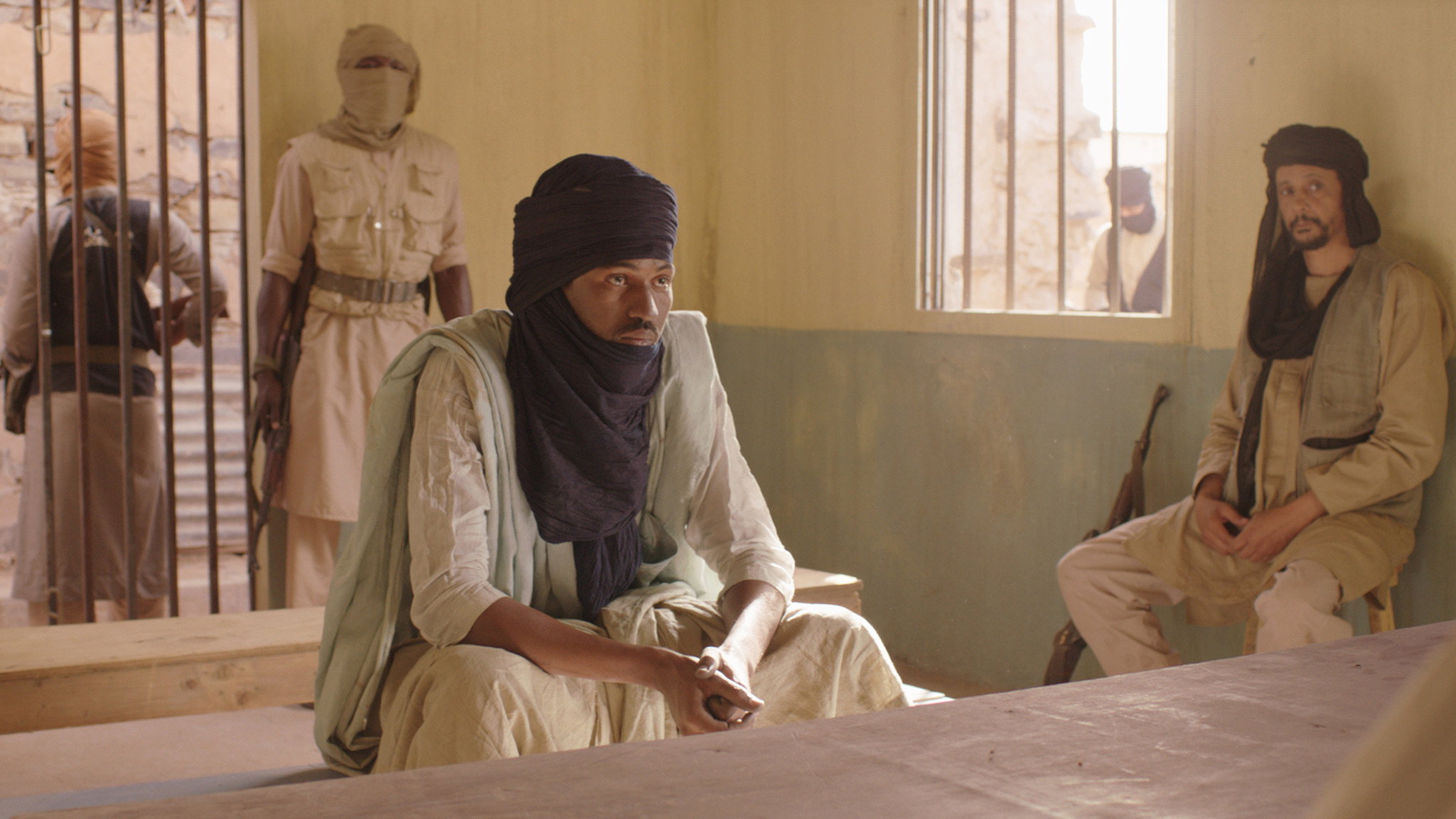
He is also willing to let the occupiers look foolish. The men charged with enforcing their rules cannot quite live by them, and the screenplay by Abderrahmane Sissako and Kessen Tall gives that inconsistency room to become funny. These are recognisable failings, made frightening by the power to punish anyone who objects. Some political dramas make their villains so assured that they accidentally flatter them; here the men with guns do not acquire intelligence merely because other people have to obey.

Sofian El Fani’s wide framing keeps people and their surroundings in view together. The desert has a scale that the occupation cannot alter, and its beauty makes the intrusion of armed men more troubling. Sébastian Birchler’s production design helps the town feel inhabited rather than arranged solely for an account of suffering. We have the sense of lives that were going on before the film began, which makes the occupiers’ efforts to dictate every habit feel both presumptuous and frightening.

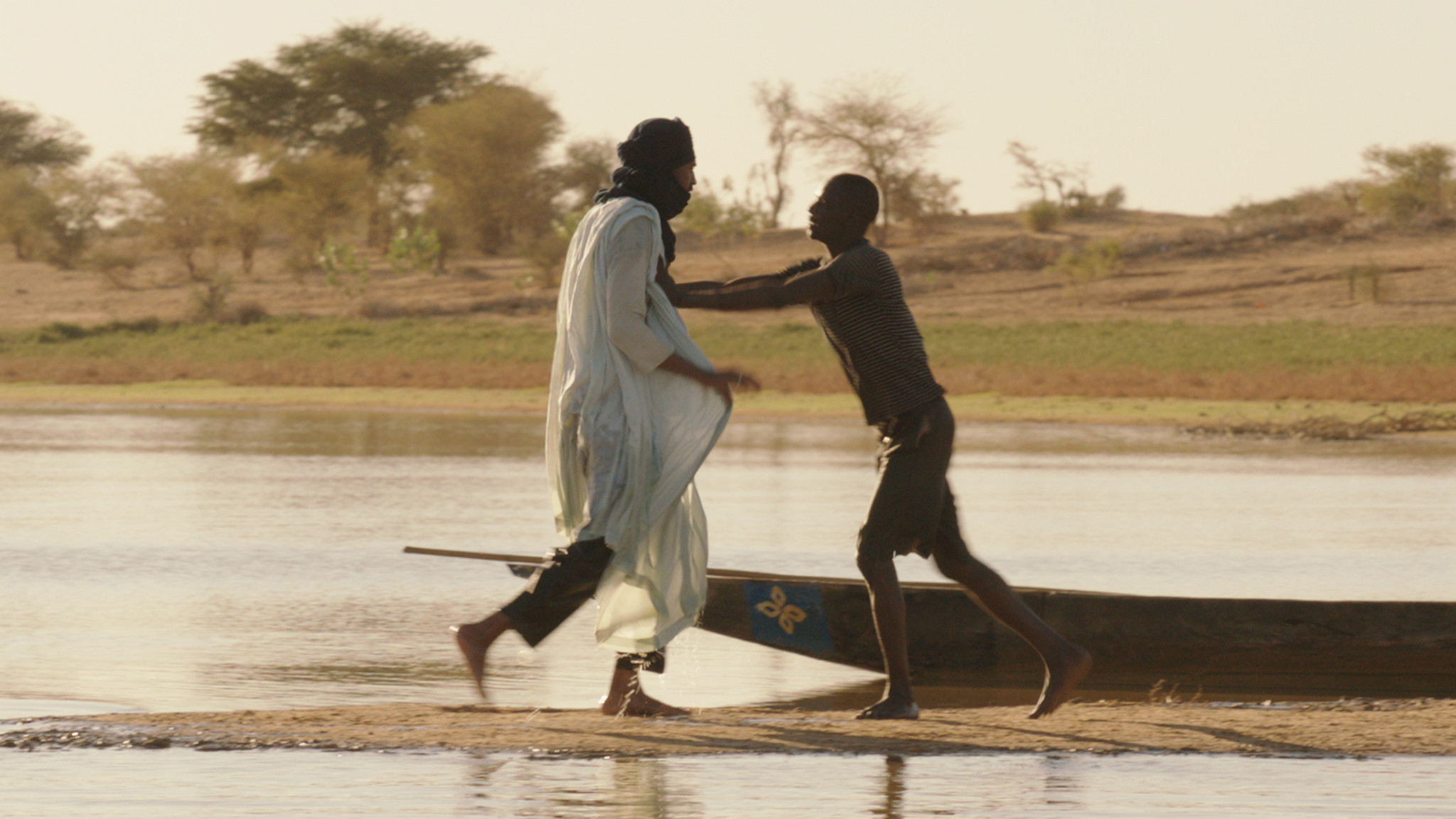
The mimed football match moved us more than we expected. The players sustain a shared pretence, and the care they take over a game with no ball makes an ordinary pleasure feel newly precious. The director allows the scene to be amusing without treating the players as a joke. We get to spend time with people who still know how to enjoy one another’s company, despite the restrictions on what they can do together.

Nadia ben Rachid’s editing connects the separate encounters clearly, though the frequent changes of company are also our reservation. A person can interest us just as the film is ready to move on, and a few shorter passages introduce people mainly to show us one more unreasonable rule. Amine Bouhafa’s music supports the sadness without making the characters seem helpless. Even so, we were most persuaded when the film simply stayed with its people and let their behaviour hold our attention.

At 96 minutes, this is a compact film, but it asks for more attention than a straightforward family drama. The changes of focus are worth accepting for the time they give to lives that a narrower story would push aside. We would choose it for an evening when there is time to sit with something difficult. Do not mistake the moments of laughter for a promise that it will go easy.
Critical consensus AI synthesised

85
Positive
20
Mixed
0
Negative
0

The reviews are unanimously positive about Timbuktu, with praise centred on Sissako’s humane account of life under jihadist occupation. Most critics admire how deadpan humour exposes the occupiers’ absurd rules and hypocrisy without softening the violence. The desert imagery and carefully composed wide shots draw repeated praise, as does the attention to ordinary people’s dignity. Several reviews single out the mimed football match, while others emphasise the women’s defiance and the central family’s performances.

There is little substantive disagreement, and the differences are chiefly in emphasis. Some critics stress the terror and suffering; others value the comedy and the refusal to make the jihadists into stereotypes. The Hollywood Reporter acknowledges eccentricities but finds the imagery and characters compelling enough to carry them. Reservations remain scarce: even the less enthusiastic assessments praise the film’s calm compassion and sharp observation of cruelty.

Little White Lies
29 May 2015 · 4/5/5 · David Ehrlich
100

Sissako's film is a terse but poetic humanist masterpiece that exposes the irreducible humanity resisting ideological control through a mosaic of everyday moments amid extremism. It complicates primal emotions without manipulation, revealing the soft tissue beneath the armour of fundamentalists.

Read the full review →
Film Comment
29 January 2015 · Michael Sragow
90*

The critic praises the film's bracing originality and poetic response to the jihadist occupation of Timbuktu, highlighting its visual mastery, charged tableaux, and emotional depth in depicting oppression and human resilience.

Read the full review →
Los Angeles Times
29 January 2015 · Betsy Sharkey
90*

The critic calls the film a provocative, sometimes satiric drama that indicts repression through absurd policies and personal stories under jihadist rule. It singles out the blend of horror and humor, the dignity of ordinary people, and the haunting cinematography of the desert setting.

Read the full review →
Sight and Sound
28 May 2015 · Nick Pinkerton
90*

Sissako portrays the jihadist occupiers as awkward mediocrities whose arbitrary rules lead to violence, showing moral intelligence in equating the fate of the guilty and innocent under their rule. The review highlights the film's ability to underscore the strangeness of events while maintaining faith in the audience.

Read the full review →
The Hollywood Reporter
15 May 2014 · festival review · Deborah Young
90*

The critic finds the film a hard-to-forget poetic social outcry on jihadist excess in Mali, with soul-stirring imagery and strong characters that make it watchable despite eccentricities.

Read the full review →
Variety
14 May 2014 · festival review · Jay Weissberg
90*

The critic praises Sissako as one of cinema's true humanists for his subtle, empathetic drama that condemns intolerance without resorting to stereotypes. It singles out the film's stunning visuals, choral structure showing multicultural life, and discreet yet powerful handling of tragedy and repression.

Read the full review →

Cast

Stills

Awards

Academy Awards, 2015

Nominated
Best International Feature Film

IFFR audience award, 2015

Nominated
IFFR audience award

International Submission to the Academy Awards, 2015

Nominated
International Submission to the Academy Awards

Lumière Award for Best Director, 2015

Won
Lumière Award for Best Director

Lumière Award for Best Film, 2015

Won
Lumière Award for Best Film

If you liked this, try…

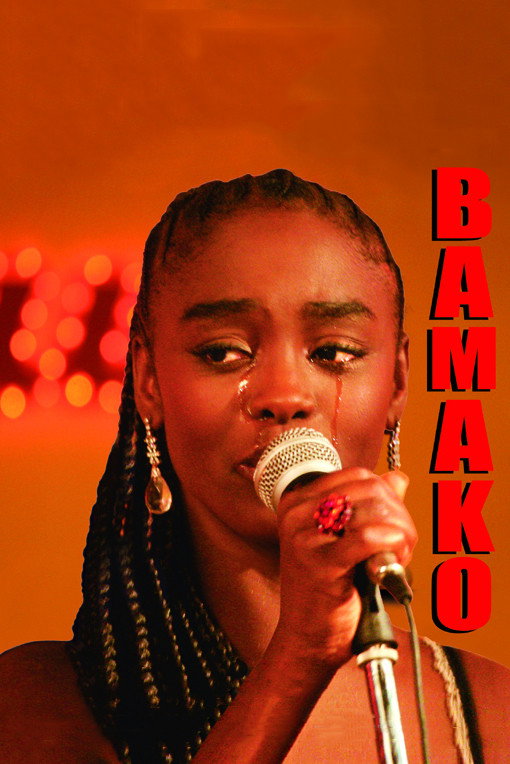
Bamako poster

Bamako

2006 · Another community under pressure, with political anger grounded in everyday interruptions.

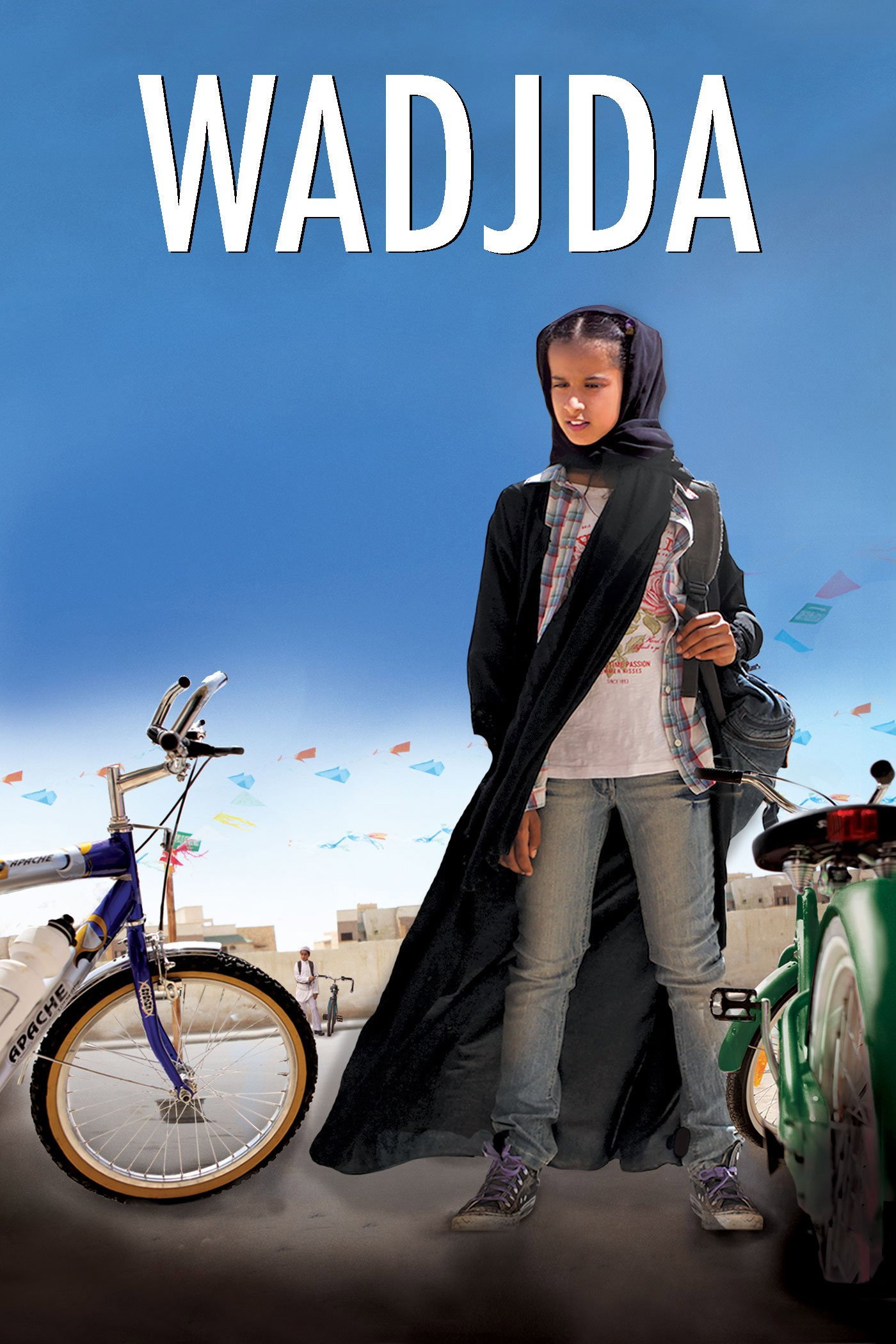
Wadjda poster

Wadjda

2012 · A child’s wish for a bicycle exposes rules adults prefer not to question.

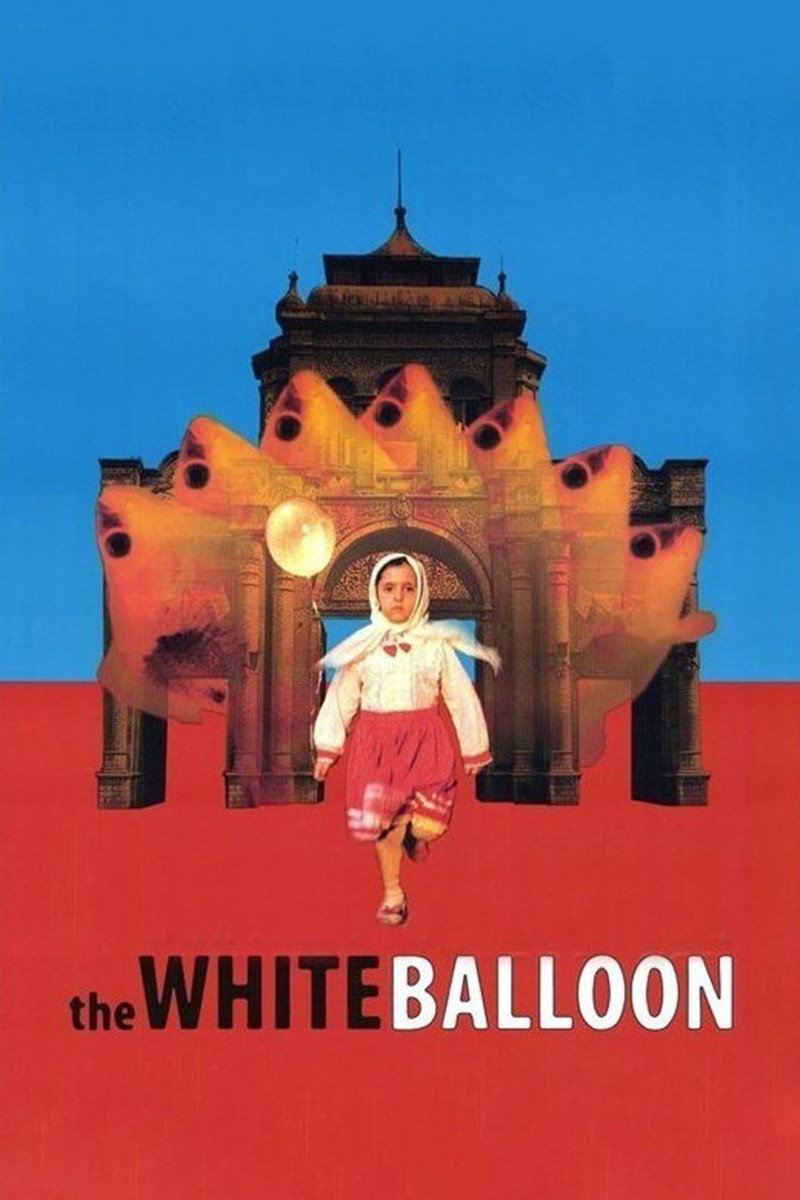
The White Balloon poster

The White Balloon

1995 · Patient attention to a small errand makes a child’s difficulties matter enormously.

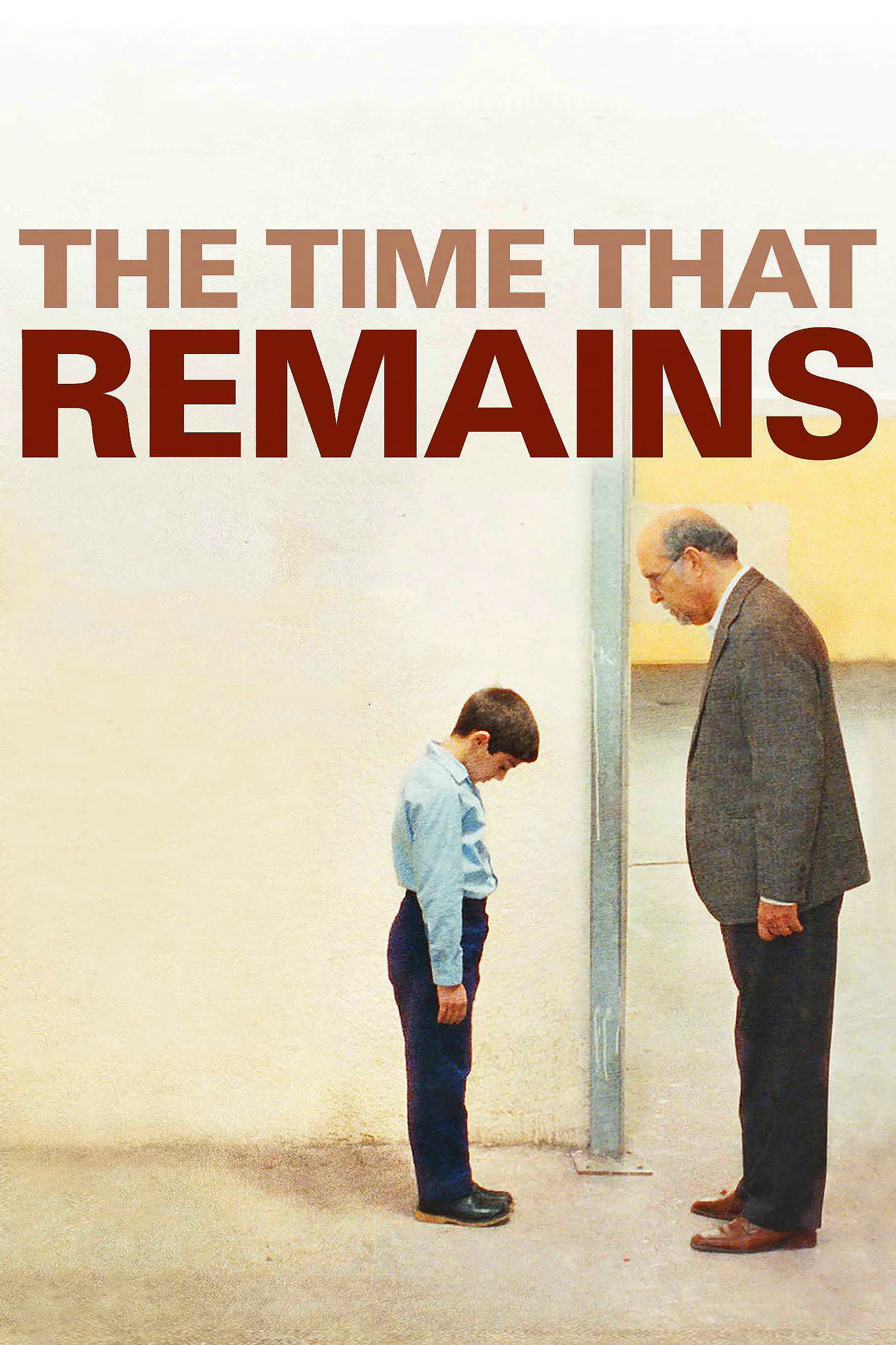
The Time That Remains poster

The Time That Remains

2009 · Dry humour and carefully arranged scenes make occupation’s daily indignities painfully clear.

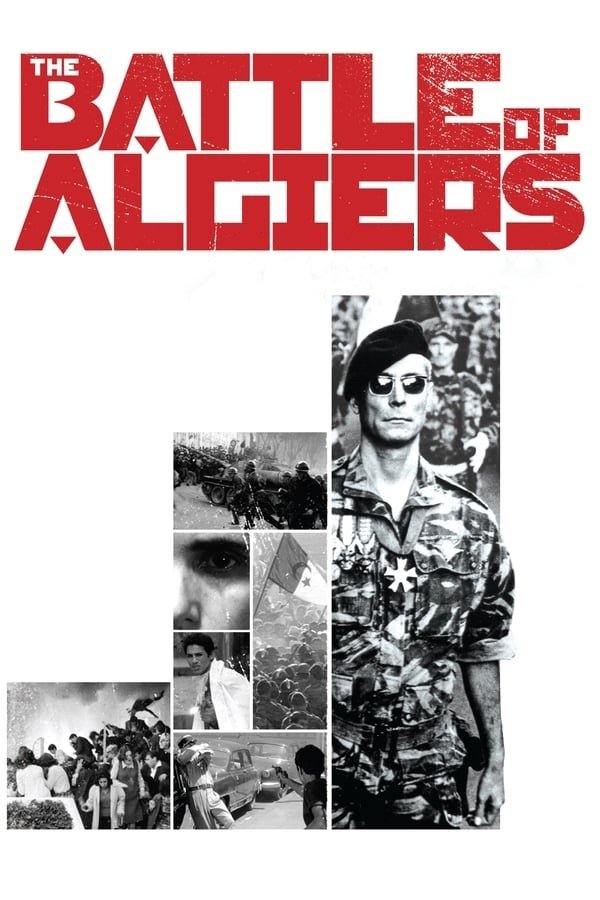
The Battle of Algiers poster93

The Battle of Algiers

1966 · For a harsher, more crowded account of occupation and the choices it forces.